
The world of pharmaceuticals, while focused on efficacy and patient well-being, also involves a significant amount of visual identification. For patients managing chronic conditions like hypertension, understanding the specific appearance of their prescribed medications is not just a matter of curiosity but can be crucial for ensuring they are taking the correct drug. Lisinopril, a widely prescribed medication for high blood pressure and heart failure, is one such drug that prompts questions about its physical characteristics. While the chemical compound is the primary determinant of its therapeutic effect, its visual presentation – color, shape, and markings – plays a vital role in medication safety and patient adherence.
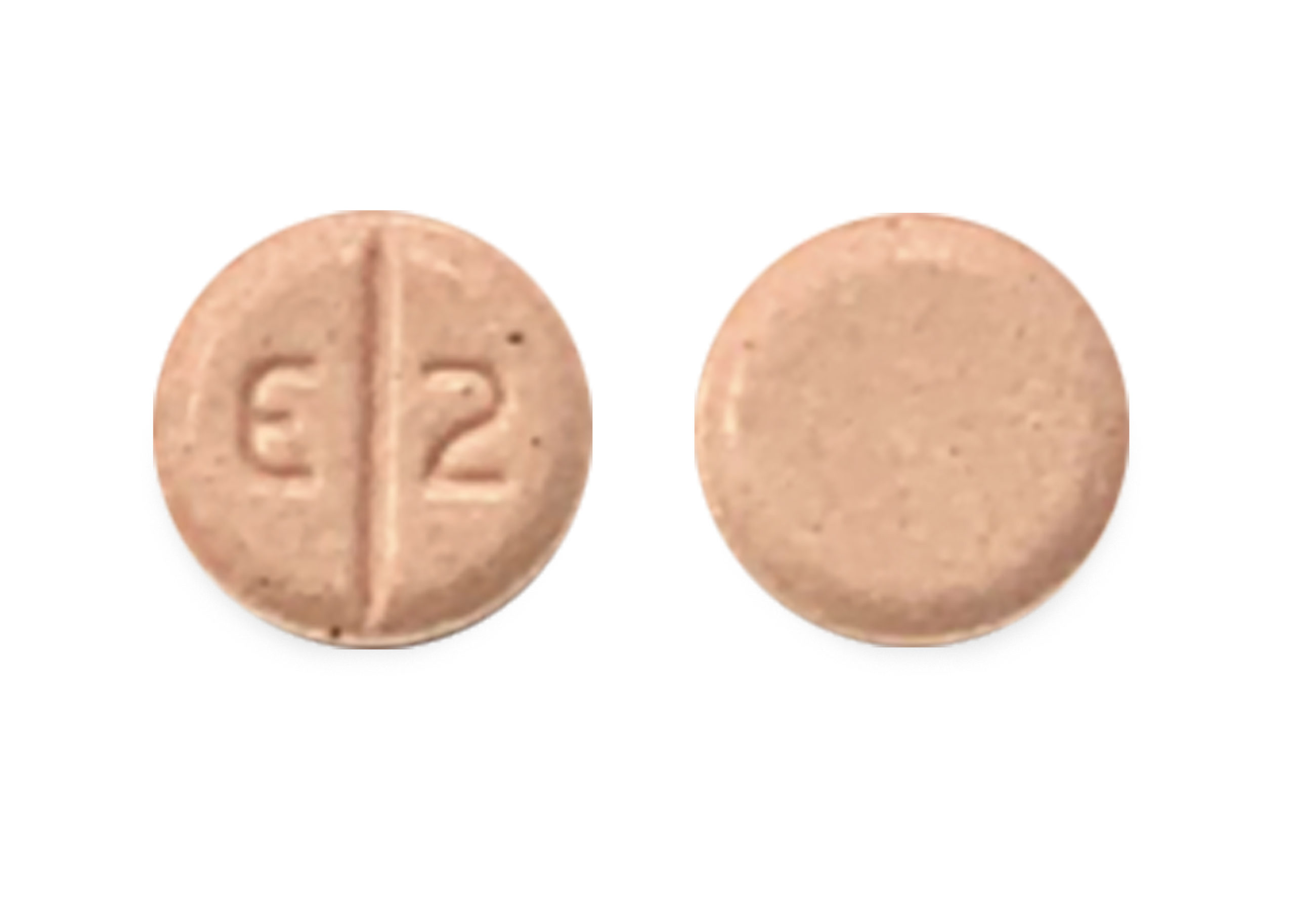
This exploration delves into the visual attributes of lisinopril pills, aiming to demystify what this medication looks like. We will examine the common forms it takes, the factors influencing these variations, and the importance of recognizing these visual cues in the context of safe and effective medication management. The seemingly simple question of “what does a lisinopril pill look like” opens a window into the practicalities of medication dispensing, patient education, and the underlying processes that ensure the right pill reaches the right patient.
The Multifaceted Appearance of Lisinopril
Lisinopril, as a pharmaceutical product, is not manufactured by a single entity. Instead, it is produced by numerous pharmaceutical companies, both as a brand-name drug (Prinvil) and, more commonly, as a generic medication. This multiplicity of manufacturers leads to a diversity in the visual appearance of lisinopril pills. While the active pharmaceutical ingredient (API) remains consistent, the excipients – the inactive ingredients that form the bulk of the pill – and the manufacturing processes can vary. These variations directly influence the color, shape, and any imprinted markings on the tablet.
Variations in Color and Shape
Lisinopril tablets are most commonly found in shades of white or off-white. This is a prevalent color choice for many oral solid dosage forms due to its perceived purity and ease of production. However, subtle variations in the manufacturing process, the specific excipients used, or the presence of film coatings can introduce slight differences in shade. Some lisinopril tablets might appear a very pale yellow or even a slightly grayish hue.
The shape of lisinopril tablets is generally round and convex. This shape is often chosen for ease of swallowing. However, some manufacturers may opt for a slightly oval or capsule-like shape. Furthermore, the tablets are typically scored, meaning they have a line impressed across the center. This score line is designed to facilitate breaking the pill in half, allowing for dosage adjustments when prescribed by a healthcare professional. The presence and style of the score line can also differ between manufacturers.
Imprinted Markings: A Key Identifier
Beyond color and shape, the imprints on lisinopril tablets serve as crucial identifiers. These markings are usually alphanumeric codes that indicate the drug’s strength and the manufacturer. Pharmaceutical companies are required to imprint their tablets to prevent errors and ensure authenticity. These imprints can include a company logo, a unique code, or a combination of letters and numbers representing the dosage strength. For example, a tablet might be imprinted with “LISI” and “10” to denote lisinopril and a 10 mg dosage.
The appearance of these imprints can also vary. Some are deeply etched and clear, while others might be more subtly pressed into the tablet surface. The color of the ink used for imprinting, if any, can also differ, although most are uninked or imprinted with a contrasting, often dark, color for legibility. It is imperative for patients to familiarize themselves with the specific markings on their prescribed lisinopril to avoid confusion, especially if they are obtaining their medication from different pharmacies or if a new prescription is filled with a different generic manufacturer.
Why Visual Identification Matters in Medication Management
The visual characteristics of a lisinopril pill are not merely aesthetic details; they are integral components of safe and effective medication management. In an era where multiple generic options are often available, and packaging can be standardized, distinguishing between different medications or even different strengths of the same medication relies heavily on accurate visual identification of the pill itself. This becomes particularly important in situations where medication packaging might be compromised, or when patients are managing a complex medication regimen.
Ensuring Medication Accuracy and Safety
The primary benefit of understanding what a lisinopril pill looks like lies in preventing medication errors. Imagine a scenario where a patient has been prescribed different medications with similar packaging or colors. Without clear visual cues on the pills themselves, the risk of accidentally taking the wrong medication, or the wrong dosage, significantly increases. The imprinted markings on lisinopril, when correlated with the prescription, act as a vital safeguard. A quick visual check can confirm that the pill in hand is indeed the correct lisinopril at the prescribed strength.
Moreover, in household settings where multiple individuals might be taking medications, distinguishing between them is paramount. The unique visual profile of a lisinopril pill can help prevent accidental cross-contamination or ingestion by someone for whom it is not prescribed. This is especially relevant for medications that have critical therapeutic effects and potential side effects if taken incorrectly.
The Role in Patient Adherence and Empowerment
Empowering patients with knowledge about their medications contributes significantly to adherence. When patients can visually recognize their lisinopril, it fosters a sense of control and understanding over their treatment. This familiarity can reduce anxiety and build confidence in taking the medication as prescribed. For individuals who might have difficulty reading or remembering complex instructions, the visual cues of the pill can serve as a constant, tangible reminder of their treatment.
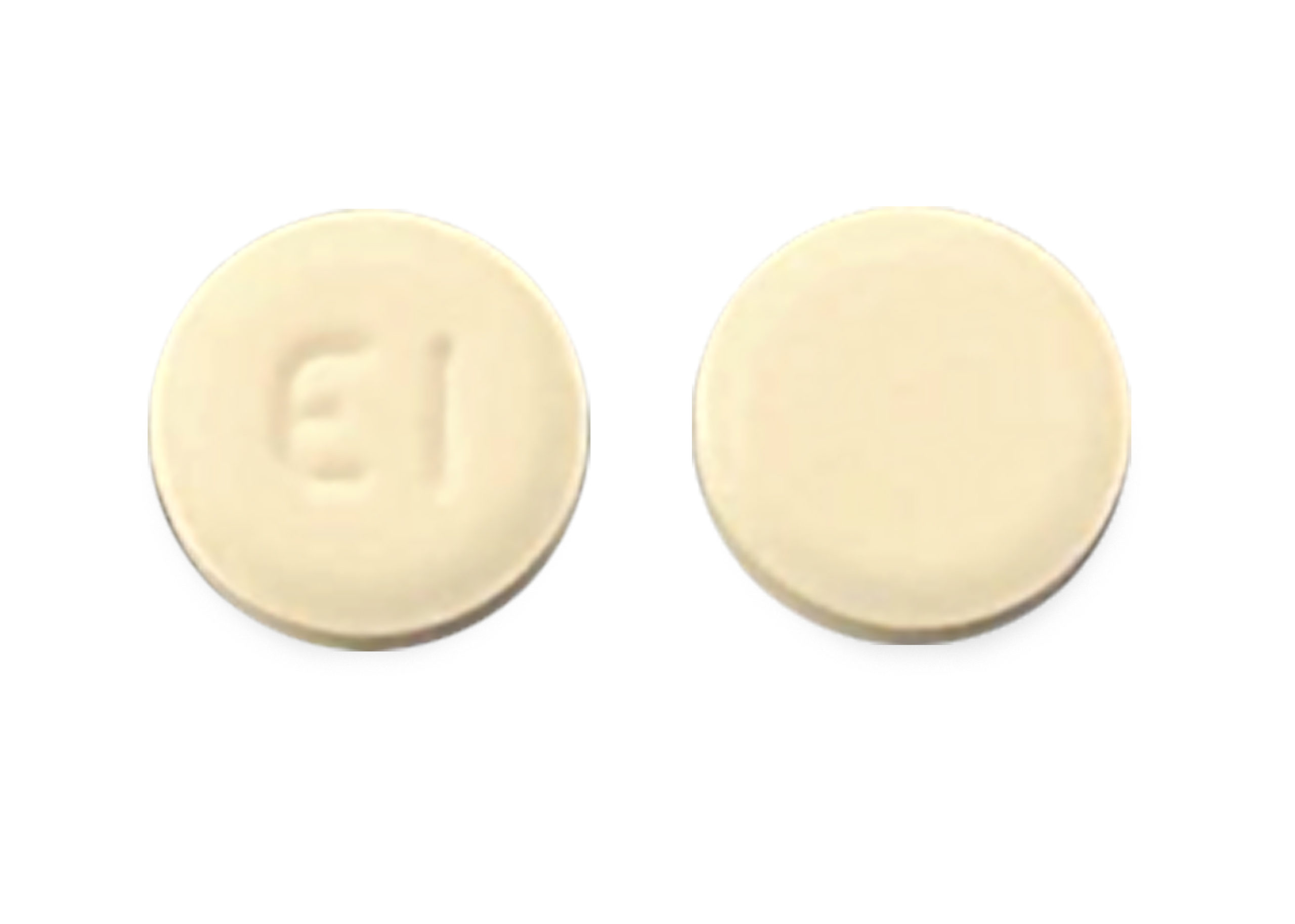
Furthermore, if a patient receives a prescription refill and the appearance of the lisinopril pill has changed (e.g., a different manufacturer is used), this visual difference can prompt them to seek clarification from their pharmacist or doctor. This proactive approach can prevent potential confusion or the assumption that a different, incorrect medication has been dispensed. It encourages a dialogue about their treatment and reinforces the importance of consistent communication with healthcare providers.
Navigating Generics and Brand Variations
The pharmaceutical landscape is dominated by generic medications, which are bioequivalent to their brand-name counterparts but are often manufactured by different companies. Lisinopril is a prime example, widely available under various generic labels, in addition to its original brand name, Prinvil. This proliferation of manufacturers means that the visual appearance of lisinopril can vary considerably from one prescription to another, even if the active ingredient and dosage are identical.
Understanding Generic Equivalents
Generic lisinopril medications contain the same active ingredient in the same strength and dosage form as the brand-name drug. However, the inactive ingredients (excipients) used to formulate the tablet can differ. These excipients, such as binders, fillers, disintegrants, and colorants, are what contribute to the distinct visual characteristics of each manufacturer’s pill. Therefore, while two pills might both be lisinopril 10 mg, one might be round and white with a specific imprint, while another could be oval and off-white with a different imprint.
It is crucial for patients to understand that these visual differences between generic lisinopril products do not indicate a difference in therapeutic efficacy. The FDA rigorously regulates generic drugs to ensure they meet the same quality, safety, and effectiveness standards as brand-name drugs. However, healthcare professionals and pharmacists play a key role in educating patients about these potential visual variations and reassuring them about the interchangeability of generic options.
Consulting Pharmacists and Healthcare Providers
The most reliable way to ascertain the precise appearance of your prescribed lisinopril, and to understand any variations you might encounter, is to consult with your pharmacist or healthcare provider. Pharmacists are highly knowledgeable about the medications they dispense and can readily identify different formulations. They can show you the specific lisinopril you have been prescribed, explain any markings, and address any concerns you might have about its appearance, especially if you notice a change from a previous prescription.
Healthcare providers, such as your doctor, can also provide guidance. They can confirm the prescribed dosage and strength and, if necessary, can specify a particular manufacturer if there are specific patient sensitivities or preferences related to excipients (though this is less common for lisinopril). Building a strong relationship with your healthcare team ensures that you have a reliable source of information for all your medication-related questions, including the visual aspects of your pills.
Tools and Resources for Pill Identification
In the digital age, a wealth of resources exists to help individuals identify medications, including lisinopril. These tools are invaluable for both patients and caregivers who may need to verify a pill’s identity or simply understand its visual characteristics. Beyond direct consultation with healthcare professionals, these digital aids offer a convenient and accessible way to gain information.
Online Pill Databases and Identification Tools
Numerous reputable websites and apps are dedicated to pill identification. These resources typically allow users to search for medications by imprint code, color, shape, or drug name. For example, by entering “lisinopril” into a pill identifier tool, one can often see images of various formulations from different manufacturers. These databases are usually populated with information from pharmaceutical companies and regulatory bodies, making them a reliable source of visual data.
Users can often upload a photo of a pill to some advanced identification tools, which then analyze the image and provide potential matches. While these tools are incredibly helpful, it is always advisable to cross-reference the information obtained with your prescription or to confirm with a pharmacist, especially if there is any doubt. The visual information provided by these tools can serve as an excellent starting point for understanding what your lisinopril pill looks like and what to expect.
Understanding Dosage Strengths and Their Visual Cues
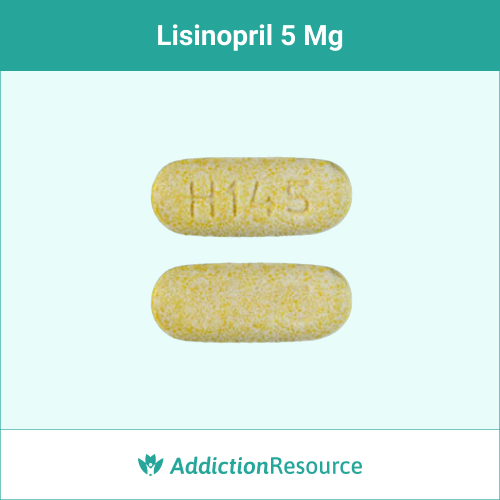
Lisinopril is available in several dosage strengths, typically ranging from 2.5 mg to 40 mg. Each strength might be associated with specific visual characteristics, although this is not always a universal rule as manufacturers can choose different colors or imprints for various strengths. For instance, a 5 mg lisinopril tablet might be a different color or have a different imprint than a 20 mg tablet from the same manufacturer.
It is crucial to pay close attention to the imprinted markings that indicate the dosage strength. These are often numbers directly on the tablet. For example, “10” might signify 10 mg, or “20” for 20 mg. Always confirm the dosage strength with your prescription and the markings on the pill. If there is any discrepancy or confusion, do not hesitate to contact your pharmacist or doctor. Understanding the visual cues for different strengths is as important as recognizing the drug itself, as taking the incorrect dosage can have significant health implications.
In conclusion, while the question “what does a lisinopril pill look like” might seem straightforward, the answer encompasses a range of visual attributes influenced by multiple manufacturers and dosage strengths. Understanding these variations in color, shape, and imprints is not merely an academic exercise; it is a fundamental aspect of medication safety, patient adherence, and overall health management. By utilizing available resources, consulting with healthcare professionals, and paying close attention to the visual cues of their medication, individuals can confidently and safely navigate their lisinopril treatment.
aViewFromTheCave is a participant in the Amazon Services LLC Associates Program, an affiliate advertising program designed to provide a means for sites to earn advertising fees by advertising and linking to Amazon.com. Amazon, the Amazon logo, AmazonSupply, and the AmazonSupply logo are trademarks of Amazon.com, Inc. or its affiliates. As an Amazon Associate we earn affiliate commissions from qualifying purchases.