
The term “4/4” in the context of lumber might initially sound like a cryptic code or a specialized jargon understandable only to seasoned woodworkers and timber merchants. However, for anyone involved in the construction, woodworking, or even the broader business of building materials, understanding this designation is crucial. It’s not merely about the physical dimensions of a piece of wood; it’s a fundamental concept that directly impacts cost, usability, and the financial viability of projects. In essence, “4/4” is a shorthand that speaks volumes about the raw material’s potential and its associated financial value.
This article delves into the meaning of “4/4” lumber, dissecting its practical implications from a financial perspective. We will explore how this seemingly simple measurement influences material costs, procurement strategies, project budgeting, and ultimately, the profitability of businesses that rely on wood as a primary input. By demystifying this common industry term, we aim to equip you with the knowledge to make more informed financial decisions when sourcing and utilizing lumber.
The Financial Foundation: Deconstructing “4/4” and Its Nominal Value
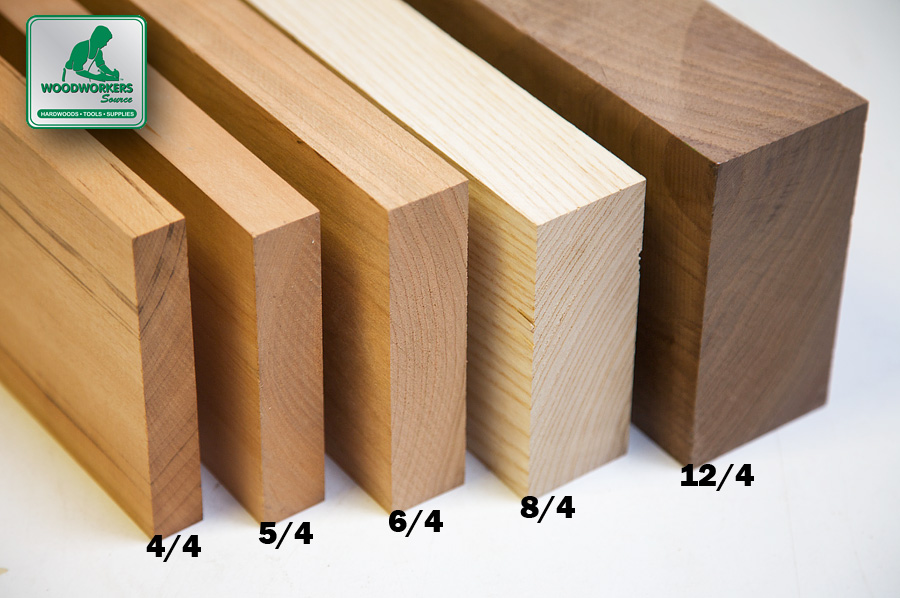
At its core, “4/4” refers to the nominal thickness of a rough-sawn board. In the United States lumber grading system, thicknesses are typically expressed in quarters of an inch. Therefore, 4/4 lumber signifies a nominal thickness of 4/4 of an inch, which equates to 1 inch. This is the thickness of the wood as it comes off the sawmill before it has been dried and planed.
Nominal vs. Actual Dimensions: The Cost of Refinement
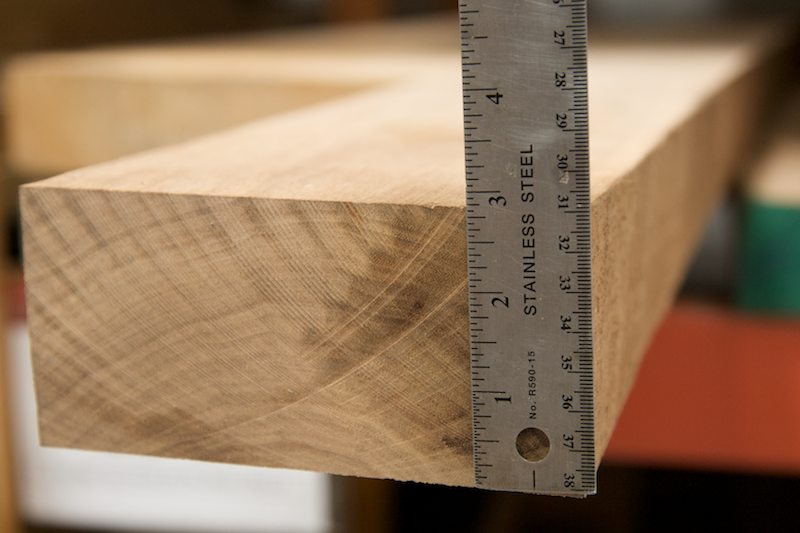
The most significant financial implication of the “4/4” designation lies in the distinction between nominal and actual dimensions. While 4/4 lumber is nominally 1 inch thick, the actual thickness after kiln-drying and planing to a smooth finish will be less. Typically, a 4/4 board will finish at approximately 13/16 of an inch or sometimes even 3/4 of an inch. This reduction in thickness is a direct consequence of the milling and drying processes, which are essential for creating stable, usable lumber.
From a financial standpoint, this difference is critical. When purchasing lumber, especially in bulk, understanding the nominal versus actual thickness is paramount for accurate cost estimation. If a project requires a specific finished thickness for structural integrity or aesthetic appeal, the initial purchase of 4/4 lumber needs to account for this reduction. Overestimating the actual thickness can lead to overspending on materials, as you might be paying for a thickness that will be milled away. Conversely, underestimating the reduction could result in insufficient material, leading to costly delays and additional purchases.
The cost of lumber is often calculated per board foot. A board foot is a unit of volume equal to a board that is 1 foot wide, 1 foot long, and 1 inch thick. When dealing with nominal dimensions, the calculation of board feet is based on these nominal sizes. Therefore, a 4/4 board that is 1 foot wide and 1 foot long contains 1 board foot based on its nominal thickness of 1 inch. However, if the actual finished thickness is less, the actual volume of usable wood is reduced, impacting the cost-effectiveness of the purchase. Businesses must factor in this “shrinkage” when calculating the cost per usable board foot, which directly affects their project margins.
The Market Price of “4/4”: Supply, Demand, and Grade
The price of 4/4 lumber, like any commodity, is influenced by a complex interplay of supply and demand. However, within this general framework, several specific factors related to wood quality and availability further shape its financial value. The grade of the lumber – its classification based on the number and type of defects such as knots, checks, and splits – plays a pivotal role in pricing. Higher grades, with fewer imperfections, command higher prices due to their superior aesthetic appeal and structural integrity, making them more desirable for premium applications.
The species of wood is another significant determinant of cost. Hardwoods like oak, maple, and cherry are generally more expensive than softwoods like pine and fir, reflecting their differing growth rates, durability, and market demand. The source of the lumber – whether it’s domestically sourced or imported – also introduces variations in price due to transportation costs, import duties, and currency exchange rates.
Furthermore, market trends and economic conditions can cause fluctuations in lumber prices. A booming construction industry can drive up demand and, consequently, prices, while an economic downturn might lead to a surplus and lower prices. For businesses, staying abreast of these market dynamics is crucial for optimizing procurement strategies and ensuring competitive pricing for their products or services. Negotiating favorable terms with suppliers, understanding bulk purchasing discounts, and exploring alternative species or grades when appropriate are all vital financial management strategies when dealing with 4/4 lumber.
Procurement and Budgeting: The Financial Impact of Sizing on Projects
The way 4/4 lumber is sourced and accounted for in project budgets has a profound impact on a business’s financial health. Understanding the intricacies of this process can lead to significant cost savings and improved profitability.
Bulk Purchasing and Inventory Management: Balancing Cost and Risk
For businesses that regularly utilize significant quantities of 4/4 lumber, bulk purchasing is a common strategy to leverage economies of scale and secure more favorable pricing. By ordering larger volumes, companies can often negotiate lower per-unit costs from suppliers. However, this strategy comes with its own set of financial considerations.
Holding large inventories ties up capital, which could otherwise be invested in other areas of the business. Excessive inventory also increases the risk of obsolescence, damage, or spoilage, leading to potential financial losses. Therefore, effective inventory management is crucial. This involves carefully forecasting demand, optimizing order quantities, and implementing robust storage and handling procedures to minimize waste and ensure the quality of the lumber. Just-in-time inventory systems, where materials are delivered precisely when needed, can be highly effective in reducing holding costs and the associated financial risks.
The financial decision-making around bulk purchases of 4/4 lumber involves a delicate balance between achieving volume discounts and managing the costs and risks associated with holding inventory. Companies must conduct thorough cost-benefit analyses to determine the optimal purchasing strategy for their specific operational needs and financial capacity.
Project Costing and Margin Optimization: The Price of Precision
The accurate costing of projects that incorporate 4/4 lumber is fundamental to ensuring profitability. This involves more than just summing up the raw material costs. The nominal versus actual dimension issue, as discussed earlier, needs to be meticulously accounted for. If a project requires a specific finished dimension, the amount of 4/4 lumber that needs to be purchased must be calculated to account for the material removed during planing and finishing. Failing to do so can lead to underestimations of material needs, resulting in cost overruns and reduced profit margins.
Furthermore, labor costs associated with milling, cutting, and shaping the lumber must also be factored into the overall project cost. The efficiency of these processes, influenced by the quality and consistency of the 4/4 lumber, can directly impact labor expenses. High-quality lumber that requires less rework or adjustment can lead to faster production times and lower labor costs.
For businesses aiming to optimize their profit margins, understanding the true cost of each component is essential. This includes not only the direct cost of the 4/4 lumber but also the associated processing costs, waste, and potential for rework. By meticulously calculating these factors, businesses can set accurate prices for their products or services, ensuring they remain competitive while achieving their desired profit levels.
Beyond the Dimension: The Financial Role of Lumber Quality and Sustainability
While the “4/4” designation primarily speaks to thickness, the broader financial implications of lumber extend to its quality, species, and increasingly, its sustainability. These factors, though not directly represented in the “4/4” notation, significantly influence pricing, marketability, and long-term business viability.
Lumber Grades and Their Financial Value: Investing in Quality
The grading of lumber, as previously touched upon, is a direct indicator of its quality and, consequently, its financial value. Lumber grading systems, such as those established by the National Hardwood Lumber Association (NHLA) or the U.S. Forest Products Laboratory, categorize boards based on the number, size, and location of defects. Higher grades, such as FAS (Firsts and Seconds) or Select, command premium prices because they offer larger, clearer pieces with fewer imperfections. These are often sought after for fine furniture, cabinetry, and architectural millwork where aesthetics and structural integrity are paramount.
Conversely, lower grades, such as #1 Common or #2 Common, contain more knots and other defects, making them more affordable. These are typically used for less visible applications, construction framing, or for projects where the visual appearance is not the primary concern. For businesses, understanding these grading standards is crucial for making informed purchasing decisions. Buying lower-grade lumber for applications that can accommodate it can lead to substantial cost savings. However, attempting to use lower-grade lumber in applications that demand higher quality can result in project failures, reputational damage, and ultimately, financial losses. The financial strategy here involves matching the lumber grade to the specific requirements of the project to achieve the optimal balance between cost and performance.
Species Selection and Market Trends: Financial Opportunities and Risks
The choice of wood species significantly impacts project costs and market appeal. As mentioned, hardwoods are generally more expensive than softwoods, with specific species within each category also having varying price points. For example, within hardwoods, walnut is typically more expensive than oak. Within softwoods, premium clear pine can be pricier than standard knotty pine.
Market trends and consumer preferences also play a crucial role in the financial value of different wood species. Popularity shifts can influence demand and, therefore, pricing. For instance, a surge in demand for reclaimed wood, due to its aesthetic and sustainability appeal, can drive up its price. Similarly, the increasing emphasis on sustainable forestry practices can influence the availability and cost of certain species.
Businesses that are agile enough to adapt to these market trends can capitalize on new opportunities. This might involve exploring the use of more sustainable or readily available species, or developing product lines that cater to emerging aesthetic preferences. Conversely, relying on outmoded trends or materials with declining demand can lead to financial stagnation. A proactive approach to market research and a willingness to explore diverse wood species are vital for long-term financial success in the lumber-dependent industries.
The Emerging Financial Value of Sustainability
In today’s economic landscape, sustainability is no longer just an ethical consideration; it has become a significant financial driver. Consumers and businesses are increasingly making purchasing decisions based on the environmental impact of products. This trend directly affects the lumber industry.
Lumber sourced from sustainably managed forests, often certified by organizations like the Forest Stewardship Council (FSC), can command a premium price. This is because these certifications indicate responsible forestry practices that ensure the long-term health of forests, biodiversity, and local communities. For businesses, offering sustainably sourced 4/4 lumber can enhance their brand image, attract environmentally conscious customers, and potentially access new markets or government contracts that prioritize sustainability.
The financial benefits of sustainability also extend to operational efficiency. Sustainable practices often involve optimizing resource utilization, reducing waste, and minimizing environmental risks, all of which can contribute to cost savings. Furthermore, investing in sustainable lumber sourcing can mitigate future risks associated with resource scarcity, regulatory changes, and reputational damage. Therefore, integrating sustainability into procurement strategies for 4/4 lumber is not just a responsible choice but a financially prudent one that can contribute to long-term business resilience and profitability.
aViewFromTheCave is a participant in the Amazon Services LLC Associates Program, an affiliate advertising program designed to provide a means for sites to earn advertising fees by advertising and linking to Amazon.com. Amazon, the Amazon logo, AmazonSupply, and the AmazonSupply logo are trademarks of Amazon.com, Inc. or its affiliates. As an Amazon Associate we earn affiliate commissions from qualifying purchases.