
The question, “What do you want from a relationship?” is a cornerstone of human interaction, a deeply personal query that has fueled countless conversations, essays, and even songs. Traditionally, it delves into emotional needs, shared values, life goals, and the fundamental desires for companionship, support, and intimacy. However, in our increasingly interconnected world, where technology permeates nearly every facet of our lives, this question takes on a new dimension. The digital landscape has not only reshaped how we communicate and form connections but also how we perceive and define what we seek in a partnership. Therefore, to truly answer “What do you want from a relationship?” in the 21st century, we must also consider the technological underpinnings of modern romance. This article explores this evolved question through a tech-centric lens, examining how digital tools, platforms, and trends influence our desires and expectations for romantic relationships.

The Digital Foundation: How Technology Shapes Initial Attraction and Compatibility
Before the first date, before even a whispered “I love you,” a significant portion of modern relationships are forged, or at least initiated, within the digital realm. The way we present ourselves online, the platforms we choose, and the algorithms that guide our searches all play a crucial role in shaping our initial perceptions of potential partners and, consequently, what we deem desirable in a relationship.
The Algorithmic Matchmaker: Navigating Dating Apps and Beyond
Dating apps have become the de facto starting point for many modern romances. While their primary function is to facilitate introductions, the underlying algorithms are designed to identify potential compatibility based on a multitude of data points. Users meticulously curate profiles, selecting photos, writing bios, and answering questions that are then fed into complex systems. What we “want” in a partner, therefore, often gets translated into quantifiable metrics and preferences within these platforms.
- Preference Engineering: We express our desires through filters – age ranges, geographical proximity, stated interests, and even deal-breakers. This is a direct manifestation of articulating what we want, albeit through a technological interface. The success of these filters, however, often leads to a narrower, potentially limiting, search.
- The Role of Data in Compatibility: Beyond simple filters, advanced algorithms analyze user behavior, swipe patterns, and even conversation styles to predict compatibility. This introduces a data-driven element to what we perceive as a good match. We are, in essence, implicitly trusting that the technology can identify qualities we desire, even those we might not explicitly articulate. This raises questions about whether we are truly seeking genuine connection or optimizing for an algorithmically determined ideal.
- Beyond Traditional Apps: The influence of technology extends beyond dedicated dating platforms. Social media, professional networking sites, and even gaming communities can serve as fertile ground for initial connections. The digital persona we cultivate across these platforms contributes to how we are perceived and, consequently, what type of relationship we might attract or seek.
Curating the Digital Self: Presenting Your “Relationship Ideal” Online
The way we present ourselves online is a strategic act of self-curation, a digital projection of our ideal selves and, by extension, our relationship ideals. Our profiles on social media, dating apps, and other digital spaces become a form of personal branding, carefully designed to attract specific types of attention and connection.
- The Authenticity Paradox: While many strive for authenticity, there’s an inherent pressure to present a polished, aspirational version of oneself. This can lead to a disconnect between the digital persona and the real-life individual, impacting the initial stages of a relationship. What we want to project as desirable in a partner might be influenced by idealized representations we encounter online.
- Signaling Values and Interests: The photos we choose, the links we share, the causes we support – all these digital signals communicate our values, interests, and aspirations. In the context of seeking a relationship, these become crucial indicators of potential compatibility. We are essentially broadcasting what we want in a partner by showcasing what we are.
- The Impact of Visuals and Aesthetics: In a visually driven digital landscape, aesthetic appeal plays a significant role. The quality of photos, the style of communication, and the overall presentation of a profile can heavily influence initial impressions. This can inadvertently lead to a prioritization of superficial qualities over deeper compatibility factors, shaping what we think we want based on immediate digital stimuli.
The Digital Dialogue: Communication, Connection, and Conflict in Modern Relationships
Once a connection is made, technology continues to play a pivotal role in shaping the dynamics of a relationship. The way we communicate, the tools we use, and the digital footprint we create together profoundly influence the depth, strength, and even the longevity of our bonds. What we want in terms of communication and connection is now inextricably linked to our digital interactions.
The Evolving Language of Love: Text, Video, and Virtual Presence

Communication is the bedrock of any relationship, and in the digital age, the channels through which we communicate have multiplied exponentially. Text messages, video calls, shared digital calendars, and even collaborative online spaces have become integral to maintaining and deepening connections.
- Instant Gratification and Availability: The immediacy of digital communication can create expectations of constant availability and rapid responses. This can be a double-edged sword, fostering a sense of closeness but also leading to anxiety or frustration when expectations aren’t met. What we want is often speed and responsiveness, which technology readily provides.
- The Nuance of Digital Tone: The absence of non-verbal cues in text-based communication can lead to misunderstandings. Interpreting tone, sarcasm, or intent becomes a complex dance, requiring a conscious effort to articulate clearly and to seek clarification. This highlights a new set of skills we desire and need in digital communication – clarity and empathetic interpretation.
- Virtual Presence and Shared Experiences: Video calls allow for a sense of “being there” even when physically apart, fostering a richer connection than mere text. Shared online experiences, such as playing games together, watching movies simultaneously, or collaborating on digital projects, create a unique form of shared intimacy and reinforce the bond. This is a new way of experiencing togetherness, shaping our desires for shared activities.
Digital Footprints and Relationship Milestones: Documenting and Sharing Our Journey
In the digital age, relationships are often documented and shared through photos, status updates, and social media posts. This collective digital footprint becomes a tangible representation of the relationship’s journey, influencing how we perceive our progress and what we aspire to achieve.
- The Performance of Partnership: Social media can create a pressure to “perform” the relationship, showcasing idealized moments and milestones for public consumption. This can lead to a focus on external validation, potentially overshadowing the internal reality of the relationship. What we want might be influenced by the desire for a socially recognized and admired partnership.
- Shared Digital Memories: The ability to easily store and revisit photos, videos, and conversations creates a rich repository of shared memories. This can be a powerful tool for reinforcing connection and reminiscing about formative moments. The desire for a well-documented and easily accessible shared history is a distinctly modern aspect of what we want.
- Navigating Online Boundaries and Privacy: As relationships deepen, questions of digital boundaries and privacy become paramount. What information is shared online, with whom, and what level of access is granted to digital profiles are crucial discussions that reflect what we want in terms of trust and transparency within the relationship.
Sustaining the Connection: Technology as a Tool for Growth and Resilience
Beyond the initial stages, technology offers a suite of tools and opportunities for nurturing and sustaining a relationship. While it can present challenges, it also provides innovative ways to strengthen bonds, resolve conflicts, and foster continued growth, influencing what we want from a relationship in its long-term evolution.
Enhancing Intimacy and Shared Growth Through Digital Platforms
The modern relationship is not static; it’s a dynamic entity that requires ongoing effort and attention. Technology can be a powerful ally in this endeavor, offering avenues for deeper connection and personal development within the partnership.
- Shared Learning and Skill Development: Online courses, educational apps, and virtual workshops offer couples opportunities to learn new skills together, explore shared interests, or even work on relationship-specific challenges. This fosters a sense of shared progress and continuous growth, aligning with a desire for a dynamic and evolving partnership.
- Digital Tools for Connection and Appreciation: Apps designed for couples can facilitate regular check-ins, gratitude sharing, and date night planning. These tools, when used intentionally, can help maintain consistent communication and reinforce positive aspects of the relationship, addressing a want for structured, supportive connection.
- Therapeutic Applications and Support: The rise of online therapy and couples counseling platforms has made mental health support more accessible. This demonstrates a desire for proactive relationship management and a willingness to leverage technology to address challenges and foster emotional well-being within the partnership.
Navigating Challenges and Maintaining Balance in a Connected World
While technology offers many benefits, it also presents unique challenges that couples must navigate to maintain a healthy and balanced relationship. Understanding and addressing these challenges is crucial to defining what we want in terms of a secure and fulfilling connection.
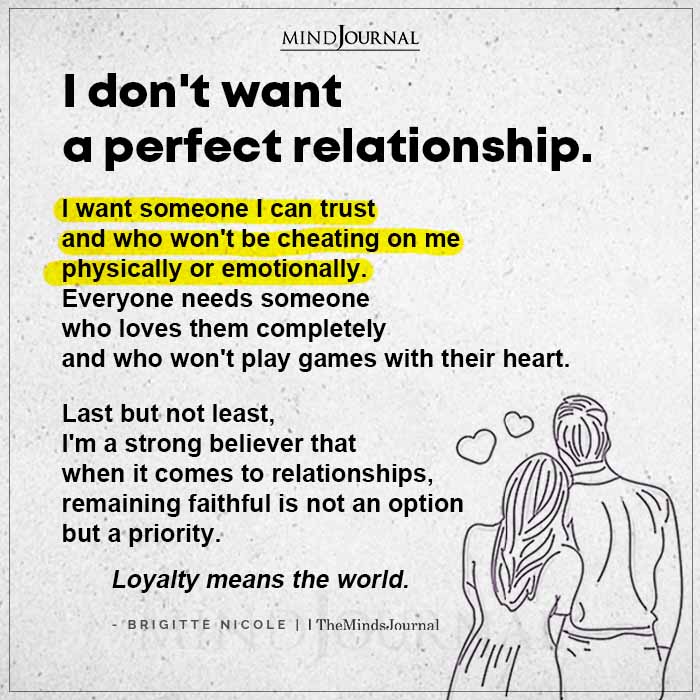
- The Specter of Digital Infidelity and Distraction: The pervasive nature of digital connectivity can introduce new forms of infidelity and constant distraction. Setting boundaries around digital device usage, establishing clear expectations about online interactions, and fostering open communication about these concerns are essential for maintaining trust and focus. This speaks to a desire for fidelity and undivided attention, even in a hyper-connected world.
- Managing Screen Time and Digital Boundaries: Finding a healthy balance between online engagement and real-world interaction is a constant negotiation. Couples need to establish shared norms around screen time, ensuring that technology enhances rather than detracts from their in-person connection. This reflects a want for quality time and genuine presence.
- The Impact of Social Comparison and External Pressures: Constant exposure to curated online lives can fuel social comparison and create unrealistic expectations within a relationship. Cultivating a strong sense of self and focusing on the unique strengths of one’s own partnership, rather than comparing it to digital ideals, is vital for long-term satisfaction. This highlights a desire for an authentic and unburdened relationship.
In conclusion, the question “What do you want from a relationship?” has evolved alongside our technological landscape. While the core human desires for love, companionship, and support remain constant, the means by which we seek them, communicate them, and experience them are increasingly shaped by technology. By understanding the tech-centric influences on our expectations and by consciously leveraging digital tools for connection and growth, we can navigate the complexities of modern romance and build relationships that are both digitally compatible and deeply fulfilling. The answer to what we want from a relationship in the 21st century is not just about emotional alignment; it’s also about our ability to forge meaningful connections in an ever-evolving digital world.
aViewFromTheCave is a participant in the Amazon Services LLC Associates Program, an affiliate advertising program designed to provide a means for sites to earn advertising fees by advertising and linking to Amazon.com. Amazon, the Amazon logo, AmazonSupply, and the AmazonSupply logo are trademarks of Amazon.com, Inc. or its affiliates. As an Amazon Associate we earn affiliate commissions from qualifying purchases.