
The humble sticker, once a mere decorative embellishment, has evolved into a potent tool in the digital landscape. For cyclists, especially those who integrate technology into their rides, helmet stickers are far from random acts of self-expression. Instead, they represent a sophisticated, albeit often overlooked, layer of brand identity, personal communication, and even functional digital integration. This article delves into the multifaceted meanings behind helmet stickers in the context of technology, exploring how they serve as digital identifiers, brand affiliations, and markers of participation in the evolving connected cyclist ecosystem.
The Helmet as a Digital Billboard: Brand and Affiliation Markers
In the realm of cycling, brand loyalty and the adoption of technological solutions are deeply intertwined. Helmet stickers, in this regard, act as powerful, visual indicators of an individual’s commitment to specific brands, technologies, or even communities. This isn’t just about aesthetics; it’s about signaling belonging and endorsing the innovations that enhance the cycling experience.
Endorsing Technological Innovation: From GPS to Smart Accessories
The most common stickers you’ll find on a modern cyclist’s helmet are those representing the brands of the technology they utilize. This can range from prominent GPS device manufacturers like Garmin or Wahoo to brands specializing in smart lighting systems (e.g., See.Sense, Lumos), communication devices (e.g., Sena), or even advanced helmet sensors that monitor impact or provide biometric data. These stickers are a direct endorsement, a silent testament to the efficacy and value derived from these technological partners. A cyclist sporting a Garmin sticker, for instance, is implicitly stating their reliance on its navigation, training tracking, or performance analytics. Similarly, a Lumos helmet sticker signifies an investment in integrated smart lighting and safety features, a clear adoption of wearable tech for enhanced visibility and communication.
Community and Collective Identity: Signaling Membership in Digital Networks
Beyond individual product endorsements, helmet stickers can also signify membership in online communities or participation in tech-driven cycling events. Strava, the ubiquitous social network for athletes, is a prime example. Many cyclists proudly display Strava stickers, signaling their engagement with the platform’s social features, challenges, and performance tracking. This sticker acts as a digital handshake, an invitation for others on the platform to connect or recognize a fellow Strava user. Similarly, stickers from cycling apps that focus on group rides, route planning, or even gamified cycling experiences can indicate a cyclist’s preferred digital ecosystem. These are not just logos; they are identifiers for a shared passion and a digital network.
Emerging Trends: The Rise of Data-Driven Cycling and its Visual Cues
As cycling becomes increasingly data-driven, with cyclists meticulously analyzing their performance metrics, helmet stickers are beginning to reflect this shift. Brands offering advanced power meters, heart rate monitors, or even specialized cycling computers that integrate with a wider network of sensors might have their stickers proudly displayed. This signals not only an investment in the hardware but also an alignment with a philosophy of performance optimization through technology. These stickers become subtle badges of honor, indicating a cyclist who is serious about understanding and improving their performance through the power of data.
Beyond Branding: Functional Stickers and Digital Interaction
The meaning of helmet stickers extends beyond passive brand endorsement. In the contemporary tech landscape, these small pieces of adhesive can also serve practical, functional purposes, enabling new forms of interaction and data exchange.
QR Codes for Emergency Contact and Medical Information
One of the most significant functional applications of helmet stickers, particularly for tech-savvy cyclists, involves the integration of QR codes. These scannable codes can store crucial information, such as emergency contact details, blood type, known allergies, or even links to medical records. In the unfortunate event of an accident, first responders can quickly scan the sticker, providing them with immediate access to vital information that could be life-saving. This transforms the helmet from a protective gear item into a mobile data hub, leveraging simple yet powerful technology to enhance safety protocols. Brands specializing in cycling safety often offer these scannable stickers as part of their product offerings, further embedding them into the technological safety narrative.
NFC Tags for Seamless Data Exchange and Device Pairing
Near Field Communication (NFC) technology, commonly found in smartphones and contactless payment systems, is also finding its way onto cycling helmets through specialized stickers. These NFC tags can be programmed to perform various actions when scanned by a compatible device. For instance, a cyclist might program an NFC sticker to automatically connect their phone to their bike’s integrated audio system, initiate a pre-set navigation route on their GPS device, or even log their ride start time. This enables a frictionless, almost instantaneous interaction with their connected cycling setup. The sticker becomes a physical trigger for digital actions, streamlining the user experience and highlighting the growing convergence of the physical and digital in the cycling world.
Identification and Authentication in Connected Ecosystems

As the concept of the “smart city” and integrated transportation networks evolves, helmet stickers could potentially play a role in identification and authentication. Imagine a future where a cyclist’s helmet sticker, embedded with a secure digital identifier, allows them to seamlessly access bike-sharing services, gain entry to designated cycling lanes, or even authenticate their participation in organized events with integrated timing systems. While still largely in nascent stages, this application hints at a future where helmet stickers become more than just visual cues, evolving into integral components of a larger, interconnected digital infrastructure for urban mobility and recreational cycling.
The Psychology of Sticker Placement: Signaling Expertise and Aspiration
The choice of which stickers to display and where to place them on a helmet is not arbitrary. It’s a carefully considered act that communicates a cyclist’s identity, aspirations, and perceived level of engagement within the technological cycling community.
Signaling Expertise and Experience
For seasoned cyclists who rely heavily on technology for training, performance analysis, and navigation, the presence of stickers from high-end GPS units, advanced training software, or power meter brands can serve as a signal of their expertise. It suggests a deep understanding of cycling metrics, a commitment to data-driven improvement, and a familiarity with the cutting-edge tools available. This can create a subtle sense of camaraderie and mutual respect among technologically proficient cyclists. It’s a way of saying, “I’m serious about my cycling, and I’m invested in the technology that helps me achieve my goals.”
Aspirational Signaling and Community Integration
Conversely, for newer cyclists or those aspiring to be more technologically integrated, certain stickers can represent their aspirations. They might choose to display stickers from brands associated with professional cycling teams or popular cycling apps as a way to signal their interest and their desire to be part of a larger, more advanced cycling community. These stickers act as aspirational markers, indicating a cyclist’s trajectory and their intention to grow within the tech-centric aspects of the sport. It’s a way of aligning oneself with the values and tools of those they admire and wish to emulate.
The Art of the “Clean” vs. the “Sticker-Bomb”: Aesthetic Choices and Tech Philosophies
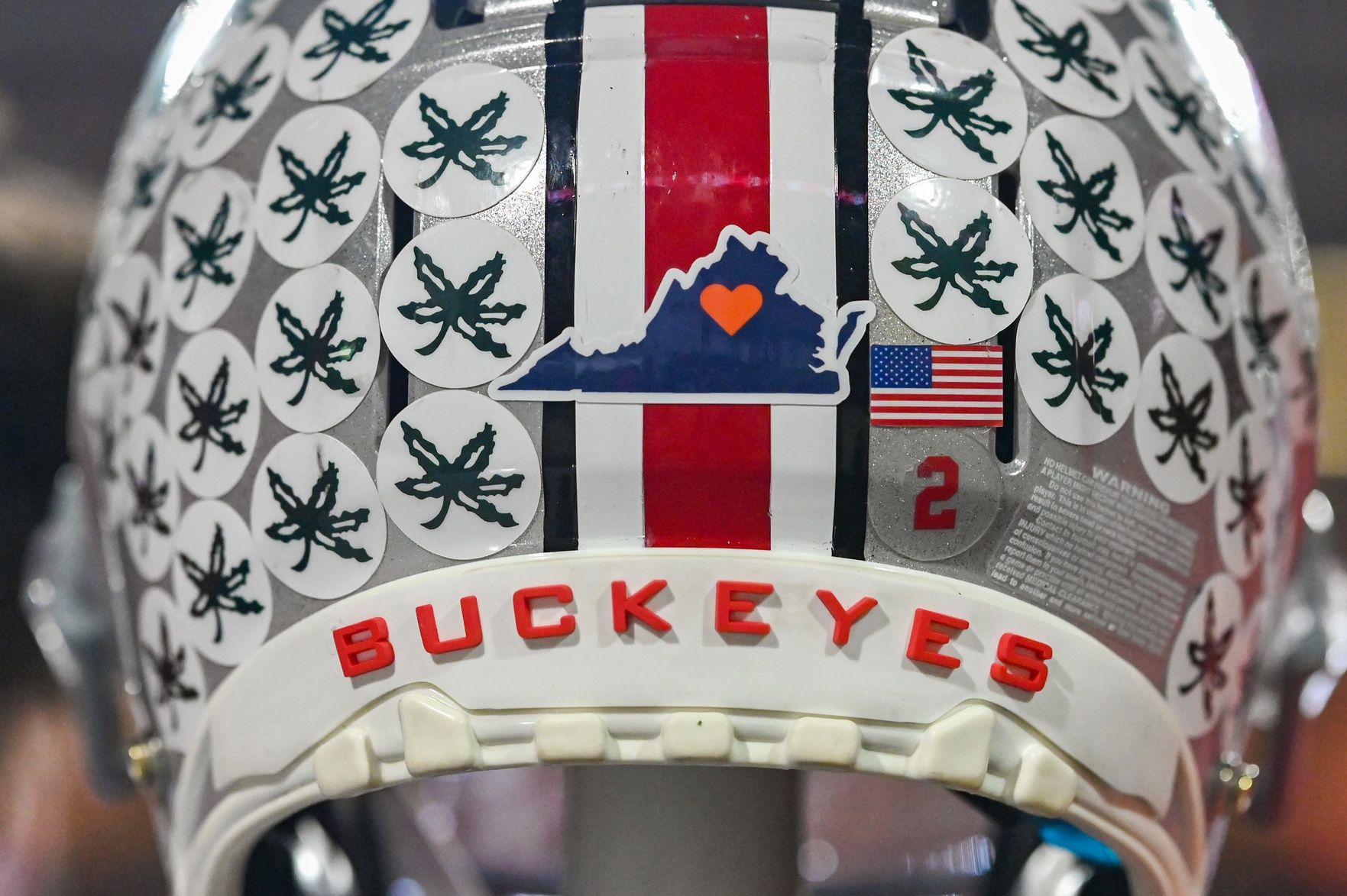
The density and type of stickers on a helmet can also reveal different philosophies regarding technology integration. Some cyclists prefer a minimalist approach, sporting only a few key brand stickers that represent their most crucial technological investments. This often signifies a focus on essential functionality and a preference for a streamlined aesthetic. Others embrace the “sticker bomb” approach, adorning their helmets with a multitude of stickers from various brands, apps, and events. This can represent a more comprehensive embrace of the connected cycling ecosystem, a willingness to experiment with different technologies, and a vibrant expression of their cycling journey. The visual narrative created by these sticker choices offers insights into the cyclist’s personal approach to technology and their place within the broader cycling landscape.
The Future of Helmet Stickers: Evolving Digital Identity and Interactivity
As technology continues to permeate every aspect of our lives, the role of helmet stickers is poised for further evolution. They are transitioning from static identifiers to dynamic, interactive elements that contribute to a more interconnected and personalized cycling experience.
Dynamic Displays and Programmable Stickers
The future may see helmet stickers move beyond static printed designs. Imagine stickers with e-ink displays that can change their message or graphics based on context – perhaps displaying a rider’s name and number during a race, or switching to emergency contact information in a critical situation. Programmable stickers, utilizing embedded micro-controllers and wireless communication, could allow cyclists to update their sticker’s content remotely, personalizing their helmet’s digital signature on the fly. This opens up a world of possibilities for real-time information sharing and dynamic visual communication.
Integration with Augmented Reality (AR) and Virtual Experiences
As augmented reality technology becomes more sophisticated and accessible, helmet stickers could play a role in bridging the gap between the physical and virtual cycling worlds. A cyclist’s helmet, adorned with specific AR-enabled stickers, could trigger virtual overlays when viewed through an AR device. This might include displaying real-time performance data, highlighting points of interest on a route, or even allowing for virtual interactions with other AR-enabled cyclists. This futuristic vision suggests that helmet stickers could become key nodes in a multimodal cycling experience, blending physical reality with digital enhancements.

Data Privacy and Security: The Evolving Ethical Landscape
The increasing integration of personal data and digital identifiers through helmet stickers also brings with it important considerations regarding data privacy and security. As these stickers become more sophisticated and capable of storing and transmitting sensitive information, robust security measures will be paramount. Cyclists will need to be mindful of how their data is being collected, stored, and utilized by the brands and platforms associated with their helmet stickers. The ongoing development of secure communication protocols and transparent data policies will be crucial in ensuring that the benefits of these technological advancements are realized without compromising user privacy.
In conclusion, the stickers adorning a cyclist’s helmet are far more than simple decals. They are intricate signifiers of brand allegiance, technological adoption, community belonging, and even vital functional data carriers. As technology continues to weave itself into the fabric of our cycling lives, the meaning and functionality of these small, adhesive elements will undoubtedly continue to evolve, transforming the humble helmet into a dynamic hub of digital identity and interaction.
aViewFromTheCave is a participant in the Amazon Services LLC Associates Program, an affiliate advertising program designed to provide a means for sites to earn advertising fees by advertising and linking to Amazon.com. Amazon, the Amazon logo, AmazonSupply, and the AmazonSupply logo are trademarks of Amazon.com, Inc. or its affiliates. As an Amazon Associate we earn affiliate commissions from qualifying purchases.