
The increasing implementation of traffic safety measures, particularly those aimed at preventing dangerous maneuvers like unauthorized right turns on red, has led to a rise in specialized surveillance technology. Understanding the visual characteristics and operational principles of these “no turn on red cameras” is crucial for drivers to ensure compliance and avoid penalties. While the specific designs can vary by manufacturer and jurisdiction, a consistent set of features and functionalities defines these devices. This article delves into the appearance, technology, and deployment strategies of cameras designed to enforce red light restrictions on turning movements, providing a comprehensive overview for informed navigation of modern roadways.
The Physical Appearance and Components of No Turn on Red Cameras
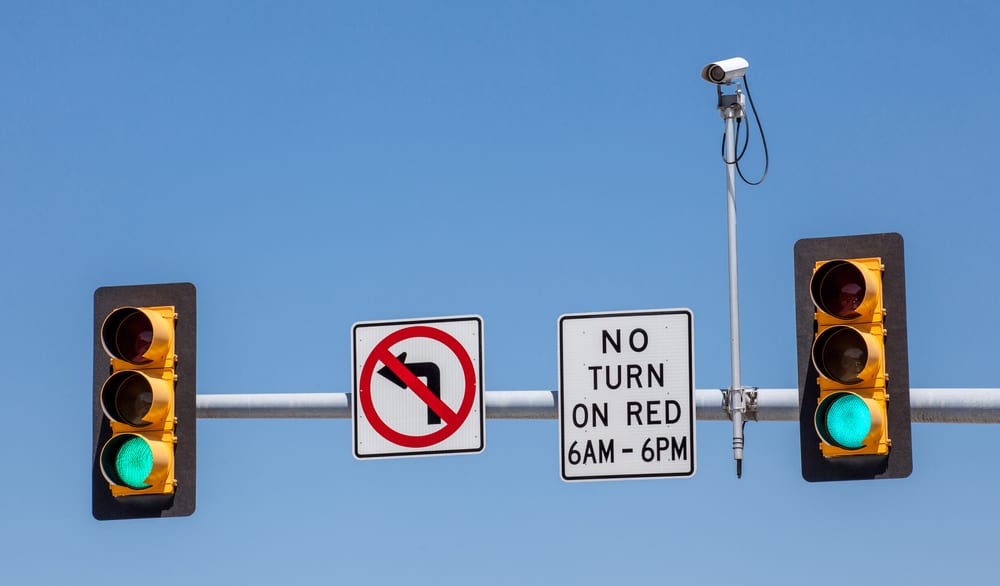
At first glance, the cameras tasked with monitoring no-turn-on-red violations may resemble other traffic enforcement cameras, but closer inspection reveals distinct characteristics tailored for their specific purpose. These devices are not simply standard surveillance cameras; they are integrated systems designed for accuracy, reliability, and robust data capture under diverse environmental conditions.
Standardized Housing and Mounting
The primary visual element of a no-turn-on-red camera system is its housing. These housings are typically constructed from durable, weather-resistant materials like aluminum or reinforced polycarbonate, designed to withstand extreme temperatures, precipitation, and UV exposure. They are often cylindrical or rectangular in shape, minimizing wind resistance and providing a compact footprint.
Mounting is another critical aspect of their physical design. These cameras are almost exclusively mounted on traffic signal poles or dedicated poles erected at intersections. The height of the mounting is strategically chosen to provide an unobstructed view of the intersection’s approach, the stopping line, and the traffic signals themselves. This positioning ensures that the camera can capture the entire turning maneuver, including the vehicle’s trajectory and the status of the traffic signal at the moment of the turn.
Visible Lenses and Illumination Systems
The most prominent feature of any camera is its lens. No-turn-on-red cameras utilize high-resolution lenses capable of capturing clear, detailed images of vehicles and their license plates, even at a distance or in low-light conditions. The size and number of lenses can vary. Some systems employ a single, wide-angle lens to cover a broader area, while others use multiple lenses to provide different perspectives or to focus on specific aspects of the violation, such as the vehicle approaching the intersection and the vehicle executing the turn.
A key component for effective operation, especially at night or in adverse weather, is the illumination system. While not always immediately obvious, these cameras often incorporate infrared (IR) illuminators. These invisible light sources emit a broad spectrum of infrared light, which is then reflected by the vehicle’s license plate and captured by the camera’s sensor, even when the visible light is insufficient. This allows for clear license plate recognition without causing glare or being disruptive to drivers. In some cases, a subtle flash of visible light might be employed, but modern systems increasingly favor covert IR illumination for unobtrusiveness.
Integrated Sensor Technology
Beyond the visible camera components, no-turn-on-red cameras integrate sophisticated sensor technology. These sensors are crucial for detecting the precise moment a vehicle crosses the stop line and for correlating that action with the state of the traffic signal. Inductive loops buried in the pavement or radar sensors mounted on nearby poles are commonly used to trigger the camera’s recording when a vehicle crosses the stop line, particularly when the light is red. This targeted triggering ensures that only relevant potential violations are captured, reducing data storage requirements and simplifying the review process.
Technological Underpinnings of No Turn on Red Enforcement
The effectiveness of no-turn-on-red cameras hinges on advanced technological capabilities that go far beyond simple image capture. These systems are engineered to accurately detect, record, and analyze traffic movements in real-time, ensuring reliable enforcement of traffic regulations.
High-Resolution Imaging and Video Recording
The core of any enforcement camera is its imaging system. No-turn-on-red cameras are equipped with high-resolution digital sensors that can capture exceptionally clear images. This clarity is paramount for several reasons: it allows for precise identification of the vehicle’s make, model, and color, and most importantly, it ensures the legibility of license plates. Modern systems often boast resolutions of several megapixels, allowing for significant digital zoom without a loss of critical detail.
In addition to still imagery, these cameras also record video. The video footage provides crucial context, demonstrating the sequence of events: the vehicle approaching the intersection, the state of the traffic signal, the decision to turn right on red, and the execution of the turn. The frame rate of these recordings is optimized to capture the dynamic movement of vehicles smoothly, ensuring that no subtle action is missed. Timestamping of all captured data, both images and video, is a standard feature, providing an irrefutable record of the violation.
Advanced Software for Violation Detection and Data Analysis
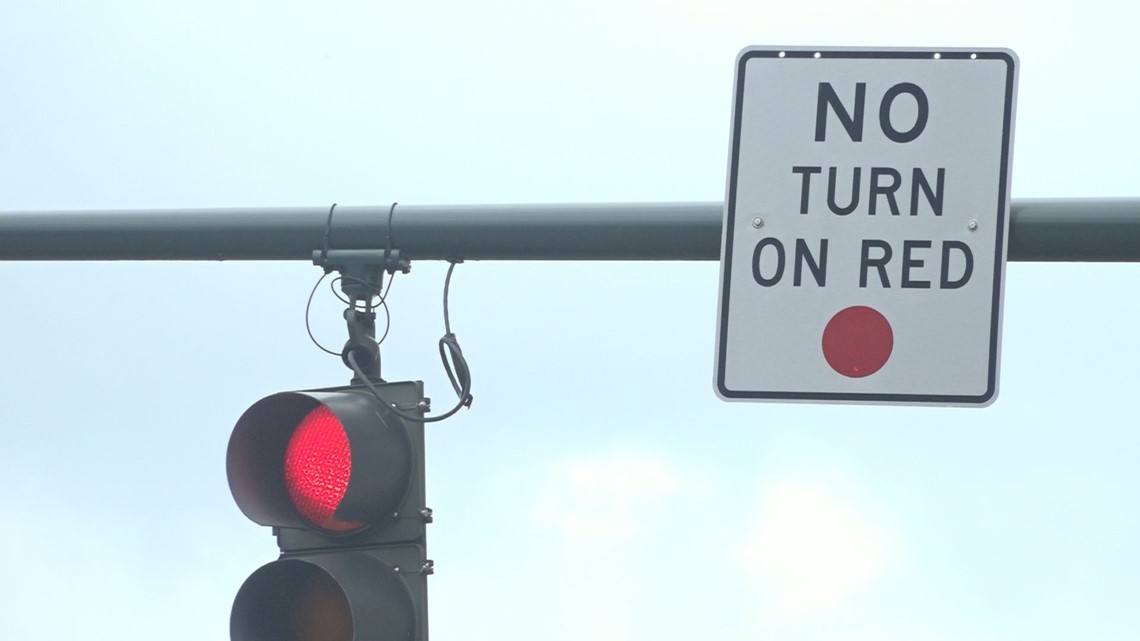
The captured imagery and video are processed by sophisticated software algorithms. This software is the brain of the no-turn-on-red camera system, enabling automated violation detection and analysis. Key functionalities include:
- Red Light Detection: The software continuously monitors the traffic signal status. It can distinguish between red, yellow, and green lights with high accuracy.
- Stop Line Crossing Detection: In conjunction with the integrated sensors, the software identifies when a vehicle has crossed the designated stop line.
- Maneuver Identification: Algorithms are trained to recognize the specific trajectory of a right turn. When a vehicle crosses the stop line while the light is red and then proceeds to turn right, the system flags this as a potential violation.
- License Plate Recognition (LPR): This is a critical component. The LPR software analyzes the captured images, isolating and recognizing the characters on the license plate. The accuracy of LPR is crucial for issuing citations to the correct vehicle owner.
- Data Correlation and Redundancy: The software correlates all captured data points – signal status, vehicle position, turning direction, and license plate – to build a comprehensive case for a violation. Many systems are designed with redundancy, capturing multiple images and video clips to provide a complete picture.
Communication and Data Transmission Capabilities
Once a potential violation is detected and verified by the system, the data must be securely transmitted to a central processing facility. No-turn-on-red camera systems are equipped with robust communication modules. These can include:
- Cellular (3G/4G/5G) Modems: For real-time or near-real-time data transmission to a secure server.
- Wired Network Connections: In locations with existing network infrastructure, direct Ethernet connections may be utilized.
- Secure Data Encryption: All data transmitted from the camera to the processing center is encrypted to protect sensitive information, including license plate numbers and location data.
This secure and efficient data transmission ensures that confirmed violations are promptly reviewed by law enforcement or designated personnel, leading to timely processing of citations.
Deployment Strategies and Operational Context
The effectiveness of no-turn-on-red cameras is not solely dependent on their technological sophistication but also on their strategic placement and integration into the broader traffic management ecosystem. Understanding where and why these cameras are deployed provides valuable context for their role in enhancing road safety.
Identifying High-Risk Intersections
The decision to install no-turn-on-red cameras is typically based on data analysis and traffic engineering principles. Intersections are chosen based on several factors:
- History of Collisions: Areas with a documented record of accidents involving vehicles turning right on red are prime candidates. This includes accidents resulting from failing to yield to pedestrians, cyclists, or oncoming traffic.
- High Pedestrian and Cyclist Activity: Intersections with significant foot and bicycle traffic present a greater risk when vehicles make unpredictable turns. Cameras are often deployed in urban centers, near schools, and in areas with high mixed-use development.
- Complex Intersection Geometries: Intersections with unusual layouts, multiple lanes, or sightline obstructions can increase the likelihood of misjudgment and accidents.
- Traffic Volume and Flow: High-volume intersections, especially those with a large proportion of right-turning vehicles, may be prioritized to manage potential conflicts more effectively.
- Jurisdictional Regulations: The specific enforcement policies of a city, county, or state dictate where these cameras are permitted and deployed. Some jurisdictions may have broader mandates for red-light camera enforcement, including for turn restrictions.
Integration with Traffic Signal Systems
No-turn-on-red cameras are rarely standalone devices. They are typically integrated with the existing traffic signal control systems. This integration allows for:
- Synchronized Operation: The cameras’ activation and data capture are synchronized with the traffic signal cycles. This ensures that the system accurately records the signal phase at the time of the potential violation.
- Triggering Mechanisms: As mentioned earlier, sensors (inductive loops, radar) are often tied to the traffic signal system to detect vehicles approaching and crossing the stop line. This triggers the camera to begin recording, ensuring that only relevant events are captured.
- Data Exchange: In some advanced systems, there can be a two-way exchange of data. For instance, signal timing information can be fed to the camera system for more precise analysis, and violation data can be used to inform traffic signal timing adjustments for improved flow and safety.
The Role in Enhancing Road Safety and Driver Behavior
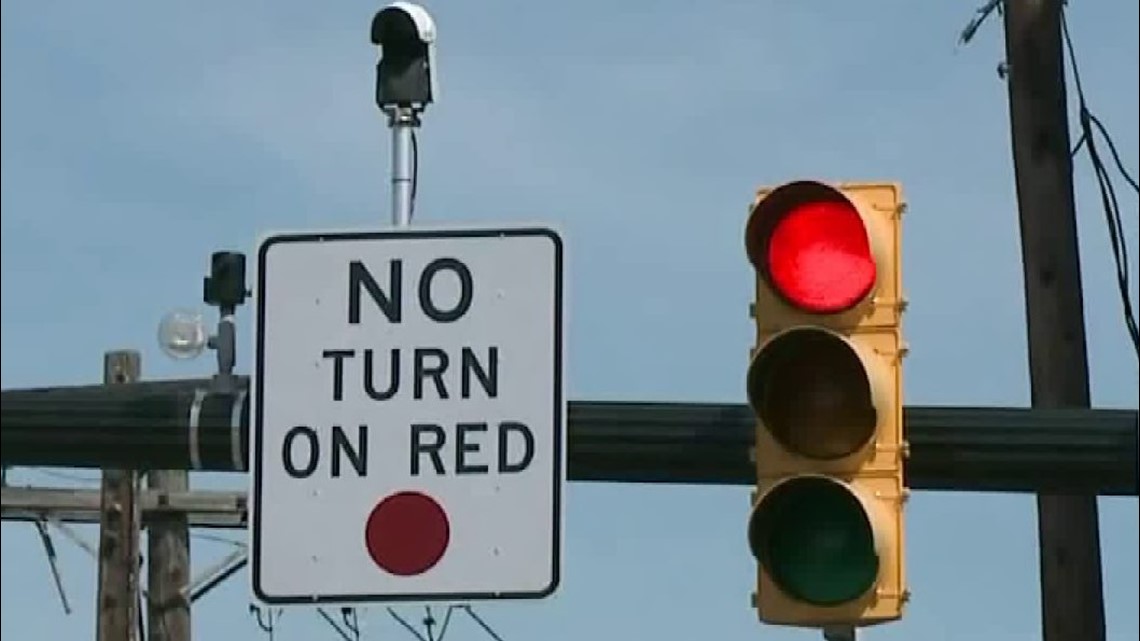
The primary objective behind deploying no-turn-on-red cameras is to improve road safety. Their presence serves a dual purpose:
- Deterrence: The visible presence of cameras, or even the knowledge that such systems are in operation, acts as a deterrent. Drivers are more likely to adhere to traffic laws when they understand that violations will be detected and penalized.
- Enforcement: For drivers who disregard the rules, the cameras provide a reliable method of enforcement. This helps to reduce instances of dangerous right turns on red, thereby minimizing the risk of collisions with other vehicles, pedestrians, and cyclists.
By ensuring that drivers come to a complete stop and only proceed when it is safe and permissible to turn right on red, these cameras contribute to a more predictable and secure traffic environment for all road users. The technology serves as a critical tool in modern traffic management, leveraging advanced capabilities to protect lives and prevent injuries on our roadways.
aViewFromTheCave is a participant in the Amazon Services LLC Associates Program, an affiliate advertising program designed to provide a means for sites to earn advertising fees by advertising and linking to Amazon.com. Amazon, the Amazon logo, AmazonSupply, and the AmazonSupply logo are trademarks of Amazon.com, Inc. or its affiliates. As an Amazon Associate we earn affiliate commissions from qualifying purchases.