
The human circulatory system, a marvel of biological engineering, often manifests its intricate network through visible veins, particularly on the skin’s surface. While commonly understood as simple conduits for blood flow, the visual characteristics of these veins – their color, prominence, and pattern – can sometimes pique our curiosity and lead to questions about their underlying meaning. When we observe what appear to be “green veins,” it’s crucial to understand that this perceived color is a phenomenon of light perception and anatomical depth, not a literal spectral hue of blood or vein tissue.

In the realm of technology, the understanding and interpretation of biological signals, including the visual cues from our vascular system, are undergoing a profound transformation. Advanced imaging techniques, AI-driven analysis, and sophisticated diagnostic tools are increasingly allowing us to peer deeper into the body’s complex systems and glean meaningful insights from what was once purely observational. This article explores what “green veins” signify from a technological perspective, delving into how innovation is enhancing our ability to analyze, monitor, and understand these vascular pathways.
The Optics and Anatomy Behind Perceived “Green Veins”
The perception of veins as “green” is a fascinating interplay of physics, biology, and human physiology. It’s not that blood itself turns green, but rather how light interacts with the skin, blood, and the venous structure. Technology plays a pivotal role in dissecting and clarifying these phenomena.
Light Scattering and Absorption in Biological Tissues
Our skin is a complex optical medium. When white light, which contains all colors of the visible spectrum, strikes the skin, it undergoes scattering and absorption. Red light, having a longer wavelength, penetrates deeper into the tissue than blue or green light. Conversely, blue and green light are scattered more near the surface. Blood, particularly deoxygenated blood, absorbs red light strongly.
The Role of Depth and Hemoglobin Concentration
Veins, by definition, carry deoxygenated blood (except for the pulmonary veins). The deoxygenated blood, rich in hemoglobin, appears dark red. When this dark red blood is viewed through layers of skin and subcutaneous tissue, a significant portion of the red light is absorbed. The shorter wavelengths – green and blue – are scattered back towards the observer’s eye more effectively. Furthermore, the depth at which a vein lies plays a critical role. Deeper veins, with more tissue above them, will appear bluer or greener due to greater light scattering and absorption. Very superficial veins might appear more reddish due to less light attenuation.
Technological Innovations in Optical Analysis
While the basic principles are understood, technology is now allowing for more precise quantification and analysis. Near-infrared spectroscopy (NIRS), for example, is a non-invasive technique that uses light in the near-infrared region of the electromagnetic spectrum to measure blood oxygenation and hemoglobin concentration. While typically used for deeper tissue analysis, the principles of light interaction with tissue are fundamental to understanding superficial vein appearance. Advanced imaging algorithms are also being developed that can analyze the spectral properties of light reflected from the skin to infer underlying tissue characteristics, including the depth and oxygenation state of superficial veins. This moves beyond subjective perception to objective data.
Technological Applications for Vascular Visualization and Analysis
The visual characteristics of veins, including their perceived color and prominence, are not merely aesthetic but can offer clues about the underlying physiology. Technology is transforming how we visualize, map, and analyze these vascular networks for diagnostic and therapeutic purposes.
Advanced Imaging for Vein Identification
Traditional methods for vein access, particularly in medical settings, have relied on palpation and direct visualization. However, technologies like vein finders have revolutionized this process. These devices utilize near-infrared light and sophisticated imaging sensors to detect the hemoglobin in blood. The technology projects a real-time map of the veins onto the skin’s surface, highlighting their location and extent. While these devices don’t specifically “color” veins green, they enhance their visibility by contrasting them against the surrounding tissue, often in a way that makes the darker, deoxygenated blood appear more prominent, thus indirectly addressing the visual phenomenon of “green” veins by making them easier to see.
Ultrasound and Doppler Imaging
High-resolution ultrasound, particularly with Doppler capabilities, provides an unparalleled non-invasive view of venous structures. This technology uses sound waves to create images of blood vessels and can assess blood flow direction and velocity. While not directly interpreting perceived “greenness,” ultrasound can reveal the size, depth, and patency of veins, offering crucial diagnostic information that might otherwise be inferred from superficial visual cues. For instance, the presence of superficial, distended veins (which might be perceived as having a greenish hue due to their depth and the surrounding tissue’s optical properties) could be investigated further with Doppler ultrasound to assess for conditions like venous insufficiency.

AI and Machine Learning in Vascular Pattern Recognition
The burgeoning field of artificial intelligence (AI) and machine learning (ML) is beginning to be applied to the analysis of biological imaging, including vascular patterns. AI algorithms can be trained on vast datasets of vein images to identify subtle patterns, anomalies, and potential indicators of underlying health conditions. While direct interpretation of “green veins” might be simplistic, AI could potentially correlate specific visual characteristics of superficial veins – including their perceived color, tortuosity, and clustering – with different physiological states or predispositions to certain conditions. This could range from identifying superficial thrombophlebitis to assessing venous circulation efficiency.
Implications for Health Monitoring and Diagnostics
The technological advancements in visualizing and analyzing vascular networks are not just academic exercises; they have direct implications for health monitoring, early diagnostics, and personalized treatment strategies.
Early Detection of Vascular Conditions
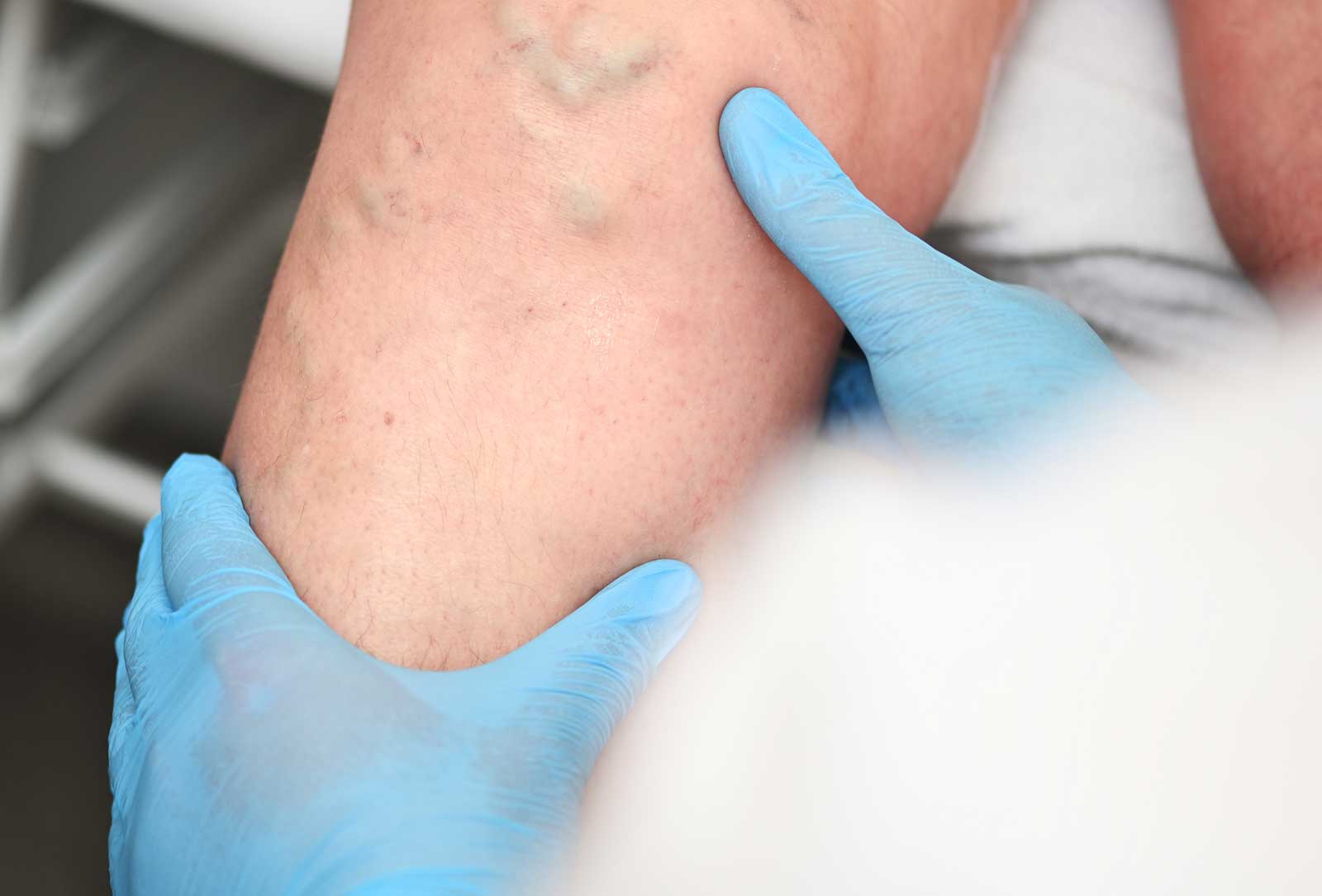
The appearance of veins can sometimes be an early indicator of underlying vascular health issues. For instance, prominent or distended superficial veins, which might exhibit the perceived “green” hue due to their depth and optical properties, could be a sign of conditions like venous insufficiency, varicose veins, or even increased venous pressure. Technologies that enhance vein visualization can aid healthcare professionals in identifying these changes more readily. AI-powered image analysis could potentially flag subtle visual cues that might be missed by the human eye, leading to earlier diagnosis and intervention.
Precision in Medical Procedures
In medical fields such as phlebotomy, intravenous line insertion, and sclerotherapy, accurate identification and mapping of veins are paramount. Vein finders, as mentioned earlier, significantly improve the success rate of these procedures, especially in patients with challenging venous access, such as the elderly or those undergoing chemotherapy. By making veins more visible and highlighting their course, these technologies reduce patient discomfort, minimize the risk of complications, and improve the efficiency of care. This is particularly relevant when dealing with veins that might otherwise be difficult to locate due to their depth, contributing to their “green” appearance.
Personalized Health Insights and Wearable Technology
The future holds the potential for integrated technologies that can continuously monitor vascular health. Imagine wearable devices that, alongside other vital signs, can analyze the visual characteristics of superficial veins over time. Using advanced optical sensors and AI, such devices could detect subtle changes in vein appearance that might indicate shifts in circulation, hydration levels, or even early signs of systemic diseases. While the direct meaning of “green veins” is rooted in physics, technology could enable a deeper understanding of what these visual manifestations truly represent in terms of an individual’s physiological state, offering personalized health insights beyond what is currently possible.
The Future of Vascular Technology: Beyond Perception
As technology continues to evolve, our understanding of the human body, including its intricate vascular system, will only deepen. The question of “what do green veins mean” will likely transition from a simple observational query to one that is answered through sophisticated data analysis and advanced diagnostic tools.
Enhanced Non-Invasive Monitoring
The trend is towards less invasive and more integrated diagnostic tools. We can expect further miniaturization of imaging technologies and more powerful AI algorithms capable of real-time analysis of superficial vascular networks. This could lead to ubiquitous health monitoring solutions that are integrated into everyday life, providing continuous feedback on vascular health.
Predictive Analytics for Vascular Health
Beyond just identifying existing conditions, future technologies will likely focus on predictive analytics. By analyzing a comprehensive set of data, including detailed vascular mapping, genetic predispositions, and lifestyle factors, AI systems could predict an individual’s risk of developing specific vascular diseases long before symptoms manifest. This proactive approach to healthcare, powered by advanced technology, has the potential to revolutionize preventive medicine.
Bridging the Gap Between Visual Cues and Physiological Meaning
Ultimately, technology’s role is to bridge the gap between observable phenomena, like the perceived color of veins, and their underlying physiological meaning. While “green veins” are a result of light physics and anatomy, technological advancements will allow us to quantify these observations, correlate them with blood flow dynamics, oxygenation levels, and tissue health, and translate this data into actionable health information. This sophisticated interpretation moves beyond subjective perception to objective, technologically driven insights into our body’s complex and vital circulatory system.
aViewFromTheCave is a participant in the Amazon Services LLC Associates Program, an affiliate advertising program designed to provide a means for sites to earn advertising fees by advertising and linking to Amazon.com. Amazon, the Amazon logo, AmazonSupply, and the AmazonSupply logo are trademarks of Amazon.com, Inc. or its affiliates. As an Amazon Associate we earn affiliate commissions from qualifying purchases.