
The allure of Disney princesses is undeniable. From Belle’s intellectual curiosity to Moana’s adventurous spirit, these iconic characters resonate deeply with audiences worldwide. But beyond their captivating stories and distinct visual aesthetics, there lies a powerful underlying message: the embodiment of specific brand archetypes. In the realm of branding and marketing, understanding these archetypes is not merely an academic exercise; it’s a strategic imperative. This article will explore how the visual and narrative elements of Disney princesses translate into recognizable brand archetypes, offering insights for businesses and individuals looking to define and strengthen their own brand identities.
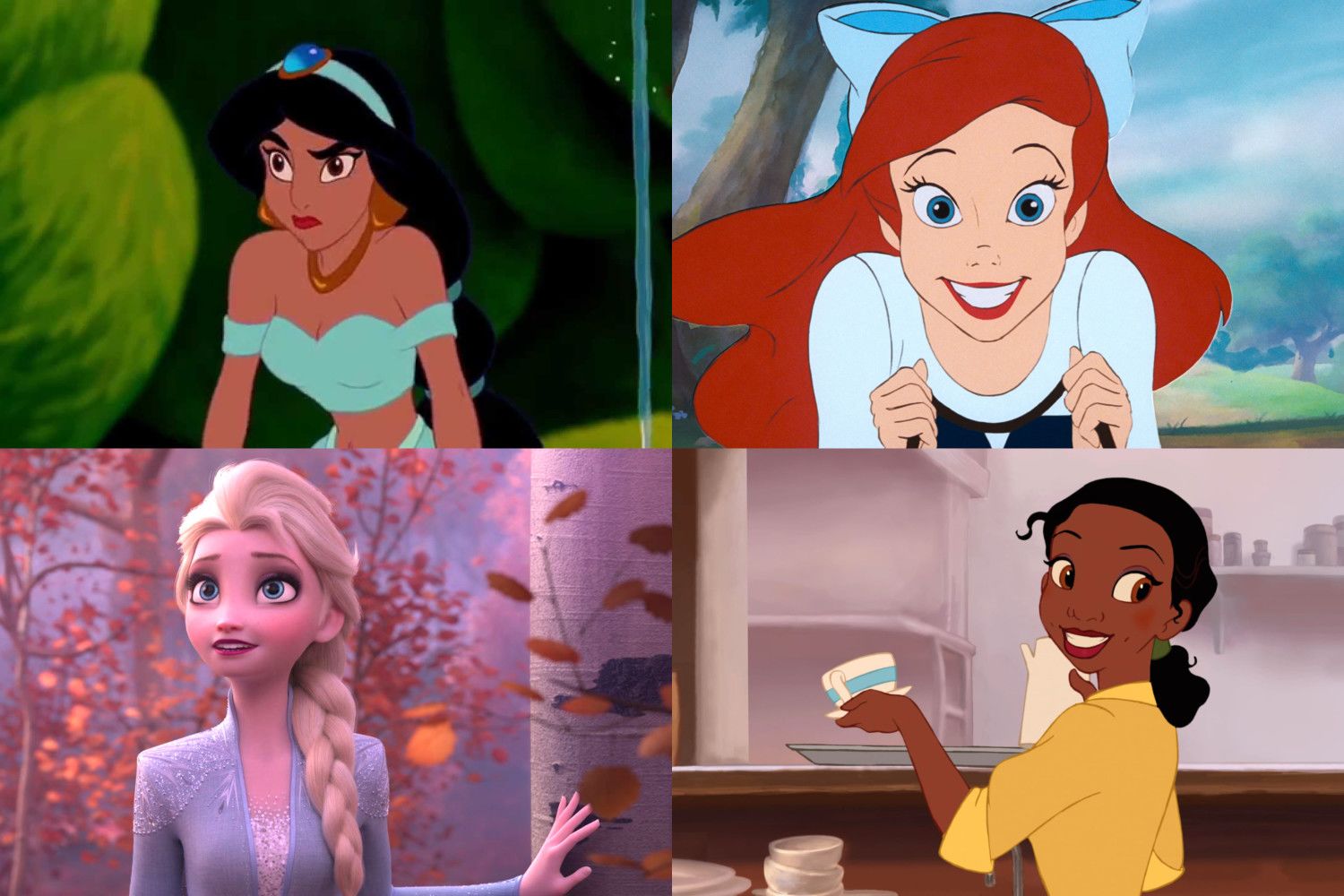
The Archetypal Framework: Understanding the Foundation of Brand Identity
Brand archetypes, as popularized by Carl Jung and later applied to marketing by Carol S. Pearson and Margaret Mark, are universal, primordial images and patterns of behavior that reside in the collective unconscious. They represent fundamental human motivations and desires, providing a powerful framework for understanding consumer behavior and building resonant brands. By aligning a brand with a specific archetype, businesses can create a consistent, authentic, and emotionally engaging experience that fosters deep connections with their target audience. Disney, with its masterful storytelling, has long understood and expertly leveraged these archetypes through its beloved princess characters. Each princess, through her appearance, personality, and journey, embodies a core archetype, offering a compelling case study for the power of archetypal branding.
The Heroine’s Journey as a Brand Narrative
At its core, the Disney princess narrative is a manifestation of the Heroine’s Journey, a variation of Joseph Campbell’s monomyth. This archetypal journey involves a protagonist who ventures into an unknown world, faces trials and tribulations, achieves a decisive victory, and returns with newfound wisdom or a boon for their community. For brands, this journey translates into a narrative arc that highlights challenges overcome, values upheld, and the ultimate positive impact created for customers. The visual cues and character traits associated with each princess serve as shorthand for these archetypal journeys, instantly communicating to the audience what the brand stands for and what kind of experience they can expect.
Visual Language as Archetypal Signifiers
The aesthetic choices made for each Disney princess are not arbitrary; they are deliberate visual signifiers that communicate their underlying archetypes. From the flowing gowns and tiaras of royalty to the practical attire of adventurers, these visual elements immediately clue audiences into the character’s essence and, by extension, the brand they represent. This meticulous attention to detail in costume design, color palettes, and overall presentation reinforces the archetypal message, creating a cohesive and memorable brand image. For instance, a princess adorned in armor signals a different archetype than one in a delicate ballgown, and brands can learn from this to communicate their core identity through their own visual branding.
Deconstructing the Princesses: Archetypal Personalities and Their Brand Equivalents
The diverse personalities and motivations of Disney princesses offer a rich tapestry of archetypal expressions. By dissecting their core traits and aligning them with established brand archetypes, we can glean valuable lessons for building a strong and differentiated brand. Each princess, in her own way, embodies a set of values, aspirations, and approaches to the world that are directly translatable into brand strategy.
The Innocent: Snow White and Aurora – Purity, Optimism, and Simplicity
The archetypal Innocent thrives on purity, optimism, and a deep-seated belief in goodness. Snow White and Aurora, with their gentle nature, inherent kindness, and unwavering hope, perfectly embody this archetype. Their stories often involve a journey from a state of sheltered innocence to one where they must confront adversity, ultimately relying on their inherent goodness and the kindness of others to triumph.
Brand Application: Brands embodying the Innocent archetype often focus on simplicity, honesty, and a nostalgic appeal. Think of brands that prioritize natural ingredients, ethical sourcing, or a sense of childlike wonder. Their marketing often evokes feelings of comfort, security, and uncomplicated joy. Examples might include brands of organic baby food, artisanal bakeries, or classic toy manufacturers. The visual branding is typically light, airy, and uses soft, pastel color palettes. The core message is about restoring faith in goodness and finding happiness in the simple things. For a brand, this translates to building trust through transparency and a commitment to unadulterated quality, fostering a sense of well-being and uncomplicated pleasure for their customers.
The Explorer: Pocahontas and Moana – Freedom, Adventure, and Self-Discovery

The Explorer archetype is driven by a thirst for freedom, adventure, and the pursuit of new horizons. Pocahontas, with her deep connection to nature and her courage to bridge two worlds, and Moana, who embarks on a perilous journey across the ocean to save her people, are prime examples. Their stories are about breaking boundaries, embracing the unknown, and discovering their true selves through exploration and challenging the status quo.
Brand Application: Brands that align with the Explorer archetype appeal to a sense of adventure, independence, and a desire to push boundaries. These brands often encourage personal growth, discovery, and a connection with the wider world. Outdoor gear companies, travel agencies, and educational platforms that foster curiosity and self-reliance can embody this archetype. Their marketing often features aspirational imagery of exploration, freedom, and the thrill of the unknown. The visual identity might be rugged, adventurous, and utilize earthy tones or vibrant colors that evoke the spirit of discovery. For businesses, this means empowering their customers to achieve their own goals, explore new possibilities, and connect with a sense of purpose beyond the everyday.
The Sage: Belle and Rapunzel – Knowledge, Wisdom, and Truth-Seeking
The Sage archetype is characterized by a pursuit of knowledge, wisdom, and truth. Belle, with her insatiable love for books and her ability to see beyond superficial appearances, and Rapunzel, who yearns for knowledge of the outside world, embody this archetype. Their journeys often involve overcoming ignorance, challenging prejudice, and seeking understanding through intellect and introspection.
Brand Application: Brands that resonate with the Sage archetype position themselves as sources of knowledge, expertise, and enlightenment. They appeal to a desire for understanding, critical thinking, and self-improvement. Educational institutions, consulting firms, and technology companies that offer innovative solutions can embody this archetype. Their marketing emphasizes intelligence, insight, and the power of information. Visually, these brands might opt for sophisticated, clean designs, often using blues and greys to convey trust and intelligence, or rich purples to signify wisdom. The core message is about empowering individuals with the knowledge and tools they need to navigate complexity and make informed decisions, fostering a sense of intellectual curiosity and personal growth.
Beyond the Surface: The Strategic Power of Archetypal Branding
The Disney princess model offers a compelling illustration of how effectively archetypes can be integrated into brand strategy. By consciously aligning with a specific archetype, businesses can achieve a multitude of strategic advantages, fostering deeper customer relationships and achieving sustainable growth. The visual and narrative elements are just the starting point; the true power lies in the consistent application of these archetypal principles across all brand touchpoints.
Consistency as a Cornerstone of Brand Recognition
The enduring appeal of Disney princesses lies in their consistent portrayal across various media. Their core personalities and visual identifiers remain constant, allowing audiences to form strong, predictable connections. Similarly, for brands, consistency is paramount. Whether it’s through marketing campaigns, customer service interactions, or product design, a consistent adherence to an archetypal identity ensures that the brand message is clear, memorable, and trustworthy. Inconsistency breeds confusion and erodes brand equity, whereas consistency builds familiarity and reinforces the brand’s core promise. This principle is directly observable in how audiences instantly recognize the archetypal essence of each Disney princess, demonstrating the power of consistent characterization.
Emotional Resonance and Customer Loyalty
Archetypes tap into universal human emotions and desires. When a brand effectively embodies an archetype, it creates an emotional connection with its audience that goes beyond mere transactional relationships. Customers begin to see themselves reflected in the brand’s values and aspirations, fostering a sense of loyalty and advocacy. The Disney princess archetypes, for example, inspire a range of emotions – from the comfort of the Innocent to the thrill of the Explorer – and brands that can tap into similar emotional territories are far more likely to build lasting connections. This emotional resonance is a critical driver of long-term customer loyalty and a key differentiator in a crowded marketplace.
Differentiation in a Competitive Landscape
In today’s saturated market, standing out is a significant challenge. Archetypal branding provides a powerful tool for differentiation. By clearly defining its archetype, a brand can carve out a unique position in the minds of consumers, distinguishing itself from competitors that may offer similar products or services but lack a distinct brand personality. The Disney princesses, each representing a distinct archetype, offer a clear illustration of this principle. Their unique archetypal identities allow them to occupy specific emotional and aspirational spaces, making them instantly recognizable and beloved. For businesses, this means moving beyond a purely functional offering and creating a brand that resonates on a deeper, more meaningful level, thereby securing a competitive edge.
In conclusion, the seemingly simple question of “what Disney princess you look like” opens a gateway to a profound understanding of brand archetypes. The visual and narrative elements of these beloved characters are not just for entertainment; they are masterclasses in brand identity. By deconstructing their archetypal foundations, businesses can learn to craft more authentic, resonant, and enduring brands, connecting with their audiences on an emotional level and achieving lasting success. Understanding your brand’s archetype is the first step in telling your unique story and building a legacy that captivates and inspires, much like the timeless tales of Disney princesses.
aViewFromTheCave is a participant in the Amazon Services LLC Associates Program, an affiliate advertising program designed to provide a means for sites to earn advertising fees by advertising and linking to Amazon.com. Amazon, the Amazon logo, AmazonSupply, and the AmazonSupply logo are trademarks of Amazon.com, Inc. or its affiliates. As an Amazon Associate we earn affiliate commissions from qualifying purchases.