
In an age where air quality, sanitization, and effective odor elimination are paramount concerns for both individuals and businesses, the ozone generator emerges as a powerful, albeit often misunderstood, technological solution. Far more than a simple air freshener, these devices harness the potent oxidizing power of ozone (O3) to tackle some of the toughest environmental challenges, from stubborn odors to microscopic pathogens. Understanding what an ozone generator does, how it works, its diverse applications, and the critical safety considerations is essential for anyone considering incorporating this technology into their home or business strategy.
This deep dive will explore the intricate workings of ozone generators, their impact across various sectors—from technology and branding to personal finance and business—and provide a comprehensive guide to their responsible and effective use.
The Technology Behind the Clean: How Ozone Generators Work
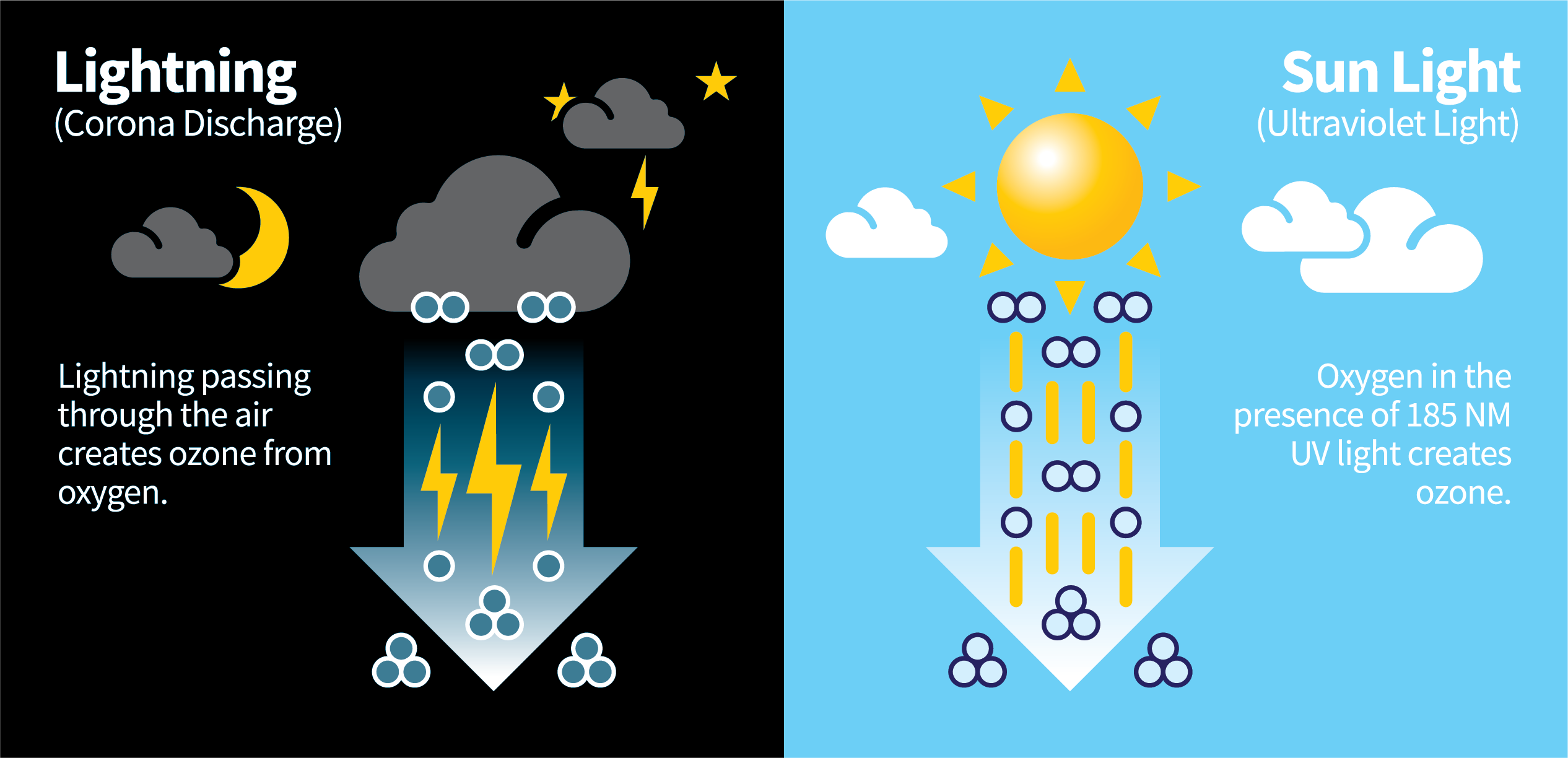
At its core, an ozone generator is a technological device designed to produce ozone gas (O3) by replicating natural processes. While lightning strikes and UV radiation from the sun naturally create ozone in the Earth’s atmosphere, these machines bring that capability indoors, transforming ordinary oxygen into a highly reactive and powerful cleansing agent.
From Oxygen to Ozone: The Science of O3 Production
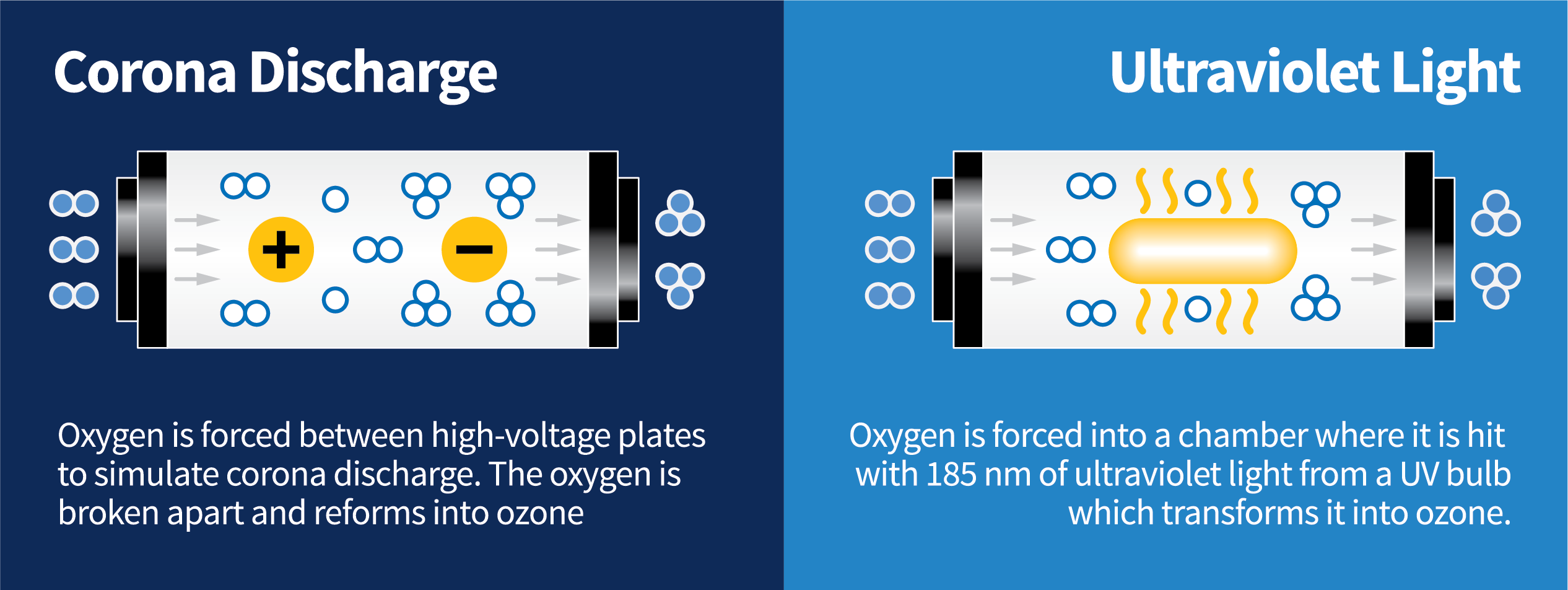
The fundamental principle behind an ozone generator is the conversion of stable diatomic oxygen (O2) into triatomic ozone (O3). This process requires a significant energy input to break the O2 molecules apart and then allow individual oxygen atoms to recombine with other O2 molecules. There are two primary technologies used to achieve this:
-
Corona Discharge (CD): This is the most common and often most effective method for producing ozone in commercial and industrial generators. A high-voltage electrical discharge, similar to a miniature lightning bolt, passes through a stream of oxygen. As the electricity arcs across a gap between electrodes, it splits the O2 molecules into single oxygen atoms (O). These free oxygen atoms are highly unstable and quickly seek to bond with other O2 molecules, forming O3. CD generators are typically robust and can produce significant quantities of ozone, making them suitable for heavy-duty applications like treating large spaces or persistent odors. The technology often involves ceramic plates or tubes, and the concentration of ozone produced can be regulated by controlling the voltage and oxygen flow.
-
Ultraviolet (UV) Light: Similar to how the sun’s UV rays create ozone in the stratosphere, some generators use specific wavelengths of UV light (typically 185 nanometers) to produce ozone. When O2 molecules are exposed to this particular UV frequency, they absorb the energy, causing them to dissociate into single oxygen atoms. These atoms then combine with other O2 molecules to form O3. UV generators generally produce lower concentrations of ozone compared to CD models and are often found in smaller, residential air purifiers or water treatment systems. While gentler, their effectiveness is limited for large-scale odor removal or sterilization tasks.
Regardless of the method, the process is controlled and self-contained, ensuring that the ozone is generated on-demand and within the confines of the device, ready to be dispersed into the target environment.
The Power of Oxidation: Why Ozone is Effective
Once generated, ozone doesn’t just sit there; it’s an incredibly reactive gas. This reactivity is precisely what makes it so effective as a sanitizer and deodorizer. Ozone is one of the most powerful oxidants known, second only to fluorine. When ozone comes into contact with organic or inorganic pollutants, it initiates an oxidation reaction.
In essence, the third oxygen atom in the O3 molecule is unstable and eager to detach itself to bond with other molecules. When it encounters a pollutant—be it a bacteria cell, a virus particle, a mold spore, or a volatile organic compound (VOC) responsible for an odor—it “attacks” that molecule.
- For odors: Ozone chemically alters the structure of odor-causing molecules. Instead of simply masking the smell, it breaks down the compounds that cause the odor into harmless, non-odorous substances like carbon dioxide, water, and oxygen. This is why ozone treatment is so effective against deep-seated odors from smoke, pets, mold, and chemical spills.
- For microorganisms: The powerful oxidative stress exerted by ozone disrupts the cellular structure of bacteria, viruses, fungi, and mold spores. It can damage their cell walls, membranes, and vital internal components, leading to their inactivation or destruction. This makes ozone a potent disinfectant capable of sterilizing surfaces and air, provided the correct concentration and exposure time are maintained.
This destructive power is a double-edged sword, however, as it necessitates careful handling and a thorough understanding of safe operating procedures, which we will explore later.
Applications and Benefits: Where Ozone Generators Shine
The unique capabilities of ozone generators have carved out niches across a wide spectrum of industries and applications. From professional remediation services to occasional home use, their ability to neutralize odors and sterilize environments offers distinct advantages.
Odor Elimination: Beyond Masking
One of the most celebrated and practical applications of ozone generators is their unparalleled ability to eliminate, rather than merely mask, pervasive odors. Unlike air fresheners that temporarily cover up smells with other fragrances, ozone tackles the root cause by chemically destroying the odor-causing molecules.
- Smoke Damage: This is perhaps the most famous application. After a fire, smoke particles and their pungent smell permeate every surface. Ozone generators are incredibly effective at neutralizing smoke odors in homes, vehicles, and commercial buildings, making spaces habitable again.
- Pet Odors: Persistent smells from pet urine, dander, or general “pet smell” can be deeply ingrained in carpets, upholstery, and walls. Ozone treatment can break down these organic compounds, restoring freshness.
- Mold and Mildew Odors: While ozone can kill mold spores and surface mold, its primary role in mold remediation is eliminating the musty, earthy odor that often accompanies infestations, especially after the physical mold has been removed.
- Chemical and VOC Odors: New construction, fresh paint, cleaning chemicals, or even off-gassing from new furniture can release VOCs that create unpleasant or even harmful indoor air quality. Ozone can help break down these compounds, though proper ventilation is always crucial.
- Automotive Detailing: Car detailers frequently use ozone generators to remove odors from used cars, tackling everything from cigarette smoke to spilled food, significantly enhancing resale value.
- Rental Properties: Landlords often employ ozone generators between tenants to refresh apartments and remove residual odors from previous occupants.
Sterilization and Disinfection: A Germicidal Solution
Beyond odors, ozone’s powerful oxidative properties make it a formidable agent against various microorganisms, contributing to a healthier and more hygienic environment.
- Bacteria and Viruses: Ozone can effectively inactivate a wide range of bacteria and viruses by damaging their cell walls, genetic material, and enzymatic systems. This capability is particularly valuable in settings where pathogen control is critical.
- Mold Spores and Fungi: By destroying mold spores, ozone helps to prevent their proliferation and reduces the risk of respiratory issues associated with mold exposure. While not a substitute for physical mold removal, it’s a powerful adjunct.
- Water Treatment: Industrial and municipal water treatment plants have long used ozone to disinfect water, removing pathogens and breaking down organic contaminants, often as an alternative or supplement to chlorine.
- Air Duct Cleaning: Post-cleaning, ozone treatment can help sanitize ductwork, eliminating any lingering microbial contaminants and odors.
Professional vs. Residential Use Cases
The application spectrum of ozone generators ranges from highly specialized industrial tasks to careful residential use.
- Professional Services: Fire and flood restoration companies, commercial cleaning services, hotel housekeeping, real estate agents, and car detailing businesses are frequent users. For these professionals, ozone generators are indispensable tools that save time, reduce reliance on harsh chemicals, and provide superior results, contributing directly to their brand’s reputation for quality service. Their use often involves high-output machines and strict safety protocols due to high ozone concentrations.
- Residential Use: Smaller, lower-output ozone generators are available for homeowners. These are typically used for occasional, targeted odor removal (e.g., after a party, for pet odors, or in damp basements). It is critical for residential users to understand that no living beings (humans, pets, plants) should be present during operation, and thorough ventilation is required afterward. The safety guidelines are paramount for home users, as improper use can lead to health hazards.
Navigating the Nuances: Safety, Concerns, and Best Practices

While the benefits of ozone generators are clear, their powerful nature necessitates a comprehensive understanding of their risks and the best practices for safe and effective operation. This section delves into the critical safety considerations, technological advancements, and the importance of responsible branding and user education.
The Double-Edged Sword: Understanding Ozone’s Risks
The very characteristic that makes ozone so effective—its potent oxidizing power—also makes it hazardous to living organisms. Ozone is a respiratory irritant and can be harmful to humans, pets, and plants if inhaled in sufficient concentrations over time.
- Health Hazards: Exposure to elevated levels of ozone can cause coughing, shortness of breath, chest pain, and throat irritation. It can exacerbate asthma and other respiratory conditions, and long-term exposure can lead to permanent lung damage.
- Material Degradation: In very high concentrations or with prolonged exposure, ozone can also degrade certain materials like rubber, plastics, and fabrics.
- Safe Operation is Key: This means ozone generators must always be used in unoccupied spaces. This is non-negotiable. After a treatment cycle, the area must be thoroughly ventilated (opening windows, using fans) to allow any residual ozone to break down back into oxygen before re-entry. The half-life of ozone in air varies depending on temperature, humidity, and the presence of pollutants, but it generally breaks down relatively quickly, usually within a few hours, though ventilation significantly speeds this up.
Understanding these risks is not meant to deter use but to emphasize the importance of following manufacturer guidelines and safety protocols meticulously.
Choosing the Right Device: Features and Smart Tech
Technological advancements have led to more sophisticated and user-friendly ozone generators. When selecting a device, whether for professional or personal use, several features and considerations are important:
- Ozone Output (mg/hr): This indicates how much ozone the generator produces per hour. Higher output is needed for larger spaces or more severe odor issues. Professionals typically require machines producing thousands of milligrams per hour, while residential units are much lower.
- Timers and Cycle Control: Essential for safe operation, built-in timers allow users to set specific treatment durations and ensure the machine shuts off automatically. Some advanced units offer programmable cycles or delayed starts.
- Safety Features: Overheat protection, sturdy construction, and clear warning labels are crucial.
- Portability: Many professional units are designed for easy transport between job sites.
- Durability and Maintenance: Look for units with robust components and easily replaceable ozone plates or UV lamps.
- Smart Features (Tech Integration): While not widespread, some modern ozone generators may incorporate connectivity (Wi-Fi, Bluetooth) allowing for remote operation via a smartphone app. This enhances convenience for professionals, enabling them to monitor and control units from a safe distance during treatment cycles. Integration with environmental sensors that can detect ozone levels (for post-treatment safety verification) or air quality monitors could represent future advancements in this field, moving towards more intelligent and secure operation.
Responsible Branding and User Education
Given the powerful nature of ozone and the inherent risks associated with its misuse, responsible branding and comprehensive user education are critical for manufacturers and service providers in this space.
- Clear and Concise Warnings: Packaging, manuals, and websites should prominently display warnings about ozone’s health hazards and the necessity of using it only in unoccupied spaces.
- Educational Content: Brands have a responsibility to provide accessible tutorials, FAQs, and safety guides. This empowers users to operate the technology safely and effectively, fostering trust and a positive brand reputation.
- Distinguishing Between Air Purifiers and Ozone Generators: It’s important for branding to clearly differentiate true ozone generators (designed for high-output, intermittent use in unoccupied spaces) from “air purifiers” that might produce very low, continuous levels of ozone. Reputable air purifiers should generally adhere to standards that minimize ozone output to safe ambient levels, focusing on filtration (HEPA, activated carbon) rather than ozone generation for continuous air cleaning. Brands that misleadingly market high-output ozone generators as continuous air purifiers for occupied spaces contribute to misinformation and danger.
- Certification and Standards: Adherence to relevant industry standards and safety certifications helps build consumer confidence and demonstrates a commitment to product quality and user safety.
The Financial Landscape: Investing in Ozone Generation
Beyond the technological and safety aspects, ozone generators also present compelling financial considerations, both as an investment for businesses and as a potential cost-saving tool for consumers. Their impact can be felt in ROI, new business opportunities, and evolving market trends.
Cost-Benefit Analysis: When Does it Make Sense?
The decision to acquire an ozone generator, particularly a professional-grade unit, often boils down to a clear cost-benefit analysis.
- Initial Investment: Prices for ozone generators vary widely. Small residential units might cost a few hundred dollars, while powerful commercial-grade machines can range from $500 to several thousand dollars. This initial outlay needs to be weighed against the potential savings and revenue generation.
- Operational Costs: These are generally low, primarily consisting of electricity consumption and the occasional replacement of ozone plates or UV lamps.
- Return on Investment (ROI) for Businesses:
- Increased Efficiency: For businesses like car detailers or restoration companies, ozone treatment can significantly reduce the time and effort spent on odor removal compared to traditional methods (e.g., extensive cleaning, masking agents). Faster turnaround times mean more jobs can be completed, directly impacting revenue.
- Enhanced Service Quality: Offering superior odor elimination can command higher prices and improve customer satisfaction, leading to repeat business and positive referrals. This directly supports brand reputation and market positioning.
- Reduced Chemical Costs: In some applications, ozone can reduce the reliance on expensive and sometimes hazardous chemical deodorizers and disinfectants.
- Property Value Enhancement: For real estate professionals or landlords, effectively neutralizing odors can make properties more appealing to buyers or renters, potentially increasing sale prices or reducing vacancy periods.
- Savings for Homeowners: While less direct, a homeowner might save money by performing occasional odor treatments themselves instead of hiring professional services for smoke, pet, or musty basement smells. However, the purchase cost versus the infrequent need for such treatments must be considered, and professional services often have access to more powerful and safely operated equipment.
Business Opportunities and Side Hustles
The effectiveness of ozone treatment has created viable business opportunities and side hustles for entrepreneurs.
- Ozone Treatment Services: Individuals or small businesses can specialize in offering ozone shock treatment for homes, vehicles, boats, and RVs. This can be a lucrative venture, especially in areas with high demand for odor remediation (e.g., rental markets, used car sales, flood/fire zones). Such a business requires not only the ozone generator but also knowledge of proper protocols, ventilation techniques, and strong client communication regarding safety.
- Rental Models: Some businesses offer ozone generators for rent, allowing individuals or other companies to use the equipment without the large upfront purchase cost. This creates an accessible way for occasional users to benefit from the technology.
- Complementary Services: Existing businesses (e.g., carpet cleaning, home inspection, pest control) can add ozone treatment as an upsell, expanding their service offerings and revenue streams. This diversifies their “money” channels.
Market Trends and Consumer Choices
The market for ozone generators is influenced by broader trends in health, wellness, and environmental consciousness.
- Growing Demand for Indoor Air Quality: Increased awareness of indoor air pollution and its health impacts drives interest in solutions like ozone generation for specific remediation tasks.
- DIY vs. Professional: Consumers often face a choice between purchasing a smaller unit for DIY use or hiring professionals. The “money” aspect comes into play here, with cost, convenience, and perceived effectiveness guiding the decision. Informed consumer choices are crucial, especially concerning safety.
- Regulatory Landscape: As ozone generation technology matures, there may be increasing regulatory oversight regarding device sales, safety standards, and advertising claims, especially concerning consumer units. Businesses operating in this space need to stay abreast of these changes to ensure compliance and maintain their brand reputation.
Conclusion
The ozone generator stands as a testament to humanity’s ongoing quest for cleaner, healthier, and more pleasant living and working environments. What does an ozone generator do? It converts ordinary oxygen into a powerful oxidizing agent that annihilates odors and sterilizes spaces by destroying the root cause of pollutants and microorganisms. This sophisticated piece of tech offers unparalleled effectiveness in remediation and sanitization.
However, its potency demands respect and understanding. Safe and effective operation hinges on strict adherence to protocols, primarily ensuring no living beings are present during treatment and thorough ventilation afterward. For brands operating in this sphere, responsible marketing, transparent safety information, and comprehensive user education are not just good practice—they are essential for building trust and ensuring the well-being of their customers.
From a money perspective, ozone generators represent a significant investment for businesses, promising substantial returns through enhanced service quality, increased efficiency, and new revenue streams. For consumers, they offer a powerful tool for maintaining a pristine home environment, potentially saving on professional cleaning services, provided they are used with utmost caution and knowledge.
In essence, an ozone generator is a powerful ally in the fight against stubborn odors and unseen pathogens, bridging the gap between advanced technology and practical, impactful solutions. When understood, respected, and utilized correctly, it provides a unique and effective approach to creating cleaner, fresher, and safer spaces, benefiting both our immediate surroundings and our broader financial landscapes.
aViewFromTheCave is a participant in the Amazon Services LLC Associates Program, an affiliate advertising program designed to provide a means for sites to earn advertising fees by advertising and linking to Amazon.com. Amazon, the Amazon logo, AmazonSupply, and the AmazonSupply logo are trademarks of Amazon.com, Inc. or its affiliates. As an Amazon Associate we earn affiliate commissions from qualifying purchases.