
In the realm of personal presentation and brand building, every detail contributes to the overall impression we project. While wardrobe choices and grooming habits are often the first considerations, a seemingly small detail like the shade of lipstick can have a surprisingly profound impact on how we are perceived, particularly concerning the perceived brightness of our smile. A radiant, white smile is universally associated with health, youth, and confidence – all invaluable assets in the construction of a strong personal brand. This exploration delves into the fascinating intersection of color theory, cosmetic science, and personal branding, uncovering precisely which lipstick hues can create the illusion of whiter teeth, thereby enhancing your overall aesthetic and the impact of your personal brand.

The Science of a Brighter Smile: Color Theory and Tooth Whiteness
The perception of tooth whiteness is not solely determined by the actual shade of your enamel. It’s also heavily influenced by the colors you surround it with, most notably the shade of your lipstick. This phenomenon is rooted in the principles of color theory, specifically the concept of contrast and complementary colors. Understanding these basic principles allows us to strategically choose lipstick shades that make our teeth appear more luminous.
Understanding Hue and Undertone
To effectively manipulate the perception of tooth color, we must first understand the fundamental components of color: hue and undertone. Hue refers to the pure color itself, such as red, blue, or yellow. Undertone, on the other hand, is the subtle nuance that lies beneath the surface hue. For teeth, the natural undertone often leans towards yellow or even greyish tones. Lipstick shades, with their diverse range of hues and undertones, can either accentuate these natural tones or counteract them.
Warm vs. Cool Undertones
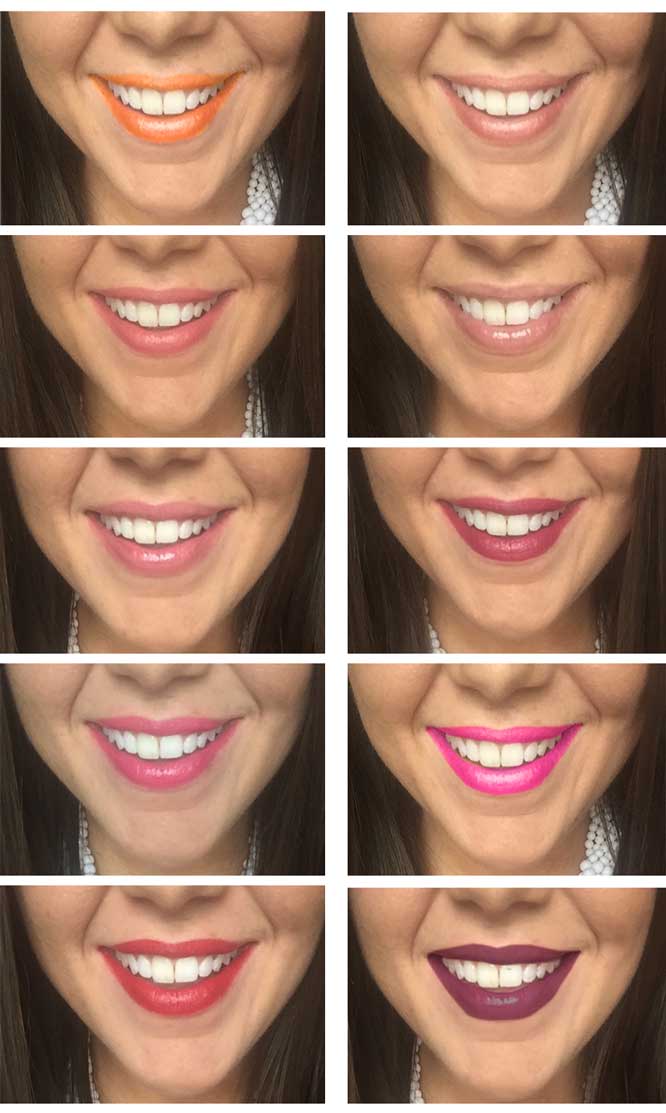
Lipsticks can be broadly categorized by their undertones: warm and cool. Warm-toned lipsticks typically have yellow, orange, or red undertones. Think of coral, peach, and brick red. Cool-toned lipsticks, conversely, possess blue, purple, or green undertones. Examples include fuchsia, berry shades, and true reds with a blue base. The interaction between the undertone of your lipstick and the undertone of your teeth is crucial. If your teeth have a yellowish undertone, a lipstick with a strong yellow or orange base will often make that yellowness appear more pronounced. Conversely, a lipstick with a blue or purple undertone can create a visual contrast that makes the teeth appear brighter by comparison.
The Power of Contrast: How Colors Interact
Color contrast is a powerful perceptual tool. When two colors are placed next to each other, they can influence each other’s appearance. For teeth, the goal is to create a contrast that makes them seem whiter.
Complementary and Near-Complementary Colors
While not strictly complementary in the traditional sense of a color wheel, certain color families create a starker contrast with the yellowish hues of teeth. Blue and purple shades are particularly effective. Imagine a deep blue-red lipstick; the blue undertone in the red directly counteracts the yellow in the teeth, making them pop as whiter. Similarly, shades with a strong violet or berry component can have a similar brightening effect. The key is to look for lipsticks that lean away from yellow and orange, and towards blue and purple.
Lipstick Shades That Enhance Tooth Whiteness: A Strategic Guide
Armed with an understanding of color theory, we can now identify specific lipstick shades that are most effective in making teeth appear whiter. This isn’t about achieving an unnatural brightness, but rather about employing strategic color choices to optimize your natural smile’s visual appeal, thereby strengthening your personal brand.
The Reign of Blue-Based Reds
When it comes to creating a whiter-looking smile, blue-based reds are often hailed as the ultimate champion. These are not your warm, orangey-reds, but rather true reds with a discernible blue undertone.
Berry and Fuchsia Tones
Beyond classic reds, the world of berry and fuchsia shades offers excellent alternatives. Deep berry tones, with their inherent purplish undertones, are exceptionally good at camouflaging any yellowness in the teeth. These shades exude sophistication and can add a touch of drama, making them ideal for occasions where you want to make a bold and polished statement. Fuchsia, particularly those with a cooler, bluer edge, can also create a striking contrast. These vibrant hues communicate confidence and a vivacious personality, contributing positively to your personal brand.
The “Nude” Illusion: Finding the Right Neutral
While bold colors can create dramatic contrast, finding the right nude lipstick can also subtly enhance the perceived whiteness of your teeth, particularly for everyday wear and a more understated brand presence. The challenge with nudes is that many can inadvertently make teeth appear duller.
Avoiding Orangey and Yellow Nudes
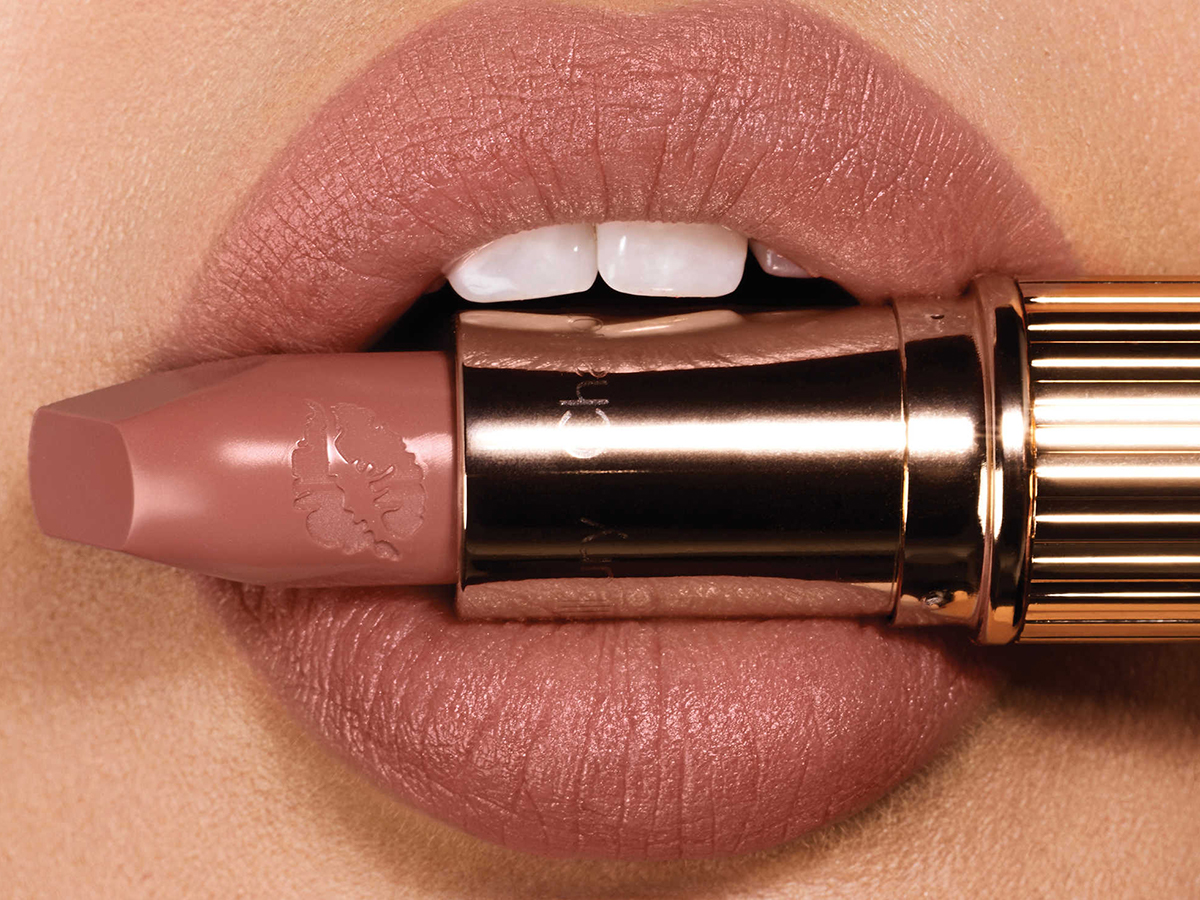
The cardinal rule when selecting a nude lipstick for brighter-looking teeth is to steer clear of shades with strong orange or yellow undertones. These will inevitably bring out the natural yellow in your teeth. Instead, opt for nudes that have a subtle pink or mauve undertone. These cooler neutrals can create a softening effect without clashing with your tooth color. A perfectly chosen nude lipstick communicates elegance, approachability, and a refined sense of style.
The Pitfalls: Colors to Approach with Caution
Just as certain colors enhance the appearance of whiteness, others can unfortunately do the opposite, making teeth look more yellow or discolored. Being aware of these shades is as important as knowing which ones to embrace.
Orange, Peach, and Warm Pinks
Lipsticks with prominent orange, peach, or strong yellow undertones are the primary culprits that can make teeth appear dingier. These shades share too much in common with the natural undertones of teeth, leading to an amplification of any existing yellowness. This is especially true for coral shades and lipsticks that resemble the color of a ripe apricot. Similarly, warm pinks, such as bubblegum pink or shades with a strong coral-pink base, can also be problematic. These colors, while sometimes attractive on their own, will often do your smile no favors.
Beyond Lipstick: Complementary Practices for a Brighter Smile
While the strategic application of lipstick is a powerful tool for enhancing tooth whiteness, it’s essential to remember that it’s part of a larger picture. A truly impactful personal brand relies on a genuine sense of well-being and confident presentation, which includes good oral hygiene.
Oral Hygiene as the Foundation
The most effective way to achieve a naturally brighter smile is through consistent and diligent oral hygiene practices. Regular brushing with fluoride toothpaste, flossing daily, and periodic dental check-ups and cleanings are paramount. These habits not only contribute to overall health but also remove surface stains that can dull your enamel. A healthy mouth is the best canvas for any lipstick choice.
Professional Whitening and At-Home Treatments
For those seeking a more dramatic improvement, professional teeth whitening treatments offered by dentists are highly effective. Over-the-counter whitening products, such as whitening strips and toothpastes, can also provide noticeable results. However, it’s crucial to follow product instructions carefully and consult with your dentist before embarking on any intensive whitening regimen to avoid potential tooth sensitivity or damage. A genuinely bright smile, built on a foundation of good health, will always be the most compelling aspect of your personal brand.
The Role of Diet and Lifestyle
Certain foods and beverages can stain teeth over time, diminishing their natural brightness. Coffee, tea, red wine, and dark-colored fruits are known culprits. Being mindful of your consumption of these items and rinsing your mouth with water after consuming them can help mitigate staining. Lifestyle factors, such as smoking, also significantly impact tooth color and overall oral health. Prioritizing a diet that supports oral health and making conscious lifestyle choices are integral to maintaining a radiant smile.
Crafting Your Personal Brand: The Lipstick Advantage
In conclusion, the choice of lipstick color is far more than a simple aesthetic decision; it’s a strategic element in crafting and refining your personal brand. By understanding the principles of color theory and their impact on the perception of tooth whiteness, you can make informed choices that enhance your smile, boost your confidence, and project an image of polish and sophistication.
Building Confidence Through Strategic Choices
A brighter-looking smile often translates to increased self-assurance. When you feel good about how your smile looks, you are more likely to smile freely and engage with others more openly. This newfound confidence can be a powerful driver in networking, public speaking, and building meaningful professional relationships. Your lipstick choice becomes a subtle but effective tool in projecting an approachable, vibrant, and professional persona.
The Subtle Art of Impression Management
The world of personal branding is, in essence, the art of impression management. Every element, from your attire to your demeanor, contributes to the narrative you present. Choosing lipstick shades that make your teeth appear whiter is a sophisticated tactic that subtly communicates attention to detail, an understanding of presentation, and a desire to project your best self. It’s a testament to the power of small details in creating a lasting and positive impression. By mastering the art of lipstick selection for a brighter smile, you are not just enhancing your appearance; you are actively investing in the strength and impact of your personal brand.
aViewFromTheCave is a participant in the Amazon Services LLC Associates Program, an affiliate advertising program designed to provide a means for sites to earn advertising fees by advertising and linking to Amazon.com. Amazon, the Amazon logo, AmazonSupply, and the AmazonSupply logo are trademarks of Amazon.com, Inc. or its affiliates. As an Amazon Associate we earn affiliate commissions from qualifying purchases.