
Upgrading your car’s audio system is one of the most satisfying and impactful modifications you can make, transforming mundane commutes into immersive sonic experiences. However, the journey to better sound begins with a crucial question: what car speakers actually fit my car? This seemingly simple inquiry opens a Pandora’s Box of technical specifications, vehicle designs, and compatibility nuances. Far from being a mere cosmetic change, selecting the right speakers is a foundational step in achieving the audio fidelity you desire, directly impacting sound quality, installation ease, and even the longevity of your audio investment. This article will delve into the technical intricacies of car speaker fitment, providing you with the knowledge to navigate the marketplace and make informed decisions.
The modern automotive landscape is a complex tapestry of diverse vehicle architectures, each with its own unique challenges and opportunities when it comes to audio integration. From compact sedans to rugged SUVs and performance-oriented coupes, the available space, mounting points, and electrical considerations for speaker installation vary dramatically. Understanding these differences is paramount. This guide will equip you with the technical know-how to confidently identify compatible speaker sizes, understand mounting depths, and decipher the electrical requirements that ensure your new speakers not only fit physically but also integrate seamlessly with your existing or upgraded audio system.
Understanding Speaker Dimensions and Fitment
The most immediate and apparent aspect of speaker compatibility lies in its physical dimensions. Car manufacturers design speaker openings with specific shapes and sizes in mind, and failing to account for these can lead to significant installation headaches, or worse, damage to your vehicle or new components.
Speaker Size: The Foundation of Fitment
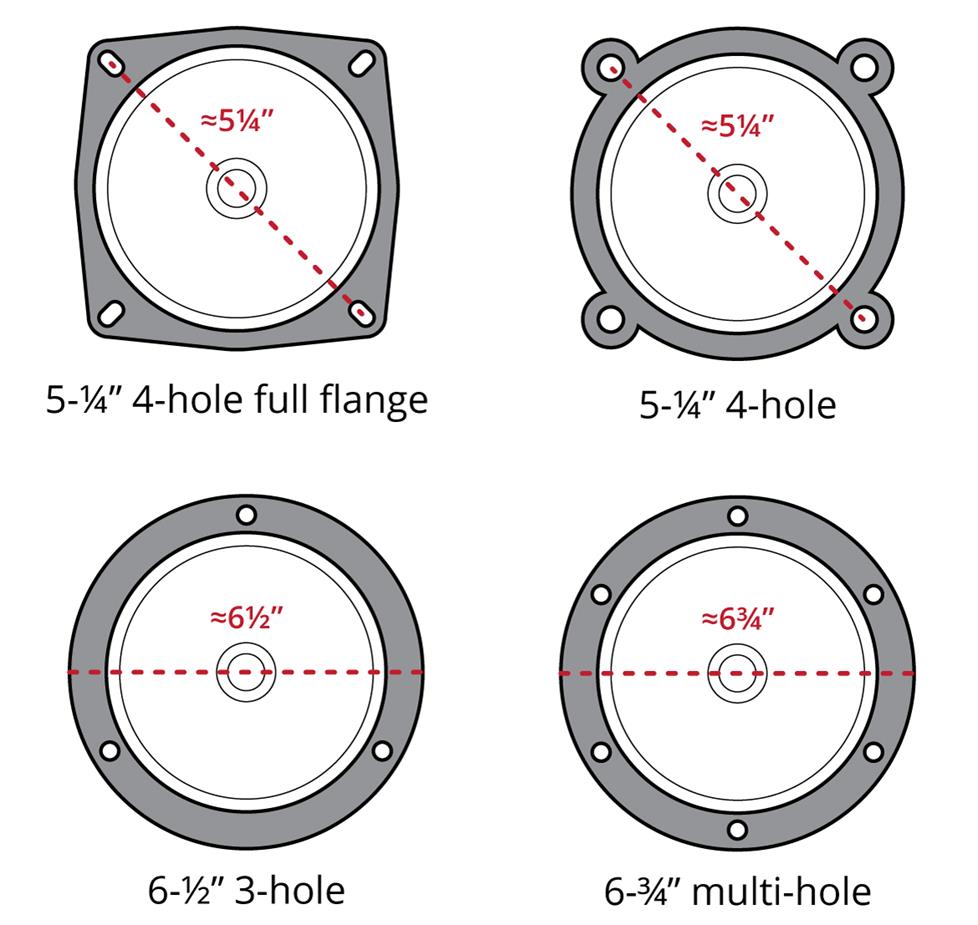
Car speakers are primarily categorized by their diameter, typically measured in inches. The most common speaker sizes found in vehicles are:
- 3.5-inch (often referred to as “tweeters” or “dash speakers”): These are typically found in the dashboard or sometimes in the rear deck, primarily responsible for reproducing higher frequencies.
- 4-inch: Less common as primary door speakers, but sometimes found in smaller vehicles or as secondary speakers.
- 5.25-inch: A very common size for front and rear door speakers in many sedans and coupes.
- 6.5-inch: Arguably the most prevalent speaker size, found in the doors of a vast majority of vehicles, from compact cars to larger sedans and SUVs.
- 6×9-inch (Ovals): These larger, oval-shaped speakers are often found in the rear deck of sedans or in the doors of some trucks and SUVs. Their larger surface area allows for more bass response.
It’s crucial to understand that “speaker size” often refers to the cone diameter, not the overall outer dimension of the speaker basket or mounting flange. A “6.5-inch” speaker, for instance, will have an outer diameter that is larger than 6.5 inches to accommodate the mounting points and basket.
Mounting Depth: A Critical Constraint
Beyond the diameter, mounting depth is a critical factor. This refers to the vertical distance from the mounting surface (where the speaker attaches) to the deepest point of the speaker assembly, including magnets, wiring, and any protective grilles. Cars have limited clearance behind the speaker openings, and exceeding this can result in the speaker’s rear colliding with window mechanisms, door beams, or other internal components.
- Measuring is Key: The best way to determine the maximum allowable mounting depth is to measure the existing space or consult vehicle-specific fitment guides. You can often remove the existing speaker to measure the depth available, ensuring you account for any obstructions.
- Aftermarket Adapters: In some cases, shallow-mount speakers or specialized adapter rings can be employed to overcome depth limitations.
Speaker Shape and Mounting Pattern
While diameter and depth are paramount, the shape and mounting hole pattern of the speaker also matter. Most car speakers adhere to standard bolt patterns, but variations can exist, particularly with older or more specialized vehicles.
- Round Speakers: The vast majority of car speakers are round.
- Oval Speakers: 6×9-inch speakers are the most common oval type.
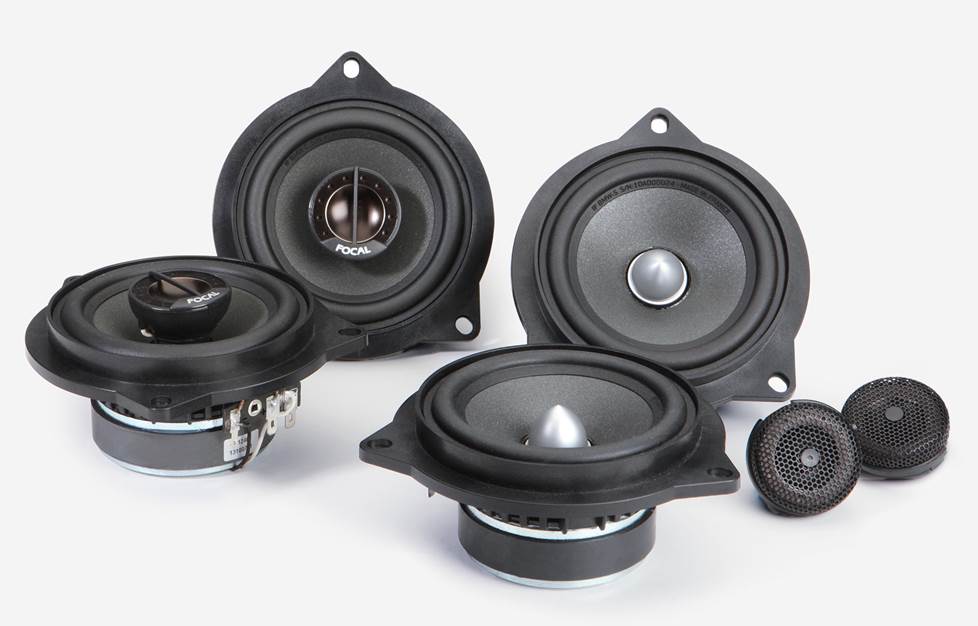
- Component vs. Coaxial: Understanding the difference is key. Coaxial speakers have the tweeter mounted in front of the woofer, making them a single unit. Component speakers separate the woofer, tweeter, and crossover into distinct units, offering more flexibility in placement but potentially requiring more complex installation. The physical size of the woofer in a component set will still need to fit the primary opening, while the tweeter can be mounted elsewhere.
Navigating Vehicle-Specific Fitment Tools and Resources
Fortunately, you don’t have to be an automotive engineer to figure out what speakers fit your car. A wealth of online resources and tools are available to simplify this process.
Online Fitment Guides and Databases
Many reputable car audio retailers and manufacturers maintain extensive databases of vehicle fitment information. These tools allow you to input your vehicle’s year, make, and model, and they will then display a list of compatible speaker sizes and types for each location in your car.

- How They Work: These databases are meticulously compiled, often by cross-referencing OEM specifications with aftermarket speaker dimensions. They typically account for common speaker sizes and sometimes even specific mounting brackets required for certain vehicles.
- Accuracy is Crucial: While generally accurate, it’s always wise to cross-reference information from multiple sources if possible, especially for less common vehicles.
Manufacturer Websites and Spec Sheets
When you’re considering a specific speaker model, always check the manufacturer’s product page and the official specifications sheet. This document will provide detailed dimensions, including:
- Overall Diameter: The absolute maximum diameter of the speaker.
- Mounting Diameter: The diameter of the hole the speaker needs to fit into.
- Mounting Depth: The critical depth measurement mentioned earlier.
- Cutout Diameter: The diameter of the opening needed for installation.
Vehicle Owner’s Manuals and Forums
Your car’s owner’s manual might offer some insights into speaker sizes, though this is not always the case, especially for aftermarket upgrades. Automotive forums dedicated to your specific make and model can be an invaluable resource. Enthusiasts often share their experiences with speaker upgrades, including successful installations and any challenges they encountered.
- Peer-to-Peer Knowledge: Forum members can offer practical advice, photos of installations, and recommendations for specific speaker brands and models that fit their vehicles well.
Beyond Size: Electrical Compatibility and Installation Considerations
While getting the physical dimensions right is the first hurdle, ensuring your new speakers work harmoniously with your car’s electrical system is equally important.
Impedance: Matching Your Amplifier
Speakers have an electrical characteristic called impedance, measured in ohms (Ω). The impedance of your speakers needs to be compatible with the impedance rating of your car’s factory stereo or any aftermarket amplifier you are using.
- Common Car Audio Impedance: Most car speakers are designed for a 4-ohm impedance. Some factory systems may be designed for 2 ohms, and some high-performance aftermarket amplifiers can handle 1 or 2 ohms.
- Mismatching Risks: Connecting speakers with an impedance lower than what your amplifier is designed for can cause the amplifier to overheat and potentially fail due to drawing too much current. Connecting speakers with a higher impedance than designed for might result in lower volume output.
- Checking Your System: Consult your car stereo or amplifier’s manual for its impedance rating. Most aftermarket speakers will clearly state their impedance on the packaging or product description.
Power Handling (Wattage): A Balanced Equation
Speakers are rated for power handling, usually expressed in RMS (Root Mean Square) wattage and peak wattage.
- RMS Wattage: This indicates the continuous amount of power the speaker can handle without damage. It’s a more reliable indicator of a speaker’s true power capability.
- Peak Wattage: This is the maximum power the speaker can withstand for very short bursts.
- Matching to Your Head Unit/Amplifier: Your car’s factory head unit (stereo) typically outputs a relatively low wattage per channel (e.g., 15-20 watts RMS). If you’re only replacing speakers with the factory head unit, look for speakers with RMS power handling that matches or is slightly lower than your head unit’s output to avoid distortion and potential damage. If you are installing an aftermarket amplifier, you’ll want speakers that can handle the amplifier’s output power.
- Underpowering vs. Overpowering: While overpowering can damage speakers, consistently underpowering them with a high-wattage amplifier can also lead to distortion, which can be more damaging than clean power.
Wiring and Connections: The Signal Path
The way speakers are wired into your car’s system is another technical consideration.
- Factory Wiring: Many cars use proprietary wiring connectors that may not directly match standard aftermarket speaker terminals. You might need adapter harnesses to connect aftermarket speakers without cutting and splicing factory wires, which can preserve your vehicle’s warranty and simplify future changes.
- Polarity: Speakers have positive (+) and negative (-) terminals. Connecting them with the correct polarity is crucial for proper phase and sound quality. Reversing polarity on one speaker in a pair will cause it to play out of phase with the other, leading to a weak and muddy sound, particularly in the bass frequencies. Most aftermarket speakers have clearly marked terminals.
- Aftermarket Amplifiers: If you’re installing an aftermarket amplifier, you’ll be running new speaker wire from the amplifier to each speaker location. This requires careful routing and secure connections.
By understanding these technical aspects of speaker dimensions, fitment, and electrical compatibility, you can confidently embark on your car audio upgrade journey. The goal is to find speakers that not only fit physically but also integrate seamlessly with your vehicle’s audio infrastructure, delivering the superior sound experience you’ve been seeking.
aViewFromTheCave is a participant in the Amazon Services LLC Associates Program, an affiliate advertising program designed to provide a means for sites to earn advertising fees by advertising and linking to Amazon.com. Amazon, the Amazon logo, AmazonSupply, and the AmazonSupply logo are trademarks of Amazon.com, Inc. or its affiliates. As an Amazon Associate we earn affiliate commissions from qualifying purchases.