
In the complex and often intricate world of real estate, the term “entitlement” can carry significant weight, impacting everything from development potential to property value. While seemingly straightforward, understanding entitlements is crucial for investors, developers, landowners, and even buyers and sellers. At its core, a real estate entitlement refers to the legal rights granted to a property owner to use, develop, and occupy their land. These rights are not absolute and are subject to a vast array of local, state, and federal regulations, zoning ordinances, and land-use plans. Essentially, entitlements are the permissions and authorizations that allow a property owner to proceed with their intended use or development of a parcel of land. Without the necessary entitlements, a seemingly valuable piece of land might be severely restricted in its utility and economic potential, making the acquisition and management of these rights a cornerstone of successful real estate ventures.

The Foundation of Real Estate Development: Understanding Zoning and Land Use Regulations
The most fundamental aspect of real estate entitlements lies in the regulatory framework governing how land can be used. Zoning ordinances, enacted by local governments, are the primary tool for controlling this. They divide municipalities into districts, each with specific regulations regarding the types of activities permitted, building heights, density, setbacks, and aesthetic standards. Understanding these regulations is paramount before any significant investment or development is contemplated.
Zoning Classifications and Their Implications
Zoning classifications are diverse and often highly specific. Common examples include:
Residential Zoning
Residential zones are dedicated to housing. These can be further broken down into single-family detached homes (R1), multi-family dwellings like duplexes and apartments (R2, R3, R4, etc.), or even mobile home parks. Each classification comes with its own set of restrictions on density (number of units per acre), lot size, building setbacks from property lines, and parking requirements. For instance, a property zoned R1 will not permit the construction of an apartment building, significantly limiting development potential. Conversely, a property zoned for commercial use might allow for retail or office space, but not residential housing. Understanding the current zoning of a property is the first step in determining its development potential and, therefore, its entitlement status.
Commercial Zoning
Commercial zones are designed to accommodate businesses. This can encompass a wide range of uses, from small retail shops and restaurants (C1, C2) to larger office buildings, hotels, and mixed-use developments (C3, C4). Commercial zoning often has specific requirements related to signage, building design, and accessibility, aiming to create vibrant and functional business districts. The type of commercial zoning will dictate the scale and nature of businesses that can operate on the property.
Industrial Zoning
Industrial zones are designated for manufacturing, warehousing, and other industrial activities. These areas are typically located away from residential and commercial zones to mitigate noise, pollution, and traffic impacts. Industrial zoning regulations often focus on the types of industries permitted, environmental controls, and transportation access.
Agricultural Zoning
Agricultural zoning is intended to preserve land for farming and related agricultural activities. These zones typically have larger minimum lot sizes and strict limitations on non-agricultural development to protect farmland from urban sprawl.
Mixed-Use Zoning
Increasingly, municipalities are adopting mixed-use zoning ordinances, which allow for a combination of residential, commercial, and even light industrial uses within a single development or zoning district. This approach aims to create more walkable, vibrant communities where people can live, work, and shop in close proximity.
Land Use Plans and Comprehensive Planning
Beyond individual zoning ordinances, comprehensive land-use plans provide a broader vision for a municipality’s future development. These plans guide zoning decisions, identify areas for future growth, and outline strategies for infrastructure development, open space preservation, and environmental protection. A property’s alignment with the comprehensive plan can significantly influence the likelihood of obtaining entitlements for a particular development. Developers often need to demonstrate how their proposed project aligns with the community’s long-term vision to gain approval.
Navigating the Approval Process: Permits, Variances, and Special Use Authorizations
Obtaining entitlements often involves a bureaucratic but essential process of securing various permits and, in some cases, seeking exceptions to existing regulations. This is where the practical application of zoning and land-use laws comes into play, requiring careful planning, negotiation, and adherence to established procedures.
Building Permits and Certificates of Occupancy
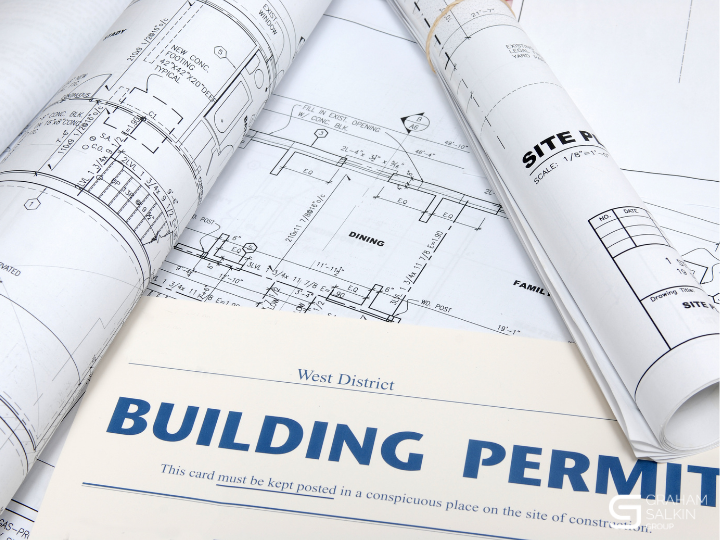
The most common entitlements required for any construction or renovation project are building permits. These permits ensure that the proposed construction meets building codes, safety standards, and zoning requirements. Once construction is complete and has passed inspections, a Certificate of Occupancy is issued, legally allowing the building to be inhabited or used for its intended purpose. Without a Certificate of Occupancy, a property cannot be legally occupied or operated, rendering it essentially unusable.
Variances and Special Exceptions
Sometimes, a proposed development or use might not perfectly align with existing zoning ordinances. In such cases, property owners may seek a variance or a special exception.
Variances
A variance is an administrative or judicial order that grants a property owner an exception to the literal terms of a zoning ordinance when strict compliance would cause unnecessary hardship or practical difficulties. Variances are typically granted only when the property owner can demonstrate that the hardship is unique to their property and not a result of their own actions, and that granting the variance will not be detrimental to the public welfare or the surrounding neighborhood. There are two main types of variances: use variances (allowing a use not permitted in the zone) and area variances (allowing deviation from dimensional requirements like setbacks or lot coverage).
Special Use Permits (or Conditional Use Permits)
A special use permit (also known as a conditional use permit) allows for a use that is not automatically permitted in a particular zoning district but may be allowed if it meets certain conditions designed to protect the public interest and mitigate potential negative impacts. Examples might include a church in a residential zone or a drive-through restaurant in a commercial zone. The approval process for a special use permit often involves public hearings and a thorough review by planning officials to ensure the proposed use is compatible with the surrounding area and adheres to specific conditions.
Subdivisions and Site Plan Approvals
For properties intended for development into multiple parcels or for larger commercial or residential projects, subdivision approvals and site plan reviews are critical entitlements.
Subdivision Approvals
Subdivision approval is the process by which a landowner can divide a larger parcel of land into smaller lots. This process typically involves submitting a detailed subdivision plat that outlines lot lines, street layouts, easements for utilities, and open spaces. Local governments review these plans to ensure they comply with subdivision regulations, which often address infrastructure requirements (roads, water, sewer), lot sizes, and environmental considerations.
Site Plan Review
Site plan review is required for most new commercial, industrial, and multi-family residential developments. This process involves submitting a detailed drawing of the proposed project, showing the location of buildings, parking areas, landscaping, driveways, utilities, and other site features. Planning commissions and design review boards assess the site plan to ensure it meets zoning requirements, promotes good design, minimizes environmental impacts, and integrates well with the surrounding community.
The Economic Significance of Entitlements
Entitlements are not merely bureaucratic hurdles; they are fundamental drivers of real estate value and investment potential. The ability to develop a property in a particular way, or to achieve a certain density, directly correlates with its market value and the return on investment for developers.
Entitlements as a Source of Value Creation
The entitlement process itself can significantly increase the value of raw land. A piece of undeveloped land that is zoned for agricultural use, for instance, will have a much lower market value than the same parcel that has been successfully rezoned for high-density residential development. The “entitlement premium” represents the added value derived from the legal permission to develop the land to its highest and best use, as permitted by zoning and land-use regulations. Developers often invest considerable time and resources into securing the necessary entitlements, knowing that this investment can unlock substantial profit potential.
The Role of Due Diligence in Entitlement Acquisition
Thorough due diligence is absolutely critical when considering any real estate transaction, especially for investors and developers. This involves meticulously researching the existing entitlements of a property, understanding the local zoning ordinances, reviewing the comprehensive land-use plan, and investigating any pending applications or proposed changes to regulations that could impact the property. Failure to conduct adequate due diligence regarding entitlements can lead to costly delays, unexpected expenses, or even the inability to proceed with a planned development.
Understanding Entitlement Risk
Entitlement risk refers to the uncertainty and potential for failure associated with obtaining the necessary approvals for a development project. This risk can arise from various factors, including opposition from community groups, changes in political leadership, unexpected environmental issues, or stringent regulatory requirements. Investors and developers must carefully assess and mitigate entitlement risk as part of their overall investment strategy.

Entitlement Trading and Consulting
In some specialized markets, there are even opportunities for entitlement trading or consulting. Experienced professionals and firms specialize in navigating the entitlement process on behalf of landowners or developers. They may assist in rezoning applications, obtaining variances, or securing permits, effectively leveraging their expertise to unlock the development potential of a property for a fee or a share of the profits. This highlights how crucial and valuable the knowledge and successful acquisition of entitlements can be.
In conclusion, entitlements in real estate are the legal permissions that govern how land can be used and developed. They are shaped by zoning ordinances, land-use plans, and a complex approval process involving various permits and authorizations. Understanding entitlements is not just about navigating regulations; it’s about unlocking the true economic potential of a property and is a fundamental element of sound real estate investment and development.
aViewFromTheCave is a participant in the Amazon Services LLC Associates Program, an affiliate advertising program designed to provide a means for sites to earn advertising fees by advertising and linking to Amazon.com. Amazon, the Amazon logo, AmazonSupply, and the AmazonSupply logo are trademarks of Amazon.com, Inc. or its affiliates. As an Amazon Associate we earn affiliate commissions from qualifying purchases.