
The pursuit of higher education is a multifaceted journey, often extending beyond the core curriculum required for a degree. Students are increasingly seeking ways to broaden their horizons, acquire specialized skills, and explore diverse interests without committing to lengthy, credit-heavy programs. This is where the concept of 1-unit courses, often categorized as electives or specialized modules, emerges as a valuable component of the college experience. Understanding what these courses entail, their benefits, and how to strategically incorporate them can significantly enhance a student’s academic and future professional trajectory.
Understanding the Nature and Scope of 1-Unit Courses
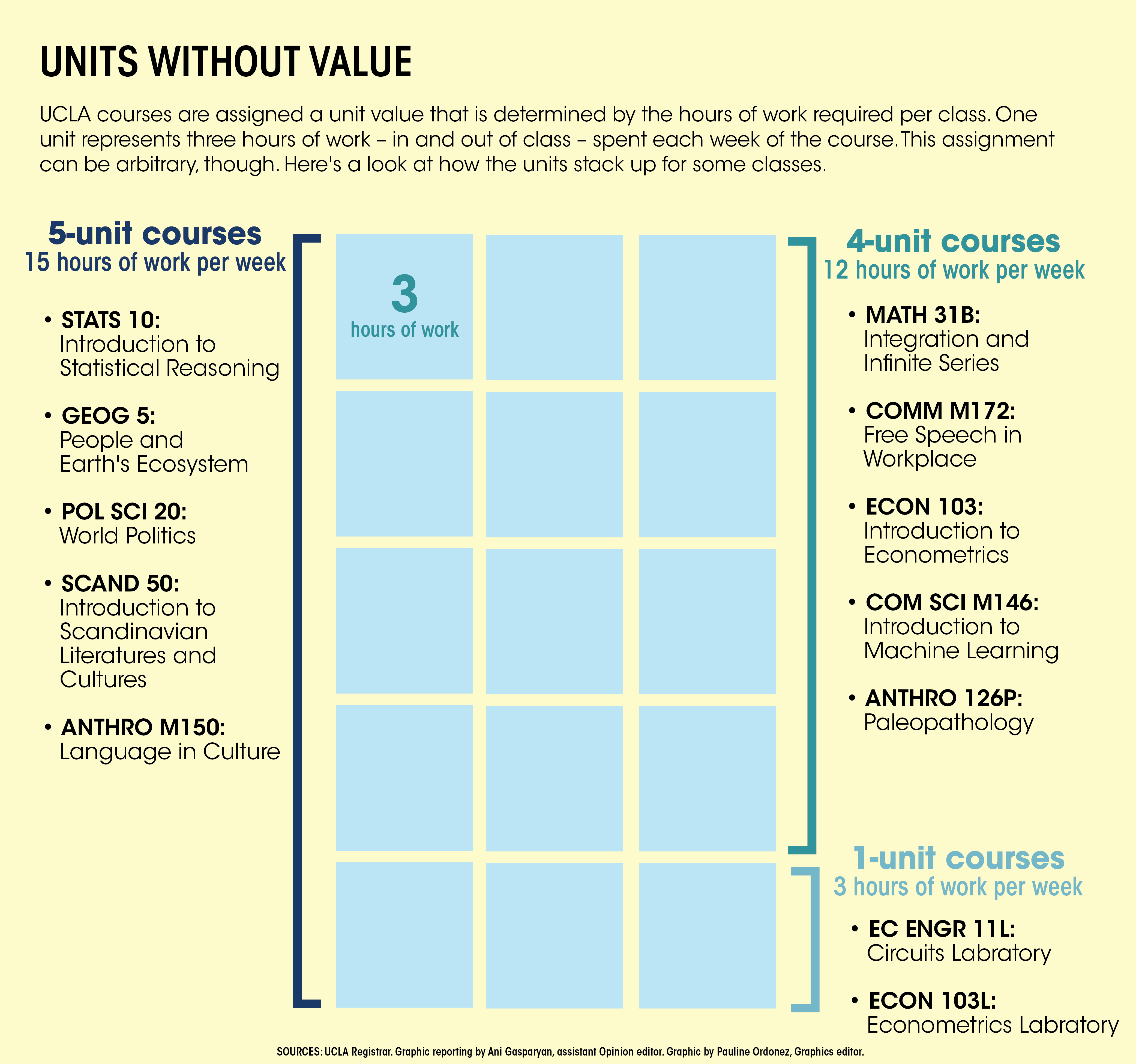
At its core, a 1-unit course is a structured academic offering that carries a minimal credit value, typically equivalent to a single credit hour. This distinction is crucial as it differentiates them from the standard 3- or 4-unit courses that form the backbone of most degree programs. The reduced credit load often translates into a more concentrated learning experience, focusing on specific skills, topics, or applications rather than comprehensive theoretical exploration.
Distinguishing 1-Unit Courses from Traditional Offerings
The primary difference lies in the credit allocation. A typical semester-long course designed to fulfill a major requirement might involve 3-4 credit hours, encompassing weekly lectures, extensive readings, regular assignments, and significant examinations. In contrast, a 1-unit course is designed for brevity and focus. This can manifest in several ways:
- Shorter Duration: Some 1-unit courses might be delivered over a compressed timeframe, such as a few weeks or even a single intensive weekend.
- Reduced Workload: While the depth of learning can be substantial, the overall volume of work—readings, assignments, and contact hours—is generally less demanding than in a full-credit course.
- Specific Skill Focus: Many 1-unit courses are geared towards teaching a particular skill, introducing a specialized software, or exploring a niche subject that complements a broader field of study. For instance, a computer science major might take a 1-unit course on a specific programming language’s advanced features, or an art history student might explore a 1-unit module on digital archiving for artworks.
The Diverse Landscape of 1-Unit Offerings
The variety of 1-unit courses available is extensive and often tailored to the evolving needs of students and the job market. These courses can be found across all disciplines, though they are particularly prevalent in areas where practical application and rapid technological advancements are key.
- Technical Skills Development: This is perhaps the most common area for 1-unit courses. Universities recognize the need to equip students with specific, marketable technical skills. Examples include:
- Software Proficiency: Courses on specific software packages like advanced Excel for data analysis, specialized CAD software for engineering, or statistical analysis tools like R or SPSS.
- Programming Languages: Introductory or advanced modules on specific programming languages or frameworks (e.g., Python for data science, JavaScript for web development).
- Digital Tools: Workshops on using project management software, collaboration platforms, or digital design tools.
- Cybersecurity Fundamentals: Short courses on basic digital security practices, data privacy, or understanding common cyber threats.
- Industry-Specific Tools and Technologies: Beyond general software, many 1-unit courses focus on technologies directly relevant to specific industries. A business student might take a course on a CRM (Customer Relationship Management) system, a marketing student on SEO (Search Engine Optimization) tools, or a science student on specific laboratory instrumentation.
- Emerging Technologies: As technology evolves at an unprecedented pace, universities are increasingly offering 1-unit courses to introduce students to cutting-edge areas. This could include modules on:
- Artificial Intelligence and Machine Learning Basics: Understanding the fundamental concepts and applications of AI.
- Cloud Computing Platforms: Familiarization with services like AWS, Azure, or Google Cloud.
- Blockchain Technology: An introduction to its principles and potential applications.
- Data Visualization Tools: Learning to create compelling visual representations of data.
- Professional Development and Soft Skills: While often rooted in practical application, some 1-unit courses focus on skills that enhance professional readiness, albeit with a technological slant. These might include:
- Technical Communication: Courses on writing effective technical reports or documentation.
- Digital Portfolio Development: Learning to showcase technical skills and projects online.
- Presentation Software Mastery: Advanced techniques for creating impactful presentations.
The key takeaway is that 1-unit courses are not merely introductory snapshots; they are often targeted, intensive learning experiences designed to impart specific, actionable knowledge and skills.
The Strategic Advantages of Enrolling in 1-Unit Courses
Integrating 1-unit courses into a college curriculum offers a wealth of strategic advantages that extend far beyond simply accumulating credits. These courses provide a unique opportunity for students to augment their academic foundation with practical skills, explore new interests, and gain a competitive edge in the evolving job market, particularly within the technology sector.
Enhancing Employability and Career Readiness
In today’s competitive job market, employers increasingly seek candidates who possess not only theoretical knowledge but also practical, in-demand skills. 1-unit courses are ideally positioned to bridge this gap.
- Acquiring In-Demand Technical Skills: Many 1-unit courses are directly designed to teach proficiency in specific software, programming languages, or digital tools that are widely used across industries. For example, a marketing major who completes a 1-unit course on Google Analytics or a data visualization tool like Tableau will possess a tangible skill that makes them a more attractive candidate to potential employers. Similarly, engineering students who take 1-unit courses on specialized simulation software or CAD programs gain immediate practical experience.
- Demonstrating Proactiveness and Adaptability: Voluntarily enrolling in these specialized courses signals to employers a student’s initiative, a desire for continuous learning, and their ability to adapt to new technologies. This proactive approach can differentiate a candidate from others with similar academic backgrounds.
- Building a Specialized Skillset: For students unsure about their exact career path or seeking to specialize within a broader field, 1-unit courses offer a low-commitment way to explore different technical domains. A student interested in data science might take a 1-unit course on Python, another on SQL, and a third on basic machine learning concepts, gradually building a foundational skillset in that area.
- Supplementing Existing Knowledge: For students in fields that are heavily reliant on technology, 1-unit courses can serve as crucial supplements to their core coursework. A business student might take a 1-unit course on cloud computing to understand the infrastructure powering modern business operations, or a communications student might take one on digital marketing analytics to enhance their understanding of campaign effectiveness.
Broadening Academic Horizons and Fostering Interdisciplinary Learning

Beyond career preparation, 1-unit courses offer a unique pathway for intellectual exploration and the development of a more holistic understanding of various subjects, often with a technological lens.
- Exploring Niche Interests: These courses allow students to delve into topics that might not be covered in depth in their major’s curriculum but align with personal interests. For instance, a computer science student might take a 1-unit course on the ethical implications of AI, or a history major could explore a 1-unit module on digital archiving techniques for historical documents. This fosters a more well-rounded intellectual curiosity.
- Facilitating Interdisciplinary Connections: Technology often serves as a unifying thread across disciplines. A 1-unit course might explore how AI is revolutionizing scientific research, how digital tools are transforming artistic creation, or how data analytics are changing the landscape of social sciences. This exposure helps students see the interconnectedness of knowledge and develop innovative perspectives.
- Developing Critical Thinking about Technology: Many 1-unit courses, especially those focused on emerging technologies or digital security, encourage critical thinking about the societal impact, ethical considerations, and future potential of these advancements. This fosters informed digital citizenship.
- Testing the Waters of New Fields: For students considering a minor or a double major, a 1-unit course can be an excellent way to sample a new field without a significant time or credit commitment. This low-risk exploration can help solidify or redirect academic and career aspirations.
Efficient Use of Academic Resources and Time Management
The design of 1-unit courses inherently supports efficient learning and strategic academic planning, making them a valuable tool for students aiming to maximize their college experience.
- Flexibility in Scheduling: Due to their often concentrated nature, 1-unit courses can be scheduled more flexibly, fitting into gaps in a student’s regular course load. This allows students to pursue specialized learning without drastically altering their primary academic path.
- Targeted Skill Acquisition: Instead of enrolling in a full semester-long course to learn a specific software, a student can gain proficiency in a 1-unit offering. This targeted approach ensures that learning is efficient and directly applicable to immediate needs, such as a project or internship.
- Complementing Workload Balance: For students who may be overloaded with demanding core courses or involved in significant extracurricular activities, 1-unit courses offer a way to enhance their skillset without adding an overwhelming burden. They provide opportunities for growth that are manageable within a busy schedule.
- Summer and Intersession Opportunities: Many universities offer 1-unit courses during summer sessions or intersessions. These shorter terms are ideal for intensive skill development, allowing students to acquire valuable technical competencies during breaks from regular academic semesters.
In essence, 1-unit courses are not merely add-ons; they are strategic tools that empower students to tailor their education, enhance their marketability, and cultivate a deeper, more interconnected understanding of the technological landscape that shapes our world.
Crafting a Strategic Academic Plan with 1-Unit Courses
Integrating 1-unit courses effectively into a college curriculum requires a thoughtful and strategic approach. It’s not simply about adding more to one’s plate, but about judiciously selecting courses that align with academic goals, career aspirations, and personal interests, particularly within the rapidly evolving tech landscape. This strategic planning can unlock significant benefits, transforming a standard degree into a powerful launchpad for future success.
Identifying Relevant 1-Unit Courses for Your Major and Career Goals
The first step in strategically leveraging 1-unit courses is to clearly define your academic and professional objectives. This involves introspection and research.
- Understand Your Major’s Technical Dependencies: For many majors, technology plays an increasingly integral role. Identify the specific software, tools, or technical concepts that are essential or highly beneficial within your field. For example:
- Engineering: Courses on CAD software, simulation tools (e.g., ANSYS, MATLAB), or specific programming languages for control systems.
- Business: Courses on CRM software (e.g., Salesforce), data analytics platforms (e.g., Power BI, Tableau), project management tools (e.g., Asana, Jira), or digital marketing analytics.
- Sciences: Courses on statistical software (e.g., R, SPSS), bioinformatics tools, data visualization for research, or specific laboratory software.
- Arts and Humanities: Courses on digital archiving, content management systems, web design basics, or digital media production tools.
- Research Industry Trends and Job Descriptions: Look at job postings for entry-level positions in your desired field. What software or technical skills are consistently mentioned? What emerging technologies are relevant? This will provide invaluable insight into the skills you should aim to acquire through 1-unit courses.
- Consult with Academic Advisors and Career Services: These resources are invaluable. Advisors can help you understand how 1-unit courses might fit into your degree plan or complement your chosen specialization. Career services often have access to industry trend reports and can provide guidance on skills that are in high demand.
- Explore University Catalogs and Department Websites: Regularly check your university’s course catalog for 1-unit offerings. Departments often list specialized workshops or short courses that may not be as widely advertised. Pay attention to electives that focus on practical application.
Integrating 1-Unit Courses into Your Academic Schedule
Once you’ve identified potential courses, the next step is to integrate them seamlessly into your overall academic plan without compromising your core studies or leading to burnout.
- Prioritize Core Requirements: Ensure that all mandatory courses for your major and general education requirements are accounted for first. 1-unit courses should be viewed as valuable supplements, not replacements for foundational academic work.
- Utilize Gaps and Lighter Semesters: Analyze your degree plan to identify semesters where your course load is generally lighter or where there might be existing gaps in your schedule. These periods are ideal for taking on additional specialized learning.
- Consider Summer and Intersession Terms: These shorter academic periods are perfectly suited for intensive 1-unit courses. They offer an opportunity to gain new skills without impacting your regular semester workload and can even allow you to get ahead or explore a new area of interest.
- Balance Workload: Be realistic about your capacity. While 1-unit courses have a lower credit burden, they still require time and effort. Avoid overloading yourself, especially during particularly demanding semesters. The goal is enhancement, not overwhelm.
- Look for Sequential Opportunities: Some skill development might be best achieved by taking a series of related 1-unit courses. For instance, you might take an introductory Python course, followed by a 1-unit course on Python for data analysis, and then another on a specific Python library. Plan these sequences thoughtfully to build a robust skill set incrementally.

Maximizing the Benefits and Showcasing Acquired Skills
Merely completing a 1-unit course is only part of the equation. To truly benefit, you need to actively leverage the knowledge gained and present it effectively.
- Apply Skills Immediately: Whenever possible, try to apply the skills learned in a 1-unit course to your ongoing coursework, projects, or internships. This reinforces learning and provides practical experience. For example, if you take a course on data visualization, use those techniques in a research paper or presentation for another class.
- Update Your Resume and LinkedIn Profile: Make sure to list all relevant 1-unit courses on your resume and professional networking profiles. Be specific about the skills acquired. Instead of just listing the course title, briefly describe what you learned, e.g., “Completed 1-unit course on Advanced Excel for Data Analysis, mastering pivot tables, VLOOKUP functions, and data modeling.”
- Develop a Digital Portfolio: For many technical skills, a digital portfolio is an excellent way to showcase your capabilities. This could include code samples, projects created using new software, or analyses performed. Many 1-unit courses might even guide you in creating such a portfolio.
- Network with Instructors and Peers: The instructors of 1-unit courses are often professionals or experts in their field. Engage with them, ask questions, and build connections. Similarly, your classmates may become valuable professional contacts.
- Seek Opportunities for Further Application: Look for clubs, student organizations, or volunteer opportunities where you can practice and further develop the technical skills acquired through 1-unit courses. This hands-on experience is invaluable for solidifying your learning and demonstrating your proficiency to future employers.
By approaching 1-unit courses with a clear strategy, students can transform them from simple electives into powerful tools for enhancing their education, accelerating their career development, and thriving in an increasingly tech-driven world.
aViewFromTheCave is a participant in the Amazon Services LLC Associates Program, an affiliate advertising program designed to provide a means for sites to earn advertising fees by advertising and linking to Amazon.com. Amazon, the Amazon logo, AmazonSupply, and the AmazonSupply logo are trademarks of Amazon.com, Inc. or its affiliates. As an Amazon Associate we earn affiliate commissions from qualifying purchases.