
Navigating the world of electronics and power can often feel like deciphering a cryptic language, especially when you’re preparing for international travel, setting up a new home, or simply trying to understand the specifications of your devices. For those looking to understand the electrical landscape of Canada, this question is fundamental. Canada, like its southern neighbor, utilizes a specific standard for its alternating current (AC) power supply, which dictates the types of plugs and the voltage and frequency of the electricity available. Understanding these requirements is crucial for ensuring compatibility, safety, and efficient operation of all your electronic devices. This article will delve into the specifics of Canadian AC plugs and power requirements, providing you with the knowledge needed to make informed decisions.

The Foundation: Canadian Electrical Standards
At its core, Canada’s electrical system is built upon a foundation of internationally recognized standards, with a few key specifications that differentiate it. These standards are not arbitrary; they are designed to ensure safety, interoperability, and efficiency. For the average consumer, this translates into understanding two primary elements: the voltage and the frequency of the power supply, and the physical characteristics of the plugs and sockets used to connect devices.
Voltage and Frequency: The Electrical Backbone
The standard household voltage in Canada is 120 volts (V). This is the nominal voltage, and actual readings might fluctuate slightly, typically within a range of 110V to 126V. This voltage is delivered at a frequency of 60 Hertz (Hz). Hertz, in this context, refers to the number of cycles per second that the alternating current completes.
This 120V/60Hz standard is widely adopted in North America, meaning most electronics manufactured for the North American market will operate correctly in Canada without modification. However, this is where the crucial distinction lies for international travelers or those purchasing electronics from abroad. Many countries, particularly in Europe and Asia, operate on a 220-240V system with a frequency of 50Hz. Plugging a device designed for 120V into a 240V outlet can cause immediate damage, while devices designed for 50Hz may overheat or operate inefficiently at 60Hz.
Understanding Dual Voltage and Universal Power Supplies:
Fortunately, modern electronics often come equipped with features designed to mitigate these discrepancies. Many power adapters and chargers are “dual voltage” or “universal voltage.” This means they can automatically detect and adjust to a range of input voltages, typically from 100V to 240V. These are usually labeled with phrases like “Input: 100-240V ~ 50/60Hz.” If your device’s power supply has this labeling, it means you can use it in Canada without a voltage converter, provided the plug is compatible.
For devices that are not dual voltage, a voltage converter is absolutely essential. This device physically changes the incoming voltage to match the requirements of your electronic device. It’s important to note that voltage converters are different from voltage adapters. An adapter simply changes the plug shape, not the voltage.
Plug and Socket Types: The Physical Connection
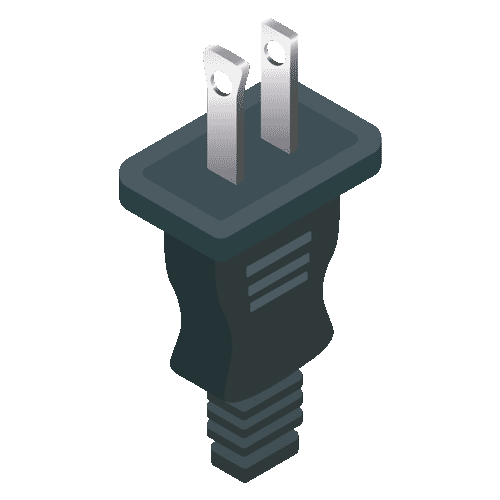
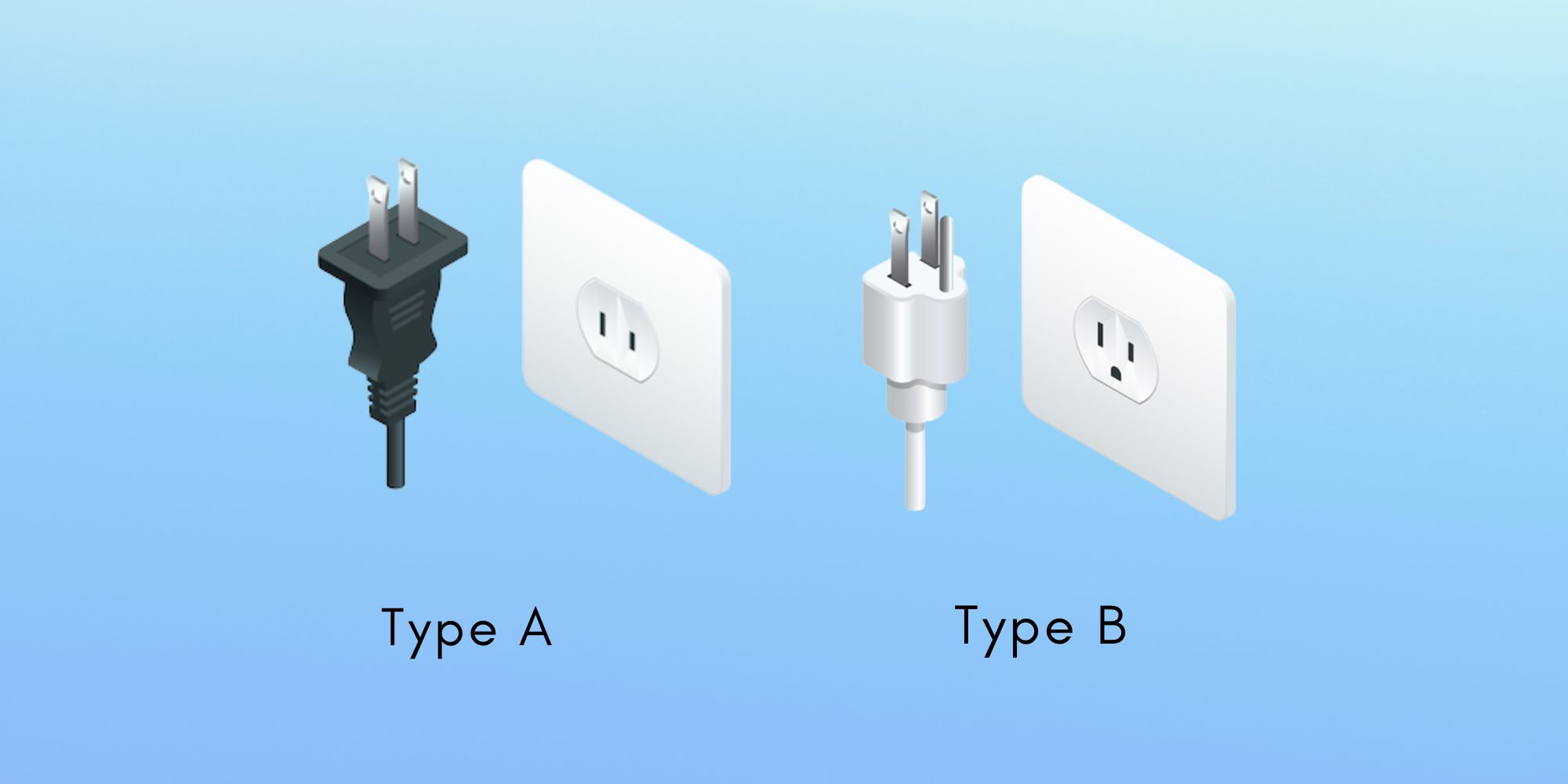
Complementing the electrical standards is the physical interface: the plug and the socket. Canada uses Type A and Type B plugs and sockets. These are the familiar plugs with two flat parallel pins (Type A) and, for grounded outlets, a third round or U-shaped pin for the ground connection (Type B).
Type A Plug: This is characterized by two flat, parallel blades. These blades are designed to fit into the slots of a Type A socket. Type A outlets are ungrounded.
Type B Plug: This is the grounded version of the Type A plug. It features the same two flat, parallel blades as the Type A plug, but also includes a third, round or U-shaped pin located above and between the two flat blades. This third pin is the ground connection, which is a crucial safety feature that provides a path for electricity to flow safely to the ground in the event of a fault.
Understanding Canadian Outlets:
Canadian outlets are designed to accept both Type A and Type B plugs. The presence of the third ground pin on Type B plugs means that grounded outlets are common in modern Canadian construction, especially in kitchens, bathrooms, and areas where higher-power appliances are used. Uncovered outlets might still exist, but for safety and compatibility with a wider range of devices, it’s generally assumed that most electrical points in a home will accommodate a Type B plug.
Compatibility with Other Regions:
It’s worth noting that Type A and Type B plugs are also used in the United States, Mexico, and many other countries. This means that if you are traveling from these regions to Canada, your existing plugs will likely fit without any issue. However, if you are coming from countries that use different plug types (e.g., Type C, G, I, or F), you will need an adapter to physically connect your device to a Canadian outlet.
Ensuring Device Compatibility: A Practical Guide
With the fundamental understanding of Canadian electrical standards, the next step is to apply this knowledge to ensure your devices work seamlessly and safely. This involves checking your electronics and, when necessary, acquiring the right accessories.
Examining Your Electronics’ Power Information
The first and most critical step is to locate the power information on your electronic devices. This is typically found on a label directly on the device itself, on its power adapter (the “wall wart”), or in the user manual. Look for phrases like “Input,” “Output,” or “Power Requirements.”
Key Information to Look For:
- Voltage (V): As mentioned, Canadian standards are 120V. If your device is rated for 120V, it will work directly. If it’s rated for a wider range (e.g., 100-240V), it’s likely compatible. If it’s solely rated for a different voltage (e.g., 220-240V), you’ll need a voltage converter.
- Frequency (Hz): Canada uses 60Hz. Most modern electronics designed for North America will operate on this frequency. However, devices strictly designed for 50Hz regions might not perform optimally.
- Amperage (A) or Wattage (W): While voltage and frequency are the primary concerns for compatibility, it’s also good to be aware of the amperage or wattage of your devices. This is relevant when considering the capacity of power strips or extension cords, and also for understanding the load on the electrical circuit. For example, a high-wattage appliance like a hairdryer might draw more power than a small phone charger.
Interpreting the Labels:
- “120V ~ 60Hz”: This device is specifically designed for the North American standard and will work in Canada.
- “100-240V ~ 50/60Hz”: This is a universal voltage device. It will automatically adapt to Canadian power and likely will only need a plug adapter if the plug type differs.
- “220-240V ~ 50Hz”: This device is designed for European/Asian standards. It will require a voltage converter to be used in Canada.
The Role of Adapters and Converters
Once you’ve assessed your devices, you’ll know whether you need a plug adapter or a voltage converter, or both.
Plug Adapters:
A plug adapter is a simple device that allows you to connect a plug of one configuration to a socket of another. In the context of Canada, if you’re coming from a country with Type A or Type B plugs, you won’t need a plug adapter. However, if you are coming from a region with different plug types (e.g., the UK with its Type G plug, or continental Europe with its Type C/F plug), you will need an adapter to physically fit your device into a Canadian outlet. Many travel stores and online retailers offer universal plug adapters that can accommodate multiple plug types.
Voltage Converters:
A voltage converter is a more complex and generally bulkier device. It is used to change the voltage of the electrical supply to match the requirements of your device.
- Step-Down Converter: Reduces the incoming voltage (e.g., from 240V to 120V). This is what you’ll need if you’re bringing a European appliance to Canada.
- Step-Up Converter: Increases the incoming voltage (e.g., from 120V to 240V). This is less common for Canadian travelers, but might be needed if you are bringing a North American device to a higher-voltage country.
Important Considerations for Converters:
- Wattage Rating: Ensure the voltage converter’s wattage rating is higher than the wattage of the device you intend to plug into it. Using a converter with insufficient wattage can cause it to overheat and fail, and potentially damage your device.
- Continuous vs. Intermittent Use: Some converters are designed for continuous use (e.g., for clocks or shavers), while others are for intermittent use (e.g., for hair dryers). Make sure to choose the appropriate type.
- Electronics vs. Heating Appliances: Many high-wattage devices, such as hair dryers, curling irons, and electric kettles, are heating appliances. These can be very demanding on converters. It’s often more practical and safer to purchase a dual-voltage version of these items or a local version when you arrive at your destination. Most sensitive electronics like laptops and phone chargers are dual voltage and only require a plug adapter.
Beyond the Basics: Safety and Practical Tips
Understanding the technical specifications of Canadian power is vital, but so is practicing good electrical safety. This section offers practical advice to ensure a smooth and safe experience with your electronics in Canada.
Grounding and Safety Features
The presence of Type B plugs and grounded outlets in Canada is a significant safety feature. Grounding provides an extra layer of protection against electrical shock. In the event of a short circuit or a fault within an appliance, the ground wire offers a low-resistance path for the electricity to flow to the earth, rather than through a person who might be touching the appliance.
When to Prioritize Grounded Outlets:
Always opt for grounded outlets (those accepting Type B plugs) when possible, especially for high-power appliances or devices used in potentially damp environments like kitchens and bathrooms. Avoid using ungrounded outlets for appliances that have a ground pin.
Surge Protection: A Smart Investment
Power surges, which are sudden, brief increases in voltage, can damage or destroy sensitive electronic equipment. These surges can be caused by lightning strikes, power outages, or even the switching on and off of large appliances within your home.
A surge protector is a device that diverts excess voltage away from your electronics, protecting them from damage. These are readily available in Canada and are a worthwhile investment, especially for valuable or sensitive equipment like computers, televisions, and gaming consoles. Surge protectors are often integrated into power strips, offering multiple outlets with protection.
Extension Cords and Power Strips
When using extension cords or power strips in Canada, ensure they are rated for the appropriate voltage and amperage. Look for cords that are CSA (Canadian Standards Association) certified or UL (Underwriters Laboratories) listed, as these certifications indicate that the product has met rigorous safety standards.
Key points for extension cords and power strips:
- Amperage/Wattage Rating: Match the rating of the cord or strip to the combined needs of the devices you will plug into it. Overloading a cord can lead to overheating and fire hazards.
- Intended Use: Some extension cords are designed for indoor use only, while others are suitable for outdoor use. Ensure you are using the correct type for your application.
- Condition: Regularly inspect your extension cords and power strips for any signs of damage, such as frayed wires or cracked insulation. Discard any damaged cords.
Understanding Local Regulations and Best Practices
While the fundamental AC plug and power requirements are consistent across Canada, it’s always prudent to be aware of local electrical codes and best practices. For most travelers and homeowners, the information provided above will suffice. However, if you are involved in any significant electrical work or installation, it is always recommended to consult with a qualified electrician who is familiar with Canadian electrical codes.
In conclusion, understanding what AC plugs and power Canada requires is straightforward once you break it down into voltage, frequency, and plug types. By confirming the specifications of your devices and utilizing appropriate adapters or converters when necessary, you can ensure all your electronics operate safely and efficiently within the Canadian electrical system. A little foresight and attention to detail will save you from potential headaches and ensure a smooth experience with your technology in Canada.
aViewFromTheCave is a participant in the Amazon Services LLC Associates Program, an affiliate advertising program designed to provide a means for sites to earn advertising fees by advertising and linking to Amazon.com. Amazon, the Amazon logo, AmazonSupply, and the AmazonSupply logo are trademarks of Amazon.com, Inc. or its affiliates. As an Amazon Associate we earn affiliate commissions from qualifying purchases.