
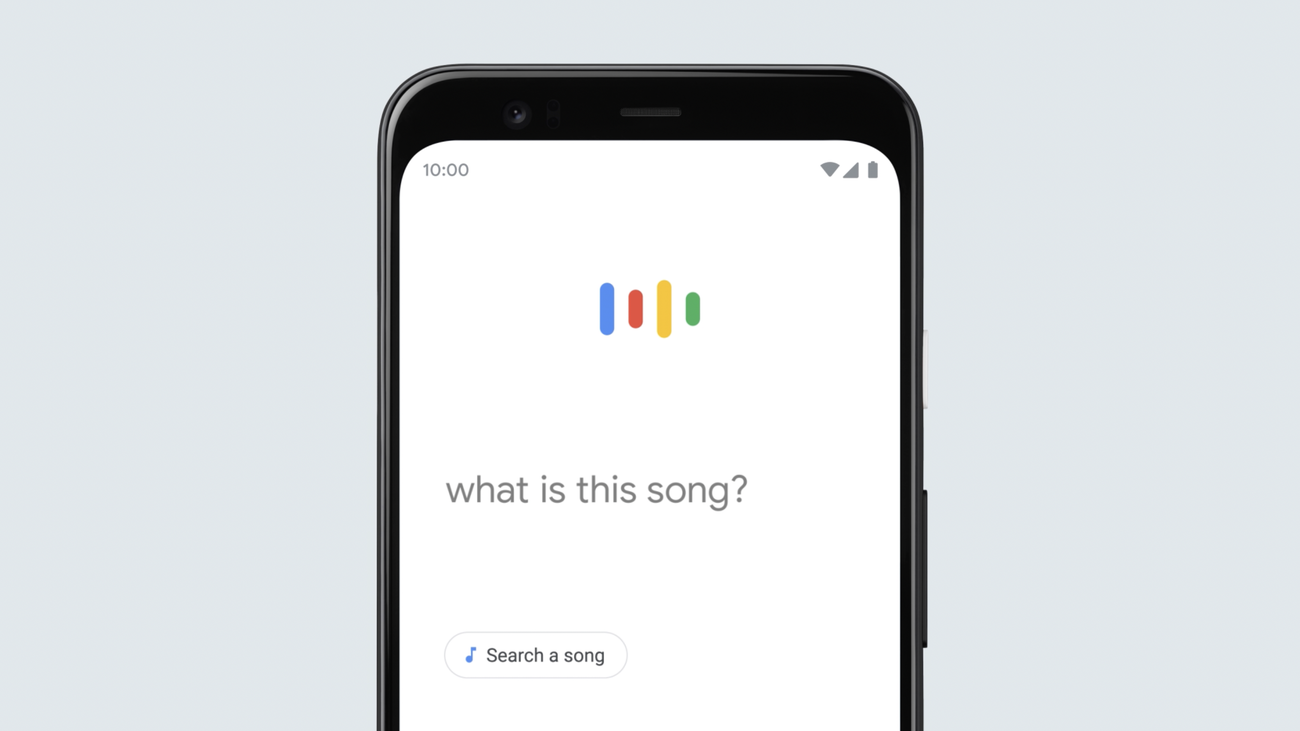
The ubiquitous nature of music in our modern lives presents a fascinating technological challenge: identifying it. From the background hum of a café to the catchy jingle in a commercial, music constantly surrounds us, often sparking a desire to know its origin, title, and artist. This seemingly simple act of recognition has become a powerful testament to the advancements in technology, specifically in the realms of audio recognition, artificial intelligence, and ubiquitous computing. The question “What’s this music?” has transitioned from a casual query to a solvable problem, largely thanks to the sophisticated tools now at our fingertips. This article will delve into the technological landscape that enables instantaneous music identification, exploring the underlying mechanisms, the evolution of these technologies, and their broader implications in the digital age.
The Algorithmic Symphony: How Music Identification Works
At its core, identifying music is a complex computational problem that relies on sophisticated algorithms and vast databases. The process, though invisible to the end-user, involves intricate steps of audio analysis, feature extraction, and comparison. Understanding these underlying principles is key to appreciating the technological marvel that allows us to pinpoint a song with just a few seconds of audio.
Deconstructing Sound: Audio Fingerprinting
The most fundamental technology behind music identification is audio fingerprinting. This process transforms a piece of audio into a compact digital signature, or “fingerprint,” that is unique to that specific track. Unlike traditional watermarking, which embeds data within the audio, audio fingerprinting extracts inherent characteristics of the sound itself.
- Feature Extraction: When an audio sample is captured, sophisticated algorithms analyze its waveform. They identify distinctive features such as pitch, rhythm, timbre, and harmonic content. Think of these as the unique notes and textures that make a particular melody or song recognizable. These features are not raw audio data but rather abstract representations that are more robust to variations in playback quality, background noise, and slight differences in recording.
- Signature Generation: These extracted features are then used to generate a unique digital fingerprint. This fingerprint is a condensed, mathematical representation of the audio segment. The goal is to create a signature that is both accurate and efficient for searching. It’s akin to creating a barcode for music, where each unique sequence of lines represents specific sonic attributes.
- Database Comparison: This generated fingerprint is then compared against an enormous, constantly updated database of pre-existing audio fingerprints. This database contains millions of songs, each with its own meticulously crafted fingerprint. The matching algorithm efficiently searches this database for a fingerprint that is statistically identical or highly similar to the captured one.
The Role of Machine Learning and AI
While audio fingerprinting forms the backbone, machine learning (ML) and artificial intelligence (AI) play an increasingly crucial role in refining and enhancing the accuracy and capabilities of music identification systems.
- Pattern Recognition: ML algorithms are trained on vast datasets of music to learn complex patterns and relationships within audio signals. This allows them to better distinguish between different instruments, vocal styles, and genre characteristics, leading to more nuanced and accurate fingerprint generation and matching.
- Noise Reduction and Signal Enhancement: AI can be employed to intelligently filter out background noise and other distractions from an audio sample, improving the quality of the captured audio and, consequently, the accuracy of the fingerprint. This is particularly important in real-world scenarios where music is often heard in noisy environments.
- Contextual Understanding: Advanced AI models are beginning to incorporate contextual information, such as the likely genre of the music based on the environment it’s heard in, or even inferring emotional intent. While still an emerging area, this could lead to more intelligent and predictive identification.
- Continuous Learning and Adaptation: The ML models powering these systems are designed to learn and adapt over time. As new music is released and user feedback is incorporated, the systems become more refined, improving their ability to identify even obscure or less common tracks.
The Evolution of Instant Gratification: From Hum to App
The journey of music identification technology mirrors the broader evolution of digital audio and mobile computing. What was once a challenging and often frustrating quest has become an almost instantaneous and effortless experience, largely driven by the proliferation of smartphones and sophisticated software applications.
Early Analog Endeavors and the Dawn of Digital
Before the widespread adoption of digital technology, identifying music was a laborious process. It often involved actively trying to recall lyrics, humming melodies to music store employees, or waiting for radio DJs to announce the song title. The concept of a “universal song identifier” was still firmly in the realm of science fiction.
- The Radio Era: Radio played a significant role in disseminating music, and for a long time, the only way to identify a song was to wait for the announcer to reveal it. This was a passive and often unreliable method.
- Early Digital Attempts: As digital audio recording and storage became more prevalent, researchers began exploring ways to digitize and catalog music. Early attempts at automated recognition were often limited by computational power and the size of music databases.
The Smartphone Revolution and the Rise of Identification Apps
The advent of the smartphone marked a pivotal moment. With its built-in microphones, powerful processors, and constant internet connectivity, the smartphone became the perfect platform for sophisticated audio recognition applications.
- The Birth of Shazam: Shazam, launched in 2002 (though gaining widespread popularity later), was a trailblazer. It allowed users to simply hold up their phone to a source of music, and within seconds, the app would identify the song, providing its title, artist, and often links to purchase or stream it. This fundamentally changed how people interacted with music in their environment.
- The “Hum to Search” Feature: Google’s “Hum to Search” feature, integrated into its search app, further democratized music identification. This technology allows users to hum, sing, or whistle a tune, and Google’s AI will attempt to identify it, even if the user’s rendition is imperfect. This showcases the power of AI in understanding melodic variations.
- Integration into Smart Assistants: Virtual assistants like Siri, Alexa, and Google Assistant have integrated music identification capabilities directly into their functionality. A simple voice command like “Hey Google, what song is this?” can initiate the identification process, making it even more seamless.
The Underlying Infrastructure: Databases and Connectivity
The success of these applications hinges on a robust and well-maintained technological infrastructure that operates behind the scenes.
- Massive Music Databases: The core of any identification service is its comprehensive database of audio fingerprints. These databases are enormous, constantly growing, and meticulously organized to ensure rapid and accurate lookups. The scale of these databases is a testament to the digital storage capabilities of modern technology.
- Cloud Computing and Scalability: The processing power required for audio analysis and database searching is immense. Cloud computing platforms provide the necessary scalability to handle millions of simultaneous requests from users worldwide. This allows identification services to remain responsive and accessible.
- Real-time Data Synchronization: As new music is released, its fingerprints need to be added to the databases swiftly. Real-time data synchronization ensures that these identification services are always up-to-date, capable of identifying the latest hits as well as older classics.
Beyond Recognition: The Expanding Ecosystem of Music Tech
Music identification is no longer just about satisfying curiosity. It has evolved into a gateway to a broader ecosystem of technologies and services that enrich our engagement with music, from discovery and consumption to creation and monetization.
Enhancing Music Discovery and Curation
The ability to instantly identify a song has revolutionized how we discover new music. It transforms serendipitous encounters with melodies into actionable insights, leading to personalized recommendations and curated experiences.
- Personalized Playlists: Identification services often allow users to save identified tracks, which can then be used to build personalized playlists. This creates a direct link between real-world listening experiences and digital music collections.
- Genre and Artist Exploration: When a user identifies a song they like, many services offer suggestions for similar artists or tracks within the same genre. This encourages deeper exploration and broadens musical horizons.
- Algorithmic Recommendations: The data generated from music identifications contributes to the sophisticated recommendation algorithms used by streaming services. By understanding what users identify and subsequently listen to, these platforms can offer highly relevant suggestions, fostering a continuous cycle of discovery.
The Business of Sound: Licensing, Monetization, and Copyright
The underlying technology that powers music identification also has significant implications for the music industry itself, particularly in areas of licensing, royalty collection, and copyright enforcement.
- Royalty Tracking and Distribution: Accurate identification is crucial for ensuring that artists and rights holders are properly compensated for the use of their music. When music is played in public spaces, broadcast on radio, or used in digital content, identification technology can help track its usage and facilitate the correct distribution of royalties.
- Copyright Enforcement: In an era where digital content is easily shared, identifying the origin of music is vital for copyright protection. Technology can help detect unauthorized use of copyrighted material and alert rights holders.
- Market Research and Analytics: Data derived from music identification can provide valuable insights into popular trends, regional preferences, and emerging artists. This data can inform marketing strategies, tour planning, and even music production decisions.

The Future of Sonic Interaction: AI and Immersive Experiences
The trajectory of music identification technology points towards even more sophisticated and integrated applications. As AI continues to advance, we can expect music recognition to become more nuanced, context-aware, and seamlessly integrated into our daily lives.
- Emotion and Mood Recognition: Future systems might go beyond just identifying a song and be able to infer the emotional or mood context associated with it, offering more personalized recommendations based on a user’s current state.
- Interactive Music Creation: Imagine a scenario where you can hum a melody, and an AI-powered tool can not only identify it but also help you develop it into a full song, suggesting harmonies and instrumentation.
- Augmented Reality (AR) and Virtual Reality (VR) Integration: As AR and VR become more mainstream, music identification could be integrated into immersive experiences. For example, walking through a virtual environment and instantly identifying the ambient music could become a standard feature.
- Proactive Identification: Instead of requiring active user input, future systems might be able to proactively identify music in your surroundings and offer relevant information or actions without explicit prompts, further blurring the lines between listening and interacting.
In conclusion, the simple question “What’s this music?” has become a powerful catalyst for technological innovation. From the intricate algorithms of audio fingerprinting to the pervasive influence of AI and the ubiquitous nature of smartphones, the ability to instantly identify music is a testament to human ingenuity. As these technologies continue to evolve, they promise to not only enhance our understanding and appreciation of music but also to reshape the very fabric of how we interact with sound in our increasingly digital world.
aViewFromTheCave is a participant in the Amazon Services LLC Associates Program, an affiliate advertising program designed to provide a means for sites to earn advertising fees by advertising and linking to Amazon.com. Amazon, the Amazon logo, AmazonSupply, and the AmazonSupply logo are trademarks of Amazon.com, Inc. or its affiliates. As an Amazon Associate we earn affiliate commissions from qualifying purchases.