
The intricate web of international trade, particularly between major economic powers like the United States and China, is perpetually influenced by tariffs. These are taxes imposed on imported goods, designed to protect domestic industries, generate revenue, or as a tool of geopolitical leverage. Understanding the current tariff landscape on goods from China is not just an academic exercise; it has profound implications for businesses, investors, and consumers alike, impacting everything from supply chain costs to market competitiveness.
The Evolution of US Tariffs on China: A Historical Perspective
The relationship between US and Chinese trade policies has been a dynamic and often contentious one. While tariffs have existed for decades, the most significant and widely discussed escalations have occurred in recent years. This section delves into the historical context that has led to the current tariff situation, providing a foundational understanding of the forces at play.
The Trade War and its Genesis
The impetus behind the recent surge in tariffs primarily stems from the trade dispute that escalated significantly during the Trump administration. This period saw the imposition of broad-based tariffs on a wide range of Chinese imports. The stated rationale behind these measures often centered on addressing perceived unfair trade practices by China, including allegations of intellectual property theft, forced technology transfer, and state subsidies that distorted global markets. The aim was to level the playing field and encourage a rebalancing of the trade deficit.
Key Stages of Tariff Imposition
The imposition of tariffs was not a single, monolithic event. Instead, it was a phased approach, with different rounds targeting various categories of goods.
- Initial Rounds: The early stages of the trade war involved tariffs on specific sectors, often starting with lower percentages. These initial measures were seen by some as a signal to China, while others viewed them as a prelude to more comprehensive actions.
- Escalation and Broadening Scope: As negotiations faltered and retaliatory tariffs were introduced by China, the US significantly broadened the scope of its tariffs. This involved increasing the percentage of tariffs and applying them to a much larger volume and variety of goods. This period saw significant disruption to supply chains and heightened uncertainty for businesses.
- Ongoing Adjustments and Negotiations: While the intensity of the trade war has fluctuated, the tariffs have not been entirely removed. Subsequent administrations have reviewed and, in some cases, maintained or even adjusted these tariffs. The ongoing nature of these policies reflects the complexity of the underlying trade issues and the difficulty in reaching a comprehensive resolution.
Navigating the Current Tariff Landscape: Key Sectors and Goods
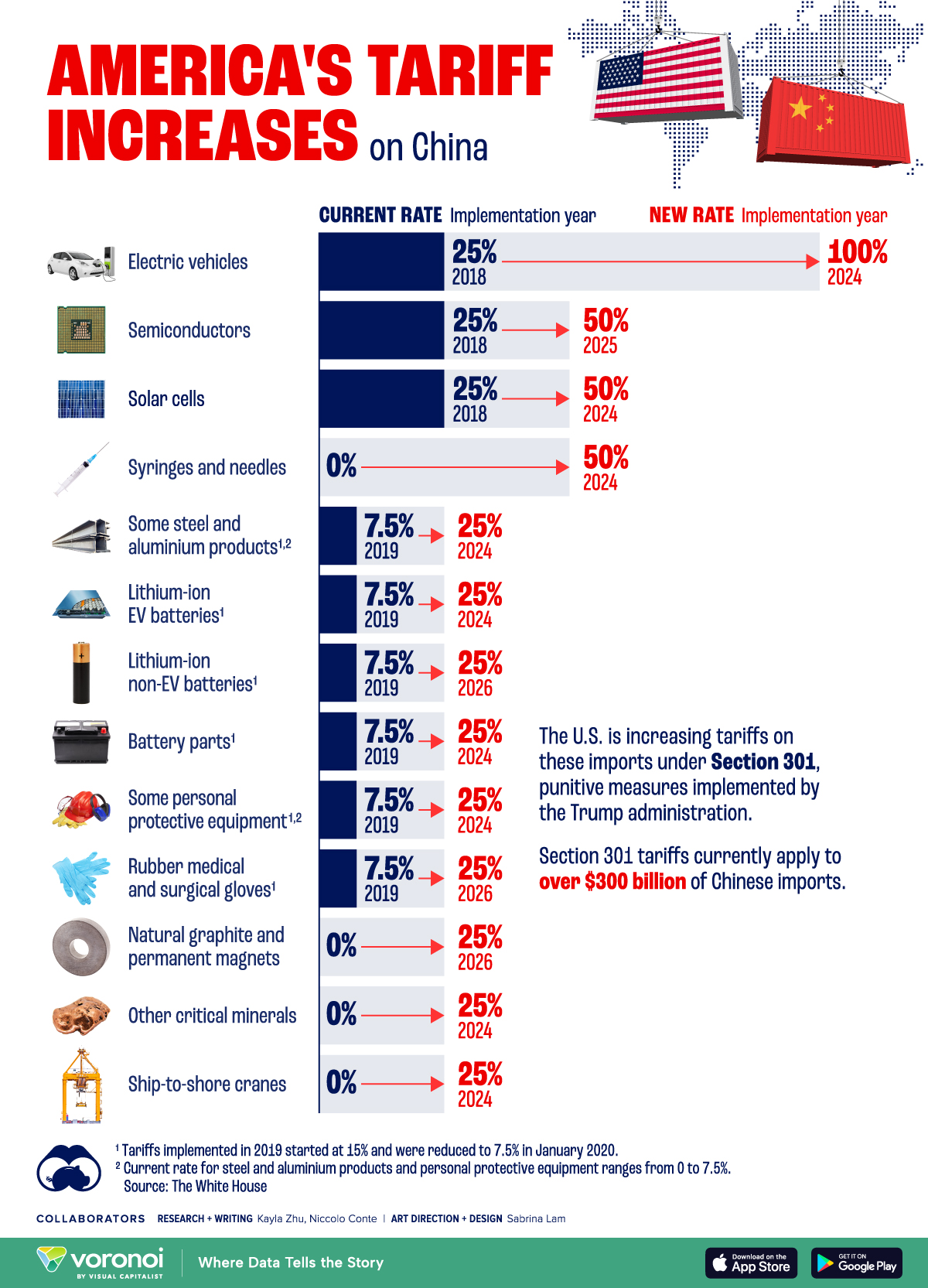
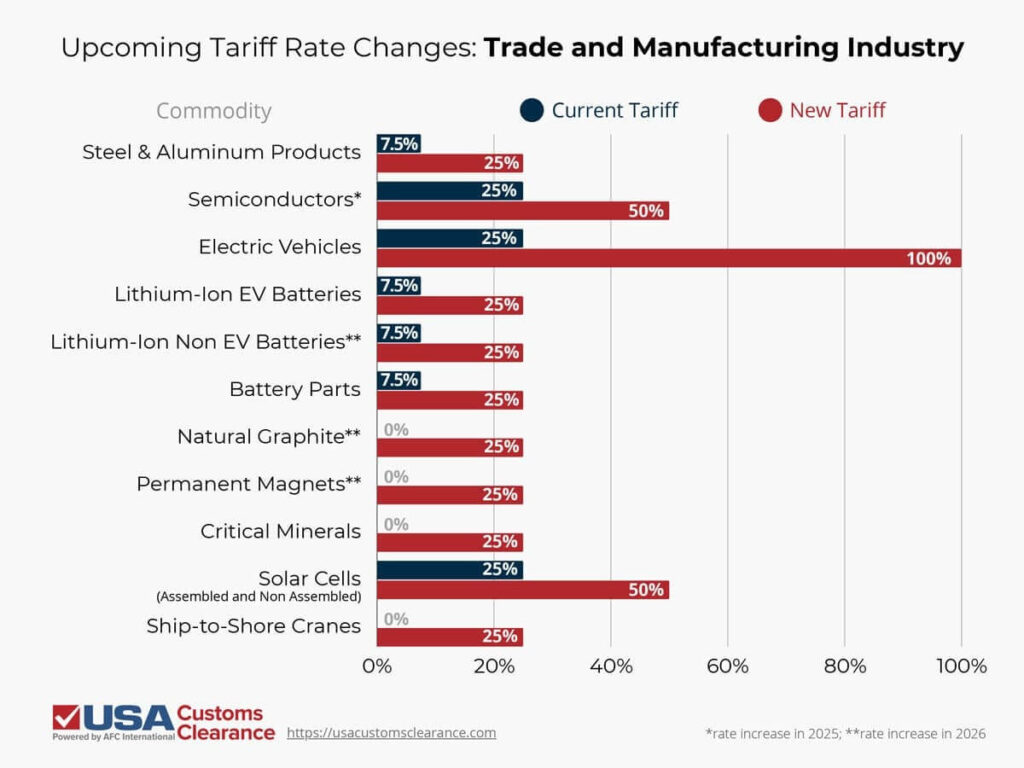
The current tariff regime on Chinese imports is extensive and impacts a multitude of industries. Pinpointing an exact, singular “tariff” is misleading, as rates vary significantly based on the specific product category and its Harmonized Tariff Schedule (HTS) code. However, we can identify key sectors and general trends that define the present situation.
Tariffs on Industrial Goods and Manufacturing Inputs
A substantial portion of Chinese imports facing tariffs comprises industrial goods and the raw materials or components used in manufacturing. This includes items such as:
- Steel and Aluminum: Tariffs on these basic metals were among the earliest and most impactful measures, aiming to bolster domestic production.
- Machinery and Equipment: Many types of industrial machinery, from heavy equipment to precision tools, have been subject to elevated tariffs.
- Electronics Components: While finished electronics are also affected, tariffs have also targeted components crucial for the assembly of electronic devices within the US or by US companies operating abroad.
- Chemicals and Plastics: A broad spectrum of chemical products and plastic resins used in various manufacturing processes are also included in the tariff lists.
The impact on manufacturing is multifaceted. Businesses that rely on imported components face increased production costs, which can either be absorbed, passed on to consumers, or lead to a search for alternative suppliers, often outside of China.
Tariffs on Consumer Products and Finished Goods
Beyond manufacturing inputs, many finished consumer products originating from China also carry tariffs. This is where the impact is often felt most directly by the end consumer. Examples include:
- Apparel and Footwear: A significant volume of clothing, shoes, and accessories imported from China are subject to tariffs.
- Home Goods and Furniture: Items for domestic use, from kitchenware to furniture, have also seen tariff impositions.
- Toys and Sporting Goods: These categories, often produced in high volumes in China, have not been exempt from tariff measures.
- Certain Automobiles and Auto Parts: While not as widespread as other categories, some vehicle components and even finished vehicles have been subject to tariffs.
For consumers, these tariffs can translate into higher prices for everyday items. This can influence purchasing decisions, potentially leading consumers to seek out domestically produced alternatives or goods from countries not subject to similar tariffs.
The Impact of Retaliatory Tariffs from China
It is crucial to remember that the tariff landscape is not one-sided. China has consistently responded to US tariffs with its own retaliatory measures on a range of American goods. This has created a complex tit-for-tat scenario that impacts various sectors in both countries.
- Agricultural Products: US agricultural exports, such as soybeans, pork, and other commodities, have been a significant target of Chinese retaliatory tariffs. This has had a substantial impact on American farmers and the agricultural sector.
- Manufactured Goods: Certain US manufactured goods, including automobiles and aircraft, have also faced increased tariffs from China.
- Services: While primarily focused on goods, the trade dispute has also cast a shadow over trade in services, with potential implications for sectors like technology and finance.
The retaliatory measures exacerbate the economic consequences, creating ripple effects across global supply chains and international markets.
Understanding the Economic Implications and Business Strategies
The current tariff regime on China is not merely a bureaucratic detail; it represents a significant economic force shaping global commerce. Businesses and investors must understand these implications to adapt and thrive.
Impact on Supply Chain Management
The most immediate and significant impact of tariffs is on supply chain management. Businesses that have historically relied on China for manufacturing or component sourcing are now facing increased costs and logistical complexities.
- Cost Increases: Tariffs directly add to the cost of imported goods. This can erode profit margins if not passed on to consumers.
- Diversification of Sourcing: To mitigate tariff risks, many companies are actively exploring diversification strategies. This involves shifting production or sourcing to other countries, such as Vietnam, Mexico, India, or Southeast Asian nations. This process, however, is not instantaneous and requires significant investment and time.
- Reshoring/Nearshoring: Some companies are also considering bringing production back to their home country (reshoring) or to neighboring countries (nearshoring) to gain greater control over their supply chains and avoid tariffs altogether.
- Inventory Management: The uncertainty surrounding tariff policies can also lead to fluctuations in inventory levels. Companies might build up stocks to anticipate future tariff increases or reduce them if they expect relief.
The Role of Trade Agreements and Negotiations
The future of tariffs on China is intrinsically linked to ongoing trade negotiations and the broader geopolitical landscape. Trade agreements, or the lack thereof, play a pivotal role in defining tariff rates.
- Bilateral and Multilateral Agreements: The existence and nature of trade agreements between countries can exempt certain goods from tariffs or establish preferential rates. The US, for instance, has various trade pacts that influence import costs.
- Phase One Trade Deal: While not entirely eliminating tariffs, the “Phase One” trade deal between the US and China aimed to de-escalate the trade war by having China commit to purchasing more US goods and services and addressing some trade practice concerns. However, many tariffs remained in place.
- Ongoing Dialogue and Future Prospects: The dialogue between the US and China on trade is continuous, albeit often tense. Future tariff policies will depend on the outcomes of these discussions, as well as evolving economic and political priorities. Any significant shifts in policy could lead to either the reduction or further imposition of tariffs.
Strategic Responses for Businesses
Navigating this complex environment requires proactive and strategic responses from businesses.
- Cost Analysis and Price Adjustments: Thoroughly analyzing the impact of tariffs on product costs and making informed decisions about price adjustments is essential.
- Supply Chain Audits and Reconfiguration: Regularly auditing existing supply chains to identify vulnerabilities and opportunities for diversification or restructuring is critical.
- Market Research and Alternative Sourcing: Investing in market research to identify alternative sourcing locations and reliable suppliers outside of China is a key strategy.
- Lobbying and Advocacy: Engaging with industry associations and lobbying efforts can help businesses stay informed about policy changes and advocate for their interests.
- Technological Adaptation: Exploring the use of technology, such as advanced analytics and AI-powered supply chain management tools, can help businesses better predict and respond to tariff-related disruptions.
The current tariff landscape on China is a dynamic and evolving issue with significant economic ramifications. Businesses, investors, and policymakers must remain informed and adaptable to navigate its complexities and mitigate its potential impacts.
aViewFromTheCave is a participant in the Amazon Services LLC Associates Program, an affiliate advertising program designed to provide a means for sites to earn advertising fees by advertising and linking to Amazon.com. Amazon, the Amazon logo, AmazonSupply, and the AmazonSupply logo are trademarks of Amazon.com, Inc. or its affiliates. As an Amazon Associate we earn affiliate commissions from qualifying purchases.