
In the pre-digital era, finding a movie required a physical newspaper and a careful scan of the tiny-print “showtimes” section. Today, the query “what’s playing at theaters near me” is answered in milliseconds by a sophisticated ecosystem of geolocation services, real-time data APIs, and predictive algorithms. This shift represents more than just convenience; it is a masterclass in how modern technology bridges the gap between digital intent and physical experience. From the software stacks of major ticketing platforms to the hardware innovations inside the auditoriums, the theater-going experience is now a tech-first journey.

The Geolocation Revolution: Mapping the Local Cinema Experience
The primary reason you can find a movie in seconds is the advancement of geolocation technology. When a user types a “near me” query into a browser or app, a complex series of handshakes occurs between the device and various servers to pinpoint the user’s exact coordinates and cross-reference them with local theater databases.
How GPS and IP Tracking Power Instant Discovery
Modern smartphones use a combination of Global Positioning System (GPS), Wi-Fi positioning, and cellular tower triangulation to determine a user’s location with startling accuracy. On the desktop, IP-based geolocation provides a broader but still effective radius. Search engines like Google and Bing leverage this data to trigger “Local Packs”—integrated maps that show theater locations, distances, and current showtimes directly on the search results page. This seamless integration relies on high-speed data processing, ensuring that the distance displayed is accurate to the meter.
The Role of Search Engine Algorithms in Hyper-Local Results
Beyond mere coordinates, search algorithms utilize “hyper-local” indexing. These algorithms prioritize results based on proximity, relevance, and real-time availability. If a theater five miles away has a 7:00 PM showing and a theater two miles away doesn’t, the algorithm must weigh distance against the user’s likely intent to see a film soon. The “Tech Stack” behind this includes massive distributed databases that update constantly, ensuring that a “Sold Out” status at a local multiplex is reflected in search results almost instantly.
Beyond the Marquee: The Evolution of Movie-Ticketing Apps
While search engines provide the “where” and “when,” dedicated movie-ticketing apps like Fandango, Atom Tickets, and AMC Theatres provide the “how.” These platforms have evolved from simple list-serves into comprehensive entertainment hubs that manage everything from seat selection to loyalty rewards.
Fandango and Atom Tickets: Mastering the User Interface
The User Experience (UX) design of these apps is focused on reducing “friction.” By utilizing mobile-first design principles, these apps allow users to navigate through dozens of movie titles, watch high-definition trailers, and select specific seats via interactive seat maps. The technology behind these maps is particularly complex; they must sync in real-time with the theater’s point-of-sale (POS) system to prevent double-booking. This requires a robust backend capable of handling thousands of concurrent users during the release of major blockbusters.
API Integrations: Connecting Real-Time Inventory to Your Screen
The “magic” of seeing available seats on your phone is made possible by Application Programming Interfaces (APIs). Major theater chains like Regal or Cinemark open their inventory data to third-party aggregators through these APIs. When you search for “what’s playing near me,” the app sends a request to the theater’s server, which returns a JSON or XML file containing showtimes, pricing, and seating availability. This interconnected web of software ensures that the digital inventory matches the physical reality of the theater lobby.
AI and Personalization: Tailoring Your Movie Night
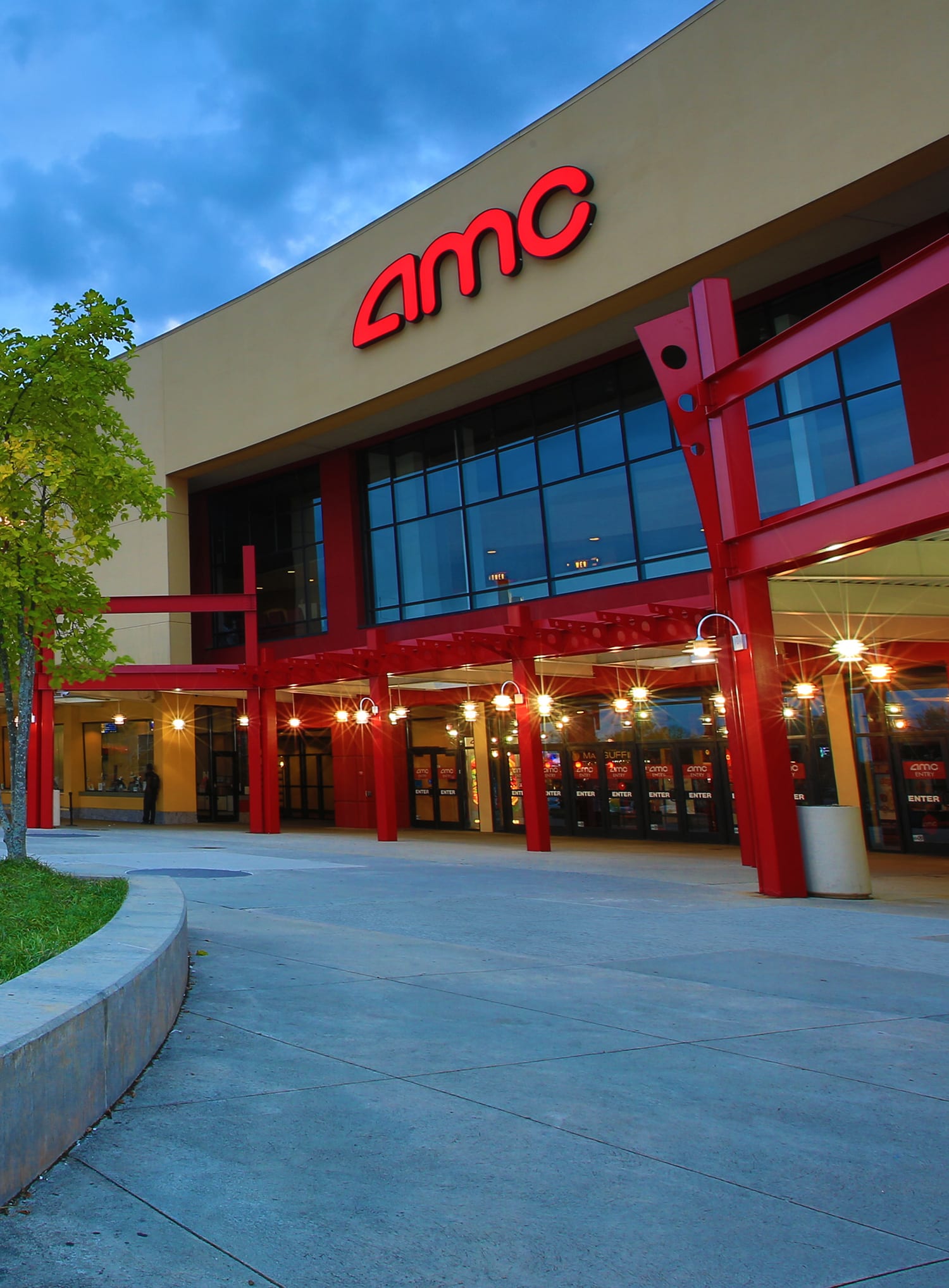
The “near me” search is increasingly being influenced by Artificial Intelligence (AI). Tech companies are no longer just showing you what is available; they are predicting what you want to see based on your digital footprint.
Predictive Analytics: Why Certain Movies Appear First
If you frequently book tickets for sci-fi films, AI-driven recommendation engines will prioritize those titles in your search results or app home screen. Theater chains use predictive analytics to determine how many screens to allocate to a specific film. By analyzing historical data, social media sentiment, and local demographic trends, AI helps theater managers optimize their “now playing” lists to maximize occupancy. This data-driven approach reduces the waste of keeping underperforming movies on large screens for too long.
AI Chatbots and Voice Search: The Future of “Hey Siri, what’s playing?”
Natural Language Processing (NLP) has transformed how we interact with theaters. Voice assistants like Alexa, Siri, and Google Assistant can now parse complex queries such as “Find me an action movie playing within five miles after 8:00 PM that has reclining seats.” The AI must understand the intent, filter the database by genre, location, time, and theater amenities, and then provide a spoken response. This requires a sophisticated understanding of context and the ability to interface with multiple third-party service providers simultaneously.
The Tech Inside the Theater: Enhancing the Local Screen Experience
Once the “what’s playing” question is answered and the ticket is bought, the technology doesn’t stop. The modern theater is a marvel of audiovisual engineering, designed to offer an experience that home streaming cannot yet replicate.
Laser Projection and Immersive Audio (Dolby Atmos and IMAX)
The transition from 35mm film to Digital Cinema Packages (DCP) was just the beginning. Today, theaters are upgrading to 4K Laser Projection, which offers significantly higher brightness and contrast ratios than traditional xenon lamp projectors. Complementing the visual tech is immersive audio like Dolby Atmos. Unlike traditional surround sound, Atmos treats sound as “objects” that can be moved in a three-dimensional space, including overhead. The software managing these audio objects must be perfectly synced with the digital projector to ensure millisecond-perfect timing.
Smart Seats and IoT in Cinema Management
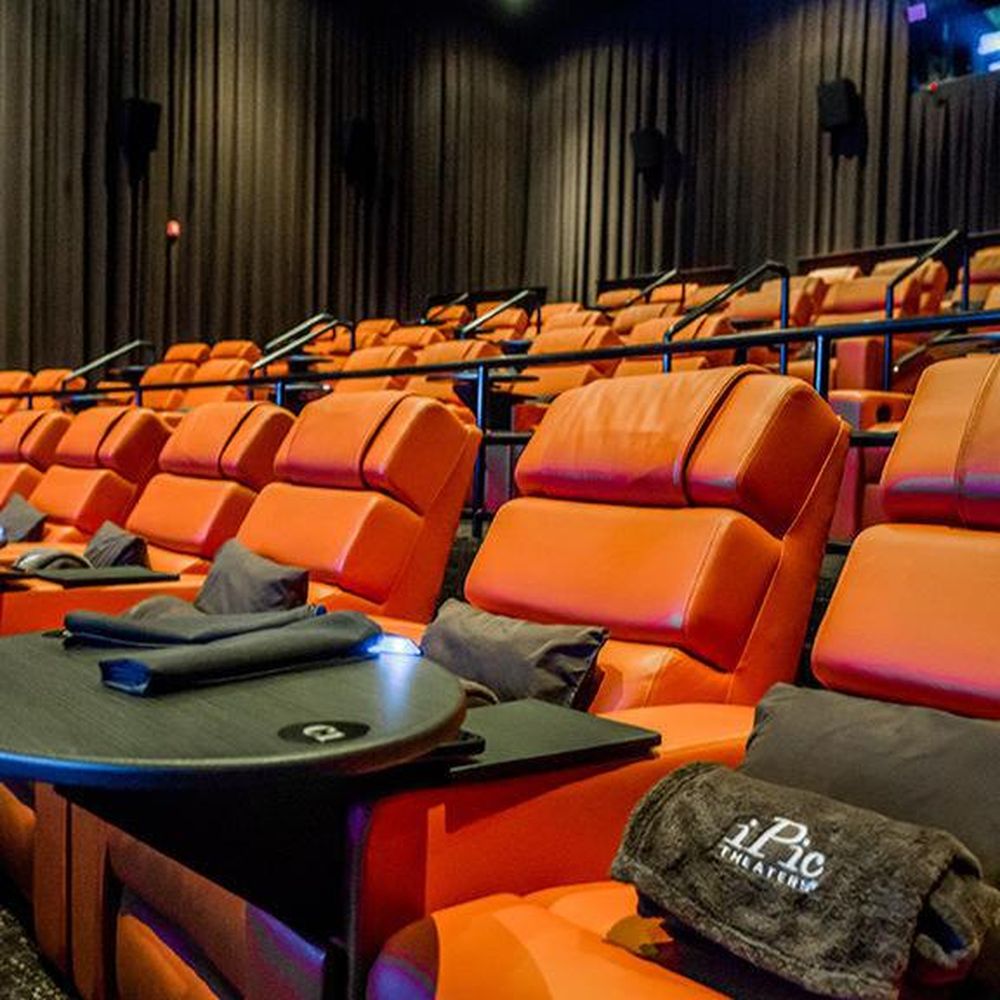
The “Internet of Things” (IoT) has also made its way into the auditorium. Many modern theaters feature luxury recliners equipped with haptic feedback (vibrating in sync with the movie) and heating elements. Behind the scenes, IoT sensors monitor the health of the projectors and HVAC systems. If a projector bulb is nearing its end-of-life or a server is overheating, the system can automatically alert technicians before a screening is interrupted. This proactive tech management ensures that the “theater near you” remains a reliable destination for entertainment.
Security and Privacy in the Age of Location-Based Services
As we rely more on technology to find local entertainment, the importance of digital security and data privacy cannot be overstated. Every “near me” search involves the transmission of sensitive location data.
Balancing Convenience with Data Protection
Users must trust that their location data is being used solely for the purpose of finding showtimes and not being sold to unauthorized third parties. Tech companies are increasingly using “Differential Privacy” and data anonymization techniques to protect users. Furthermore, the shift toward mobile wallets (Apple Pay, Google Wallet) for ticket purchases adds a layer of security. Tokenization ensures that your actual credit card number is never stored on the theater’s servers, drastically reducing the risk of data breaches.
The Future of Frictionless, Tech-Driven Entry
The final piece of the digital theater puzzle is the entry process. Near Field Communication (NFC) and QR code technology have largely replaced paper tickets. Many theaters are now experimenting with facial recognition or biometric entry for loyalty members to create a truly “frictionless” experience. While these technologies offer immense convenience, they also spark important conversations about the ethics of surveillance and data consent—a conversation that will continue to evolve as the technology becomes more pervasive.
In conclusion, the simple act of asking “what’s playing at theaters near me” triggers a sophisticated chain of technological events. From the GPS satellites in orbit to the AI algorithms in the cloud and the laser projectors in the booth, technology has completely redefined the cinematic experience. As these tools continue to advance, the line between our digital searches and our physical experiences will only continue to blur, making the magic of the movies more accessible than ever before.
aViewFromTheCave is a participant in the Amazon Services LLC Associates Program, an affiliate advertising program designed to provide a means for sites to earn advertising fees by advertising and linking to Amazon.com. Amazon, the Amazon logo, AmazonSupply, and the AmazonSupply logo are trademarks of Amazon.com, Inc. or its affiliates. As an Amazon Associate we earn affiliate commissions from qualifying purchases.