
The digital entertainment realm has become an increasingly complex and competitive arena, with Amazon Prime Video standing as a prominent player. Far beyond a simple content library, Prime Video represents a sophisticated technological ecosystem that leverages data, advanced streaming protocols, and a constantly evolving interface to deliver a vast array of movies, TV shows, live sports, and original programming. Understanding “what’s on Amazon streaming” necessitates a deep dive into the underlying technology that powers this service, how it’s continuously enhanced, and the implications for consumers in a world saturated with digital choices. This article explores Amazon Prime Video through the lens of technology, dissecting its infrastructure, its innovative features, and its position within the broader tech industry.

The Technological Backbone of Prime Video: Infrastructure and Delivery
At its core, Prime Video’s ability to stream content to millions of devices simultaneously relies on a robust and scalable technological infrastructure. This is not merely about having servers; it’s about a sophisticated network designed for optimal performance, low latency, and high-quality playback across diverse internet conditions.
Cloud-Native Architecture and Global Reach
Amazon Prime Video is built upon Amazon Web Services (AWS), the company’s own cloud computing platform. This cloud-native architecture provides unparalleled flexibility and scalability. Content is stored and processed in data centers located around the globe, allowing for efficient delivery to users regardless of their geographical location. This global distribution minimizes the physical distance between the user and the content server, directly impacting streaming quality and reducing buffering. The use of AWS also means that Prime Video can dynamically scale its resources up or down based on demand. During peak viewing hours or for major live events, the infrastructure can expand to accommodate a surge in users without compromising performance. Conversely, during off-peak times, resources can be scaled back, leading to cost efficiencies that can indirectly benefit consumers.
Advanced Streaming Protocols and Adaptive Bitrate Streaming
Delivering a seamless viewing experience requires sophisticated streaming protocols. Prime Video employs protocols like HLS (HTTP Live Streaming) and DASH (Dynamic Adaptive Streaming over HTTP). These protocols are crucial for adaptive bitrate streaming (ABS). ABS is a technology that automatically adjusts the quality of the video stream in real-time based on the user’s internet connection speed and device capabilities. If a user’s connection is strong, they will receive a high-definition stream. If the connection fluctuates or weakens, the bitrate will dynamically decrease, allowing playback to continue without interruption, albeit at a lower resolution. This technology is fundamental to ensuring that “what’s on Amazon streaming” translates to an enjoyable viewing experience for everyone, regardless of their bandwidth. The continuous refinement of these protocols and their implementation is a testament to Amazon’s ongoing investment in streaming technology.
Content Delivery Networks (CDNs) and Edge Computing
To further enhance delivery speeds and reduce latency, Prime Video leverages a vast Content Delivery Network (CDN). CDNs are distributed networks of servers strategically placed in numerous geographic locations. When a user requests a stream, it is delivered from the server closest to them. This proximity significantly reduces the time it takes for data to travel, resulting in faster start times for videos and a more responsive streaming experience. In some cases, Amazon may also utilize edge computing principles, processing data closer to the user’s device to further optimize performance. This intricate web of servers and intelligent routing is a hidden but critical component of what makes Prime Video’s vast library accessible on demand.
Innovative Features and User Experience Enhancements
Beyond the foundational infrastructure, Amazon consistently invests in innovative features that enhance the user experience and redefine how audiences interact with streaming content. These technological advancements aim to make discovering, watching, and engaging with content more intuitive and personalized.
X-Ray: Contextual Information at Your Fingertips
One of Prime Video’s signature technological innovations is the X-Ray feature. Developed by Amazon, X-Ray provides viewers with real-time, contextual information about the content they are watching. This includes details about actors, characters, music, and even trivia related to the scene. When an actor appears on screen, X-Ray can identify them and display their filmography. If a song is playing, it can provide the track title and artist. This feature is powered by IMDb, another Amazon-owned entity, and leverages sophisticated data analysis and natural language processing to match on-screen elements with its extensive database. X-Ray transforms passive viewing into an interactive experience, catering to viewers who want to learn more about the production and performers.
Alexa Integration and Voice Control
The integration of Alexa, Amazon’s intelligent voice assistant, is another significant technological differentiator for Prime Video. Users can control playback, search for content, and even discover new titles using voice commands. Asking Alexa to “play the latest episode of The Boys” or “find action movies on Prime Video” offers a hands-free and intuitive way to navigate the platform. This seamless integration extends the Amazon ecosystem, allowing users to transition effortlessly between different Amazon services and devices. The continuous development of Alexa’s natural language understanding and its integration with Prime Video’s content catalog showcases Amazon’s commitment to building a connected and intelligent entertainment experience.
Personalized Recommendations and Machine Learning
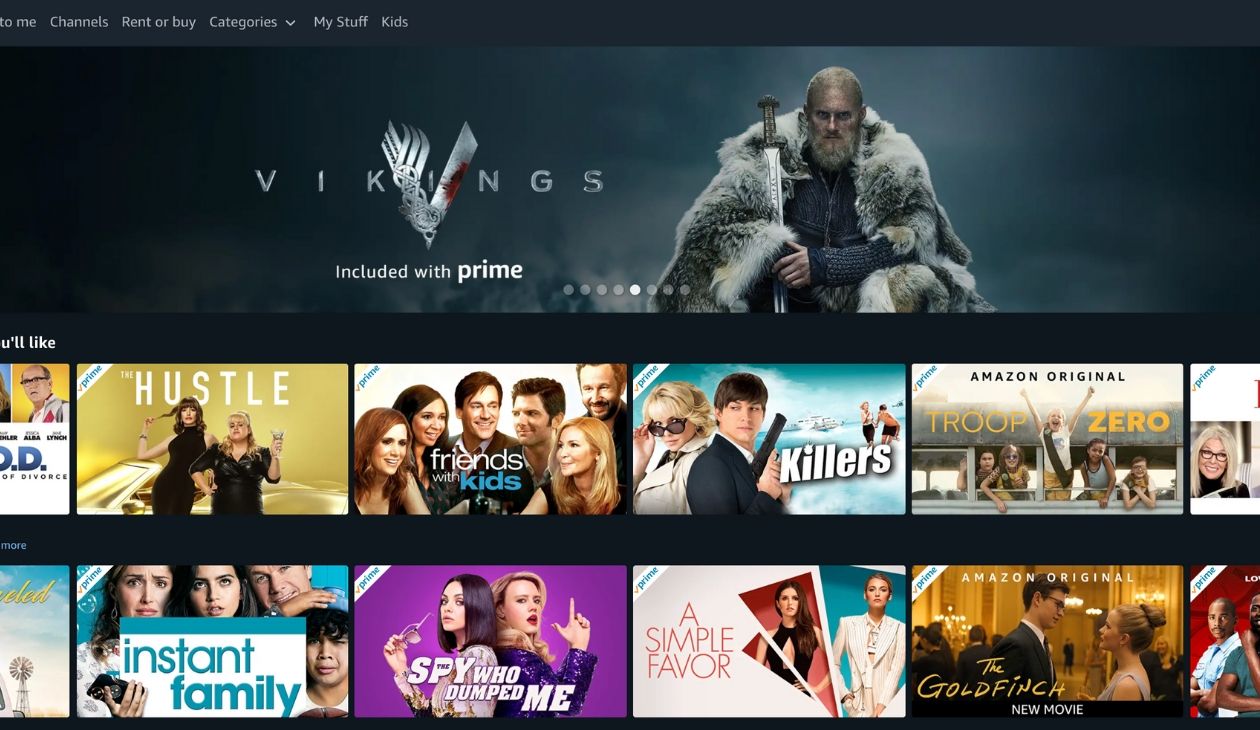
At the heart of any modern streaming service is its recommendation engine. Prime Video employs advanced machine learning algorithms to analyze user viewing habits, ratings, and search queries. This data is used to generate personalized recommendations, suggesting content that users are likely to enjoy. These algorithms are not static; they continuously learn and adapt as users interact with the platform. The more a user watches and rates content, the more accurate the recommendations become. This sophisticated use of AI and data analytics aims to solve the “what to watch” dilemma, guiding users through the vast library and surfacing hidden gems that might otherwise go undiscovered. The constant iteration and improvement of these recommendation systems are key to maintaining user engagement.
The Evolving Streaming Landscape and Prime Video’s Technological Role
Prime Video doesn’t exist in a vacuum; it’s a part of a rapidly evolving technological landscape that includes competitors, emerging technologies, and shifting consumer expectations. Amazon’s approach to streaming is characterized by a willingness to innovate and integrate new technologies to maintain its competitive edge.
The Rise of Live Streaming and Interactive Features
The trend towards live streaming, particularly in sports, has seen Prime Video make significant investments. The technology required for high-quality, low-latency live streaming is considerably more complex than on-demand content. Amazon has been at the forefront of delivering live events, such as NFL Thursday Night Football, with a focus on reliability and immersive features. This includes interactive elements like live polls and real-time stats, which further engage viewers. The successful implementation of these live streaming capabilities demonstrates Amazon’s ability to push the boundaries of its existing technological infrastructure to accommodate new content formats and user demands.
Interoperability and the Future of Device Integration
The future of streaming is increasingly about interoperability and seamless integration across devices and platforms. While Prime Video is primarily accessible through dedicated apps on smart TVs, streaming devices, and mobile phones, Amazon is also exploring broader integration. This includes potential synergies with its other hardware products, like Fire TV devices, and even explorations into augmented and virtual reality experiences in the future. The technological challenges in ensuring consistent performance and user experience across such a diverse range of devices are substantial, but Amazon’s commitment to its ecosystem suggests a continued focus on this area. The ability to watch content anywhere, on any device, with a consistent and high-quality experience is a testament to the underlying technological advancements.
Data Analytics and Content Strategy
The data generated by Prime Video users is invaluable. Amazon uses this data not only for personalized recommendations but also for informing its content acquisition and production strategies. By understanding what types of shows and movies resonate with specific demographics, Amazon can make more informed decisions about which content to license and which original series to produce. This data-driven approach to content strategy is a powerful technological tool that allows Prime Video to tailor its offerings to meet evolving audience preferences, ensuring that “what’s on Amazon streaming” remains relevant and compelling. The sophisticated analytics employed by Amazon allow them to predict trends and cater to niche markets, a capability that is increasingly becoming a defining characteristic of successful streaming platforms.
In conclusion, “what’s on Amazon streaming” is a question that can only be fully answered by acknowledging the sophisticated technological engine that powers it. From the global cloud infrastructure and advanced streaming protocols to innovative features like X-Ray and seamless Alexa integration, Amazon Prime Video is a testament to continuous technological advancement. Its ability to adapt to emerging trends like live streaming and its strategic use of data analytics for both user experience and content creation position it as a formidable force in the digital entertainment landscape. As technology continues to evolve, so too will Prime Video, promising an ever-expanding and increasingly personalized streaming experience for its global audience.
aViewFromTheCave is a participant in the Amazon Services LLC Associates Program, an affiliate advertising program designed to provide a means for sites to earn advertising fees by advertising and linking to Amazon.com. Amazon, the Amazon logo, AmazonSupply, and the AmazonSupply logo are trademarks of Amazon.com, Inc. or its affiliates. As an Amazon Associate we earn affiliate commissions from qualifying purchases.