
The title “What Does a Court Magistrate Do?” conjures images of traditional courtrooms, gavels, and legal jargon. For many, the role of a magistrate remains somewhat enigmatic, often confused with that of a judge. While both preside over legal proceedings, magistrates typically handle a specific set of cases and perform distinct functions within the judicial system. In an era increasingly shaped by technology, however, the way magistrates operate, and indeed the very nature of justice, is undergoing a significant transformation. This article aims to demystify the role of a court magistrate and explore how technological advancements, brand perception, and even financial considerations are intertwining with the administration of justice.

The Fundamental Role of a Court Magistrate
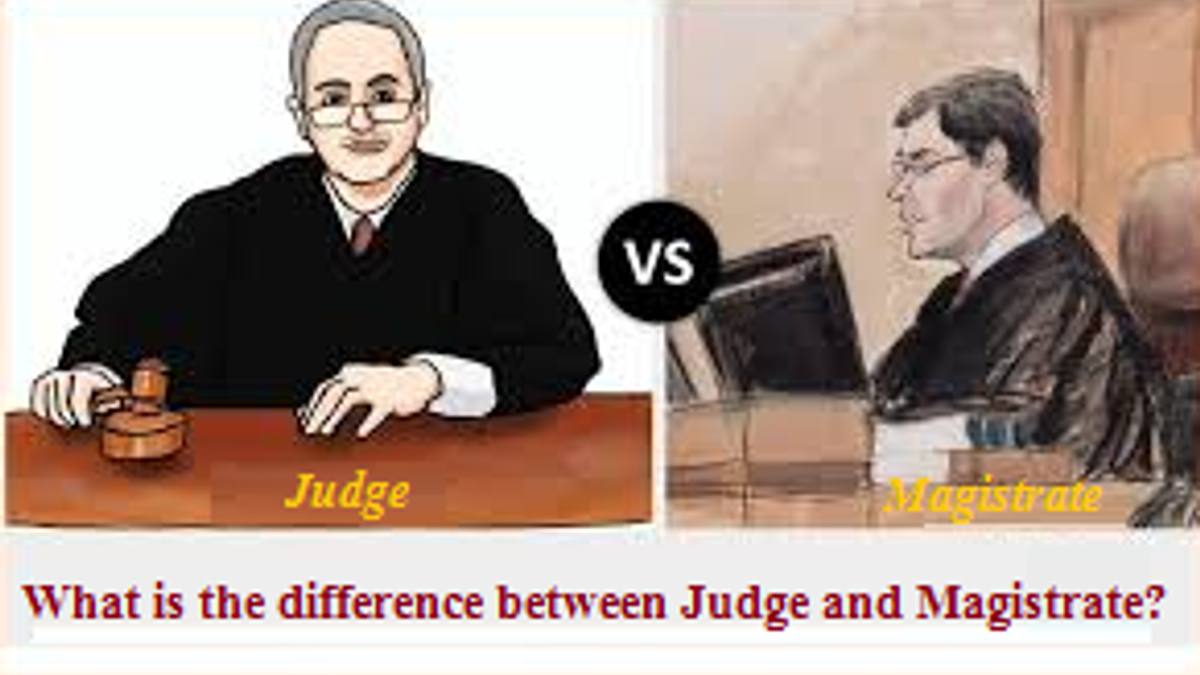
At its core, a court magistrate is a judicial officer who presides over a court and hears certain types of cases. Unlike judges who often preside over more serious criminal trials and complex civil litigation, magistrates typically handle preliminary matters, less serious offenses, and specific civil claims. Their primary function is to ensure the efficient and fair administration of justice, particularly at the lower rungs of the judicial ladder.
Preliminary Proceedings and Case Management
One of the most crucial aspects of a magistrate’s role involves handling preliminary proceedings. This can include:
- Arraignments: Informing defendants of the charges against them and accepting pleas.
- Bail Hearings: Deciding whether a defendant should be released on bail pending trial, and if so, on what conditions. This involves assessing the risk of flight and the danger to the community.
- Issuing Warrants: Granting or denying requests for search warrants or arrest warrants, based on probable cause presented by law enforcement.
- Pre-trial Conferences: Facilitating discussions between parties to explore potential settlement options or to narrow down the issues for trial. This is a vital part of case management, aiming to streamline the judicial process and reduce backlogs.
- Setting Court Dates: Scheduling hearings and trials, ensuring the smooth flow of cases through the court system.
In these preliminary stages, magistrates act as gatekeepers, ensuring that legal processes are initiated correctly and that the rights of all parties are protected from the outset. Their decisions can significantly impact the direction of a case, influencing whether it proceeds to trial, is resolved through negotiation, or is dismissed.
Handling Minor Offenses and Civil Disputes
Magistrates are often empowered to hear and decide on cases involving less serious criminal offenses, such as minor traffic violations, petty theft, or public order offenses. In these instances, they may conduct trials, hear evidence, and impose sentences within their statutory limits.
In the civil realm, magistrates can handle a variety of disputes, often of a smaller financial value. This can include:
- Small Claims Court: Resolving disputes over money owed, contract breaches, property damage, or landlord-tenant issues where the claim amount falls below a certain threshold.
- Debt Collection Cases: Hearing cases brought by creditors seeking to recover outstanding debts.
- Issuing Injunctions and Restraining Orders: Granting temporary orders to prevent harm or to maintain the status quo in a dispute.
The volume of these cases often makes the magistrate’s court a busy place. Their ability to efficiently process these matters is crucial for ensuring access to justice for individuals and small businesses who may not have the resources or need for more complex legal representation.
The Evolving Landscape: Technology’s Impact on the Magistrate’s Court
The traditional image of a magistrate in robes in a wood-paneled courtroom is rapidly evolving. Technology is not just an accessory in the modern courtroom; it is becoming an integral part of how justice is administered. The principles of efficiency, accessibility, and fairness, central to a magistrate’s role, are being amplified – and sometimes challenged – by technological advancements.
Embracing Digital Tools for Efficiency and Accessibility
Technology offers magistrates powerful tools to enhance their work and improve public access to the justice system.
Digital Case Management and Filing Systems
Gone are the days of solely paper-based dockets and physical filing cabinets. Modern court systems are increasingly relying on sophisticated Digital Case Management Systems (DCMS). These platforms allow magistrates and court staff to:
- Electronically file documents: Parties can submit their legal documents online, reducing the need for in-person visits and speeding up the filing process.
- Track case progress: All involved parties can monitor the status of their case, upcoming hearings, and filed documents in real-time.
- Schedule hearings efficiently: Digital calendars and scheduling tools minimize conflicts and optimize court time.
- Securely store case data: Centralized digital archives ensure that case information is readily accessible and protected.
For magistrates, this means less time spent on administrative tasks and more time focused on the legal substance of cases. It also contributes to greater transparency and accountability within the court system.
Virtual Hearings and Remote Proceedings
The COVID-19 pandemic accelerated the adoption of virtual hearing technology. Magistrates are now frequently conducting proceedings remotely, using video conferencing platforms. This has several significant implications:
- Increased accessibility for litigants: Individuals who face geographical barriers, mobility issues, or have childcare responsibilities can participate in hearings without the need for travel.
- Reduced court backlogs: By allowing for more flexible scheduling and potentially shorter hearing durations, virtual hearings can help to alleviate pressure on court dockets.
- Cost savings: Reduced travel and associated costs for parties, legal professionals, and even court staff.
However, the implementation of virtual hearings also raises important questions about digital security and ensuring equitable access. Magistrates must be mindful of ensuring that all parties have the necessary technology and internet access to participate effectively, and that the integrity and confidentiality of proceedings are maintained. Robust cybersecurity measures are essential to protect sensitive case information from breaches.
AI Tools in Legal Research and Analysis
While not yet directly used for making judicial decisions, Artificial Intelligence (AI) tools are beginning to impact the preparatory stages of legal work, which in turn can influence the magistrate’s efficiency. AI-powered legal research platforms can:
- Quickly identify relevant case law and statutes: Assisting magistrates and their clerks in conducting thorough legal research more rapidly.
- Analyze complex legal documents: Identifying key provisions, inconsistencies, or arguments within lengthy filings.
- Predict potential case outcomes (with caution): While controversial, some AI tools are being developed to analyze patterns in past cases to offer insights into likely outcomes, which can inform strategic legal decisions by parties.
Magistrates, while maintaining their ultimate decision-making authority, can leverage these tools to access information more efficiently, allowing them to dedicate more cognitive effort to the nuances of each case.
The “Brand” of Justice: Reputation, Trust, and Public Perception
Beyond the procedural and technological aspects, the role of a court magistrate is also influenced by the brand of justice itself. The public’s perception of the fairness, impartiality, and efficiency of the judicial system is paramount. This brand is built on trust, transparency, and consistent application of the law.
Building Trust Through Impartiality and Transparency
The inherent duty of a magistrate is to remain impartial and to administer justice without bias. This commitment forms the bedrock of the judicial brand.
- Perceived Fairness: When individuals feel that their case has been heard fairly, regardless of the outcome, it strengthens their trust in the system. This involves clear communication, allowing parties to present their arguments, and explaining decisions in understandable terms.
- Transparency in Proceedings: While some aspects of legal proceedings require confidentiality, the general operation of the courts should be as transparent as possible. Public access to hearings (where appropriate), clear rules of procedure, and accessible court records contribute to this transparency.
- Ethical Conduct: Magistrates are held to high ethical standards. Upholding these standards in all dealings, both within and outside the courtroom, is crucial for maintaining public confidence. This includes avoiding conflicts of interest and demonstrating integrity.
The Impact of Digital Presence and Communication
In the digital age, a court’s “brand” can also be shaped by its online presence and the way it communicates with the public.
- Accessible Information: Websites that clearly explain the court’s functions, procedures, and how to access services are vital. This can include FAQs, guides for self-represented litigants, and information on how to file common types of cases.
- Digital Communication Channels: While traditional methods of communication remain important, exploring secure and efficient digital channels for notifications, appointment reminders, and basic inquiries can improve user experience.
- Reputation Management: Just as businesses manage their brand reputation, courts must be mindful of how their operations are perceived. Negative publicity or consistent complaints about delays or unfairness can tarnish the judicial brand and erode public trust. Magistrates, as the public face of the court for many, play a significant role in shaping this perception.
Financial Considerations and the Magistrate’s Role
While justice itself is not for sale, the administration of justice involves significant financial considerations, both for the individuals involved in legal disputes and for the government that funds the court system.
The Cost of Accessing Justice
For many, particularly those involved in small claims or minor offenses, the cost of legal representation can be a prohibitive barrier to accessing justice. Magistrates often play a role in managing this aspect:
- Pro Se Litigants: Magistrates frequently deal with individuals representing themselves (pro se litigants). This necessitates clear explanations of legal processes and a willingness to guide these individuals through the procedures without offering legal advice.
- Fees and Costs: While magistrates do not set court fees, they preside over cases where fees are incurred. Understanding the financial implications for litigants and ensuring that fee structures are fair and accessible is indirectly relevant to their role.
- Mediation and Alternative Dispute Resolution (ADR): Magistrates often encourage or order parties to engage in mediation or other ADR processes. These methods can be significantly less expensive than traditional litigation, offering a more financially viable solution for many disputes.

Budgetary Constraints and Resource Management
The courts, including the magistrate’s court, operate within budgetary constraints. Magistrates, in their administrative capacity, contribute to efficient resource management.
- Efficient Scheduling: As discussed earlier, effective case scheduling and management directly impact the efficient use of court time and resources. This can mean shorter waiting times for cases and better utilization of courtrooms and staff.
- Technology Investment: Decisions about investing in new technologies, like financial tools for case management or more secure digital platforms, are often driven by the need to improve efficiency and reduce long-term costs.
- Streamlining Processes: By identifying and implementing more efficient legal processes, magistrates can help to reduce the overall cost of administering justice, benefiting both the taxpayer and the public.
In conclusion, the role of a court magistrate extends far beyond the stereotypical image of a stern legal figure. In our increasingly digital world, magistrates are at the forefront of adapting legal processes to new technologies, ensuring that the principles of justice remain accessible, efficient, and fair. Their work is interwoven with the public’s perception of the legal system, requiring a commitment to transparency and trust. Furthermore, understanding and navigating the financial realities for litigants and the court system itself are integral to their function. As technology continues to evolve, so too will the ways in which court magistrates serve the public and uphold the rule of law.
aViewFromTheCave is a participant in the Amazon Services LLC Associates Program, an affiliate advertising program designed to provide a means for sites to earn advertising fees by advertising and linking to Amazon.com. Amazon, the Amazon logo, AmazonSupply, and the AmazonSupply logo are trademarks of Amazon.com, Inc. or its affiliates. As an Amazon Associate we earn affiliate commissions from qualifying purchases.