
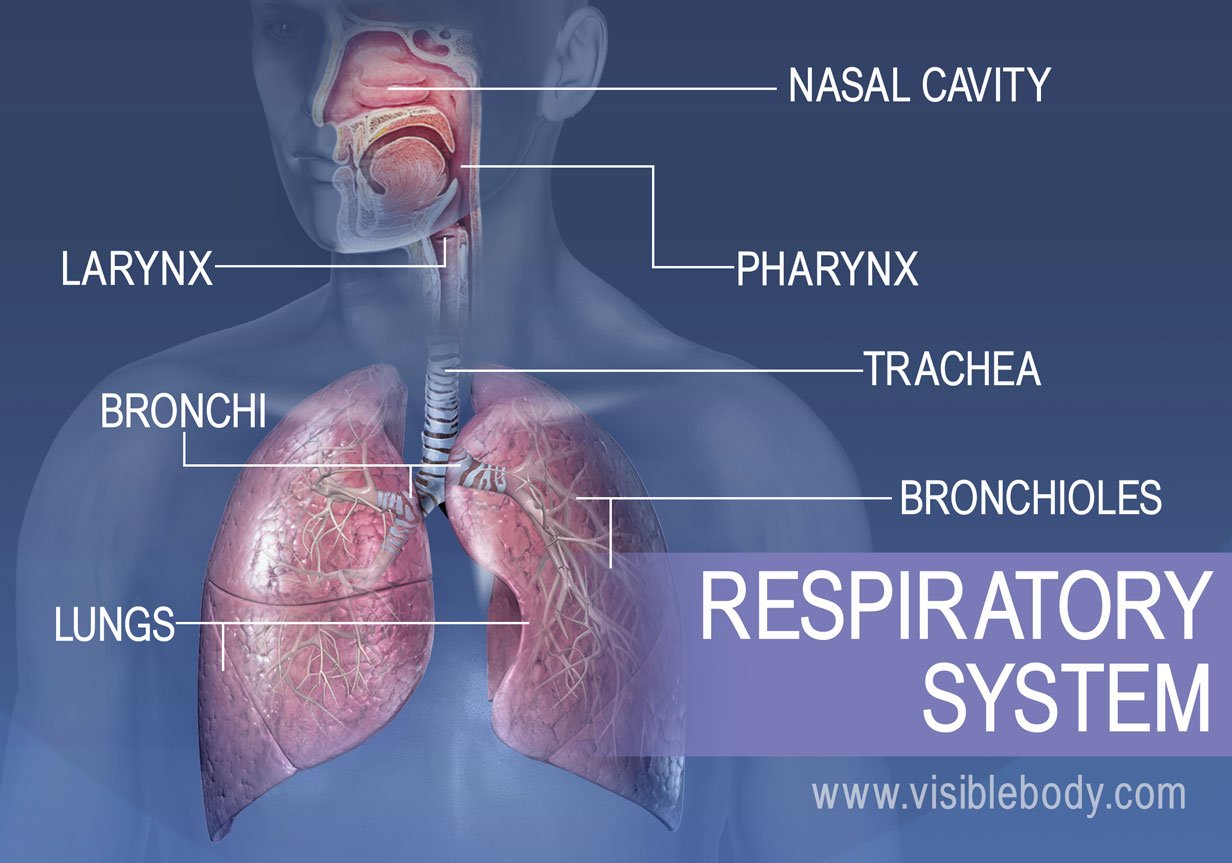
The human respiratory system, a marvel of biological engineering, is responsible for the vital exchange of gases that sustains life. While often understood through traditional biological lenses, a modern exploration of this intricate system increasingly benefits from and is illuminated by technological advancements. From cutting-edge imaging techniques that visualize its inner workings in unprecedented detail to AI-powered diagnostic tools that detect subtle anomalies, technology is revolutionizing how we understand, analyze, and interact with the respiratory system. This article delves into the technological components and applications that are crucial to comprehending the complexities of our lungs and airways.

The Technological Architecture of Respiratory Visualization
Understanding the physical structure and functional dynamics of the respiratory system has been significantly enhanced by a suite of sophisticated imaging technologies. These tools allow for non-invasive or minimally invasive examination, providing crucial data for diagnosis, research, and education.
Advanced Imaging Modalities
The advent of various imaging techniques has transformed our ability to “see” inside the respiratory system. Computed Tomography (CT) scans, for instance, provide cross-sectional images of the lungs with remarkable clarity, allowing radiologists and pulmonologists to identify tumors, infections, and structural abnormalities like emphysema or fibrosis. High-resolution CT (HRCT) is particularly adept at detecting interstitial lung diseases, revealing fine details of lung tissue that might be missed by standard CT.
Magnetic Resonance Imaging (MRI), while less commonly used for general lung imaging due to susceptibility to motion artifacts, offers superior soft-tissue contrast and is invaluable for evaluating the mediastinum, pleura, and large airways, especially in cases of tumors or vascular abnormalities. Positron Emission Tomography (PET) scans, often combined with CT (PET-CT), are critical in oncology for staging lung cancer by detecting metabolically active cancer cells throughout the body.
Real-time Physiological Monitoring and Data Acquisition
Beyond static imaging, technology enables the real-time monitoring of respiratory function. Spirometry, a cornerstone of pulmonary function testing, utilizes digital devices to measure lung volumes and flow rates, providing quantitative data on how well a person can inhale and exhale. These devices, increasingly sophisticated and portable, are essential for diagnosing and managing conditions like asthma and COPD.
Pulse oximetry, a non-invasive gadget that clips onto a finger or earlobe, measures blood oxygen saturation and pulse rate. Modern pulse oximeters are highly accurate and can transmit data wirelessly, allowing for continuous monitoring in hospital settings or even remotely by patients at home. Advanced polysomnography, used to diagnose sleep apnea, involves a complex array of sensors connected to a digital recording system that tracks breathing patterns, oxygen levels, brain activity, and other physiological parameters during sleep. The data generated is then analyzed by specialized software, often employing AI algorithms to identify apneic events and other sleep-related breathing disorders.
AI and Machine Learning in Respiratory Diagnostics and Research
Artificial Intelligence (AI) and Machine Learning (ML) are rapidly becoming indispensable tools in the realm of respiratory health, offering capabilities that extend far beyond traditional analysis. These technologies are not only augmenting human diagnostic capabilities but also accelerating the pace of scientific discovery.
AI-Powered Image Analysis for Early Detection
One of the most impactful applications of AI in respiratory medicine is in the analysis of medical images. Deep learning algorithms, trained on vast datasets of CT scans, X-rays, and MRIs, can now detect subtle patterns indicative of diseases like lung nodules, pneumonia, and even early signs of lung cancer with remarkable accuracy and speed. These AI systems can flag suspicious findings for radiologists, reducing the likelihood of human error and potentially leading to earlier diagnoses when treatments are most effective. For instance, AI algorithms are being developed to identify interstitial lung disease patterns that are extremely difficult for the human eye to discern consistently across different observers.
Furthermore, AI is proving valuable in analyzing digital pathology slides of lung tissue biopsies, identifying specific cellular characteristics and patterns that can inform diagnosis and prognosis. This can significantly speed up the pathological review process and provide more objective assessments.
Predictive Modeling and Personalized Treatment
Machine learning models are being employed to predict the progression of respiratory diseases and the likelihood of adverse events. By analyzing patient data, including imaging, spirometry results, genetic information, and clinical history, these models can identify individuals at higher risk for exacerbations of conditions like COPD or the development of complications. This predictive capability allows healthcare providers to intervene proactively with personalized treatment plans.
AI is also playing a role in drug discovery and development for respiratory ailments. ML algorithms can analyze complex biological data to identify potential drug targets, predict the efficacy and toxicity of new compounds, and optimize clinical trial design. This accelerates the pipeline for new treatments for conditions like cystic fibrosis and idiopathic pulmonary fibrosis, where treatment options have historically been limited. The development of digital twins, virtual replicas of a patient’s respiratory system, powered by AI, holds promise for simulating treatment responses and optimizing individual therapy before it’s administered in real life.
Digital Platforms and Wearable Technology for Respiratory Health Management
The accessibility and personalization of respiratory health management have been dramatically enhanced by the proliferation of digital platforms and wearable technologies. These innovations are empowering individuals to take a more active role in monitoring and managing their respiratory well-being.
Smart Devices and Remote Patient Monitoring
The integration of sensors into everyday devices has created new avenues for respiratory health monitoring. Smart inhalers, for instance, equipped with sensors and connectivity, can track when and where a patient uses their inhaler, providing valuable data on adherence and environmental triggers. This information can be shared with healthcare providers, allowing for more informed treatment adjustments. Wearable sensors, moving beyond simple pulse oximetry, are emerging that can monitor respiratory rate, chest expansion, and even subtle changes in lung sounds.
Remote Patient Monitoring (RPM) platforms are crucial in this landscape. These systems aggregate data from various connected devices, allowing healthcare professionals to remotely track the status of patients with chronic respiratory conditions. Alerts can be triggered if a patient’s condition deteriorates, enabling timely intervention and potentially preventing hospitalizations. This is particularly beneficial for individuals living in remote areas or those with mobility issues.
Virtual Reality (VR) and Augmented Reality (AR) in Training and Therapy
Virtual Reality (VR) and Augmented Reality (AR) are emerging as powerful tools for both medical training and patient therapy related to the respiratory system. Medical students and practitioners can utilize VR simulations to practice complex procedures like bronchoscopies or intubations in a safe, controlled virtual environment. These simulations offer realistic anatomical models and haptic feedback, allowing for skill development without risk to patients.
For patients, VR can be used in pulmonary rehabilitation programs. Immersive virtual environments can make exercise more engaging and less daunting, encouraging adherence to prescribed physical activity. AR overlays can provide real-time guidance during exercises, highlighting proper breathing techniques or posture. Furthermore, VR experiences can be designed to help patients manage anxiety associated with breathing difficulties, offering relaxation techniques and distracting environments. The potential for AR to provide visual cues for breathing exercises, showing the ideal inhale and exhale patterns superimposed on the user’s view, is also a promising area of development.
The Future of Respiratory Technology: Interconnectivity and Personalization
The trajectory of technological innovation in the respiratory system points towards an increasingly interconnected and personalized healthcare ecosystem. The integration of existing technologies with emerging advancements promises a future where respiratory health is managed with unprecedented precision and accessibility.
The Internet of Medical Things (IoMT) and Seamless Data Flow
The Internet of Medical Things (IoMT) envisions a future where all medical devices, sensors, and software are interconnected, enabling a seamless flow of data. For respiratory health, this means that smart inhalers, wearable sensors, home spirometers, and even advanced imaging systems will communicate with each other and with central health platforms. This interconnectedness will facilitate continuous, real-time monitoring of a patient’s respiratory status, allowing for immediate detection of deviations from baseline and proactive interventions.
AI algorithms will be at the core of this IoMT ecosystem, analyzing the vast streams of data generated to identify trends, predict exacerbations, and personalize treatment recommendations. This will move healthcare from a reactive model to a predictive and preventative one, significantly improving outcomes for individuals with chronic respiratory diseases. The integration with electronic health records (EHRs) will ensure that this data is readily available to all members of a patient’s care team, fostering better coordinated and more effective treatment.

Precision Medicine and Digital Therapeutics
The future of respiratory care is intrinsically linked to precision medicine – tailoring medical treatment to the individual characteristics of each patient. Technology plays a pivotal role in enabling this by providing the tools to gather and analyze the granular data required. Genomic sequencing, coupled with advanced AI analysis, will allow for the identification of specific genetic predispositions to respiratory diseases and variations in drug response. This will pave the way for highly personalized pharmacogenomic approaches to treatment.
Digital therapeutics (DTx) are also set to revolutionize respiratory management. These are software-based interventions designed to prevent, manage, or treat a medical disorder or disease. For respiratory conditions, DTx could include app-based programs that deliver personalized breathing exercises, provide education on disease management, or offer cognitive behavioral therapy for patients struggling with anxiety related to breathlessness. The ability to deliver these interventions remotely and track patient engagement and outcomes digitally makes them a powerful complement to traditional medical care. The development of sophisticated sensors integrated into smart clothing or even implanted devices could provide even more precise and continuous physiological data, further refining the precision of these digital therapeutics.
In conclusion, while the respiratory system is a product of nature, our understanding, diagnosis, and management of its health are increasingly shaped by the relentless march of technological innovation. From the intricate visualizations of advanced imaging to the predictive power of AI and the personalized care offered by digital platforms and IoMT, technology is not just supplementing, but fundamentally transforming, what’s in the respiratory system – both in terms of our knowledge and our ability to ensure its optimal function.
aViewFromTheCave is a participant in the Amazon Services LLC Associates Program, an affiliate advertising program designed to provide a means for sites to earn advertising fees by advertising and linking to Amazon.com. Amazon, the Amazon logo, AmazonSupply, and the AmazonSupply logo are trademarks of Amazon.com, Inc. or its affiliates. As an Amazon Associate we earn affiliate commissions from qualifying purchases.