
Contraception, in its broadest sense, refers to methods or devices used to prevent pregnancy. While this fundamental definition remains constant, the landscape of contraceptive technology has undergone a dramatic evolution, driven by advancements in science, medicine, and a growing understanding of reproductive health. The journey from ancient practices to sophisticated modern methods highlights a persistent human desire to control fertility, impacting individual lives, societal structures, and economic development.
The Evolution of Contraceptive Technology: From Ancient Wisdom to Modern Innovation
The pursuit of preventing conception is as old as human civilization itself. Early attempts, though rudimentary, laid the groundwork for the sophisticated technologies available today. Understanding this historical progression is crucial to appreciating the scientific breakthroughs and the ongoing research that continues to shape the future of reproductive healthcare.
Ancient Practices and Early Discoveries
Across various ancient cultures, methods of contraception were often rooted in natural resources and empirical observation. While their effectiveness varied, these early approaches demonstrate an intrinsic understanding of biological processes and a drive to influence them.
- Herbal Remedies and Natural Barriers: Ancient Egyptians, Greeks, and Romans employed a range of plant-based concoctions and animal products. For instance, the Egyptians used a mixture of acacia gum, honey, and dates, inserted vaginally. Other cultures explored the properties of various herbs, some of which are still investigated for their potential contraceptive effects today. Natural barriers, such as the use of animal intestines or softened leather as primitive condoms, were also documented. These were often rudimentary, lacking the consistency and effectiveness of modern materials.
- Withdrawal and Rhythm Methods: The withdrawal method, known as coitus interruptus, has likely been practiced for millennia. While it relies on perfect timing and self-control, its simplicity made it a universally accessible, albeit unreliable, form of contraception. Similarly, rudimentary forms of the rhythm method, based on observing menstrual cycles, were also attempted, demonstrating an early awareness of fertility windows.
The Dawn of Modern Contraception: The 20th Century Revolution
The 20th century witnessed a paradigm shift in contraception, moving from empirical, often unreliable methods to scientifically developed and medically approved technologies. This era saw the emergence of hormonal methods and the development of more effective barrier methods, fundamentally changing reproductive autonomy.
- The Pill and Hormonal Control: The development of the oral contraceptive pill in the mid-20th century was a monumental achievement. By utilizing synthetic hormones to inhibit ovulation, the pill offered an unprecedented level of control over fertility for women. This innovation had profound social and economic implications, enabling women to plan families, pursue education and careers, and participate more fully in public life. The subsequent development of other hormonal methods, such as the patch, ring, and injection, further expanded options and convenience.
- Advancements in Barrier Methods and Intrauterine Devices (IUDs): Alongside hormonal advancements, barrier methods also saw significant improvements. The widespread availability of latex condoms, made more reliable and accessible through mass production, played a crucial role in both contraception and the prevention of sexually transmitted infections. Intrauterine devices (IUDs), developed in the early 20th century and refined over decades, offered long-acting reversible contraception, providing a highly effective, non-hormonal option for many. These devices, inserted into the uterus, prevent pregnancy through various mechanisms depending on the type.
Contemporary Contraceptive Technologies: A Spectrum of Choices
Today, the range of contraceptive methods available is vast, catering to diverse needs, preferences, and medical considerations. This technological diversity empowers individuals to make informed choices about their reproductive health and family planning.
Long-Acting Reversible Contraceptives (LARCs)
LARCs represent a significant advancement in contraceptive technology, offering highly effective and convenient options that require minimal user effort once in place. Their long duration of action makes them particularly suitable for individuals seeking reliable, hassle-free contraception for extended periods.
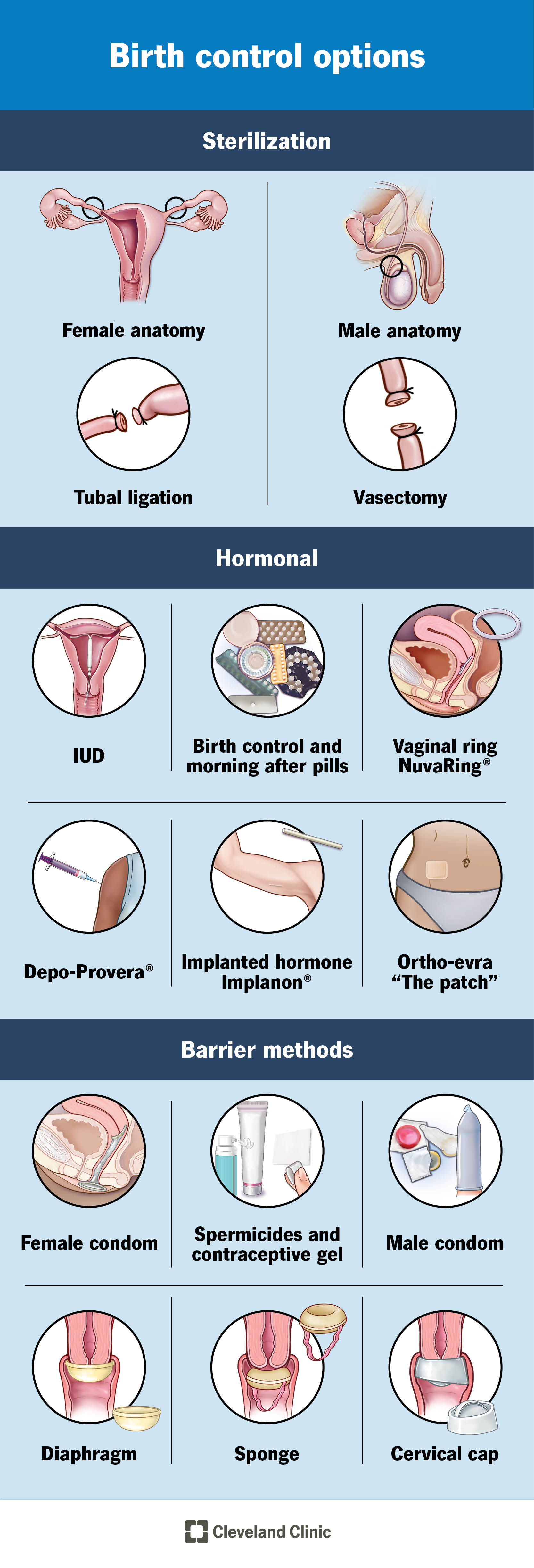
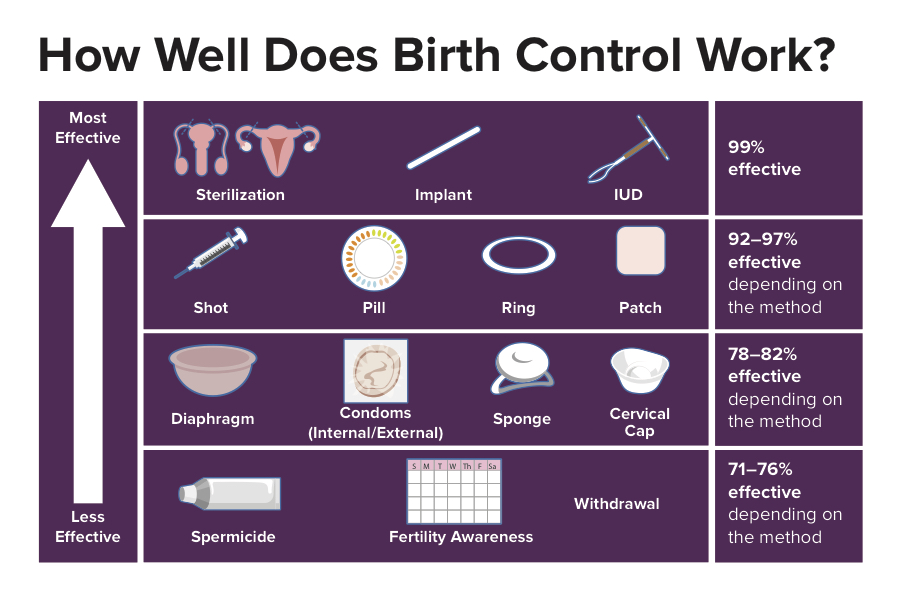
- Intrauterine Devices (IUDs): Modern IUDs come in two primary forms: hormonal and copper. Hormonal IUDs release a small amount of progestin, which thickens cervical mucus and thins the uterine lining, preventing fertilization and implantation. Copper IUDs, on the other hand, work by releasing copper ions that are toxic to sperm, preventing them from reaching the egg. Both types are inserted by a healthcare professional and can remain effective for up to 3 to 10 years, depending on the specific device.
- Contraceptive Implants: These are small, flexible rods inserted under the skin of the upper arm. Like hormonal IUDs, they release progestin to prevent ovulation and thicken cervical mucus. Implants are highly effective and can last for up to three years. Their discreet nature and high efficacy have made them a popular choice, particularly among younger individuals.
Hormonal Methods: Beyond the Pill
While the oral contraceptive pill remains a cornerstone of modern contraception, a variety of other hormonal methods have been developed to offer different delivery systems and durations of action, increasing convenience and adherence.
- Injectable Contraceptives: These are administered by a healthcare professional every one to three months, depending on the formulation. They work by preventing ovulation and thickening cervical mucus. Injectables offer a reliable option for those who may have difficulty remembering to take a daily pill.
- Vaginal Rings and Transdermal Patches: These methods deliver hormones through the skin or vaginal lining, respectively. The vaginal ring is inserted into the vagina for three weeks and then removed for one week, mimicking a menstrual cycle. The contraceptive patch is worn on the skin and changed weekly. Both offer a convenient alternative to daily pills by providing continuous hormonal release.
Barrier Methods and Natural Family Planning
Barrier methods remain a vital component of the contraceptive landscape, offering non-hormonal and often dual-purpose benefits. Natural family planning methods, while requiring significant dedication and understanding of one’s body, offer a more natural approach.
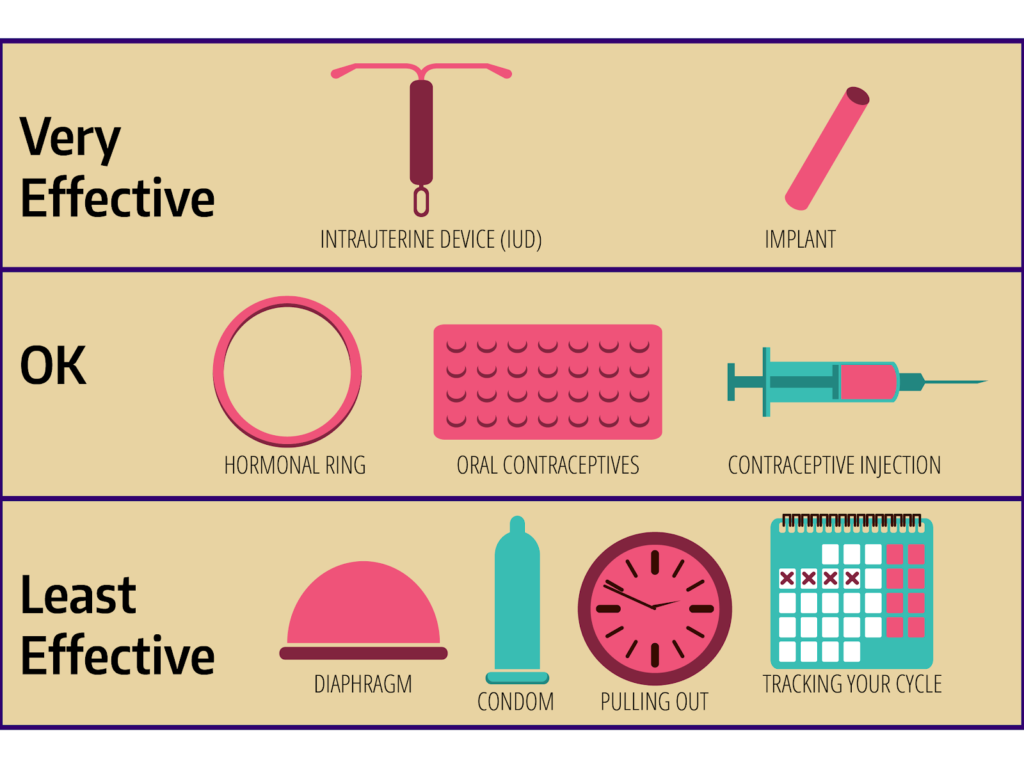
- Condoms (Male and Female): Condoms are the only contraceptive method that also provides significant protection against sexually transmitted infections (STIs). They act as a physical barrier, preventing sperm from entering the vagina. Male condoms are widely available and come in various materials, thicknesses, and lubricants. Female condoms are inserted into the vagina and offer an alternative option for those who prefer or can use them.
- Diaphragms and Cervical Caps: These are reusable, dome-shaped devices inserted into the vagina before intercourse. They must be used with spermicide to effectively block sperm from entering the cervix. They require fitting by a healthcare provider and proper insertion technique for maximum effectiveness.
- Natural Family Planning (NFP) Methods: NFP involves tracking a woman’s fertility cycle through various indicators, such as basal body temperature, cervical mucus changes, and menstrual cycle length. By identifying fertile and infertile days, couples can choose to abstain from intercourse or use barrier methods during the fertile window to prevent pregnancy. These methods require significant commitment to daily tracking and understanding of the menstrual cycle.
The Technological Frontier: Future Directions in Contraception
The field of contraception is not static; ongoing research and development are continuously pushing the boundaries of what’s possible, aiming for even more effective, user-friendly, and accessible options. The future promises innovations that address current limitations and cater to evolving societal needs.
Innovations in Hormonal and Non-Hormonal Contraception
Future contraceptive technologies are being explored across both hormonal and non-hormonal pathways, with a focus on improved efficacy, reduced side effects, and greater user control.
- Next-Generation Hormonal Therapies: Researchers are investigating new hormonal formulations with potentially fewer side effects and more targeted actions. This includes exploring novel progestins and estrogens, as well as alternative delivery mechanisms that offer greater convenience and personalization. The goal is to maximize contraceptive benefits while minimizing adverse reactions that can impact user adherence.
- Non-Hormonal Breakthroughs: Significant effort is being directed towards developing highly effective non-hormonal contraceptives. This includes research into new compounds that can temporarily block sperm function or egg transport, or methods that target specific biological pathways involved in reproduction without relying on systemic hormone administration. These advancements are particularly exciting for individuals who cannot or prefer not to use hormonal methods.
Expanding Access and Personalized Contraception
Beyond the molecular and mechanical innovations, the future of contraception also hinges on improving accessibility and tailoring methods to individual needs and preferences.
- “On-Demand” Contraception and Reversible Sterilization: The concept of “on-demand” contraception, which can be taken only when needed, is an active area of research. Furthermore, advancements in reversible sterilization techniques for both men and women are being explored, offering a more permanent solution that can potentially be reversed if desired later in life.
- Digital Health and Contraceptive Apps: The integration of digital health technologies offers immense potential for enhancing contraceptive care. Mobile applications can assist with cycle tracking, medication reminders, and provide educational resources. AI-powered tools are also being developed to offer personalized contraceptive recommendations based on individual health profiles and preferences, bridging the gap between users and healthcare providers. This digital integration promises to empower individuals with better information and support for their reproductive health choices.
The Societal and Economic Impact of Contraceptive Technology
The availability and adoption of contraceptive technologies have had profound and far-reaching consequences on societies and economies worldwide. From empowering individuals to influencing demographic trends, contraception is a powerful driver of social and economic progress.
Empowering Individuals and Promoting Gender Equality
The ability to control one’s reproductive destiny is intrinsically linked to individual autonomy and empowerment, particularly for women. Contraception allows individuals to make conscious decisions about family size and timing, profoundly impacting their life trajectories.
- Enhanced Educational and Career Opportunities for Women: By enabling women to plan their families, contraception has been a catalyst for increased participation in higher education and the workforce. This has not only benefited individual women but has also contributed to economic growth and societal development. When women can pursue their educational and professional aspirations without the immediate constraint of unintended pregnancies, their potential contributions to society are amplified.
- Improved Maternal and Child Health Outcomes: Access to effective contraception is a critical component of comprehensive reproductive healthcare. It allows for spacing of pregnancies, reducing the risks associated with closely spaced births and improving the health outcomes for both mothers and children. Planning pregnancies also allows for better prenatal care and preparation, leading to healthier starts for newborns.
Demographic Shifts and Economic Development
The widespread availability of contraception has been a significant factor in shaping demographic patterns and influencing economic development at both national and global levels.
- Lowering Fertility Rates and Population Growth: In many parts of the world, increased access to contraception has correlated with declining fertility rates. This demographic shift can lead to a more balanced population structure, easing the strain on resources and infrastructure. It can also allow for greater investment per child, fostering human capital development.
- Economic Productivity and Investment: When families can plan their size, resources can be allocated more efficiently towards education, healthcare, and economic opportunities for each family member. On a larger scale, lower fertility rates can lead to a demographic dividend, where a larger proportion of the population is of working age, potentially boosting economic productivity and national savings. This can translate into increased investment in infrastructure, technology, and social programs, fostering sustainable economic development.
Conclusion: Contraception as a Cornerstone of Modern Health and Society
Contraception, far more than a simple means to prevent pregnancy, represents a fundamental advancement in human control over biological destiny. From its ancient, often speculative origins to the sophisticated, diverse technologies of today, the evolution of contraception is a testament to scientific ingenuity and the enduring human desire for autonomy.
The technological landscape of contraception continues to expand, promising even more innovative and personalized solutions. As research delves deeper into hormonal and non-hormonal pathways, and as digital health integration enhances accessibility and understanding, the future of reproductive health is poised for further transformation.
Beyond the individual, the societal and economic ripple effects of contraceptive availability are undeniable. It has been a powerful engine for gender equality, enabling women greater access to education and career opportunities. It has contributed to improved maternal and child health, and has played a significant role in shaping demographic trends that can foster economic development.
Ultimately, understanding “what’s contraception” is to understand a critical element of modern healthcare, individual empowerment, and societal progress. It is a field that continues to evolve, driven by a commitment to better health, greater autonomy, and a more equitable future for all.
aViewFromTheCave is a participant in the Amazon Services LLC Associates Program, an affiliate advertising program designed to provide a means for sites to earn advertising fees by advertising and linking to Amazon.com. Amazon, the Amazon logo, AmazonSupply, and the AmazonSupply logo are trademarks of Amazon.com, Inc. or its affiliates. As an Amazon Associate we earn affiliate commissions from qualifying purchases.