
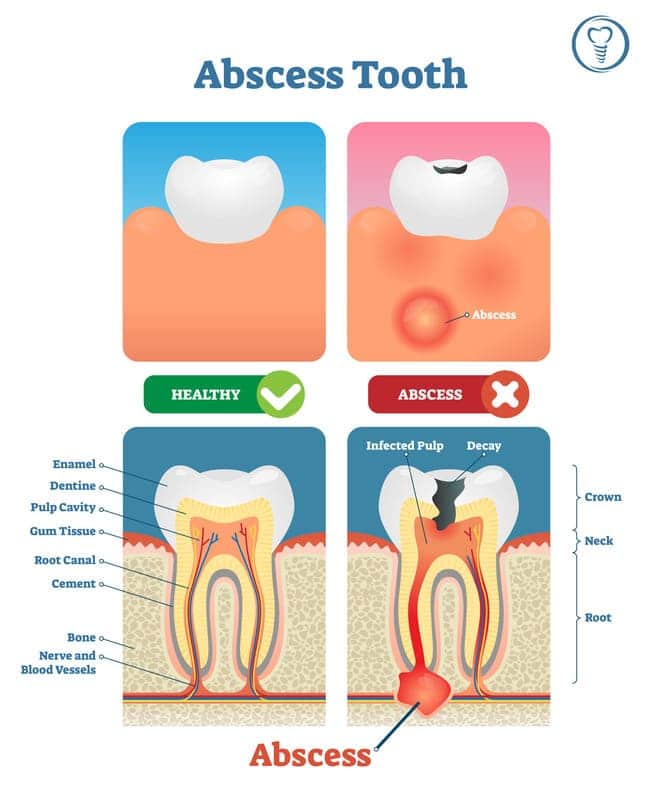
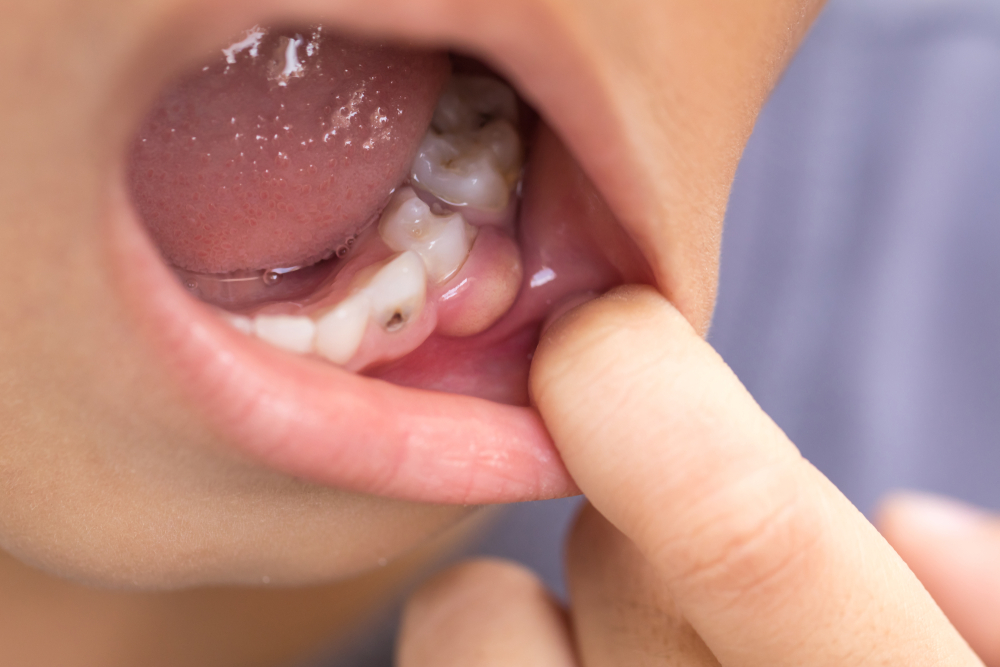
An abscess tooth is a serious dental condition characterized by a pocket of pus that forms inside the tooth, in the gums, or in the bone that holds the tooth in place. This infection is typically caused by bacteria that have entered the pulp of the tooth, often due to an untreated cavity, a crack in the tooth, or trauma. While the immediate and often excruciating pain is the most noticeable symptom, understanding an abscess tooth is incomplete without grasping its profound financial implications for individuals and families. Beyond the physical discomfort, an untreated abscess can lead to escalating medical costs, lost income, and significant long-term financial strain, making it not just a health crisis but a significant personal finance challenge.

The Financial Weight of Neglected Oral Health
Ignoring an abscess tooth is a decision that almost inevitably leads to a heavier financial burden. What might start as a localized infection can quickly spread, requiring more complex, costly, and invasive treatments. The initial discomfort might prompt a desire to delay treatment due to perceived costs, but this procrastination only serves to compound the eventual expenditure.
Understanding the Costs of an Abscess
The direct costs associated with an abscess tooth vary significantly based on the severity of the infection, the type of treatment required, and geographical location. Initially, the diagnosis itself involves an office visit and X-rays, which can range from $50 to $250 without insurance.
Should an abscess be confirmed, treatment options and their associated costs include:
- Antibiotics: Often prescribed to control the infection before definitive treatment, a course of antibiotics can cost anywhere from $10 to $50, sometimes more for specific types.
- Drainage: In some cases, a dentist may need to drain the pus, either through an incision in the gum or by drilling into the tooth. This procedure can be part of a larger treatment plan and may add $50 to $200 to the bill.
- Root Canal Treatment (Endodontics): This is the most common definitive treatment for an abscessed tooth. It involves removing the infected pulp, cleaning the inside of the tooth, and sealing it. A root canal can cost between $700 and $2,000 for a single tooth, depending on its location (front teeth are generally less expensive than molars) and the complexity of the case. A crown is almost always required after a root canal to protect the weakened tooth, adding another $800 to $3,000.
- Tooth Extraction: If the tooth is too severely damaged to be saved, extraction may be the only option. Simple extractions can range from $75 to $300, while surgical extractions for impacted or broken teeth can cost $150 to $650 or more.
- Dental Implant: Replacing an extracted tooth with an implant is a significant investment but can prevent further bone loss and maintain chewing function. A single implant, including the post, abutment, and crown, can cost between $3,000 and $6,000, sometimes even higher.
These figures illustrate a stark reality: what begins as a manageable condition can quickly escalate into thousands of dollars in expenses, especially without adequate dental insurance.
Beyond the Immediate Bill: Hidden Financial Impacts
The financial repercussions of an abscess tooth extend far beyond the direct treatment costs. Ignoring an infection can lead to more severe systemic health issues, each carrying its own price tag. If the infection spreads to the jawbone, surrounding teeth, or even more critically, into the bloodstream, it can cause cellulitis, sepsis, or even a brain abscess—conditions that require emergency room visits, hospital stays, and potentially intensive care. These medical emergencies can rack up tens of thousands of dollars in hospital bills, far dwarfing the cost of initial dental treatment.
Furthermore, the pain and discomfort associated with an abscess tooth often lead to lost productivity. Individuals may miss days or weeks of work due to severe pain, recovery from surgery, or multiple dental appointments. For hourly workers or those without generous sick leave, this directly translates into lost income. Parents might also need to take time off to care for an affected child, impacting household earnings. The stress of managing pain and financial strain can also affect mental health, potentially leading to additional costs for counseling or medication.
Dental Insurance: A Shield Against Catastrophe
Given the high costs associated with treating an abscess tooth, dental insurance plays a critical role in mitigating financial risk. Understanding your policy and maximizing its benefits can significantly reduce out-of-pocket expenses.
Navigating Coverage for Abscess Treatment
Most comprehensive dental insurance plans offer some level of coverage for treatments related to an abscess tooth. However, the extent of this coverage varies widely.
- Diagnostic Services: Routine exams and X-rays are typically covered at a high percentage (e.g., 80-100%).
- Basic Procedures: Fillings, simple extractions, and antibiotics are often covered at 70-80%.
- Major Procedures: Root canals, crowns, and surgical extractions usually fall under “major procedures” and may be covered at 50-70%.
- Implants: Coverage for dental implants is less common and, when available, often subject to strict limitations, waiting periods, or lower reimbursement percentages.
It’s crucial to review your specific policy documents or contact your insurance provider to understand your annual maximums, deductibles, co-pays, and any waiting periods for major procedures. Many plans have a waiting period (e.g., 6-12 months) before major work is covered, which means if you enroll today and need a root canal next month, it might not be covered.
Maximizing Your Dental Benefits
To get the most out of your dental insurance when facing an abscess, consider the following strategies:
- Pre-Authorization: For expensive procedures like root canals or crowns, ask your dentist to submit a pre-authorization request to your insurance company. This provides an estimate of what your plan will cover before treatment begins, helping you plan your finances.
- In-Network Providers: Opting for a dentist who is in your insurance network typically results in lower out-of-pocket costs, as network dentists have agreed to provide services at discounted rates.
- Staggering Treatment: If you have multiple issues or complex treatment needs, and your annual maximum is a concern, your dentist might be able to split treatments across two calendar years to utilize two annual maximums, effectively doubling your coverage.
- Reviewing Treatment Plans: Always discuss alternative treatment plans with your dentist. Sometimes, a slightly different approach might be equally effective but more cost-efficient or better covered by your insurance.
Proactive Oral Care: The Best Financial Investment
The old adage “an ounce of prevention is worth a pound of cure” is profoundly true when it comes to dental health. Investing in proactive oral care is not just about maintaining a healthy smile; it’s a shrewd financial strategy to avoid the significant costs associated with conditions like an abscess tooth.
Preventative Strategies to Avoid Costly Abscesses
Consistent and effective preventative care is the frontline defense against dental infections. This includes:
- Regular Dental Check-ups and Cleanings: Visiting your dentist every six months allows for early detection of cavities, gum disease, and other issues before they escalate into painful and expensive problems like abscesses. Many insurance plans cover these preventative visits at 100%, making them essentially “free” financial protection.
- Daily Oral Hygiene: Brushing twice a day with fluoride toothpaste and flossing daily removes plaque and food particles, preventing cavities and gum disease that can lead to abscesses. The cost of a toothbrush and toothpaste is minimal compared to a root canal.
- Limiting Sugary Foods and Drinks: Sugar feeds the bacteria that cause tooth decay. Reducing sugar intake significantly lowers the risk of cavities, which are a primary gateway for bacteria to reach the tooth pulp and cause an abscess.
- Using Mouthwash: Antiseptic mouthwashes can help reduce bacteria in the mouth and support overall oral health.
- Wearing a Mouthguard: If you play contact sports or grind your teeth at night (bruxism), a mouthguard can protect your teeth from cracks or trauma that could expose the pulp to infection.
The Long-Term Savings of Good Dental Hygiene
Consider the long-term financial trajectory. A person who meticulously practices preventative care might spend a few hundred dollars annually on check-ups, cleanings, and oral hygiene products. Over a decade, this might amount to a few thousand dollars. In contrast, someone neglecting their oral health could easily face a single dental emergency like an abscess that costs several thousand dollars, potentially multiple times over the same decade, not including lost wages or more severe medical complications. The cumulative savings from consistent preventative care are substantial, freeing up financial resources for other investments or life goals rather than unexpected medical bills.
Financial Planning for Dental Emergencies
Despite best efforts, dental emergencies like an abscess can still occur. Having a financial plan in place can alleviate much of the stress and ensure prompt treatment without derailing your budget.
Building a Dental Emergency Fund
Just as you might save for a general emergency fund, dedicating a portion of your savings specifically for dental emergencies is a prudent financial move. Start by setting aside a small amount each month, aiming for a fund that could cover a significant portion of a root canal or extraction. Even a few hundred dollars can make a substantial difference in covering deductibles or co-pays when an unexpected issue arises. This fund acts as a financial buffer, preventing you from resorting to high-interest credit cards or delaying necessary treatment due to lack of immediate funds.
Exploring Affordable Treatment Options and Resources
If you find yourself facing an abscess without adequate insurance or savings, several resources can help make treatment more affordable:
- Dental Schools: Many dental schools offer high-quality treatment at reduced rates, as procedures are performed by students under the close supervision of experienced faculty.
- Community Dental Clinics: Non-profit organizations and government-funded clinics often provide dental care on a sliding scale based on income, making it accessible to low-income individuals.
- Payment Plans: Discuss payment options with your dentist’s office. Many clinics offer in-house payment plans or work with third-party financing companies (like CareCredit) that offer low- or no-interest payment options for a set period.
- Dental Savings Plans: These are not insurance but membership programs where you pay an annual fee and receive discounts (typically 10-60%) on dental services from participating dentists. These can be a good option for those without traditional dental insurance.
An abscess tooth is more than just a painful inconvenience; it’s a potential financial drain. By understanding its causes, committing to preventative care, utilizing dental insurance effectively, and planning for potential emergencies, individuals can protect both their oral health and their financial well-being.
aViewFromTheCave is a participant in the Amazon Services LLC Associates Program, an affiliate advertising program designed to provide a means for sites to earn advertising fees by advertising and linking to Amazon.com. Amazon, the Amazon logo, AmazonSupply, and the AmazonSupply logo are trademarks of Amazon.com, Inc. or its affiliates. As an Amazon Associate we earn affiliate commissions from qualifying purchases.