
Generation Alpha, the cohort following Millennials and Generation Z, is increasingly making its presence felt in conversations about consumer trends, educational philosophies, and future societal dynamics. Understanding the birth years of Generation Alpha is not merely an academic exercise; it has significant implications across various sectors, particularly in how brands design products, craft marketing strategies, and build lasting relationships with this emerging demographic. For businesses aiming to capture the attention and loyalty of future consumers, a nuanced understanding of this generation’s formative years is paramount.
The Definitive Birth Years of Generation Alpha
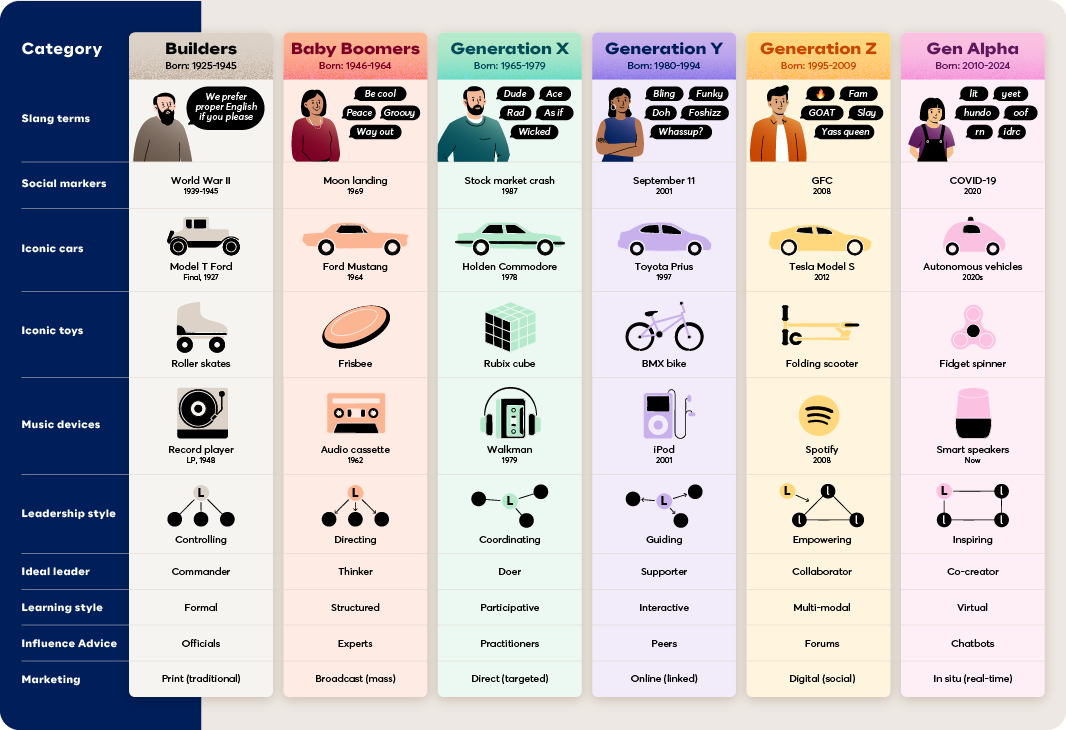
Pinpointing exact start and end dates for generational cohorts is always a subject of some debate among demographers and sociologists. However, a widely accepted consensus has emerged regarding Generation Alpha’s birth years. This understanding is crucial for anyone looking to segment markets, forecast consumer behavior, or simply comprehend the evolving landscape of our society.

Establishing the Boundaries: A Generational Timeline
Generations are shaped by the historical events, technological advancements, and cultural shifts that occur during their formative years. The period from the early 2010s to the mid-2020s has been defined by unprecedented digital integration, a heightened awareness of global issues, and rapidly evolving social norms.
-
The Starting Point: 2010
The year 2010 is frequently cited as the beginning of Generation Alpha. This was a pivotal year for several reasons. The global recession was beginning to recede, and the world was fully embracing the smartphone era. The iPad was launched in 2010, fundamentally changing personal computing and ushering in a new age of touch-screen interfaces and app-based interaction. For children born in this year, their earliest memories will be steeped in a world where tablets, streaming services, and ubiquitous internet access are the norm, not the exception. This digital immersion from birth shapes their cognitive development, learning styles, and expectations of technology in ways that previous generations could not have experienced. The seeds of what would become a deeply interconnected and digitally fluent generation were sown in this year. -
The Ending Point: Mid-2020s (Approximately 2025)
While the end date is more fluid, the mid-2020s, often cited as ending around 2025, are generally considered the current cutoff for Generation Alpha. The rationale here is that children born in these later years will experience their childhood and adolescence during a period that is still largely defined by the digital, social, and environmental contexts established in the preceding decade. As we move further into the latter half of the 2020s and into the 2030s, a new cohort will begin to emerge, potentially shaped by even more profound technological and societal shifts, such as advanced artificial intelligence integration or significant climate change impacts. The mid-2020s mark a logical transition point, capturing the generation that will be navigating their early adulthood in the 2040s, a future shaped by the technologies and trends of the 2010s and early 2020s.
The Significance of These Birth Years for Brand Strategy
The precise birth years of Generation Alpha are more than just a demographic statistic; they are a foundational element for effective brand strategy. This cohort represents the future consumer base, and understanding their origins provides critical insights into their potential values, preferences, and purchasing behaviors.
-
Digital Natives Redefined: Born into the Cloud
Unlike Generation Z, who largely adopted digital technologies as they matured, Generation Alpha are true digital natives, born into a world where high-speed internet, social media, and on-demand digital content are as common as running water. This means their understanding of technology is intuitive and ingrained. For brands, this translates into a need for seamless, intuitive digital experiences across all platforms. Websites, apps, and digital marketing campaigns must be designed with a user interface that feels natural and effortless to this generation. They expect personalization, instant gratification, and interactive content. Brands that fail to deliver a sophisticated digital presence risk becoming irrelevant to this digitally fluent audience. This includes everything from gamified learning apps to personalized streaming content recommendations – experiences they will have had since they were toddlers. -
Screen Time and Early Learning: Shaping Perceptions
Generation Alpha is the first generation to grow up with screens of all sizes as primary sources of entertainment, education, and social interaction. This ubiquitous screen time has profound implications for their cognitive development, attention spans, and learning styles. Brands targeting this generation, especially in the educational and toy sectors, must acknowledge and adapt to these realities. Educational content needs to be engaging, interactive, and often delivered through digital platforms. Toys and games that blend physical and digital play are likely to resonate more strongly. Furthermore, parents of Generation Alpha are often concerned about screen time balance and content quality, presenting an opportunity for brands to position themselves as providing educational, enriching, and responsible digital experiences. This focus on quality and educational value, delivered in an engaging format, is key to capturing parental approval and, by extension, the child’s attention. -
The Parental Influence: A Key Decision-Maker
While Generation Alpha will eventually become independent consumers, for the foreseeable future, their parents (primarily Millennials and some older Gen Z individuals) will remain the primary purchasing decision-makers. This means that any brand strategy targeting Generation Alpha must also consider the Millennial parent. Millennials, as digital natives themselves, are often more open to technology but are also highly discerning about the products and brands they introduce to their children. They prioritize safety, educational value, ethical sourcing, and brands that align with their own values. Therefore, successful brands will need to communicate their values, transparency, and benefits not only to the child but also to the discerning parent. This dual-audience approach is critical. -
Future Consumerism: Values and Voice
As Generation Alpha grows, their consumer habits will undoubtedly be shaped by the broader societal trends of their upbringing. This includes an increasing awareness of environmental sustainability, social justice, and ethical consumption. Brands that demonstrate a commitment to these values will likely gain a significant advantage. Furthermore, Generation Alpha is expected to be a vocal generation, accustomed to expressing their opinions online and influencing trends. Brands will need to foster two-way communication, actively listen to their feedback, and be prepared to adapt and innovate based on their evolving perspectives. Their digital fluency means they will be adept at researching brands and sharing their experiences, both positive and negative, with a wider audience.
The Impact of Generation Alpha’s Birth Years on Tech Innovation
The birth years of Generation Alpha are intrinsically linked to the rapid pace of technological advancement. This generation is not just a consumer of technology; they are a catalyst for its evolution, shaping the development of new tools, platforms, and innovations. Their unique experiences and expectations are driving the next wave of tech development.
The Technological Landscape of Their Upbringing
Generation Alpha’s lives are interwoven with technologies that were nascent or non-existent for previous generations. Their early exposure to advanced digital tools has set a precedent for what they expect and what future technologies will need to deliver.
-
Ubiquitous Connectivity and Smart Devices
For Generation Alpha, a world without constant internet access is unimaginable. They have grown up with Wi-Fi, smartphones, tablets, smart speakers, and a growing ecosystem of interconnected devices. This ubiquitous connectivity has fundamentally altered how they learn, play, and communicate. Brands are developing an increasing number of “smart” products that integrate with this connected environment, from educational toys that sync with apps to wearable devices that monitor health and activity. The expectation of seamless integration and intuitive control over these devices is a direct consequence of their upbringing. This also fuels the demand for reliable, high-speed internet infrastructure and increasingly sophisticated cloud services. -
The Rise of AI and Personalization
Artificial intelligence is no longer a futuristic concept for Generation Alpha; it is an integrated part of their daily digital interactions. From personalized recommendations on streaming services and online learning platforms to voice assistants that manage schedules, AI is a constant presence. This generation is likely to be more accepting and less apprehensive of AI than older generations. They will expect AI to enhance their experiences, offering personalized content, adaptive learning, and intelligent assistance. For tech developers, this means a growing imperative to embed AI into products and services, creating more adaptive, predictive, and user-centric solutions. The ethical implications of AI, such as data privacy and bias, will also be a significant consideration as this generation matures and demands transparency and fairness.
-
Augmented and Virtual Reality: Immersive Experiences
While still in their early stages of widespread adoption, Augmented Reality (AR) and Virtual Reality (VR) are poised to play a significant role in Generation Alpha’s lives. They are growing up in a world where AR filters are common on social media, and educational apps are beginning to leverage VR for immersive learning experiences. This generation will likely be more comfortable with and expectant of immersive technologies, seeing them not as novelties but as integral tools for entertainment, education, and even work. Tech companies are investing heavily in AR/VR hardware and software, anticipating a future where these technologies are as commonplace as smartphones are today. This opens up new frontiers for interactive storytelling, virtual exploration, and new forms of digital social interaction. -
The Evolving Digital Playground: Gaming and Social Media
Gaming has always been a significant part of childhood, but for Generation Alpha, it is often more social, immersive, and interconnected than ever before. Online multiplayer games, esports, and virtual worlds offer complex social environments and creative outlets. Similarly, social media platforms, while evolving, are deeply integrated into their social lives. These platforms are not just for sharing updates; they are places for identity formation, community building, and trend discovery. Tech companies are constantly innovating in these spaces, developing more sophisticated gaming engines, user-generated content tools, and interactive social platforms designed to capture and retain the attention of this digitally adept generation. The lines between gaming, social interaction, and content creation are increasingly blurred.
The Demand for Seamless and Intuitive Interfaces
The ease with which Generation Alpha interacts with digital devices is a testament to the intuitive interfaces that have become standard. This expectation places a high bar for all future technological design.
-
Touchscreen Dominance and Beyond
The touchscreen interface, popularized by smartphones and tablets, is the natural language of Generation Alpha. They expect to interact with technology through gestures, taps, and swipes. This has driven innovation in user interface (UI) and user experience (UX) design, emphasizing simplicity, visual cues, and direct manipulation. As technology progresses, we are seeing a move towards more naturalistic interfaces, including advanced voice control and gesture recognition, which will likely be embraced by this generation with little hesitation. -
Personalization as a Standard
From content recommendations to adaptive learning modules, Generation Alpha expects personalized experiences. They are accustomed to algorithms curating content and services to their individual preferences. This demand for personalization is a key driver for innovation in data analytics, machine learning, and user profiling. Brands that can deliver tailored experiences will build stronger connections and foster greater loyalty. This extends to everything from customized app interfaces to personalized educational pathways. -
Cross-Platform Consistency
Generation Alpha navigates a multitude of devices and platforms daily. They expect a consistent and seamless experience, regardless of whether they are using a smartphone, tablet, laptop, or smart TV. This requires brands to invest in unified design systems and ensure interoperability between their products and services. A disjointed or inconsistent digital experience will quickly alienate this generation, who have grown accustomed to the fluidity of the digital world.
The Economic and Financial Implications for Generation Alpha
While Generation Alpha is still very young, understanding the economic and financial landscape they are entering, and the financial habits of their parents, is crucial for shaping their future financial literacy and for businesses looking to cater to their eventual consumer power. This generation will grow up in a world of evolving payment systems, digital assets, and a complex global economy.
Navigating the Digital Economy
The way Generation Alpha interacts with money and value will be fundamentally shaped by the digital transformation of commerce and finance.
-
The Rise of Digital Wallets and Contactless Payments
For Generation Alpha, the concept of physical cash may become increasingly abstract. They are growing up in households where contactless payments, digital wallets on smartphones, and online transactions are the norm. This early exposure to frictionless payment methods will likely shape their expectations for how they will manage their own finances in the future. Brands and financial institutions need to be prepared for a generation that is highly comfortable with and expects digital-first payment solutions. This includes understanding the nuances of in-app purchases, subscription models, and emerging payment technologies. -
Understanding Digital Assets and Cryptocurrencies
While still a developing area, cryptocurrencies and other digital assets are increasingly part of the global financial conversation. Generation Alpha will likely grow up with a greater understanding and acceptance of these novel forms of value. Their inherent comfort with digital environments suggests they may be more receptive to exploring and investing in digital assets than previous generations. This presents a future opportunity for financial education and services tailored to a generation that may see digital currencies as a legitimate and integral part of their financial future. Discussions around blockchain technology, NFTs, and decentralized finance will become more relevant as they mature. -
The Influence of Online Income and the Creator Economy
The concept of earning money online, through platforms like YouTube, TikTok, and various freelance marketplaces, is becoming increasingly prevalent. Generation Alpha will witness and participate in the growth of the creator economy, where individuals can monetize their content and skills directly. This could influence their career aspirations and entrepreneurial mindsets, potentially leading to a generation that is more inclined towards self-employment and digital entrepreneurship. For businesses, this means understanding how to engage with creators and potentially tap into new marketing channels and revenue streams.

Financial Literacy for a Digital Age
Ensuring that Generation Alpha develops strong financial literacy is a critical challenge and opportunity for parents, educators, and financial institutions. Their unique upbringing necessitates new approaches to teaching financial concepts.
-
The Parental Role in Early Financial Education
Millennial and Gen Z parents, who are themselves navigating a complex financial world, will be the primary educators of Generation Alpha. They are likely to emphasize digital financial tools, budgeting apps, and early exposure to saving and spending concepts within a digital context. Brands that can provide resources and tools that support parents in teaching financial literacy – such as educational games, age-appropriate budgeting apps, or family finance management platforms – will find a receptive audience. The focus will be on practical, real-world applications of financial principles within their digital lives. -
Adapting to Subscription-Based Consumption
Generation Alpha is growing up in an era where subscription models are prevalent, from streaming services and gaming subscriptions to software and online content. This shift in consumption patterns, from ownership to access, has significant financial implications. Parents and educators will need to teach Generation Alpha about the long-term costs of multiple subscriptions and the importance of managing recurring expenses. Brands employing subscription models will need to demonstrate clear value and flexibility to retain this generation’s loyalty. -
The Future of Investing: Accessible and Digital
As Generation Alpha enters adulthood, they will likely seek investment opportunities that are accessible, digital, and potentially aligned with their values. The rise of micro-investing apps, robo-advisors, and fractional share ownership has democratized investing. This generation, comfortable with technology and potentially exposed to digital assets early on, may embrace these new avenues for wealth building. Financial institutions will need to innovate to provide user-friendly, transparent, and potentially ESG-focused (Environmental, Social, and Governance) investment options to attract this future demographic of investors.
In conclusion, understanding the birth years of Generation Alpha – generally considered from 2010 to the mid-2020s – is fundamental for businesses seeking to connect with this burgeoning demographic. Their upbringing in a hyper-connected, digitally saturated world shapes their expectations across technology, consumer behavior, and financial engagement. Brands that proactively adapt their strategies to align with the digital fluency, evolving values, and unique consumption patterns of Generation Alpha will be best positioned to thrive in the years to come, fostering lasting relationships with the consumers and innovators of the future.
aViewFromTheCave is a participant in the Amazon Services LLC Associates Program, an affiliate advertising program designed to provide a means for sites to earn advertising fees by advertising and linking to Amazon.com. Amazon, the Amazon logo, AmazonSupply, and the AmazonSupply logo are trademarks of Amazon.com, Inc. or its affiliates. As an Amazon Associate we earn affiliate commissions from qualifying purchases.