
The story of Starbucks is more than just a tale of coffee; it’s a profound case study in brand building, strategic expansion, and the meticulous cultivation of a global identity. While the question of “what year Starbucks was founded” might seem a simple factual query, its answer unlocks a narrative of deliberate vision and relentless execution that transformed a small Seattle purveyor of coffee beans into a ubiquitous symbol of modern commerce and consumer culture. Understanding Starbucks’ genesis is key to appreciating its subsequent journey, a journey defined by its brand strategy, its corporate identity, and its innovative marketing approaches.
The Genesis of a Coffee Empire: From Bean to Brand
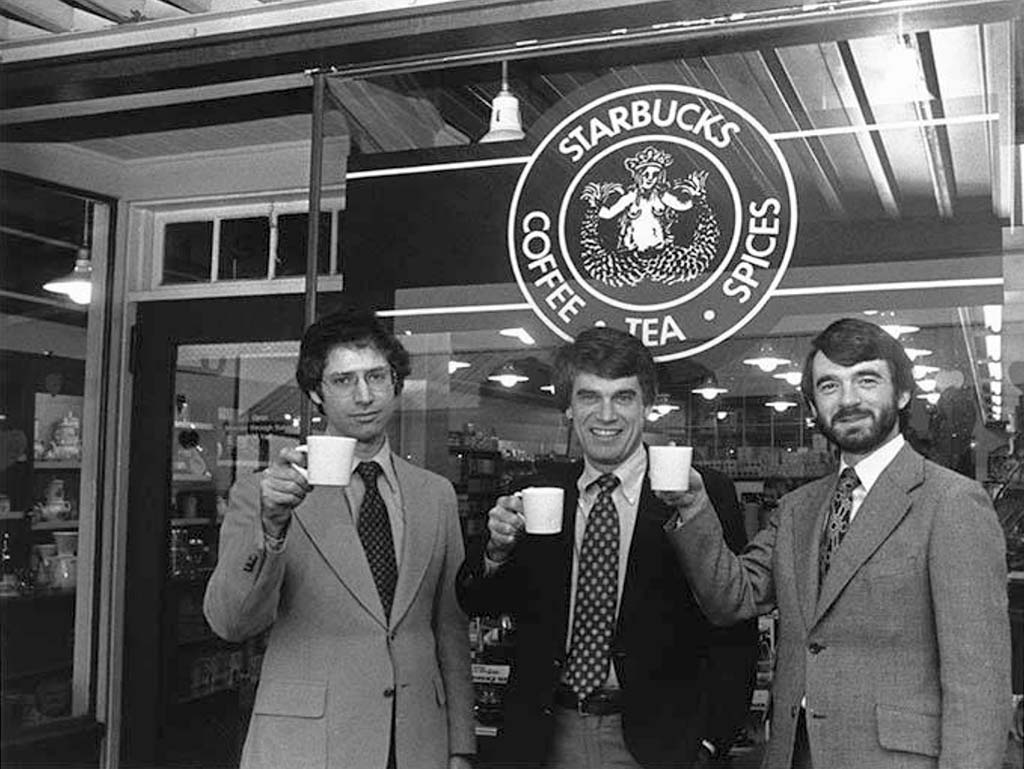
The inception of Starbucks in 1971 marked the humble beginnings of what would become a global phenomenon. Founded by Jerry Baldwin, Gordon Bowker, and Zev Siegl, all passionate about high-quality coffee and the art of its preparation, the initial vision was rooted in a commitment to exceptional beans and a superior roasting process. This foundational dedication to product quality, long before the era of the “third wave” coffee movement, set Starbucks apart from its contemporaries and laid the groundwork for its future brand aspirations.
The Seattle Roots and the Pursuit of Excellence
Seattle, a city with a burgeoning appreciation for coffee culture, provided the fertile ground for Starbucks’ early growth. The founders, inspired by Alfred Peet of Peet’s Coffee & Tea, aimed to import and roast the finest Arabica beans from around the world. Their initial focus was not on serving brewed coffee but on selling whole bean coffee, along with roasting equipment and information on how to brew the best cup at home. This early emphasis on education and the craft of coffee was an implicit part of their brand proposition – they were not just selling a product, but an experience and a superior understanding of coffee.
The Peet’s Influence and the Foundation of Quality
The mentorship and early partnership with Alfred Peet were instrumental in shaping Starbucks’ early brand identity. Peet, a renowned coffee roaster, shared his expertise and his unwavering commitment to quality. This influence permeated Starbucks’ operational ethos, establishing a benchmark for the beans they sourced and the way they were roasted. This dedication to intrinsic product quality was a cornerstone of their brand strategy, differentiating them in a market that was, at the time, largely dominated by mass-produced, lower-quality coffee. It was a conscious decision to build a brand around a superior offering, a principle that would guide their expansion and evolution.
The Evolution of the Brand: From Beans to the “Third Place”
The transformation of Starbucks from a niche coffee bean retailer to a global beverage behemoth involved significant strategic pivots, most notably the acquisition by Howard Schultz and the introduction of brewed coffee as a central offering. This shift was driven by a vision to create not just a place to buy coffee, but a destination, a “third place” between home and work, fostering a unique brand experience.
Howard Schultz’s Vision and the Italian Inspiration
The pivotal moment in Starbucks’ brand history arrived when Howard Schultz, then a store manager, experienced the vibrant coffee bar culture of Italy. He envisioned transplanting this sense of community and refined coffee experience to the United States. His vision was to create an environment where people could gather, socialize, and enjoy expertly crafted espresso beverages. This was a radical departure from the original founders’ focus on whole beans and represented a bold redefinition of the Starbucks brand. Schultz’s ability to articulate and champion this new vision, and eventually acquire the company, was a testament to his entrepreneurial spirit and his deep understanding of branding and consumer psychology.
The Birth of the “Third Place” Concept

The “third place” concept, popularized by sociologist Ray Oldenburg, became the central tenet of Starbucks’ brand strategy under Schultz’s leadership. It represented a place of belonging, comfort, and community, distinct from the home and the workplace. This was not merely about serving coffee; it was about cultivating an atmosphere. The ambiance of Starbucks stores – the comfortable seating, the soft lighting, the curated music, and the friendly baristas – were all meticulously designed elements to support this “third place” identity. This strategic branding moved Starbucks beyond a transactional relationship with its customers to an emotional connection, building loyalty and encouraging repeat visits. The carefully crafted store experience became as much a part of the brand as the coffee itself.
Global Expansion and Brand Identity: A Consistent Experience Worldwide
Starbucks’ journey from a single store in Seattle to thousands of locations across the globe is a masterclass in scalable brand strategy and maintaining a consistent corporate identity. The brand’s success in international markets hinges on its ability to adapt its core offerings while preserving the essence of its brand promise, ensuring that a Starbucks experience in Tokyo feels recognizably like one in New York.
Standardizing the Experience: The Power of Consistency
A key to Starbucks’ global brand success is its relentless focus on consistency. From the design of the stores to the taste of the beverages and the quality of service, Starbucks endeavors to deliver a predictable and comforting experience to its customers, regardless of their location. This standardization is achieved through rigorous training programs for baristas, detailed operational manuals, and a robust supply chain that ensures the quality of beans and ingredients. This commitment to consistency breeds trust and familiarity, making Starbucks a reliable choice for consumers navigating unfamiliar environments or seeking a taste of the familiar. It’s a brand promise that is consistently met, reinforcing its global appeal.
Adapting to Local Palates: Balancing Global and Local
While consistency is paramount, Starbucks has also demonstrated a shrewd understanding of the need to adapt to local tastes and cultural nuances. This is a delicate balancing act, ensuring that while the core brand identity remains intact, the product offerings can resonate with diverse consumer preferences. This might manifest in the introduction of unique seasonal beverages tailored to specific markets, or the subtle adjustments in flavor profiles to cater to regional palates. This strategic localization, when executed thoughtfully, strengthens the brand’s connection with local consumers, making it feel less like an imposition and more like an integrated part of the community, while still reinforcing its global brand recognition.
Marketing and Brand Reinforcement: Building a Lifestyle
Starbucks’ marketing efforts have consistently focused on building a lifestyle brand rather than simply promoting a product. Their strategy has been about embedding Starbucks into the fabric of daily life, making it aspirational and desirable, and fostering a sense of community around their offerings.
The Power of the Logo and Visual Identity
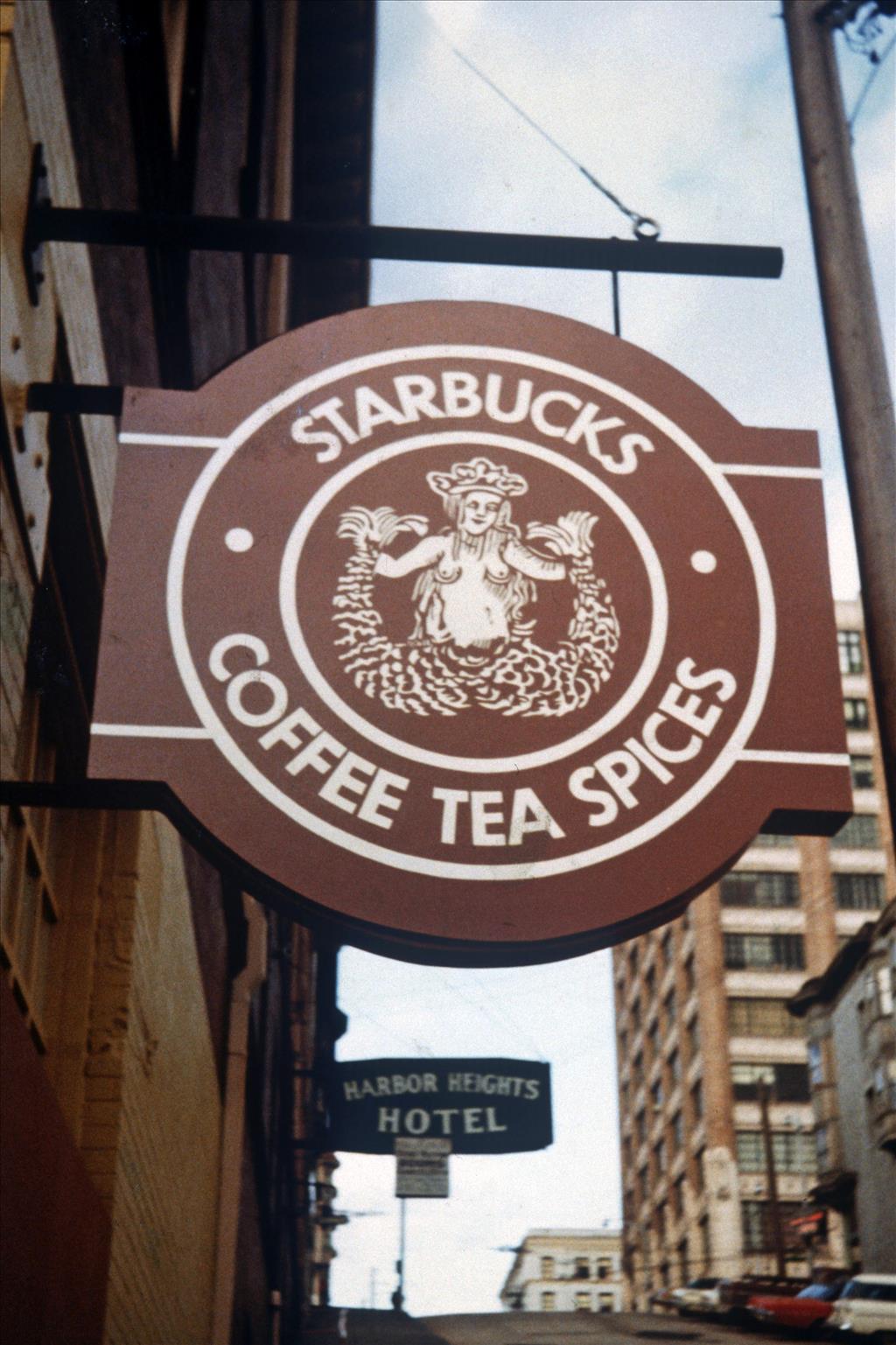
The iconic green siren logo is one of the most recognizable symbols in the world. Its design, which has evolved over time, is a critical element of Starbucks’ brand identity. The circular emblem, featuring the alluring siren, evokes a sense of mystique and allure, aligning with the sophisticated and aspirational image the brand cultivates. The consistent use of this logo across all touchpoints, from cups and packaging to store signage and digital platforms, reinforces brand recognition and strengthens its visual identity. This deliberate and consistent visual branding is a powerful marketing tool, instantly communicating the Starbucks experience.
Beyond the Cup: Building a Community and Loyalty
Starbucks’ marketing extends far beyond traditional advertising. The company has successfully built a loyal customer base through innovative loyalty programs like Starbucks Rewards, which incentivize repeat purchases and foster a sense of exclusivity. Furthermore, their engagement on social media platforms, the creation of aspirational lifestyle content, and their partnerships with artists and musicians have all contributed to building a robust brand community. Starbucks has positioned itself as more than just a coffee shop; it’s a destination for connection, creativity, and personal enjoyment, a lifestyle brand that resonates deeply with its consumers and ensures its continued relevance and dominance in the global marketplace. The founding year, 1971, might be a simple date, but it marks the beginning of a remarkable brand journey that continues to inspire and captivate.
aViewFromTheCave is a participant in the Amazon Services LLC Associates Program, an affiliate advertising program designed to provide a means for sites to earn advertising fees by advertising and linking to Amazon.com. Amazon, the Amazon logo, AmazonSupply, and the AmazonSupply logo are trademarks of Amazon.com, Inc. or its affiliates. As an Amazon Associate we earn affiliate commissions from qualifying purchases.