
The question of when humanity first set foot on another celestial body is not merely a historical curiosity; it represents a monumental leap in technological achievement, a testament to human ingenuity, and a defining moment in the ongoing narrative of our species’ exploration of the cosmos. The answer, etched into the annals of history, is 1969. This single year marks the culmination of an ambitious endeavor that pushed the boundaries of engineering, computation, and human endurance, ultimately fulfilling a dream as old as civilization itself. The Apollo 11 mission, a beacon of human aspiration and a triumph of technological prowess, saw Neil Armstrong and Buzz Aldrin descend from the lunar module “Eagle” to the dusty surface of the Moon, forever changing our perspective on our place in the universe.

The Technological Crucible: Forging the Path to the Moon
The journey to the Moon was not a sudden event; it was the product of decades of intense scientific research, relentless innovation, and massive investment in technological development. The Space Race, ignited by geopolitical rivalries but fueled by an insatiable human desire to explore, served as an unprecedented catalyst for technological advancement. The Apollo program, in particular, demanded solutions to problems that had never before been conceived, let alone solved. From the colossal power required for liftoff to the delicate precision needed for lunar landing, every phase of the mission presented formidable technical hurdles.
Rocketry and Propulsion: The Engines of Exploration
At the heart of any space mission lies the engine that can overcome Earth’s gravitational pull. For Apollo, this meant developing rockets of unprecedented scale and power. The Saturn V rocket, a marvel of engineering, stands as a testament to this. Standing taller than the Statue of Liberty, it generated over 7.5 million pounds of thrust at liftoff, enough to propel the 3,000-ton spacecraft into orbit and then onto a translunar trajectory. The development of its three stages, each with its own complex engine systems, required breakthroughs in materials science, fuel combustion, and structural integrity. The F-1 engines of the first stage, in particular, were revolutionary, producing more thrust than any engine previously built. Their successful ignition and sustained operation were critical to the mission’s success. Beyond raw power, the control and guidance of these immense machines demanded sophisticated propulsion systems for maneuvering in space, including the Service Module’s main engine for lunar orbit insertion and the Trans-Earth Injection burn to return home.
Guidance, Navigation, and Control (GNC): The Digital Brains of Apollo
The complex trajectory required to reach the Moon and return safely demanded an equally sophisticated guidance, navigation, and control system. This was where the nascent field of digital computing played a pivotal role. The Apollo Guidance Computer (AGC), developed by MIT’s Instrumentation Laboratory, was one of the earliest integrated circuit-based computers. While rudimentary by today’s standards, with only 72KB of memory and a clock speed of about 0.043 MHz, it was revolutionary for its time. The AGC was responsible for performing all critical mission calculations, from plotting the course to controlling the spacecraft’s orientation and thrust. Its innovative use of core rope memory, a form of read-only memory, made it reliable and robust enough for the harsh environment of space. The development of the AGC also spurred significant advancements in software engineering, with techniques for error detection and recovery being pioneered. The intuitive interface, allowing astronauts to input commands via a numeric keypad and display, was another groundbreaking aspect of the GNC system, paving the way for future human-computer interaction.
Life Support and Environmental Control: Sustaining Humanity in the Void
The vacuum of space and the alien environment of the Moon pose immense challenges to human survival. The Apollo program invested heavily in developing robust life support systems that could maintain a habitable environment for the astronauts. This included sophisticated systems for oxygen supply, carbon dioxide removal, temperature and humidity control, and waste management. The Portable Life Support System (PLSS), the backpack worn by astronauts during their lunar excursions, was a miniaturized marvel of engineering. It provided breathable air, regulated temperature, and protected against micrometeoroids, all while allowing for a reasonable degree of mobility. The design of the spacecraft’s interior also prioritized crew comfort and safety, with carefully engineered living spaces and redundant systems to mitigate potential failures. The development of these systems not only enabled the Moon landings but also laid the groundwork for future long-duration space missions and even advanced terrestrial life support technologies.
The Human Element: Courage, Collaboration, and the Spirit of Exploration
While the technological achievements of the Apollo program are undeniable, it is crucial to remember that these machines were operated by humans. The success of the first Moon landing was as much a testament to human courage, resilience, and collaborative spirit as it was to technological advancement. The astronauts, highly trained and exceptionally brave individuals, had to operate under immense pressure, making split-second decisions in uncharted territory.
Astronaut Training and Selection: The Pinnacle of Human Performance
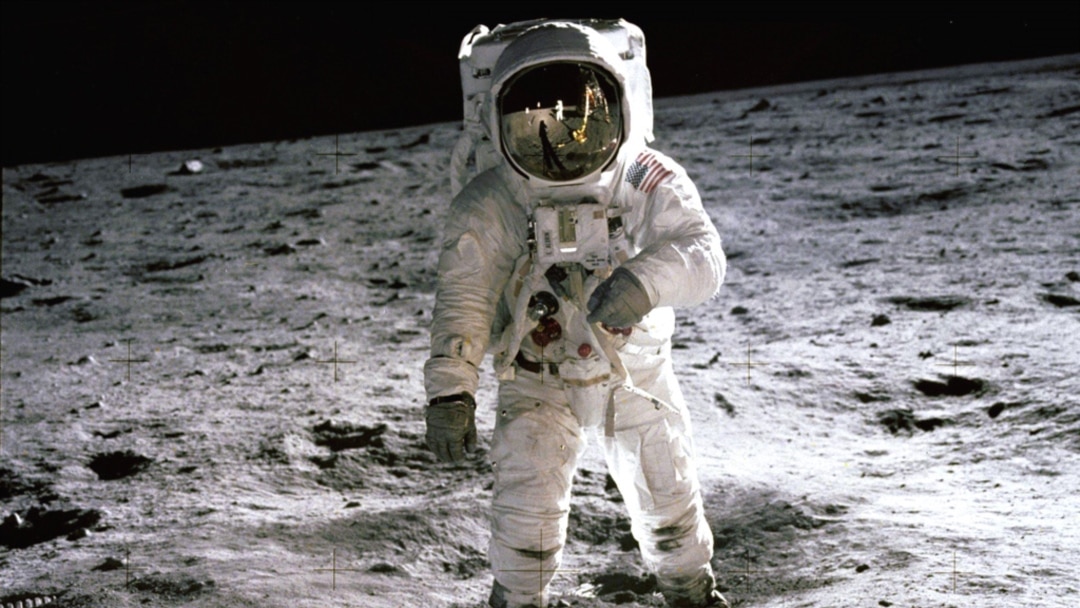
The astronauts of the Apollo program were not just pilots; they were engineers, scientists, and test subjects, all rolled into one. Their rigorous training encompassed every conceivable aspect of spaceflight, from orbital mechanics and spacecraft systems to emergency procedures and lunar geology. They spent thousands of hours in simulators, practicing every maneuver, every contingency. The selection process was equally demanding, seeking individuals with exceptional physical and mental fortitude, as well as the ability to work effectively as part of a team. This intense preparation ensured that when faced with the unexpected, they possessed the knowledge and composure to react appropriately, safeguarding not only their own lives but the success of the entire mission.
Mission Control and Ground Support: The Invisible Backbone of Success
The astronauts in space were not alone. A vast network of engineers, scientists, and technicians on Earth formed Mission Control, a pulsating hub of activity that monitored every aspect of the mission. This team, working tirelessly around the clock, provided real-time telemetry, calculated trajectories, resolved technical issues, and offered crucial guidance to the astronauts. The ability of this vast organization to collaborate, communicate, and innovate under pressure was as vital to the Moon landing as the rockets themselves. The development of real-time communication systems, sophisticated data analysis tools, and the ability to manage complex logistical operations on a global scale were all critical components of the Apollo infrastructure. The iconic phrase “Houston, we have a problem” underscores the constant vigilance and problem-solving prowess of the ground support teams.
The Collective Dream: A Global Spectacle and Inspiration
The first Moon landing was not just an American achievement; it was a global event that captivated the world. Millions tuned in to witness history being made, a shared experience that transcended national boundaries. The images of Neil Armstrong’s bootprint in the lunar dust, the unfurling of the American flag, and the subsequent “giant leap for mankind” resonated deeply with people across the planet. This monumental event served as a powerful inspiration, demonstrating what humanity could achieve when united by a common goal and driven by a spirit of exploration. It sparked interest in science, technology, engineering, and mathematics (STEM) fields for generations to come, fostering a new wave of scientific curiosity and ambition that continues to shape our world.
The Legacy of Apollo 1969: Shaping Our Technological Future
The year 1969, and the Apollo 11 mission specifically, did not just fulfill a dream; it fundamentally altered the trajectory of technological development and human progress. The innovations born out of the Apollo program have had a profound and lasting impact, permeating countless aspects of our modern lives, often in ways we may not even realize.
Spin-off Technologies: Innovations That Transcended Space
The intense pressure to innovate for the Apollo missions led to the development of technologies that, while initially designed for the extreme conditions of space, found invaluable applications here on Earth. The miniaturization of electronics, driven by the need for lightweight and reliable components in spacecraft, was a direct precursor to the microchips that power our computers, smartphones, and countless other devices. The development of advanced materials, such as those used in heat shields and spacesuits, has led to improved safety equipment, medical implants, and durable consumer goods. Even everyday items like cordless power tools, freeze-dried food, and improved athletic footwear can trace their lineage back to the technological advancements spurred by the Apollo program. The medical field, in particular, has benefited immensely from space-age innovations, with advancements in remote monitoring, diagnostic imaging, and minimally invasive surgical techniques all influenced by technologies developed for astronaut health and safety.
The Dawn of the Digital Age: Computing’s Evolutionary Leap
The Apollo Guidance Computer, as mentioned earlier, was a groundbreaking piece of technology in its own right. Its development was instrumental in pushing the boundaries of integrated circuit design and software engineering. The demand for reliable and powerful computing for the space program provided a crucial impetus for the burgeoning computer industry. The AGC’s success demonstrated the viability of digital computers for complex real-time control systems, influencing the design and development of future computer architectures. It helped to legitimize and accelerate the adoption of digital technology, laying essential groundwork for the personal computer revolution and the widespread digital transformation we experience today. The advancements in error correction and fault tolerance developed for Apollo remain critical in modern computing, ensuring the reliability of the systems we depend on.
Inspiring Future Generations: The Enduring Call of the Stars
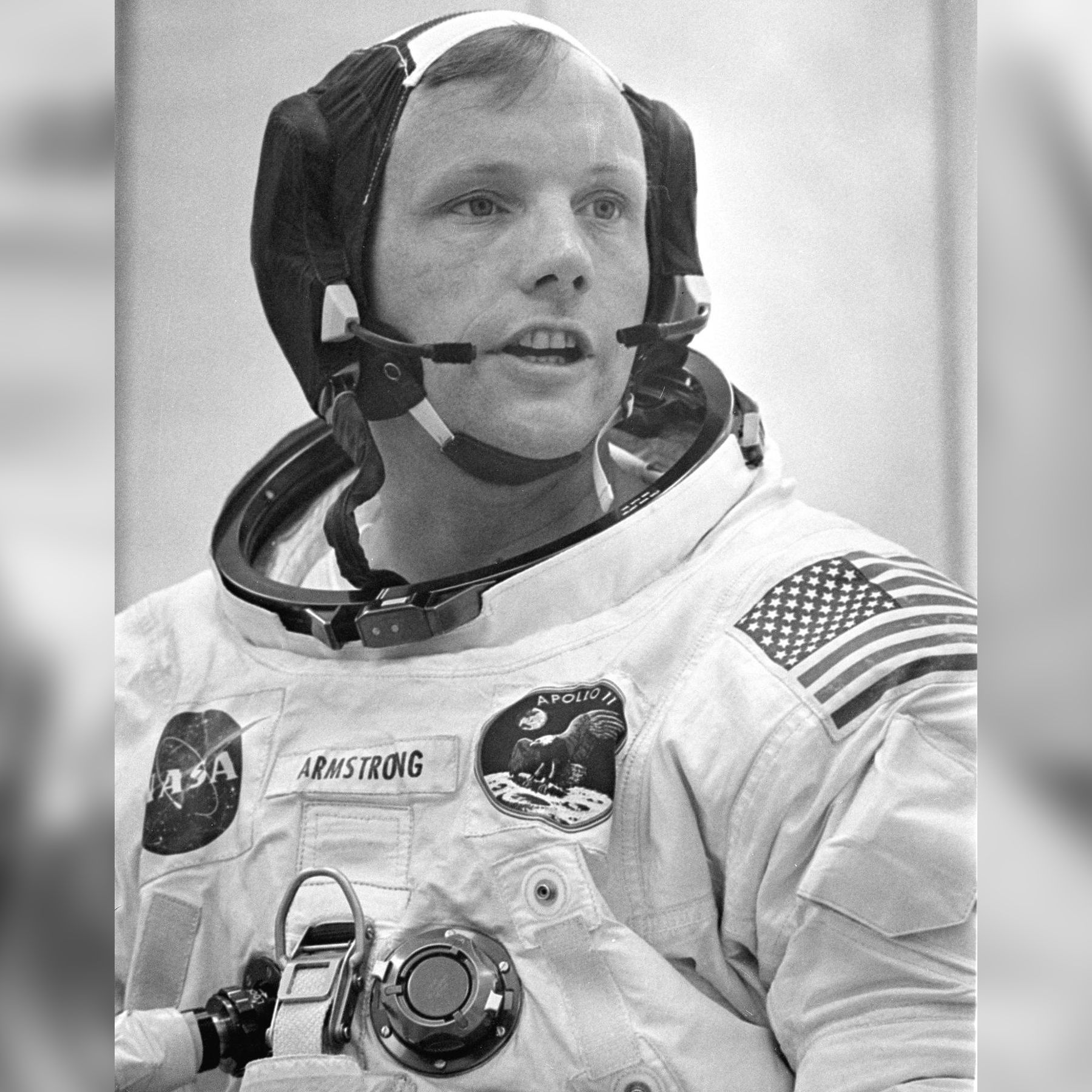
The visual imagery and narrative of the Moon landing continue to inspire awe and wonder in people of all ages. The “Earthrise” photograph, taken during the Apollo 8 mission (preceding Apollo 11), offered humanity a new perspective on its home planet, fostering a greater sense of environmental awareness. The very act of landing on the Moon served as a powerful demonstration of what is possible when humanity sets its sights on ambitious goals. It continues to fuel the imaginations of aspiring scientists, engineers, and explorers, encouraging them to pursue careers in STEM fields and to dream of even greater achievements in space exploration, such as returning to the Moon with more ambitious missions and venturing to Mars and beyond. The legacy of 1969 is not just about a historical event; it’s about the enduring human spirit of curiosity and the relentless pursuit of the unknown, a spirit that was profoundly amplified by that single, unforgettable year.
aViewFromTheCave is a participant in the Amazon Services LLC Associates Program, an affiliate advertising program designed to provide a means for sites to earn advertising fees by advertising and linking to Amazon.com. Amazon, the Amazon logo, AmazonSupply, and the AmazonSupply logo are trademarks of Amazon.com, Inc. or its affiliates. As an Amazon Associate we earn affiliate commissions from qualifying purchases.