
The pharmaceutical industry, a bedrock of human health and well-being, is increasingly being revolutionized by technological advancements. From the intricate design of molecules to the precision of drug delivery systems and the vast computational power employed in research and development, technology is no longer an auxiliary component but a fundamental driver of pharmaceutical innovation. Ozempic, a widely recognized medication, stands as a prime example of this evolution, showcasing how cutting-edge science and technology converge to create powerful therapeutic solutions. This article delves into the technological underpinnings and innovative aspects of Ozempic, exploring its classification within the broader landscape of pharmacologically engineered treatments.
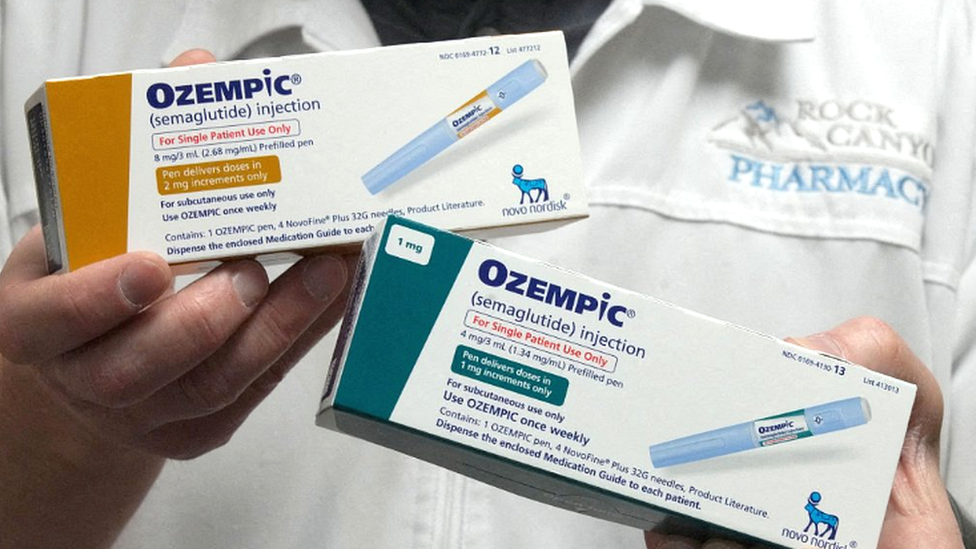
The Rise of GLP-1 Receptor Agonists: A Technological Leap in Metabolic Management
Ozempic belongs to a class of drugs known as glucagon-like peptide-1 (GLP-1) receptor agonists. This classification itself is a testament to sophisticated scientific understanding and technological application. The discovery and development of GLP-1 receptor agonists represent a significant breakthrough in managing type 2 diabetes and, more recently, obesity.
Understanding the Incretin Effect: Mimicking Nature with Precision Engineering
At its core, the development of GLP-1 receptor agonists hinges on understanding and mimicking the body’s natural incretin system. Incretins are hormones released by the gut in response to food intake. These hormones play a crucial role in regulating blood glucose levels by stimulating insulin secretion, suppressing glucagon release, slowing gastric emptying, and promoting satiety. The “incretin effect” refers to the observation that oral glucose leads to a greater insulin response than intravenous glucose, suggesting the involvement of gut-derived factors.
Years of research, employing advanced analytical techniques and biological assays, allowed scientists to identify and characterize these incretin hormones, primarily GLP-1 and glucose-dependent insulinotropic polypeptide (GIP). The challenge then became to develop compounds that could effectively activate the GLP-1 receptor, mimicking the actions of native GLP-1 but with enhanced stability and efficacy. This is where advanced medicinal chemistry and pharmaceutical technology truly shine.
Molecular Design and Synthesis: The Art and Science of Drug Creation
The creation of a GLP-1 receptor agonist like Ozempic is a triumph of molecular design and chemical synthesis. Medicinal chemists, armed with sophisticated computational tools and a deep understanding of molecular biology, embark on designing molecules that can bind to and activate the GLP-1 receptor with high specificity and affinity.
- Peptidomimetics and Analogs: Native GLP-1 is a peptide hormone, which means it’s susceptible to rapid degradation by enzymes in the body. To overcome this limitation, pharmaceutical scientists create GLP-1 receptor agonists that are not identical to native GLP-1 but rather are peptidomimetics or analogs. These are structurally modified versions designed to resist enzymatic breakdown, thereby extending their duration of action. The process involves intricate chemical modifications, such as amino acid substitutions, to enhance stability without compromising receptor binding.
- Recombinant DNA Technology: The production of certain peptide-based drugs, including some earlier generations of GLP-1 analogs, often relies on recombinant DNA technology. This biotechnological process involves inserting genes that code for the desired peptide into a host organism (like bacteria or yeast), which then produces large quantities of the therapeutic protein. While Ozempic’s specific manufacturing process is proprietary, the broader field of peptide drug production is deeply rooted in biotechnological advancements.
- Chromatographic Purification and Quality Control: Once synthesized, the active pharmaceutical ingredient (API) must be purified to extremely high standards. Sophisticated chromatographic techniques, such as High-Performance Liquid Chromatography (HPLC), are employed to separate the desired molecule from impurities. Rigorous quality control measures, utilizing mass spectrometry and other advanced analytical instruments, are essential to ensure the purity, potency, and safety of the drug.
The Technological Backbone of Ozempic: From Discovery to Delivery
The journey of Ozempic from a concept to a readily available medication involves a complex interplay of various technological domains within the pharmaceutical sector. This extends far beyond the initial molecular design to encompass manufacturing, formulation, and delivery.
Research and Development: Leveraging Computational Power and Big Data
The discovery of GLP-1 receptor agonists was significantly accelerated by advancements in computational chemistry and bioinformatics.

- In Silico Screening and Drug Discovery: Before expensive and time-consuming laboratory experiments, computational methods are used to screen vast libraries of chemical compounds for potential activity against the GLP-1 receptor. Molecular docking simulations predict how well candidate molecules might bind to the receptor. This in silico approach dramatically narrows down the number of compounds that need to be synthesized and tested in the lab, saving time and resources.
- Genomics and Proteomics: Understanding the genetic and protein basis of metabolic diseases and identifying potential drug targets relies heavily on genomics and proteomics. The identification of the GLP-1 receptor itself and the pathways it influences were fruits of these advanced biological research technologies.
- Artificial Intelligence (AI) in Drug Discovery: The field is rapidly evolving with AI playing an increasingly significant role. AI algorithms can analyze massive datasets of biological and chemical information to identify novel drug targets, predict drug properties, and optimize molecular structures. While not explicitly stated for Ozempic’s initial development, AI is now a powerful tool in the ongoing evolution and discovery of new GLP-1 analogs and other metabolic medications.
Advanced Manufacturing and Formulation: Ensuring Efficacy and Patient Compliance
The technology behind Ozempic’s formulation and manufacturing is critical to its therapeutic success and user experience.
- Controlled Release Formulations: To achieve the desired long-acting effect of Ozempic, advanced formulation technologies are employed. These technologies ensure that the active ingredient is released into the body at a controlled rate over an extended period, typically once weekly. This involves sophisticated methods of encapsulating the drug and designing delivery matrices.
- Sterile Manufacturing Processes: Pharmaceutical manufacturing, especially for injectable medications, requires extremely stringent sterile manufacturing environments. This involves highly controlled cleanrooms, sophisticated filtration systems, and automated filling and packaging lines to prevent microbial contamination. These technologies are essential for ensuring the safety and efficacy of injectable drugs like Ozempic.
- Device Technology for Administration: The delivery device for Ozempic, a pre-filled injection pen, is itself a product of meticulous engineering and technology. These pens are designed for ease of use, accuracy, and patient comfort. They incorporate features that ensure correct dosing and provide clear feedback to the user, reducing the potential for errors and enhancing patient adherence to treatment. The development of such devices requires expertise in mechanical engineering, material science, and human-factors engineering to create a user-friendly and reliable delivery system.
The Pharmacological Profile of Ozempic: A Technological Marvel in Action
Understanding what type of medication Ozempic is requires delving into its pharmacological actions, which are a direct result of its advanced molecular design and technological development.
Mechanism of Action: Mimicking and Enhancing Natural Processes
Ozempic, as a GLP-1 receptor agonist, functions by binding to the GLP-1 receptors in the body. This binding triggers a cascade of beneficial effects that help to regulate blood glucose and promote weight loss.
- Glucose-Dependent Insulin Secretion: When blood glucose levels rise, Ozempic stimulates the pancreas to release insulin. Crucially, this insulin release is glucose-dependent, meaning it happens primarily when blood sugar is high, thus reducing the risk of hypoglycemia (dangerously low blood sugar) compared to some other diabetes medications. This precision is a direct outcome of understanding the intricate signaling pathways mediated by the GLP-1 receptor.
- Suppression of Glucagon Release: Glucagon is a hormone that counteracts insulin by raising blood glucose levels. Ozempic inhibits the release of glucagon when blood glucose is high, further contributing to blood sugar control.
- Delayed Gastric Emptying: By slowing down the rate at which food leaves the stomach, Ozempic helps to reduce the sharp spikes in blood glucose that can occur after meals. This also contributes to a feeling of fullness, which can aid in weight management.
- Central Appetite Regulation: Emerging research suggests that GLP-1 receptors are also present in the brain, and activation by Ozempic can influence appetite control centers, leading to reduced food intake and contributing to weight loss. This highlights the broad impact of targeting this sophisticated biological pathway.
Therapeutic Applications: Expanding Horizons through Targeted Technology
Originally developed for type 2 diabetes, the potent effects of Ozempic on weight have led to its expanded use and development for chronic weight management. This evolution is a testament to how understanding a drug’s comprehensive pharmacological profile, enabled by advanced scientific inquiry, can unlock new therapeutic avenues.
- Type 2 Diabetes Management: The primary indication for Ozempic is to improve glycemic control in adults with type 2 diabetes mellitus, often in conjunction with diet and exercise.
- Chronic Weight Management: For individuals with obesity or overweight who have at least one weight-related comorbidity, Ozempic has been approved as a therapeutic option to aid in achieving and maintaining weight loss. This dual action underscores the complex and integrated nature of metabolic regulation that Ozempic effectively targets.

Conclusion: Ozempic as a Paradigm of Tech-Driven Pharmaceutical Advancement
In essence, Ozempic is a synthetic analog of the human hormone glucagon-like peptide-1 (GLP-1), developed and manufactured through sophisticated technological processes. It belongs to the class of GLP-1 receptor agonists, a testament to advancements in medicinal chemistry, biotechnology, and pharmacology. The development of Ozempic exemplifies how deep scientific understanding, coupled with cutting-edge technological applications in molecular design, synthesis, formulation, and delivery, can lead to groundbreaking therapies that address complex health challenges like type 2 diabetes and obesity. As technology continues to advance, we can anticipate further innovations in this field, promising even more effective and personalized treatment options for a wide range of conditions. The journey of Ozempic is a powerful narrative of how technology is not just a tool but a fundamental enabler of progress in the pharmaceutical realm, driving us towards a healthier future.
aViewFromTheCave is a participant in the Amazon Services LLC Associates Program, an affiliate advertising program designed to provide a means for sites to earn advertising fees by advertising and linking to Amazon.com. Amazon, the Amazon logo, AmazonSupply, and the AmazonSupply logo are trademarks of Amazon.com, Inc. or its affiliates. As an Amazon Associate we earn affiliate commissions from qualifying purchases.