
Mounjaro, the brand name for tirzepatide, has emerged as a significant player in the pharmaceutical market, garnering considerable attention not only for its therapeutic potential but also for its substantial impact on the healthcare economy. While its primary classification is as a medication, understanding its “type” from a financial and market perspective reveals it as a high-value, innovation-driven product with profound implications for patients, payers, and the pharmaceutical industry at large. This article delves into the financial underpinnings of Mounjaro, examining its market positioning, pricing strategies, and the economic considerations that shape its accessibility and profitability.
The Economic Significance of Novel Therapeutics
The development and launch of groundbreaking medications like Mounjaro represent a substantial financial undertaking for pharmaceutical companies, requiring billions of dollars in research and development, clinical trials, and regulatory approvals. In return, successful drugs can generate billions in revenue, making them critical drivers of growth and profitability within the sector.
Research and Development Investment: A High-Stakes Gamble
The journey from a laboratory concept to a market-ready drug is fraught with scientific and financial hurdles. Pharmaceutical companies invest heavily in identifying novel drug targets, synthesizing potential compounds, and conducting extensive preclinical and clinical testing. This R&D process can span over a decade and involves significant capital expenditure. For a drug like Mounjaro, which targets complex metabolic pathways, the investment in understanding its mechanism of action and ensuring its safety and efficacy is particularly substantial. This upfront financial commitment necessitates a robust return on investment, which directly influences pricing and market strategies.
Patent Protection and Market Exclusivity: The Foundation of Profitability
Once a drug is approved, pharmaceutical companies typically benefit from patent protection and market exclusivity for a defined period. This intellectual property protection is crucial for recouping R&D costs and generating profits. During this exclusivity period, the originating company is often the sole provider of the drug, allowing for premium pricing strategies. The financial success of Mounjaro hinges significantly on the duration and strength of its patent portfolio, which influences its long-term market dominance and revenue potential.
The Pharmaceutical Value Chain: From Production to Patient
The economic journey of a drug like Mounjaro extends beyond its development. It involves a complex value chain encompassing manufacturing, distribution, marketing, and sales. Each stage adds to the overall cost but also contributes to the drug’s availability and market penetration. Understanding these financial flows is essential for appreciating the economic landscape in which Mounjaro operates.
Mounjaro’s Market Positioning and Pricing Dynamics
Mounjaro’s classification as a novel therapeutic agent for type 2 diabetes and, more recently, for weight management, places it in a highly competitive and lucrative segment of the pharmaceutical market. Its unique mechanism of action and demonstrated efficacy have allowed it to command a premium price, reflecting its perceived value and innovation.
Differentiating Through Novelty: The Dual GIP/GLP-1 Agonist
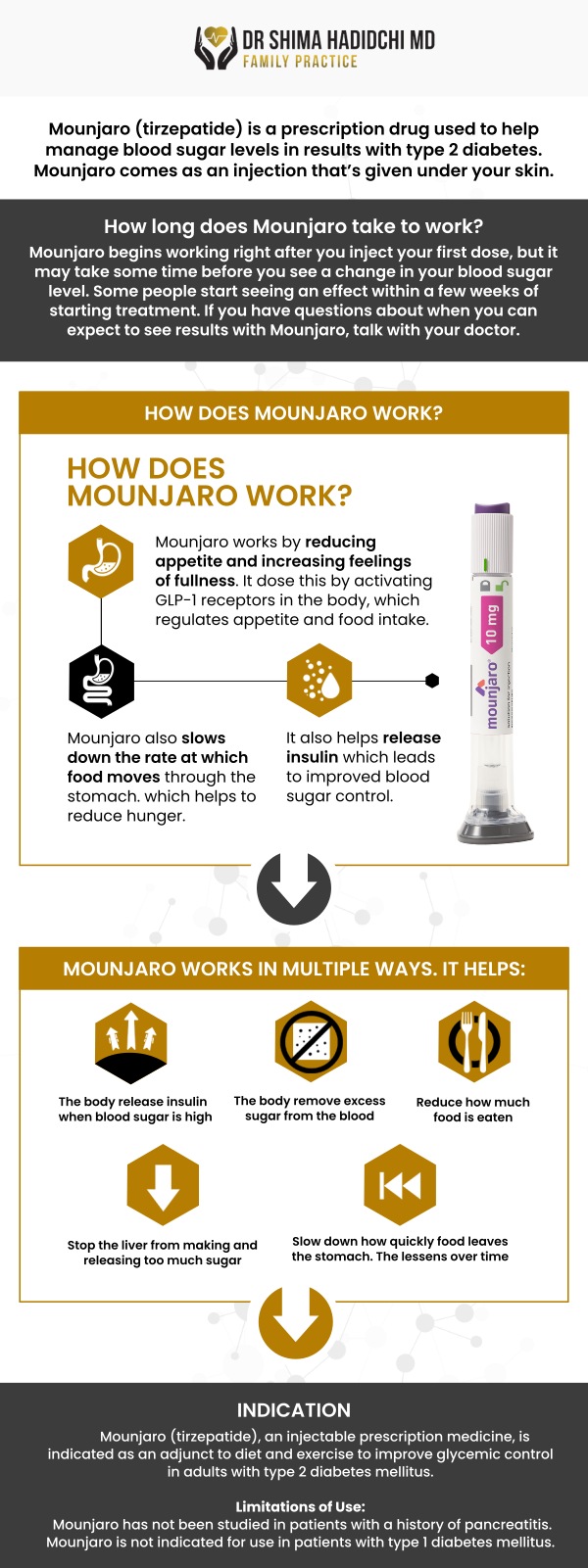
Mounjaro’s distinctiveness lies in its dual agonist mechanism, targeting both glucose-dependent insulinotropic polypeptide (GIP) and glucagon-like peptide-1 (GLP-1) receptors. This innovative approach sets it apart from earlier generations of diabetes and weight-loss medications, such as GLP-1 receptor agonists alone. This scientific differentiation translates into a significant market advantage, allowing for premium pricing due to its enhanced therapeutic benefits, including superior glycemic control and substantial weight loss. From a financial perspective, this novelty justifies a higher price point compared to drugs with less advanced mechanisms.
The High Cost of Innovation: Pricing Strategies for Premium Drugs
The pricing of a drug like Mounjaro is not arbitrary; it’s a carefully calculated strategy influenced by several factors. These include the aforementioned R&D investment, the drug’s perceived clinical value, the competitive landscape, and the ability of patients and healthcare systems to afford it. Pharmaceutical companies often set prices for innovative drugs at a level that reflects their transformative potential and the significant investment required to bring them to market. For Mounjaro, its effectiveness in managing complex conditions like type 2 diabetes and obesity positions it as a high-value asset, enabling premium pricing.
The Impact on Healthcare Budgets: A Financial Burden and a Health Investment

The substantial cost of Mounjaro presents a significant financial challenge for healthcare systems, insurance providers, and individual patients. While the drug offers substantial health benefits, its price can lead to questions about affordability and cost-effectiveness. This creates a tension between the pharmaceutical company’s need to recoup investment and the societal imperative to ensure access to essential medicines. The ongoing negotiations between drug manufacturers, insurers, and government bodies regarding Mounjaro’s reimbursement and formulary placement highlight its significant economic implications for the broader healthcare economy.
The Financial Landscape of Diabetes and Obesity Treatment
Mounjaro operates within a vast and growing market for diabetes and obesity treatments. This market is characterized by intense competition, ongoing innovation, and substantial financial stakes, making it a prime area for pharmaceutical investment and growth.
A Growing Global Market: Addressing Unmet Needs
The global prevalence of type 2 diabetes and obesity continues to rise, creating a substantial and expanding market for effective treatments. This demographic trend fuels demand for innovative pharmaceutical solutions, making drugs like Mounjaro attractive investments for pharmaceutical companies. The financial projections for this market segment are robust, driven by the increasing number of individuals requiring long-term management of these chronic conditions.
Competitive Dynamics and Market Share: The Battle for Dominance
The diabetes and obesity treatment market is highly competitive, with numerous established and emerging players. Pharmaceutical companies vie for market share through product differentiation, marketing efforts, and strategic partnerships. Mounjaro’s success in capturing a significant portion of this market is a testament to its perceived superiority and effective market penetration strategies, all of which have considerable financial implications for its manufacturer.
Reimbursement and Payer Negotiations: The Gatekeepers of Access
The financial accessibility of Mounjaro is heavily influenced by reimbursement decisions made by private insurers and government healthcare programs. These payers evaluate the drug’s cost-effectiveness, clinical benefits, and formulary placement. Successful negotiations with these entities are critical for ensuring that Mounjaro reaches a broad patient population and generates substantial revenue. The financial leverage held by payers can significantly impact a drug’s market penetration and overall financial performance.
The Business of Pharmaceutical Innovation: Profitability and Sustainability
Mounjaro’s existence and success are deeply intertwined with the business model of pharmaceutical innovation. This model prioritizes the development of high-impact, often high-cost, medications that can generate significant profits to fuel future research and development.
Profitability as a Driver of Innovation: The Pharmaceutical Business Model
The pharmaceutical industry operates on a model where profitability is essential for sustaining the costly and risky endeavor of drug discovery. Revenue generated from successful drugs like Mounjaro is reinvested into R&D pipelines, enabling the pursuit of new treatments for other diseases. This creates a cycle where financial success directly supports the advancement of medical science.
Economic Impact on Shareholders and the Economy: A Multifaceted Contribution
The financial success of Mounjaro translates into significant returns for its manufacturer’s shareholders. This can include increased stock prices, dividends, and overall company valuation. Beyond shareholder value, the pharmaceutical industry contributes to the broader economy through job creation, tax revenues, and advancements in public health. The economic ripple effects of a drug like Mounjaro are far-reaching.
The Future of High-Value Therapeutics: Balancing Cost and Access
As pharmaceutical innovation continues to yield increasingly sophisticated and expensive treatments, the challenge of balancing cost with access becomes more pronounced. Mounjaro, with its significant clinical benefits and premium price, exemplifies this ongoing debate. The financial sustainability of healthcare systems, alongside the ethical imperative of equitable access to life-changing medications, will continue to shape the market dynamics for such high-value therapeutics. The financial strategies employed by pharmaceutical companies, alongside the policy decisions of governments and payers, will be crucial in navigating this complex terrain.
aViewFromTheCave is a participant in the Amazon Services LLC Associates Program, an affiliate advertising program designed to provide a means for sites to earn advertising fees by advertising and linking to Amazon.com. Amazon, the Amazon logo, AmazonSupply, and the AmazonSupply logo are trademarks of Amazon.com, Inc. or its affiliates. As an Amazon Associate we earn affiliate commissions from qualifying purchases.