
The Financial Classification of Buspirone: A Market Overview
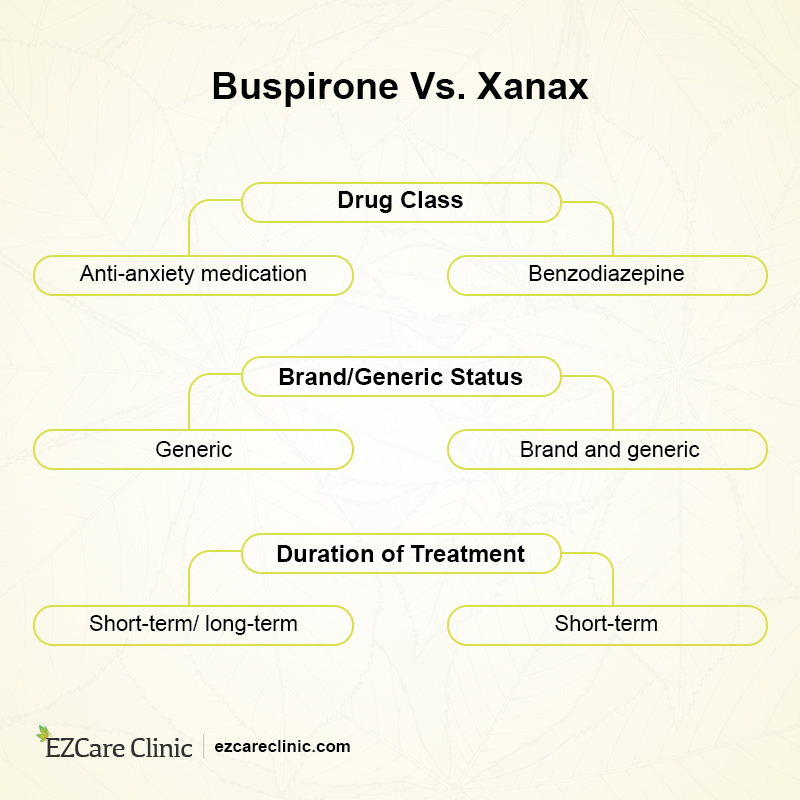
Understanding the financial landscape surrounding pharmaceutical products begins with their fundamental classification and market position. Buspirone, an anxiolytic, presents a compelling case study in how a drug’s therapeutic type and regulatory status profoundly influence its economic footprint. From a financial perspective, buspirone is primarily categorized as a prescription-only medication, falling within the class of anxiolytics, specifically distinct from benzodiazepines. This distinction is crucial for its market dynamics, patent lifecycle, and the subsequent generic availability that shapes its financial accessibility and investment profile.
Understanding Prescription Drug Markets and Generic Entry
The pharmaceutical market is bifurcated into branded and generic segments, each with unique economic drivers. Buspirone was originally introduced as a branded drug, BuSpar, by Bristol-Myers Squibb. During its patent-protected period, it commanded premium pricing, reflecting the substantial research, development, and marketing investments. The “type” of drug in this context dictates its market exclusivity. Once patents expire, generic manufacturers can produce bioequivalent versions, leading to a dramatic shift in market dynamics. Generic entry typically results in a significant price reduction, often by 80% or more, driven by increased competition. For buspirone, the availability of multiple generic manufacturers transformed its market from a high-margin, brand-dominated product to a widely accessible, cost-effective generic option. This transition is a critical financial event, impacting healthcare budgets, patient out-of-pocket expenses, and the revenue streams of pharmaceutical companies. Savvy investors often monitor patent expiry dates and the pipeline of generic drug applications as key indicators for potential market shifts and investment opportunities within the pharmaceutical sector.
The Anxiolytic Market Segment: Demand and Competition
Buspirone’s placement within the anxiolytic market segment further defines its financial characteristics. The demand for anxiolytics is substantial and growing, driven by increasing prevalence of anxiety disorders globally. This sustained demand makes the segment attractive for pharmaceutical innovation and investment. However, it’s also a highly competitive arena, featuring a diverse range of treatment options including selective serotonin reuptake inhibitors (SSRIs), benzodiazepines, and other non-benzodiazepine anxiolytics. Buspirone’s unique mechanism of action and side effect profile (e.g., lower risk of dependence compared to benzodiazepines) positioned it as a distinct alternative. From a financial standpoint, this differentiation can affect market share, pricing power, and the marketing strategies employed by manufacturers. A drug’s “type” in terms of its therapeutic class and efficacy relative to competitors directly influences its perceived value and, consequently, its economic viability. Companies that can demonstrate superior outcomes or fewer side effects often command greater market penetration and pricing leverage, which translates directly into financial performance.
Cost Implications for Consumers and Healthcare Systems
The “type” of drug, particularly its generic status and therapeutic classification, holds significant implications for both individual consumers and broader healthcare systems. Understanding these financial dynamics is crucial for personal finance management related to health and for policy-making concerning healthcare spending. Buspirone, as a generic anxiolytic, offers a valuable perspective on managing medication costs.
Navigating Insurance Coverage and Out-of-Pocket Expenses
For consumers, the cost of medication is a primary concern, directly impacting personal finance. Buspirone’s generic availability significantly reduces its price point compared to its branded predecessor. Most health insurance plans categorize generic drugs into lower tiers, resulting in substantially lower co-pays or deductibles for patients. This makes buspirone a financially attractive option for individuals requiring long-term anxiety management. However, the exact out-of-pocket expense can vary widely depending on the specific insurance plan, its formulary (list of covered drugs), and the patient’s deductible status. High-deductible health plans, for instance, might require patients to pay the full, discounted generic cost until their deductible is met. Understanding these nuances is vital for budgeting healthcare expenses. Financial planning for chronic conditions must account for potential medication costs, and choosing a plan with good generic drug coverage can lead to substantial savings over time. Furthermore, the “type” of drug (e.g., a prescription anxiolytic) means it’s usually covered, unlike some over-the-counter remedies, but the extent of coverage is financially variable.
The Economics of Generic vs. Brand-Name Medications
The generic drug industry plays a pivotal role in curbing healthcare expenditures, making medications like buspirone more accessible. The economic principle is straightforward: competition among generic manufacturers drives prices down dramatically compared to the monopolistic pricing during a brand’s patent protection. For buspirone, the transition to generic status has saved billions in healthcare costs since its patent expiration. This economic efficiency benefits patients through lower co-pays and healthcare systems through reduced overall spending. From a financial analysis perspective, investing in generic drug manufacturers can offer stable returns, as these companies often operate with lower R&D risks and benefit from a steady demand for essential medications. Conversely, pharmaceutical companies with expiring patents face significant revenue cliffs, necessitating strategic R&D investment in new compounds to maintain profitability. The “type” of drug, specifically whether it’s an innovative brand or a cost-effective generic, dictates its financial trajectory and its impact on the wider economy.

Investment Insights: Pharmaceuticals and Mental Health
The pharmaceutical sector, particularly the segment addressing mental health, offers a complex yet potentially rewarding area for investment. The “type” of drug buspirone represents—a well-established anxiolytic with a strong generic presence—provides valuable insights into how to approach investments in this specialized industry.
Assessing Pharmaceutical Company Portfolios with Anxiolytics
Investors analyzing pharmaceutical companies often scrutinize their drug portfolios. A company’s portfolio can range from innovative, high-risk, high-reward pipeline drugs to mature, revenue-generating generics like buspirone. Companies that successfully develop and market novel anxiolytics, especially those addressing unmet needs or offering superior profiles, can see significant growth. However, the buspirone case demonstrates the cyclical nature of drug profitability. While generic buspirone no longer generates significant revenue for the original patent holder, its existence highlights the importance of a diversified portfolio for pharmaceutical companies. Companies that have a balanced mix of branded drugs with long patent lives, a pipeline of promising new compounds, and a segment of established generic products tend to be more financially resilient. Investors should evaluate a company’s ability to innovate, manage patent expirations, and effectively market its therapeutic offerings within specific drug “types” like anxiolytics. The stability provided by a widely used generic such as buspirone, even if no longer proprietary, underpins the broader market’s financial health.
The Broader Economic Impact of Mental Health Treatments
Beyond direct drug sales, the availability and affordability of treatments like buspirone have a profound macroeconomic impact. Untreated anxiety disorders can lead to decreased productivity, increased absenteeism, higher disability claims, and greater utilization of other healthcare services, all of which incur significant economic costs. By providing an accessible and effective treatment option, buspirone contributes to improved mental health outcomes, which in turn can boost workforce participation, reduce healthcare burdens, and enhance overall societal productivity. This wider economic benefit, though harder to quantify in direct stock market terms, represents a substantial return on investment for healthcare systems and society at large. Investors with an interest in ESG (Environmental, Social, Governance) factors might consider the societal value created by companies contributing to affordable mental health solutions as part of their investment thesis. The “type” of drug, in this sense, isn’t just its chemical classification, but its role in the broader economic framework of health and well-being.
Financial Tools and Strategies for Managing Medication Costs
Managing the financial burden of prescription medications, especially for chronic conditions like anxiety, requires strategic planning and utilization of available resources. The generic status of drugs like buspirone opens up several avenues for cost savings.
Leveraging Prescription Discount Programs and Patient Assistance
For individuals without comprehensive insurance or those facing high deductibles, prescription discount programs can be invaluable. These programs, often free to join, offer significant reductions on generic medications, including buspirone. They operate by negotiating prices directly with pharmacies, passing savings on to consumers. Websites and apps dedicated to price comparison for prescriptions can help identify the lowest cost for buspirone at local pharmacies. Additionally, for branded medications or specific circumstances, patient assistance programs (PAPs) offered by pharmaceutical manufacturers or non-profit organizations can provide financial aid or free medication. While buspirone is widely available as a low-cost generic, understanding these programs is essential for managing the costs of a broader medication regimen, which might include more expensive drug “types.” Proactive engagement with these financial tools is a cornerstone of prudent personal finance management in healthcare.
Budgeting for Chronic Medication Management
Incorporating medication costs into a personal or household budget is a crucial financial discipline, particularly when dealing with chronic conditions that require long-term treatment. For a drug like buspirone, which typically involves ongoing use, consistent budgeting ensures that financial resources are allocated without unexpected strain. This involves:
- Estimating Annual Costs: Calculate the total yearly expense, considering co-pays, deductibles, and any potential gaps in coverage.
- Emergency Fund Allocation: Maintain an emergency fund that can cover a few months of medication costs in case of job loss or changes in insurance coverage.
- Reviewing Insurance Plans Annually: During open enrollment periods, critically evaluate health insurance options to ensure they provide the most cost-effective coverage for required medications.
- Exploring Mail-Order Pharmacies: Often, mail-order pharmacies offer lower prices for a 90-day supply of generic drugs like buspirone, providing both convenience and savings.
The “type” of drug, specifically its generic availability, makes budgeting for buspirone relatively straightforward compared to managing expenses for newly patented, high-cost therapies. However, establishing robust financial habits around medication procurement remains vital for sustainable health and financial well-being.
aViewFromTheCave is a participant in the Amazon Services LLC Associates Program, an affiliate advertising program designed to provide a means for sites to earn advertising fees by advertising and linking to Amazon.com. Amazon, the Amazon logo, AmazonSupply, and the AmazonSupply logo are trademarks of Amazon.com, Inc. or its affiliates. As an Amazon Associate we earn affiliate commissions from qualifying purchases.