
The question of “what TV providers” is no longer a simple matter of choosing between a handful of cable companies. The television landscape has undergone a seismic shift, driven by technological advancements, changing consumer habits, and a surge of innovative new services. For many, the traditional pay-TV model feels increasingly outdated, expensive, and inflexible. Instead, a dynamic ecosystem of options has emerged, offering a personalized and often more affordable path to accessing the content we love. Understanding this evolving market is crucial for making informed decisions about how you consume television, ensuring you get the best value, the most relevant content, and the most seamless viewing experience.
This guide aims to demystify the current world of TV providers, exploring the various categories of services available and helping you identify which best suits your needs. We’ll delve into the technological underpinnings of these services, how they are reshaping our entertainment habits, and ultimately, how to make a smart choice in a crowded marketplace.
The Shifting Sands of Television Delivery: From Cable to Streaming
For decades, cable and satellite providers were the undisputed gatekeepers of home entertainment. Their bundled packages offered a predictable, albeit often overwhelming, array of channels. However, the advent of high-speed internet has fundamentally altered this paradigm, paving the way for a new era dominated by streaming.
The Rise of Internet Protocol Television (IPTV)
At the core of this transformation lies Internet Protocol Television (IPTV). Unlike traditional broadcast or cable television, which relies on dedicated physical infrastructure, IPTV delivers television content over the internet using IP networks. This technological shift has unlocked a world of possibilities, enabling on-demand viewing, personalized recommendations, and the ability to watch content across multiple devices.
Understanding the Spectrum of IPTV Services
IPTV encompasses a broad range of services, each with its own unique approach to content delivery and business model. These can be broadly categorized as follows:
- Traditional Cable and Satellite Providers (with Streaming Options): Many legacy providers are adapting to the streaming revolution by offering their own apps and online platforms that allow subscribers to access their channels and on-demand content via the internet. While they may still operate physical infrastructure, their service delivery is increasingly integrated with IP-based technologies. These often remain attractive for those who want a comprehensive channel lineup and are comfortable with a bundled package, but they are also facing intense competition.
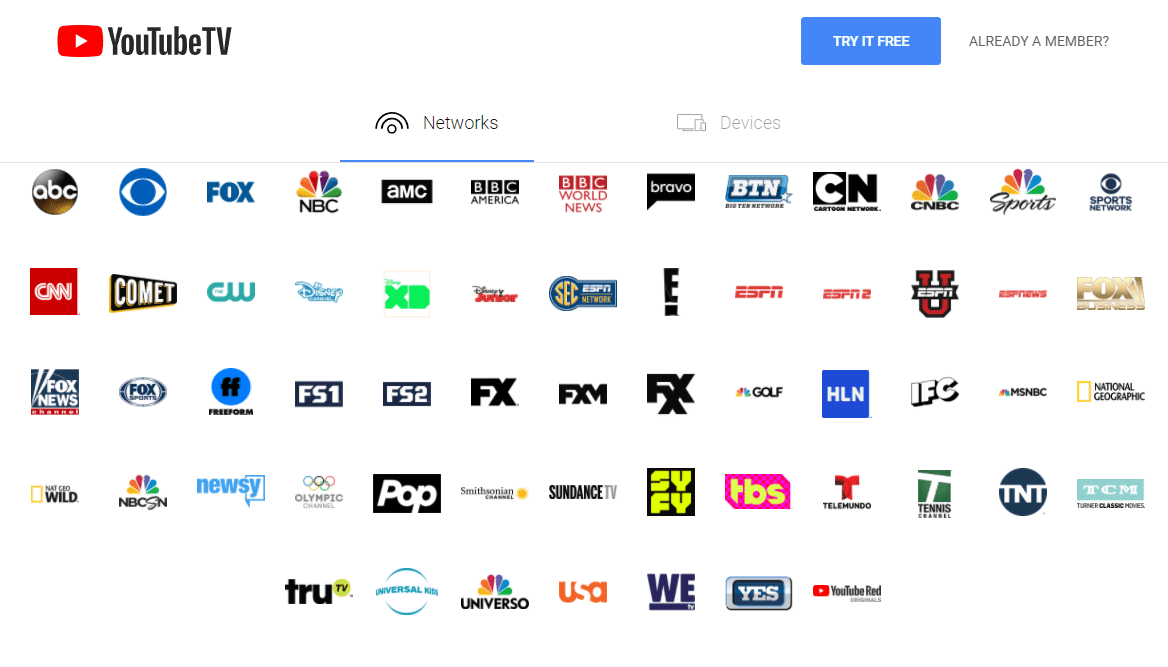
- Live TV Streaming Services (Over-the-Top – OTT): These services are perhaps the most direct challengers to traditional cable. They offer live television channels, often mimicking the channel lineups of cable packages, but delivered entirely over the internet. Examples include YouTube TV, Hulu + Live TV, Sling TV, and FuboTV. The key advantage here is the elimination of long-term contracts, the flexibility to cancel or change plans easily, and often a lower monthly cost for comparable channel selections.
- Video-on-Demand (VOD) Streaming Services: This category includes the titans of the streaming world like Netflix, Amazon Prime Video, Disney+, HBO Max (now Max), Apple TV+, and Peacock. These platforms primarily offer a vast library of movies, TV shows, documentaries, and original content that users can stream at their convenience. While they don’t typically offer live traditional channels, their exclusive content and extensive back catalogs make them indispensable for many households.
- Sports-Focused Streaming Services: Recognizing the immense popularity of live sports, specialized streaming services have emerged to cater to avid fans. Services like ESPN+, DAZN, and individual league passes (e.g., NBA League Pass, MLB.TV) offer access to live games, highlights, and sports-related programming, often as standalone options or add-ons to broader streaming subscriptions.
- Local Channel Streaming: For those who primarily rely on broadcast television for local news, weather, and emergency information, accessing these channels via streaming can be a concern. While some live TV streaming services include local affiliates, other solutions like over-the-air (OTA) antennas combined with a digital converter box can provide free local channels. Services like Locast (though its future has been uncertain) have also attempted to bridge this gap.
The underlying technology for all these services is the internet. The quality of your internet connection – its speed, stability, and data caps – will directly impact your viewing experience. A robust broadband connection is no longer a luxury but a necessity for enjoying the full spectrum of modern TV provider options.
Evaluating Your Needs: Tailoring Your TV Provider Choice
Selecting the right TV provider(s) requires a thoughtful assessment of your viewing habits, budget, and technical capabilities. There’s no one-size-fits-all solution; instead, the best approach is to curate a personalized entertainment package that aligns with your specific preferences.
Understanding Your Viewing Habits
The first step in this evaluation is to honestly assess how you and your household consume television. Ask yourself:
- What types of content do you watch most frequently? Are you a sports fanatic, a binge-watcher of prestige dramas, a fan of reality TV, or do you primarily rely on local news and programming?
- Do you prefer live TV or on-demand viewing? Do you need to watch events as they happen, or are you content to watch shows and movies on your own schedule?
- Which specific channels or networks are essential for your household? Make a list of your “must-have” channels.
- How many people in your household will be using the service, and do they have different viewing preferences? This might influence the need for multiple profiles or simultaneous streams.
- Are you interested in original content, or do you primarily watch existing shows and movies?
By understanding these fundamental aspects of your viewing habits, you can begin to filter the vast array of provider options. For instance, a devoted sports fan might find FuboTV or ESPN+ indispensable, while a cinephile might prioritize Netflix and HBO Max.
Budget Considerations and Cost-Effectiveness
The cost of TV services can vary significantly. Traditional cable packages often come with hefty monthly bills, installation fees, and long-term contracts that can be difficult to escape. The streaming era has introduced more flexibility, but costs can still add up, especially when subscribing to multiple services.
The Trade-offs of Bundling vs. A La Carte
The traditional cable model thrives on bundling – offering a large package of channels for a set price. While this can seem convenient, it often means paying for many channels you never watch. The streaming world offers a more “a la carte” approach, allowing you to subscribe only to the services that contain the content you desire.
However, a purely a la carte approach can also become expensive. Subscribing to Netflix, HBO Max, Disney+, Amazon Prime Video, and a live TV streaming service could easily exceed the cost of a basic cable package. Therefore, a strategic approach is key:
- Prioritize essential services: Identify the one or two services that provide the most value for your core viewing needs.
- Leverage bundled deals and promotions: Many services offer discounts for annual subscriptions or promotions for new customers.
- Consider services with overlapping content: Some services offer a wide range of content, like Amazon Prime Video, which includes a vast library alongside its original programming and live sports.
- Rotate subscriptions: If your primary interest is in specific original series that cycle through different platforms, consider subscribing to a service for a few months, watching what you want, and then canceling and moving to another.
- Utilize free trials: Most streaming services offer free trial periods, allowing you to test them out before committing to a subscription.
The goal is to build an entertainment portfolio that provides maximum value for your dollar, without unnecessary expenditure on content you won’t consume.
Technological Considerations: Ensuring a Seamless Viewing Experience

While the content is paramount, the underlying technology plays a critical role in the quality and enjoyment of your TV provider experience. The shift to IP-based delivery means your internet infrastructure is the new backbone of your home entertainment.
The Importance of Internet Speed and Reliability
The speed and reliability of your internet connection are directly correlated with the quality of your streaming experience. Low bandwidth or an unstable connection can lead to:
- Buffering: The dreaded spinning wheel that interrupts your viewing.
- Pixelation and low-resolution playback: Content appearing blurry or blocky.
- Lag in live streams: Especially noticeable during live sports where split-second timing is crucial.
- Audio-video sync issues: The sound and picture being out of alignment.
Recommended Internet Speeds for Streaming
While specific recommendations can vary, here are general guidelines:
- For standard definition (SD) streaming: 3-5 Mbps is usually sufficient.
- For high definition (HD) streaming: 5-25 Mbps is recommended.
- For 4K Ultra HD streaming: 25 Mbps or higher is generally required.
It’s important to note that these are per-stream recommendations. If multiple people in your household will be streaming simultaneously, you will need a higher overall bandwidth. For example, if two people are streaming in HD, you’ll need at least 10-50 Mbps.
Beyond raw speed, internet reliability is equally important. Frequent disconnections or inconsistent performance will frustrate even the fastest connections. Consider your Internet Service Provider’s (ISP) reputation for reliability in your area.
Device Compatibility and Smart TV Integration
Modern TV providers are accessed through a variety of devices. Ensuring compatibility is crucial for a smooth user experience.
Navigating the Ecosystem of Streaming Devices
- Smart TVs: Many modern televisions come with built-in “smart” capabilities, allowing you to download and run streaming apps directly. The operating system (e.g., webOS, Tizen, Android TV/Google TV, Roku TV) and its app store will determine which services are readily available.
- Streaming Media Players: Devices like Apple TV, Roku, Amazon Fire TV Stick, and Google Chromecast are dedicated hardware that connect to your TV and provide a platform for streaming apps. These are excellent options for older TVs that lack smart capabilities or for users who prefer a more streamlined and powerful interface.
- Game Consoles: PlayStation and Xbox consoles often have apps for popular streaming services, allowing you to consolidate your entertainment on one device.
- Mobile Devices and Tablets: Many streaming services have robust mobile apps, allowing you to watch on the go or cast content to your TV.
When choosing a TV provider or a combination of providers, it’s wise to verify that the desired apps are available on the devices you intend to use. Many services are widely supported, but niche providers or older platforms might have limitations.
The Future of TV Providers: Personalization and Interactivity
The evolution of TV providers is far from over. The trend is moving towards even greater personalization, interactivity, and integration with other aspects of our digital lives.
The Power of AI and Personalized Recommendations
Artificial intelligence (AI) is increasingly being used by streaming services to understand user preferences and deliver highly tailored content recommendations. Algorithms analyze your viewing history, ratings, and even the time of day you watch to suggest new shows and movies you’re likely to enjoy. This technology aims to cut through the “paradox of choice” by surfacing relevant content from vast libraries.
Beyond Recommendations: Predictive Content
The future may see AI not only recommending existing content but also influencing the creation of new content based on aggregated viewer data. We might also see more interactive elements within shows, allowing viewers to make choices that affect the storyline or access supplementary information directly within the viewing experience.
The Convergence of Content and Connectivity
The lines between different forms of digital entertainment are blurring. We’re seeing increased integration of gaming, social media, and shopping within TV platforms. This convergence suggests a future where your TV provider is not just a source of passive entertainment but a central hub for a broader digital lifestyle.
For example, some services are experimenting with shoppable content, where you can purchase items featured in a show directly through the app. Others are integrating live chat features or social viewing experiences, allowing you to watch with friends remotely.
The Ongoing Battle for Your Living Room
As technology continues to advance, the competition among TV providers will intensify. Consumers stand to benefit from this, as it drives innovation, improves service quality, and fosters more competitive pricing. The question of “what TV providers” will continue to evolve, requiring ongoing evaluation and adaptation from viewers. By staying informed about the technological shifts and understanding your own viewing needs, you can ensure that your home entertainment setup remains optimized for value, quality, and enjoyment.
aViewFromTheCave is a participant in the Amazon Services LLC Associates Program, an affiliate advertising program designed to provide a means for sites to earn advertising fees by advertising and linking to Amazon.com. Amazon, the Amazon logo, AmazonSupply, and the AmazonSupply logo are trademarks of Amazon.com, Inc. or its affiliates. As an Amazon Associate we earn affiliate commissions from qualifying purchases.