
The discomfort and pain associated with kidney stones are undeniable, often prompting immediate medical attention. While the primary focus for individuals experiencing this condition is relief and effective treatment, the financial implications can be a significant secondary concern. Understanding how to navigate the costs associated with diagnosis, treatment, and ongoing management of kidney stones is crucial for maintaining both physical and financial well-being. This article will delve into the financial aspects of kidney stone treatment, exploring insurance coverage, out-of-pocket expenses, potential cost-saving strategies, and the long-term financial planning considerations.

Understanding the Financial Landscape of Kidney Stone Treatment
The cost of treating kidney stones can vary dramatically depending on several factors, including the size and type of stones, the chosen treatment method, geographic location, and insurance coverage. It’s essential to have a foundational understanding of these variables to prepare financially.
Diagnosis and Initial Assessment Costs
The journey to treating kidney stones often begins with diagnostic procedures. These initial steps are vital for accurate identification and can incur their own set of costs.
- Physician Consultations: The first point of contact is usually a primary care physician or a urologist. Office visit co-pays or deductibles will apply, varying based on your insurance plan. These consultations are essential for symptom evaluation and initial recommendations.
- Imaging Tests: To visualize the stones and determine their size, location, and number, various imaging techniques are employed.
- X-rays: While less common for initial detection, X-rays can sometimes identify larger, calcium-based stones. The cost is generally lower compared to other imaging modalities.
- Ultrasound: This is a common, non-invasive method that uses sound waves to create images. It’s often a more affordable imaging option.
- CT Scans (Computed Tomography): Often considered the gold standard for diagnosing kidney stones due to their high accuracy in detecting even small stones, CT scans can be more expensive. They provide detailed cross-sectional images of the urinary tract.
- MRI (Magnetic Resonance Imaging): Less frequently used for routine kidney stone diagnosis, MRI can be an option in specific circumstances and its cost is comparable to or higher than CT scans.
- Urine and Blood Tests: Laboratory tests are frequently ordered to assess kidney function, identify the composition of the stone (if passed), and check for signs of infection. These tests typically have associated lab fees, which may or may not be fully covered by insurance.
- Stone Analysis: If a stone is passed or surgically removed, it can be sent for chemical analysis. This analysis helps identify the specific type of stone (e.g., calcium oxalate, uric acid), which is crucial for developing preventative strategies. The cost of this analysis is often bundled with other procedures or lab work.
Treatment Modalities and Their Associated Costs
Once diagnosed, the approach to treating kidney stones ranges from conservative management to surgical interventions. Each method carries a different price tag.
- Conservative Management and Medical Expulsion Therapy (MET): For smaller stones, physicians may recommend increased fluid intake and pain management. Medications like alpha-blockers (e.g., tamsulosin) can be prescribed to relax the muscles in the urinary tract, facilitating stone passage. The cost here primarily involves prescription drug costs and potentially physician follow-ups. This is often the least expensive treatment pathway.
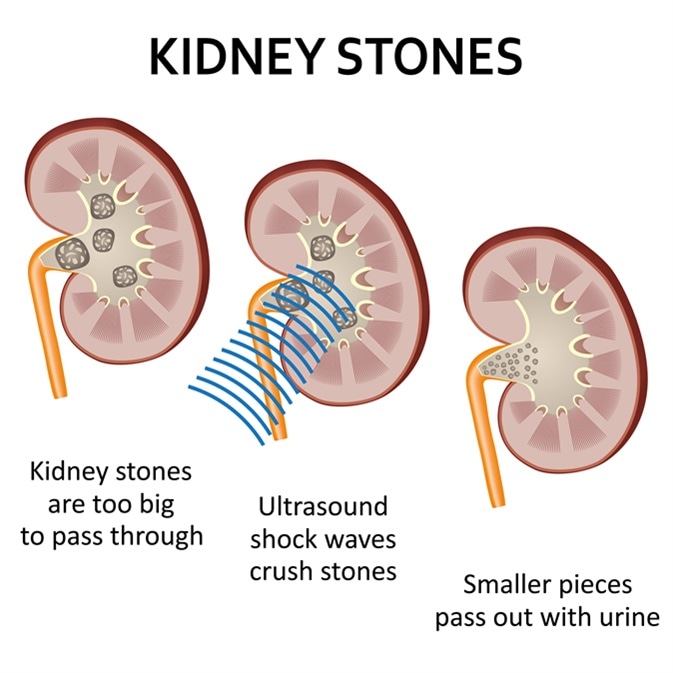
- Extracorporeal Shock Wave Lithotripsy (ESWL): This non-invasive procedure uses focused sound waves to break down stones into smaller fragments that can be passed more easily. ESWL typically requires a single session, but multiple sessions may be needed for larger or stubborn stones. The cost includes the procedure itself, anesthesia (if used), and follow-up care. It is generally less expensive than surgical interventions but may not be suitable for all stone types or locations.
- Ureteroscopy with Laser Lithotripsy: This minimally invasive procedure involves inserting a thin, flexible tube (ureteroscope) with a camera through the urethra and bladder to reach the stone in the ureter or kidney. A laser is then used to break the stone into smaller pieces, which are either removed with a small basket or allowed to pass. This procedure usually requires anesthesia and a short hospital stay or outpatient surgery. Costs include the surgeon’s fee, anesthesia, facility fees, and post-operative care.
- Percutaneous Nephrolithotomy (PCNL): For larger or more complex kidney stones, PCNL is often the preferred method. This surgical procedure involves making a small incision in the back to access the kidney directly and remove the stone. It typically requires general anesthesia and a hospital stay of a few days. PCNL is generally the most expensive treatment option due to its surgical nature and longer recovery period.
- Open Surgery (Rarely Used): In very rare cases, particularly for extremely large or complex stones that cannot be treated with less invasive methods, open surgery may be necessary. This involves a larger incision and is the most invasive and costly treatment option, with a longer recovery time.
Post-Treatment Care and Long-Term Management
The financial considerations don’t end once the stone is treated. Ongoing management and prevention strategies can also incur costs.
- Medications for Prevention: Depending on the stone’s composition, doctors may prescribe medications to prevent future stone formation. These can include diuretics, medications to alter urine pH, or drugs to reduce the excretion of certain minerals. The cost of these prescriptions can accumulate over time.
- Dietary and Lifestyle Changes: While often low-cost, implementing recommended dietary changes (e.g., reducing sodium or animal protein intake, increasing fluid intake) might involve purchasing specific food items or supplements.
- Follow-up Appointments and Testing: Regular follow-up appointments and repeat imaging tests may be recommended to monitor kidney health and ensure no new stones are forming. These visits will involve co-pays and potential testing fees.
Navigating Insurance and Out-of-Pocket Expenses
Understanding your health insurance plan is paramount to managing the financial burden of kidney stone treatment. Different plans offer varying levels of coverage, and being prepared can significantly reduce unexpected costs.
Insurance Coverage for Kidney Stone Treatment
- Deductibles: Most health insurance plans have an annual deductible, which is the amount you must pay out-of-pocket before your insurance begins to cover costs. For significant medical procedures like kidney stone treatment, you may reach your deductible quickly.
- Co-payments (Co-pays): These are fixed amounts you pay for covered healthcare services, such as doctor’s office visits or emergency room visits, after you’ve met your deductible.
- Co-insurance: This is your share of the costs of a covered healthcare service, calculated as a percentage of the allowed amount for the service. For example, if your plan’s co-insurance is 20%, you pay 20% of the cost of the service, and your insurance plan pays the remaining 80%.
- Out-of-Pocket Maximum: This is the most you will have to pay for covered services in a plan year. Once you reach this limit, your health insurance plan pays 100% of the costs of covered benefits. Knowing your out-of-pocket maximum is crucial for budgeting.
- In-Network vs. Out-of-Network Providers: Services from in-network providers are generally less expensive than those from out-of-network providers. Always verify that your chosen hospital, surgeon, and other healthcare providers are in your insurance network to maximize coverage.
- Pre-authorization: For certain procedures, especially surgeries like PCNL or ureteroscopy, your insurance company may require pre-authorization. Failing to obtain this can lead to denied claims and significant out-of-pocket expenses.
Strategies for Minimizing Out-of-Pocket Costs
- Understand Your Plan: Before you need treatment, familiarize yourself with your insurance policy. Attend any open enrollment meetings or contact your HR department for clarification on benefits.
- Compare Provider Costs: If your condition is not an immediate emergency, inquire about costs from different facilities and providers. While quality of care is paramount, understanding pricing can be beneficial.
- Utilize Generic Medications: When possible, opt for generic versions of prescribed medications, which are typically much cheaper than brand-name alternatives.
- Negotiate Bills: If you receive a bill that seems excessively high or you anticipate difficulty paying, contact the billing department of the healthcare facility. Many hospitals have financial assistance programs or are willing to negotiate payment plans or offer discounts for prompt payment.
- Health Savings Accounts (HSAs) and Flexible Spending Accounts (FSAs): If your employer offers HSAs or FSAs, these tax-advantaged accounts can be used to pay for qualified medical expenses, including kidney stone treatment. Contributions to these accounts are tax-deductible, providing an immediate saving.
- Payment Plans: For large medical bills, inquire about setting up a payment plan with the healthcare provider. This allows you to spread the cost over several months, making it more manageable.
Financial Planning and Long-Term Cost Management
Kidney stones can be a recurring issue for some individuals. Proactive financial planning is essential to manage not only immediate treatment costs but also potential future expenses and the impact on your overall financial health.
Budgeting for Medical Expenses
- Create a Dedicated Medical Fund: Even if you have insurance, it’s wise to set aside a portion of your income for unexpected medical expenses. This fund can be part of a broader emergency fund.
- Estimate Potential Costs: Based on your insurance plan and the typical costs of kidney stone treatments in your area, try to estimate potential out-of-pocket expenses for different scenarios. This can help you set realistic savings goals.
- Track Spending: Keep detailed records of all medical expenses related to kidney stones, including bills, Explanation of Benefits (EOBs) from your insurance company, and receipts for co-pays and prescriptions. This is crucial for tax purposes and for understanding your overall financial outlay.
Investing in Prevention and Wellness
While this might seem counterintuitive from a direct “treatment cost” perspective, investing in preventative measures and overall wellness can indirectly save money in the long run by reducing the likelihood of future, costly stone episodes.
- Hydration Strategies: While primarily a health recommendation, prioritizing adequate hydration can be achieved affordably. Investing in a good quality reusable water bottle and making it a habit can be a cost-effective long-term strategy.
- Nutritional Counseling: While there might be an initial cost for consulting a registered dietitian, understanding and implementing a kidney stone-preventative diet can save significant healthcare costs associated with recurring stones. This could involve minor adjustments in grocery spending rather than major overhauls.
- Regular Health Check-ups: Proactive health management, including regular physicals and screenings, can help identify underlying conditions that might contribute to kidney stone formation at an earlier, less expensive stage.

Considering Critical Illness Insurance and Life Insurance
For individuals with a history of kidney stones or a family history, or those who experience severe episodes, considering specific types of insurance might offer financial protection.
- Critical Illness Insurance: This type of insurance provides a lump-sum payout if you are diagnosed with a specified critical illness. While kidney stones themselves might not always qualify, severe complications or related conditions could. It’s important to review policy details carefully.
- Life Insurance: While not directly related to treatment costs, life insurance provides financial security for your beneficiaries in the event of your passing. If kidney stones have a significant impact on your health or if you have other underlying conditions, ensuring your loved ones are financially protected can be a crucial part of your overall financial plan.
The financial management of kidney stone treatment is multifaceted, encompassing initial diagnosis, various treatment options, and ongoing preventative care. By thoroughly understanding your insurance benefits, actively seeking cost-saving opportunities, and implementing proactive financial planning, you can navigate these expenses more effectively and prioritize your health without undue financial strain.
aViewFromTheCave is a participant in the Amazon Services LLC Associates Program, an affiliate advertising program designed to provide a means for sites to earn advertising fees by advertising and linking to Amazon.com. Amazon, the Amazon logo, AmazonSupply, and the AmazonSupply logo are trademarks of Amazon.com, Inc. or its affiliates. As an Amazon Associate we earn affiliate commissions from qualifying purchases.