
The advent of streaming services has fundamentally reshaped our relationship with entertainment. Netflix, a pioneer in this space, offers a vast and ever-changing library of content. However, this abundance can also lead to a form of “choice paralysis.” Faced with an overwhelming selection, many viewers find themselves scrolling endlessly, struggling to find something truly engaging or fulfilling. This article explores how technological advancements and a smart, tech-driven approach can transform the experience of deciding “what to watch on Netflix today,” moving beyond simple recommendation algorithms to a more personalized and efficient entertainment discovery process. We will delve into the role of AI, data analytics, and user interface design in curating viewing habits, and how viewers can proactively leverage these technological tools to their advantage.
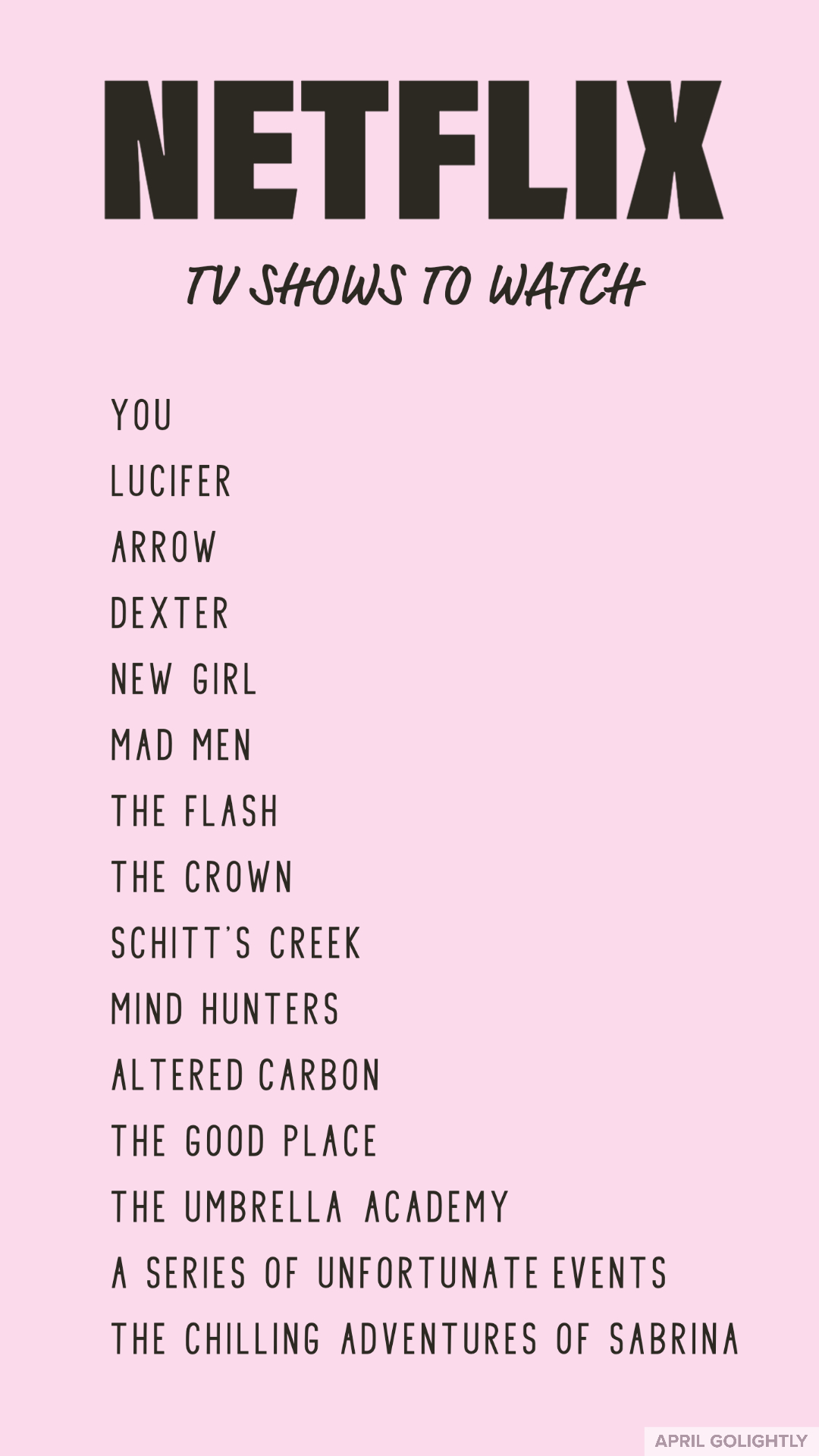
The Evolution of Netflix Recommendations: From Basic Algorithms to AI-Powered Curation
Netflix’s initial success was partly built on its ability to recommend content. However, the underlying technology has undergone a significant transformation. What began as relatively simple collaborative filtering – suggesting titles liked by users with similar viewing histories – has evolved into a sophisticated, multi-faceted recommendation engine driven by artificial intelligence and machine learning. Understanding this evolution is key to appreciating how Netflix aims to personalize our viewing experience and, in turn, how we can better harness its capabilities.
Collaborative Filtering and Content-Based Filtering: The Foundations
At its core, Netflix’s recommendation system relies on two primary filtering techniques. Collaborative filtering, as mentioned, identifies patterns across a large user base. If User A and User B have watched and rated many of the same movies and shows, and User A enjoyed a particular title that User B hasn’t seen, the system will likely recommend that title to User B. Content-based filtering, on the other hand, analyzes the attributes of content itself. If a user frequently watches science fiction movies with strong female leads and complex plotlines, the system will look for other titles that share these characteristics, regardless of what other users are watching.
The Rise of Machine Learning and Deep Learning in Personalization
Modern recommendation systems go far beyond these foundational methods. Machine learning algorithms, including deep learning neural networks, are now instrumental in analyzing a far richer dataset. This includes not just viewing history and ratings, but also implicit signals such as:
- Viewing Time: How long a user watches a particular title before abandoning it.
- Rewatches: Whether a user revisits a show or movie.
- Browsing Behavior: What titles are hovered over, previewed, or added to a watchlist.
- Device and Time of Day: Viewing habits can vary based on the device used (e.g., mobile vs. smart TV) and the time of day.
- Search Queries: The terms users employ when searching for content.
Deep learning models can uncover subtle, non-linear relationships within this data, leading to more nuanced and accurate predictions of user preferences. For instance, a model might learn that a user who enjoys a specific period drama also tends to enjoy documentaries about historical figures from that era, even if the genres are different.
Beyond Algorithms: The Importance of User Interface and Experience Design
While the engine driving recommendations is crucial, the way this information is presented to the user is equally vital. Netflix invests heavily in user interface (UI) and user experience (UX) design to make the discovery process intuitive and engaging. This includes:
- Personalized Rows: The various rows on the homepage (e.g., “Trending Now,” “Because You Watched [Title],” “Top Picks for You”) are dynamically generated based on individual viewing profiles.
- Thumbnails and Trailers: A/B testing is constantly employed to determine which thumbnails and short trailers are most effective at capturing a user’s attention for a particular title. This is a sophisticated application of visual design and behavioral psychology.
- Genre and Category Organization: The way content is categorized and sub-categorized evolves based on viewing trends, helping users navigate the library more effectively.
By understanding that Netflix’s recommendation system is a blend of powerful AI and thoughtful design, viewers can move from passive recipients of suggestions to active participants in curating their own entertainment journey.
Leveraging Netflix’s Tech for Personalized Discovery: Beyond the Homepage
While Netflix’s homepage is designed to surface relevant content, there are numerous ways users can proactively leverage the platform’s underlying technology to refine their viewing choices and discover gems that might otherwise remain hidden. This involves understanding the implicit features of the platform and employing a more strategic approach to your engagement.
Deep Dive into Categories and Sub-Categories
Netflix doesn’t just offer broad genres; it delves into nuanced sub-categories. For example, within “Comedy,” you might find “Slapstick,” “Dark Comedy,” “Romantic Comedies,” and “Satires.” By exploring these more specific groupings, you can often pinpoint content that aligns precisely with your current mood or specific comedic preferences. This is essentially performing a more granular search within the platform’s organized database, guided by your own evolving tastes.
Utilizing “More Like This” and “More Info” Features Strategically
When you stumble upon a title you genuinely enjoy, don’t just move on to the next. Take a moment to explore the “More Like This” section. This feature leverages the content-based filtering described earlier and can be an incredibly powerful tool for finding similar, often overlooked, titles. Similarly, the “More Info” screen offers a wealth of data about a show or movie, including cast, crew, plot summaries, user ratings (often aggregated from external sources), and importantly, related keywords and tags. This information can be used to refine your own internal search criteria or even inform searches outside of Netflix.
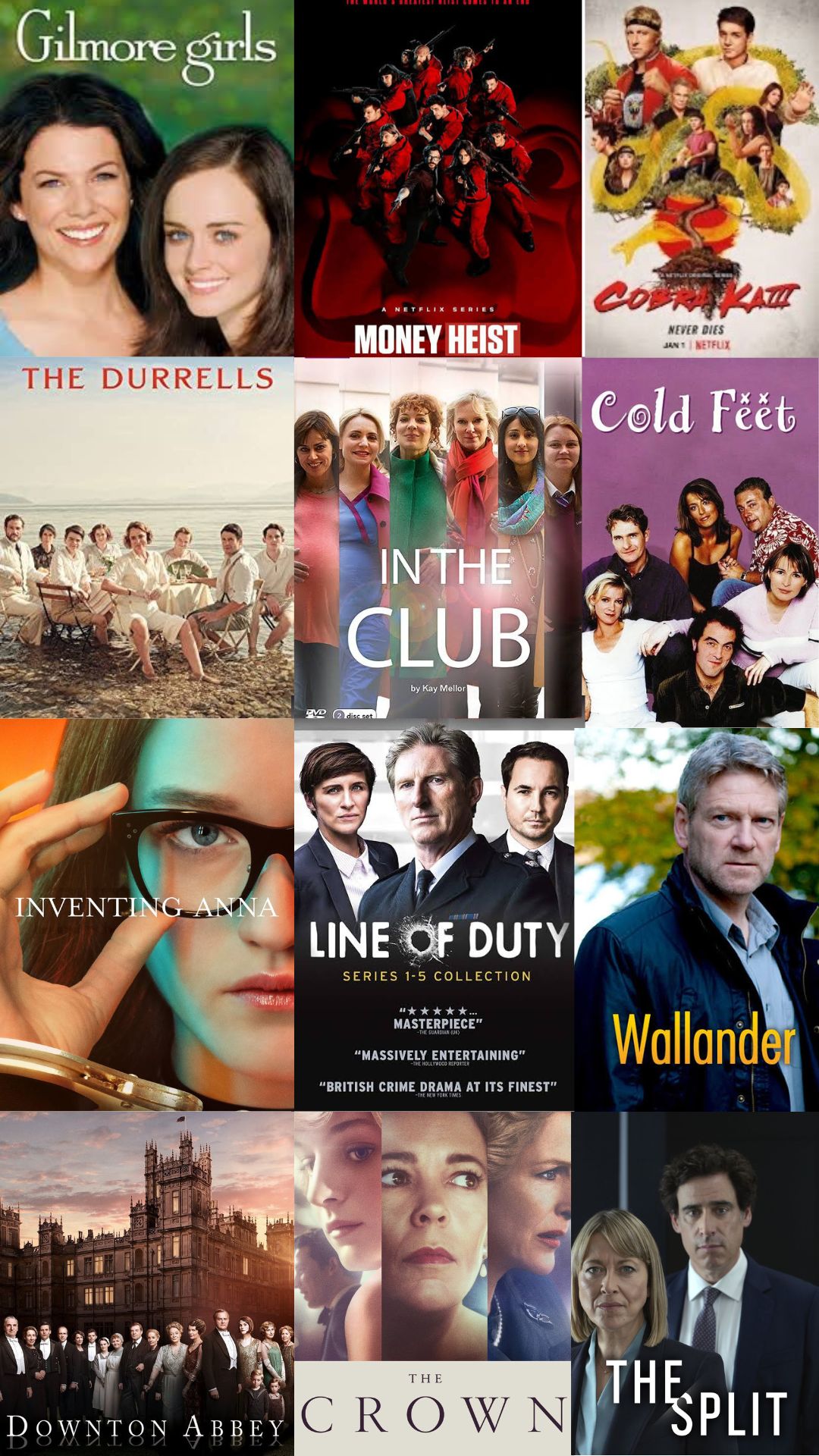
The Power of the Watchlist: A Dynamic Curation Tool
The watchlist is more than just a digital bookmark; it’s a dynamic tool for curating your future viewing. As you add titles to your watchlist, you’re not only creating a personal queue but also providing further data points to Netflix’s recommendation engine.
- Active Curation: Regularly reviewing and pruning your watchlist is a form of active curation. If a title has been on your watchlist for months and you haven’t felt the urge to watch it, perhaps it’s time to remove it and make space for new discoveries.
- Informing “Because You Watched”: The titles you add to your watchlist, alongside those you’ve watched and enjoyed, directly influence the “Because You Watched” rows. This creates a feedback loop that continuously refines Netflix’s understanding of your preferences.
- External Syncing (with caution): While not directly supported by Netflix, some third-party apps and websites claim to help manage watchlists or even sync them across different streaming services. Exercise caution and research the security and privacy implications before using such tools.
Understanding and Influencing the “Top Picks For You” Row
This row is arguably the most personalized on your Netflix homepage. It’s generated by a complex interplay of your viewing history, ratings, watchlist additions, and even the time of day you’re browsing. To maximize its effectiveness:
- Be an Active Rater: While not always prominent, providing ratings (thumbs up/down) for content you watch is one of the most direct ways to communicate your preferences to the algorithm.
- Consistent Viewing Habits: The more consistently you watch and interact with content, the more data Netflix has to work with, leading to more accurate “Top Picks.”
- Avoid Unwanted Recommendations: If you accidentally start watching something you dislike or don’t want to be associated with your profile, immediately stop watching and consider rating it with a thumbs down. This helps the algorithm adjust.
By actively engaging with these features, you transform the passive act of watching Netflix into an interactive, tech-driven curation process, ensuring you’re not just watching what Netflix thinks you want, but what you truly want to watch.
Embracing the Algorithmic Shift: Proactive Strategies for Optimal Viewing
The future of entertainment consumption on platforms like Netflix is inextricably linked to the sophisticated technologies that power them. Moving beyond the simple act of browsing, viewers can adopt proactive strategies that leverage these technological advancements to their advantage, ensuring that “what to watch on Netflix today” becomes a question answered with precision and satisfaction, rather than frustration. This section outlines how to actively shape your Netflix experience through informed engagement with the platform’s technological underpinnings.
The Role of Third-Party Tools and Data Aggregators
While Netflix’s internal recommendation system is powerful, a growing ecosystem of third-party tools and data aggregators aims to enhance the discovery process further. These tools often provide a more comprehensive overview of Netflix’s catalog, allowing for more advanced filtering and personalized recommendations based on criteria that Netflix itself might not emphasize.
- Enhanced Search and Filtering: Websites and browser extensions exist that allow users to search Netflix content based on more detailed criteria, such as specific actors, directors, release years, IMDb ratings, Rotten Tomatoes scores, and even mood tags. This empowers users to conduct highly targeted searches that go beyond Netflix’s native search functionality.
- Personalized Recommendation Engines: Some external services analyze your Netflix viewing history (often requiring you to provide access or manually input data) and offer recommendations that are more granular or tailored to specific niches. These can be particularly useful for identifying hidden gems or films that might be buried deep within Netflix’s extensive library.
- Tracking Viewing Habits and Statistics: Certain tools provide in-depth statistics about your viewing habits, such as the genres you watch most frequently, the actors you watch repeatedly, and the amount of time you spend on different types of content. This self-awareness, coupled with algorithmic insights, can lead to more informed choices.
- Cross-Platform Comparison: In an era of multiple streaming services, some aggregators also compare content availability across different platforms, helping you find where a particular show or movie is streaming. While this article focuses on Netflix, understanding this broader context can still inform your Netflix choices.
Important Considerations for Third-Party Tools:
When considering these external resources, it is crucial to prioritize privacy and security. Always research the reputation of any app or website before granting it access to your viewing data. Understand their data usage policies and ensure they align with your comfort level. Furthermore, be aware that the effectiveness of these tools can fluctuate as Netflix updates its own systems and APIs.
Building a Personalized “Viewing Profile” Beyond the Algorithm
While Netflix’s algorithms are sophisticated, they are ultimately reactive. A truly proactive approach involves building your own internal “viewing profile” – a conscious understanding of your preferences, moods, and what you seek from your entertainment.
- Mood-Based Selection: Instead of asking “What’s good?”, ask yourself “What am I in the mood for?” Do you want something lighthearted and escapist, a thought-provoking documentary, a gripping thriller, or a character-driven drama? Having a clear mood in mind can significantly narrow down your options.
- Genre Exploration: Deliberately branch out into genres you don’t typically watch. Sometimes, the most rewarding discoveries lie just outside your comfort zone. Utilize Netflix’s genre breakdowns and third-party tools to explore these less familiar territories.
- Thematic Interests: Beyond genres, consider thematic interests. Are you currently fascinated by artificial intelligence, historical events, social justice issues, or specific cultural movements? Searching for content that aligns with these interests can lead to highly engaging and enriching viewing experiences.
- Curated Lists and Recommendations from Trusted Sources: Don’t solely rely on algorithms. Seek out recommendations from film critics, trusted friends, or online communities that share your taste. Cross-referencing algorithmic suggestions with human curation can provide a well-rounded approach.
Future Trends: AI’s Expanding Role in Entertainment Discovery
The technological evolution of Netflix’s recommendation system is far from over. As AI continues to advance, we can anticipate even more sophisticated features that will further personalize our entertainment choices:
- Predictive Content Generation and Personalization: AI might not only recommend existing content but could potentially influence the creation of new content tailored to specific viewer segments or even individual preferences.
- Interactive Storytelling and Dynamic Narratives: Imagine shows that adapt their storylines based on your viewing choices, creating truly unique and personalized narrative experiences.
- Emotional Resonance Analysis: Future AI might be able to analyze the emotional arc of content and match it with a viewer’s current emotional state or desired emotional experience.
- Voice and Natural Language Integration: More intuitive voice commands and natural language processing will allow for even more fluid and conversational ways to discover content.
By understanding the technological underpinnings of Netflix and actively employing these proactive strategies, viewers can transform the question of “what to watch on Netflix today” from a daily dilemma into an opportunity for curated and deeply satisfying entertainment. The synergy between user intent and algorithmic intelligence, amplified by thoughtful engagement with the platform’s features, is the key to unlocking the full potential of streaming in the digital age.
aViewFromTheCave is a participant in the Amazon Services LLC Associates Program, an affiliate advertising program designed to provide a means for sites to earn advertising fees by advertising and linking to Amazon.com. Amazon, the Amazon logo, AmazonSupply, and the AmazonSupply logo are trademarks of Amazon.com, Inc. or its affiliates. As an Amazon Associate we earn affiliate commissions from qualifying purchases.