
Stomach cramps, a common and often uncomfortable ailment, can range from a mild annoyance to a debilitating experience. While the immediate concern is usually relief, it’s crucial to acknowledge the financial landscape surrounding their management. From the cost of remedies to the potential impact on earning capacity, understanding the financial implications of stomach cramps is an often-overlooked yet vital aspect of proactive health management. This article delves into the financial considerations of addressing stomach cramps, empowering you to make informed decisions that balance your well-being with your budget.
Navigating the Cost of Immediate Relief
The urgency of stomach cramps often necessitates swift action, and this can translate into immediate expenditures. Recognizing the various over-the-counter (OTC) and prescription options, along with their associated costs, is the first step in managing the financial impact of these discomforts.

Over-the-Counter Solutions and Their Price Tags
The vast array of over-the-counter medications designed to alleviate stomach cramps presents a spectrum of price points. These range from generic antacids and anti-gas formulations to more specialized remedies.
- Antacids: These are typically the most affordable option, often found for a few dollars per bottle or box. They work by neutralizing stomach acid, which can be a cause of cramping. While effective for mild indigestion, their efficacy for more persistent cramps may be limited.
- Anti-gas Medications: Products containing simethicone, such as Gas-X or Mylanta Gas, are readily available and generally cost between $5 and $15 for a standard package. These medications work by breaking down gas bubbles in the digestive tract, offering relief from bloating and associated cramping.
- Antispasmodics: For more intense cramping, certain OTC medications may offer antispasmodic properties, aiming to relax the muscles in the digestive tract. These can be slightly more expensive, often falling into the $10-$20 range, and their availability may vary by region. It’s important to read labels carefully and consult with a pharmacist if unsure about the best option for your specific symptoms.
- Pain Relievers: While not directly targeting the cause of cramps, general pain relievers like ibuprofen or acetaminophen can offer symptomatic relief. These are widely available and relatively inexpensive, usually costing under $10 for a standard bottle. However, it’s important to be cautious with these, as some can irritate the stomach lining, potentially exacerbating certain types of cramps.
When considering OTC solutions, comparing prices across different brands and retailers is a smart financial strategy. Generic options often provide the same active ingredients as their brand-name counterparts at a significantly lower cost. Furthermore, bulk purchasing can offer savings for frequently used remedies, provided they don’t expire before you can use them.
Prescription Medications: When the Cost Escalates
In cases where OTC remedies prove insufficient, or if the cramps are indicative of a more serious underlying condition, a physician may prescribe stronger medications. These can include prescription-strength antacids, proton pump inhibitors (PPIs) for acid-related issues, or specific antispasmodics.
- Prescription Antacids and PPIs: While some PPIs are now available OTC, prescription-strength versions or those prescribed for more severe conditions can carry a higher co-pay or full retail price, ranging from $20 to over $100 per month, depending on insurance coverage and the specific drug. These are crucial for managing conditions like gastroesophageal reflux disease (GERD) or peptic ulcers, which can manifest as severe stomach cramps.
- Prescription Antispasmodics: For conditions like Irritable Bowel Syndrome (IBS) or Crohn’s disease, which often involve significant cramping, prescription antispasmodic medications are common. The cost can vary widely, from $30 to hundreds of dollars per month, heavily influenced by insurance formularies and whether generic versions are available.
- Antibiotics and Other Specific Treatments: If the cramps are a symptom of an infection or a specific gastrointestinal disorder, targeted treatments like antibiotics or other specialized medications may be prescribed. The cost of these treatments is highly variable and dependent on the condition being treated.
Navigating the financial aspect of prescription medications often involves understanding your insurance plan. This includes knowing your co-pay amounts, deductible, and whether a medication is on your plan’s formulary. For those without insurance, exploring discount cards, patient assistance programs offered by pharmaceutical companies, and discussing generic alternatives with your doctor can significantly reduce out-of-pocket expenses.
The Financial Implications of Seeking Professional Medical Advice
While self-treating mild stomach cramps is often feasible, persistent, severe, or unusual cramping warrants professional medical attention. The financial commitment to diagnosing and treating these issues can be substantial, encompassing doctor’s visits, diagnostic tests, and potential specialist consultations.
Doctor’s Visits and Consultation Fees
The initial step in seeking professional help is usually a visit to your primary care physician. The cost of these consultations varies depending on your insurance, the type of plan (HMO, PPO, etc.), and whether you’ve met your deductible.
- Insurance Coverage: With most insurance plans, a primary care visit for a new complaint typically involves a co-payment, which can range from $20 to $75. If you are uninsured, out-of-pocket costs can be significantly higher, potentially $100 to $300 or more per visit, depending on the clinic’s pricing.
- Urgent Care vs. Emergency Room: For acute and severe cramping that occurs outside of regular office hours, an urgent care facility might be a more affordable option than a hospital emergency room. Urgent care visits might cost between $75 and $200, whereas an ER visit can easily run into hundreds or even thousands of dollars, especially if diagnostic tests are involved.
It’s prudent to understand your insurance benefits before seeking care. Many insurance providers offer online portals or phone lines where you can check the coverage details for physician visits and specialist consultations.
Diagnostic Tests: Uncovering the Root Cause
To accurately diagnose the cause of persistent stomach cramps, a doctor may recommend various diagnostic tests. The financial burden of these tests can be a significant factor in the overall cost of care.
- Blood Tests: Standard blood work, which can help identify inflammation, infection, or electrolyte imbalances, typically costs between $50 and $200, depending on the panel ordered and your insurance.
- Urine Tests: These are generally less expensive, often ranging from $20 to $100, and can help detect infections or kidney-related issues.
- Stool Samples: Testing for bacteria, parasites, or blood in the stool can cost between $50 and $150.
- Imaging Scans: More advanced diagnostic tools like ultrasounds, CT scans, or MRIs are significantly more expensive. An ultrasound might cost $200-$500, while a CT scan or MRI can range from $500 to $3,000 or more, again, heavily influenced by insurance. These are usually performed if there’s suspicion of structural abnormalities, blockages, or more serious conditions.
- Endoscopies and Colonoscopies: These procedures, which involve inserting a camera into the digestive tract, are crucial for diagnosing conditions like ulcers, gastritis, or polyps. The cost for an endoscopy or colonoscopy, including anesthesia and facility fees, can range from $1,000 to $5,000 or more, depending on the facility and insurance coverage.
When discussing diagnostic tests with your doctor, it’s appropriate to inquire about the necessity and cost-effectiveness of each recommended procedure. Understanding your insurance benefits for diagnostic imaging and procedures is also critical. Negotiating payment plans with healthcare providers for high-cost procedures can also ease the financial burden.
Specialist Consultations and Treatments
If your primary care physician suspects a more complex gastrointestinal issue, they may refer you to a specialist, such as a gastroenterologist.
- Gastroenterologist Visits: Similar to primary care visits, co-pays for specialist visits can range from $30 to $100, with out-of-pocket costs for the uninsured being considerably higher.
- Specialized Procedures and Therapies: Depending on the diagnosis, the specialist may recommend further specialized procedures or long-term treatment plans, such as dietary modifications, medications for chronic conditions, or even surgery. The financial implications here can be substantial and long-lasting, requiring careful planning and budgeting.
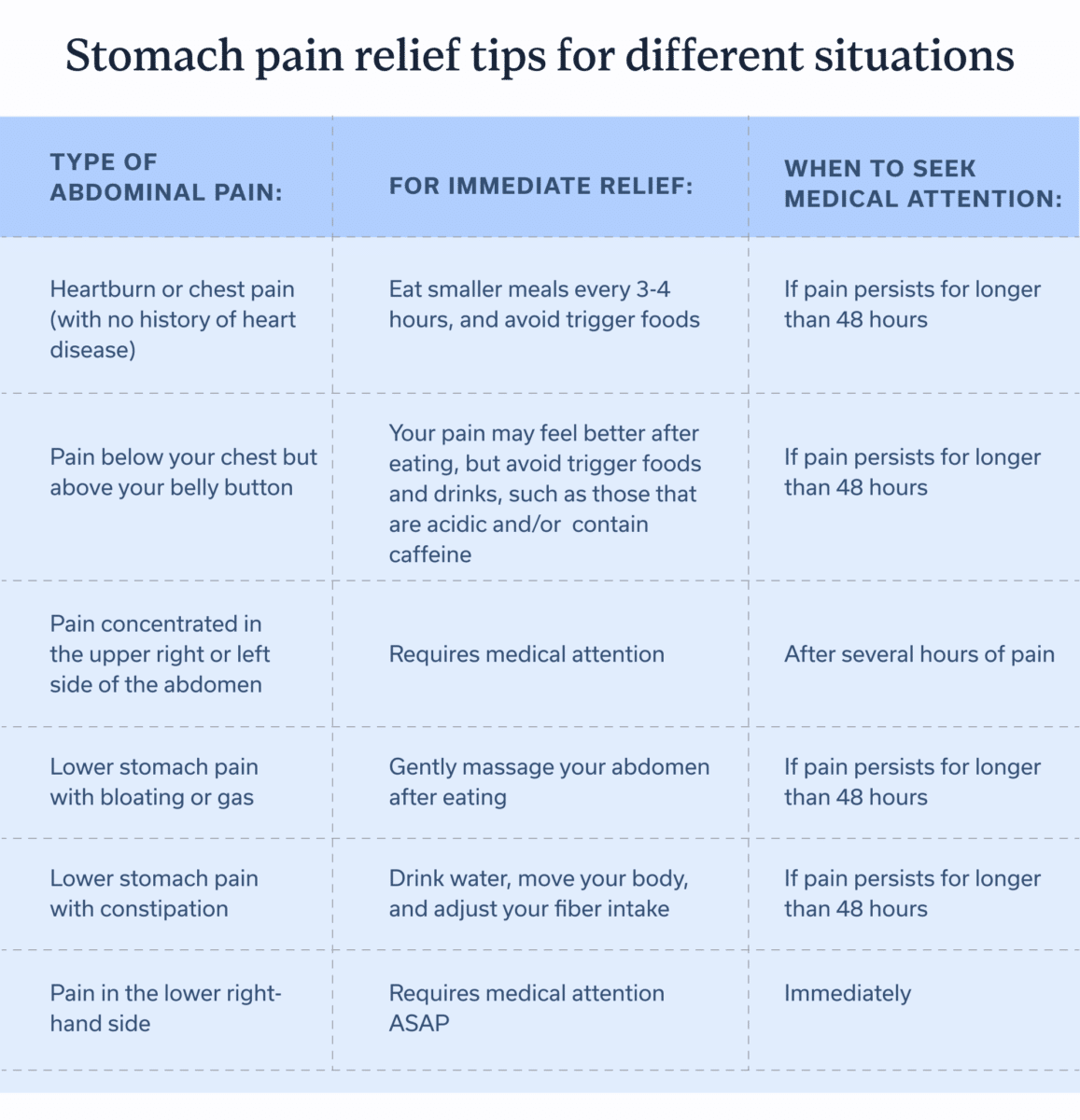
Understanding the referral process within your insurance plan is essential to minimize out-of-pocket expenses. Some plans require a referral from a primary care physician before a specialist visit will be covered.
The Economic Impact of Chronic or Severe Stomach Cramps
Beyond immediate medical expenses, chronic or severe stomach cramps can have a profound and often underestimated economic impact on an individual’s life. This impact can manifest in lost productivity, reduced earning potential, and increased healthcare utilization.
Lost Productivity and Work Absences
The debilitating nature of severe stomach cramps can lead to frequent absences from work. This not only affects an individual’s income directly through lost wages or unpaid leave but can also have long-term career implications.
- Daily Wage Earners: For individuals paid by the hour or day, even a single day of missed work due to cramps can mean a significant reduction in their income. This can be particularly challenging for those living paycheck to paycheck.
- Salaried Employees: While salaried employees may not lose direct wages, frequent absences can impact performance reviews, eligibility for bonuses, and opportunities for promotion. This can indirectly affect their long-term earning potential.
- Gig Economy and Freelancers: Workers in the gig economy or freelancers often have no paid sick leave and are directly responsible for their own income. A bout of stomach cramps can mean a complete halt in earnings for the duration of their incapacitation, potentially leading to significant financial distress.
Implementing flexible work arrangements, if possible, or having a contingency fund can help mitigate the financial fallout from unexpected work absences due to health issues.
Reduced Earning Capacity and Career Limitations
Chronic stomach issues can limit an individual’s ability to perform certain jobs or pursue specific career paths. This can lead to a reduced earning capacity over their lifetime.
- Physically Demanding Jobs: Cramps that cause severe pain or mobility issues can make it difficult or impossible to perform physically demanding tasks, potentially limiting job options to less physically strenuous roles that may offer lower compensation.
- Jobs Requiring Constant Presence: Certain professions demand constant presence and focus, making it difficult to manage the unpredictable nature of stomach cramps. This might lead individuals to seek less demanding roles or even consider career changes.
- Impact on Entrepreneurship: For aspiring entrepreneurs, persistent health issues can pose a significant hurdle. The stress and uncertainty associated with managing chronic cramps can detract from the focus and energy required to build and sustain a business.
Increased Healthcare Utilization and Long-Term Management Costs
Individuals suffering from chronic stomach cramps often incur ongoing healthcare costs. This can include regular doctor’s visits, prescription refills, ongoing diagnostic testing, and potentially therapies like physiotherapy or nutritional counseling.
- Medication Costs: As mentioned earlier, long-term use of prescription medications for chronic conditions can accumulate significant costs over time, even with insurance.
- Therapeutic Interventions: Depending on the diagnosis, individuals may require ongoing therapies such as biofeedback, stress management techniques, or specialized dietary interventions, all of which carry their own financial implications.
- Lifestyle Modifications: Adopting specific diets or making significant lifestyle changes to manage cramps can also have financial repercussions, such as the cost of specialized foods or supplements.
For individuals facing chronic stomach issues, exploring health savings accounts (HSAs) or flexible spending accounts (FSAs) can provide tax advantages for medical expenses. Furthermore, proactive health management and adherence to prescribed treatments can often prevent more serious complications, thereby mitigating long-term financial burdens.
Financial Strategies for Managing Stomach Cramps
Effectively managing stomach cramps involves not only addressing the physical symptoms but also implementing sound financial strategies to ensure access to necessary care and alleviate financial stress.
Budgeting for Healthcare Expenses
Integrating potential healthcare costs into your personal budget is a proactive approach to managing stomach cramps.
- Emergency Fund: Establishing an emergency fund specifically for unexpected medical expenses can provide a crucial financial safety net. Aim to save enough to cover at least a few doctor’s visits or a course of medication.
- Health Insurance Review: Regularly reviewing your health insurance policy is vital. Understand your deductibles, co-pays, co-insurance, and out-of-pocket maximums. This knowledge empowers you to anticipate costs and make informed decisions about healthcare providers and treatments.
- Tracking Medical Expenses: Keeping a detailed record of all medical expenses, including doctor’s visits, medications, and diagnostic tests, can be beneficial for tax purposes (if applicable) and for tracking overall healthcare spending.
Exploring Cost-Saving Measures
Several avenues exist to reduce the financial burden associated with stomach cramps.
- Generic Medications: Always inquire about generic alternatives for both OTC and prescription medications. They are often significantly cheaper and equally effective.
- Pharmacy Price Comparisons: Utilize online tools and apps to compare prices for medications across different pharmacies. Even small savings can add up over time.
- Patient Assistance Programs: For individuals facing high prescription costs and lacking adequate insurance, pharmaceutical companies often offer patient assistance programs. Research these programs for medications you regularly use.
- Telehealth Services: For non-emergency consultations, telehealth services can sometimes offer a more cost-effective and convenient option than in-person visits.
Seeking Financial Guidance and Support
When faced with significant medical expenses, don’t hesitate to seek professional financial guidance.
- Financial Advisors: A financial advisor can help you create a comprehensive financial plan that accounts for potential healthcare costs, including strategies for saving and investing.
- Hospital Financial Counselors: Most hospitals have financial counselors who can assist patients with understanding their bills, exploring payment options, and identifying potential financial assistance programs.
- Government and Non-Profit Resources: Research local and national government programs or non-profit organizations that offer financial assistance for medical care, particularly for individuals with low incomes or chronic conditions.
By adopting a financially savvy approach to managing stomach cramps, individuals can ensure they receive the necessary care without compromising their overall financial well-being. This proactive stance empowers them to navigate the complexities of healthcare costs with greater confidence and control.
aViewFromTheCave is a participant in the Amazon Services LLC Associates Program, an affiliate advertising program designed to provide a means for sites to earn advertising fees by advertising and linking to Amazon.com. Amazon, the Amazon logo, AmazonSupply, and the AmazonSupply logo are trademarks of Amazon.com, Inc. or its affiliates. As an Amazon Associate we earn affiliate commissions from qualifying purchases.