
The impending boxing match between Jake Paul and Mike Tyson has ignited a firestorm of public interest, transcending the usual sports enthusiast circles. While the thrill of a celebrity showdown is undeniable, beneath the surface lies a meticulously crafted business venture. This isn’t just about two individuals stepping into the ring; it’s about the strategic branding, meticulous marketing, and the calculated financial gambits that define modern combat sports entertainment. Understanding “what time will Jake Paul fight Mike Tyson” is merely the tip of the iceberg. The real story lies in the intricate brand collaborations, the financial implications for all involved, and the broader implications for the influencer-led entertainment landscape.
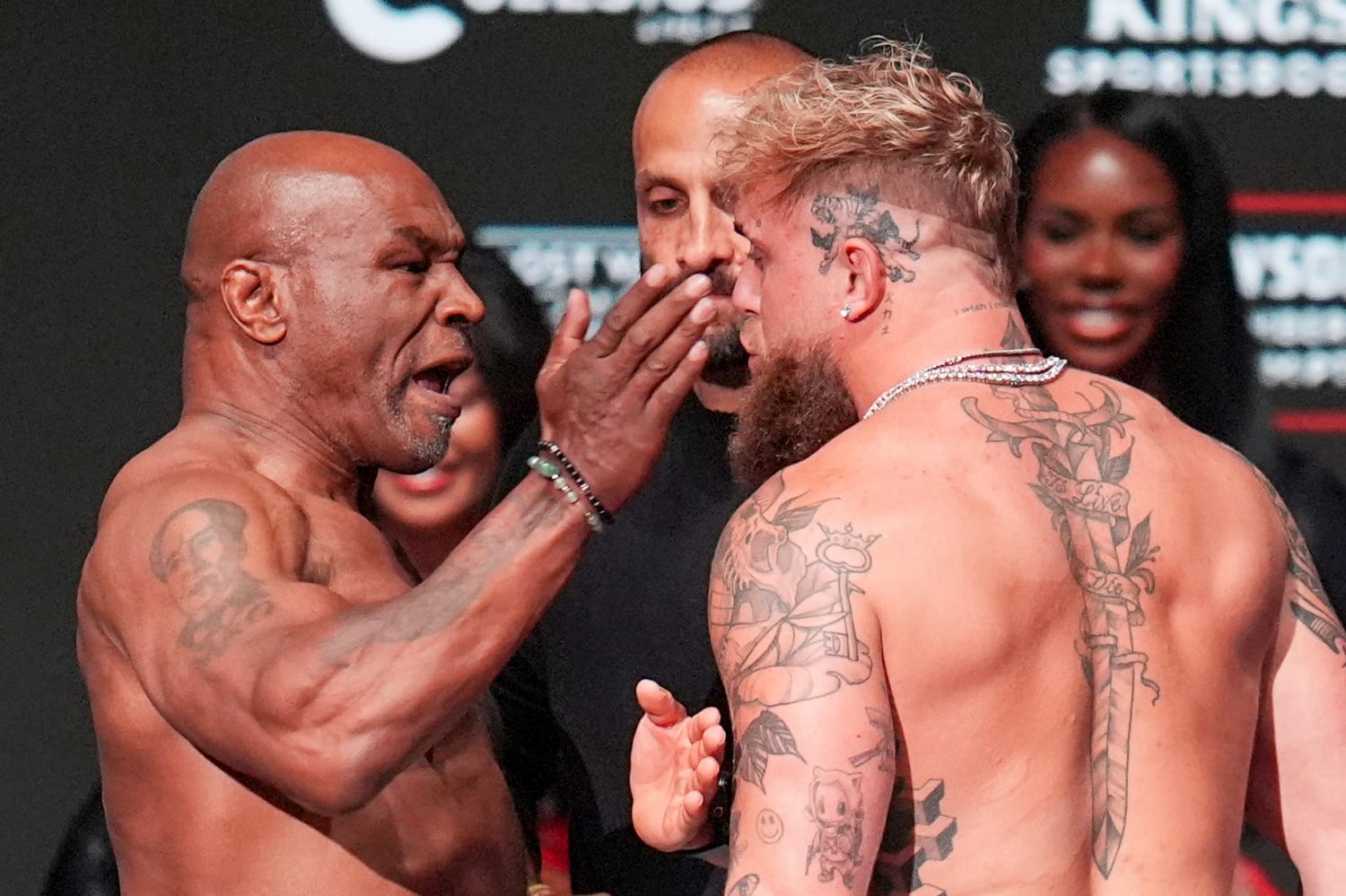
The Brand Powerhouse: Jake Paul vs. Mike Tyson – A Collision of Eras
The allure of this fight isn’t solely rooted in athletic prowess; it’s a potent blend of contrasting, yet complementary, brands. Jake Paul, the contemporary influencer-turned-boxer, represents the new digital frontier of celebrity. His brand is built on viral moments, consistent online engagement, and a self-made narrative of disruption. Mike Tyson, on the other hand, is an icon of a bygone era, a legendary figure whose raw power and controversial past have cemented his place in sporting lore. The juxtaposition of these two distinct brand personas is a masterclass in marketing, creating a narrative that resonates with diverse audiences.
Strategic Brand Alignment: From Social Media Sensation to Boxing Icon
The decision to pit Jake Paul against Mike Tyson is far from arbitrary. It’s a calculated move designed to leverage the strengths of both individuals and create a synergistic brand impact. Paul’s team has consistently demonstrated an acute understanding of digital marketing and audience engagement. They have expertly cultivated his persona as a fighter who challenges norms and provokes reactions. Tyson, while no longer in his prime, carries an immense residual brand value. His name alone evokes a sense of danger, respect, and a certain nostalgic appeal. By aligning these two, Paul’s brand gains a layer of legitimacy and historical gravitas, while Tyson’s brand is reintroduced to a new, younger demographic, potentially reigniting his commercial relevance. This isn’t simply about a fight; it’s about a calculated brand marriage designed for maximum exposure and profitability.
The Narrative Arc: Building Hype Through Contrast and Controversy
The success of any major sporting event hinges on its narrative. The Jake Paul vs. Mike Tyson bout is a masterclass in narrative construction. The inherent contrast between the young, brash disruptor and the aging, legendary warrior provides fertile ground for storytelling. This narrative is amplified through social media campaigns, press conferences, and carefully orchestrated interviews. Every interaction, every training clip, every public statement is a brushstroke adding to the larger picture. The controversy surrounding the age difference, the validity of the matchup, and the potential for an upset are all deliberate elements designed to fuel debate and keep the event in the public consciousness. This sustained engagement is crucial for building anticipation and ultimately driving revenue.
Beyond the Ring: Monetizing Legacy and Virality
The branding extends far beyond the immediate fight. For Jake Paul, this bout is a significant step in solidifying his transition from online personality to legitimate entertainment entrepreneur. He’s not just fighting; he’s building a platform for future ventures. For Mike Tyson, it’s an opportunity to monetize his enduring legacy and connect with a new generation of fans. The branding strategy is about creating a sustainable ecosystem where the fight itself is the centerpiece, but the ripple effects generate ongoing commercial opportunities through merchandise, endorsements, and future content.
The Financial Spectacle: Unpacking the Business of Paul vs. Tyson
The “what time” of the fight is secondary to the “how much.” The financial implications of a bout featuring a social media sensation and a boxing legend are astronomical, involving intricate revenue streams and strategic investment. This event is a prime example of the lucrative potential within the intersection of entertainment, sports, and digital influence. The business model is built on maximizing audience reach and converting that attention into tangible financial gains.
Pay-Per-View Dominance: The Cornerstone of Revenue
The primary revenue driver for high-profile boxing matches, especially those involving non-traditional fighters, is the pay-per-view (PPV) model. The Jake Paul vs. Mike Tyson fight is expected to shatter existing PPV records. The broad appeal, stemming from both the boxing fraternity and the legions of Paul’s social media followers, creates an unparalleled demand. The pricing of the PPV, the distribution platforms, and the promotional efforts surrounding it are all meticulously planned to capture the widest possible audience. This model allows the promoters to directly monetize the viewership, transforming widespread interest into substantial income. The timing of the fight, often strategically placed on a weekend with minimal competing major events, further aims to maximize PPV uptake.
Sponsorships and Endorsements: The Ancillary Powerhouse
Beyond PPV sales, the fight is a magnet for sponsorships and endorsements. Brands are eager to associate themselves with the massive reach and buzz surrounding such an event. This includes direct sponsorship of the fight itself, fighter endorsements, and advertising slots during the broadcast. The demographic overlap between Paul’s fanbase and the target audiences of various consumer brands makes this an attractive proposition. Luxury goods, energy drinks, betting platforms, and even tech companies are likely to vie for visibility. The “what time” also becomes relevant for advertisers; prime-time slots during a highly anticipated fight are extremely valuable and command premium rates. The financial success of the event is heavily reliant on securing lucrative sponsorship deals.
Merchandise and Ancillary Revenue Streams: Extending the Brand’s Reach
The financial pie extends beyond the immediate fight broadcast. Extensive merchandise lines, including apparel, collectibles, and fight-specific memorabilia, are an integral part of the revenue strategy. These items allow fans to physically connect with the event and the fighters, creating a lasting tangible asset. Furthermore, behind-the-scenes documentaries, exclusive content, and even betting markets contribute to the overall financial ecosystem. The “what time” of the fight influences the release schedules of these ancillary products, often timed to build anticipation leading up to the event and capitalize on the post-fight buzz.
The Investment Landscape: Who Stands to Profit?
The financial beneficiaries of this event are multifaceted. Promoters, the fighters themselves, their respective teams, and the broadcasting partners all stand to gain significantly. The investment in marketing, production, and fighter purses is substantial, but the projected returns are even more so. Understanding the financial architecture of such an event requires looking at the contractual agreements, the revenue-sharing models, and the strategic investments made by various stakeholders. The “what time” of the fight is ultimately determined by the complex negotiations and financial planning that underpins this entire spectacle.
The Tech Integration: How Digital Platforms Amplify the Spectacle

The “what time will Jake Paul fight Mike Tyson” query is inherently digital. The way this information is disseminated, consumed, and amplified is a testament to the pervasive influence of technology in modern entertainment. The fight itself, and the surrounding hype, is a case study in how digital platforms are not just conduits for information but active participants in shaping the event.
Social Media as the Hype Machine: Real-Time Engagement and Dissemination
Social media platforms are the lifeblood of this event’s promotion. From Jake Paul’s prolific presence on platforms like X (formerly Twitter), Instagram, and TikTok, to Mike Tyson’s own digital footprint, every move is amplified. The constant stream of content – training videos, sparring footage, trash talk, and behind-the-scenes glimpses – creates an immersive experience for fans. Hashtags, live streams, and interactive Q&A sessions are employed to foster a sense of community and direct engagement. The “what time” of the fight is disseminated through these channels, often accompanied by countdowns and reminders, ensuring maximum visibility.
Streaming Services and Digital Broadcasting: The New Frontier of Fight Nights
The era of traditional cable television dominance for major boxing events is gradually shifting towards digital streaming. The Jake Paul vs. Mike Tyson fight is likely to be primarily accessible through streaming platforms. This offers flexibility for viewers, allowing them to watch on various devices and at their convenience. The choice of streaming partner is a strategic decision, influencing reach, pricing, and the overall user experience. The technical infrastructure required to handle massive concurrent viewership during a live PPV event is substantial, highlighting the critical role of robust digital broadcasting technology.
Data Analytics and Audience Targeting: Optimizing the Spectacle
Behind the scenes, sophisticated data analytics play a crucial role in shaping the marketing and promotion of the fight. By analyzing social media trends, online engagement metrics, and historical PPV data, promoters can gain insights into audience preferences and behaviors. This information is then used to optimize advertising campaigns, tailor messaging, and even influence the timing of announcements. The “what time” of the fight, along with the specific broadcast details, are strategically released based on this data to maximize viewership and commercial returns. This data-driven approach ensures that marketing efforts are as effective as possible.
The Future of Fandom: Digital Engagement and Immersive Experiences
The Jake Paul vs. Mike Tyson fight is a harbinger of how future sporting and entertainment events will be consumed. The integration of technology isn’t limited to broadcasting; it extends to creating more immersive fan experiences. Augmented reality (AR) filters, virtual reality (VR) viewing options, and interactive fan polls are all becoming increasingly common. The “what time” of the fight becomes just one piece of a larger, technologically enhanced engagement strategy that aims to keep fans connected and invested long after the final bell. This ongoing innovation in digital fan engagement is crucial for maintaining relevance and generating sustained interest in such high-profile events.
Cybersecurity and Digital Integrity: Protecting the Spectacle
As with any major digital event, cybersecurity and the integrity of the streaming platforms are paramount. The potential for illegal streams, hacking attempts, and data breaches necessitates robust security measures. Ensuring a seamless and secure viewing experience for paying customers is essential for maintaining trust and profitability. The “what time” of the fight is also linked to the operational readiness of these digital defenses, ensuring that the system can handle the immense traffic and prevent disruptions.
The Broader Implications: Shaping the Future of Sports Entertainment
The “what time will Jake Paul fight Mike Tyson” question, while specific, opens up a broader discussion about the evolving landscape of sports entertainment. This fight is not an isolated incident but rather a symptom of larger trends that are reshaping how we consume and engage with athletic competitions. The convergence of celebrity, social media, and traditional sports is creating new models for generating interest and revenue, challenging established norms and paving the way for future innovations.
The Influencer-Boxer Phenomenon: Redefining Athleticism and Celebrity
Jake Paul’s meteoric rise in boxing is a direct consequence of the influencer phenomenon. Individuals with massive online followings are leveraging their established platforms to venture into new arenas, including professional sports. This challenges the traditional pathways to athletic stardom and introduces a new breed of celebrity-boxer. The “what time” of their fights becomes a major event not just for boxing purists but for millions of followers who have a pre-existing parasocial relationship with the influencer. This blurring of lines between online celebrity and athletic competition is a significant shift.
Democratization of Access: Breaking Down Traditional Barriers
The rise of digital platforms and influencer-driven events can be seen as a form of democratization in sports entertainment. Previously, access to major boxing events was often limited to traditional sports broadcasters and PPV packages. Now, with the prevalence of streaming and social media, a wider audience can engage with these spectacles, often at more accessible price points. The “what time” of the fight, when announced, is disseminated across a multitude of platforms, reaching audiences that might have been inaccessible to traditional sports media.
The Future of Combat Sports: Blending Entertainment and Competition
The success of fights like Jake Paul vs. Mike Tyson suggests a future where entertainment value is as crucial as competitive rigor. While the legitimacy of some of these bouts is debated within the boxing purist community, their commercial success cannot be ignored. Promoters are increasingly looking for ways to create compelling narratives and attract mainstream attention, even if it means stepping outside the traditional boxing realm. The “what time” of these events is becoming a countdown to a broader entertainment experience, not just a sporting contest.

Ethical Considerations and Sustainability: The Long-Term View
As these new models of sports entertainment evolve, so do the ethical considerations. Questions about fighter safety, the integrity of the sport, and the responsible use of celebrity influence are becoming increasingly important. The long-term sustainability of these events, beyond the initial hype, will depend on addressing these concerns and ensuring that the pursuit of profit doesn’t compromise the well-being of the athletes or the integrity of the sport. The “what time” of the fight, while a consumer-facing detail, is underpinned by complex backstage decisions that have far-reaching implications.
aViewFromTheCave is a participant in the Amazon Services LLC Associates Program, an affiliate advertising program designed to provide a means for sites to earn advertising fees by advertising and linking to Amazon.com. Amazon, the Amazon logo, AmazonSupply, and the AmazonSupply logo are trademarks of Amazon.com, Inc. or its affiliates. As an Amazon Associate we earn affiliate commissions from qualifying purchases.