
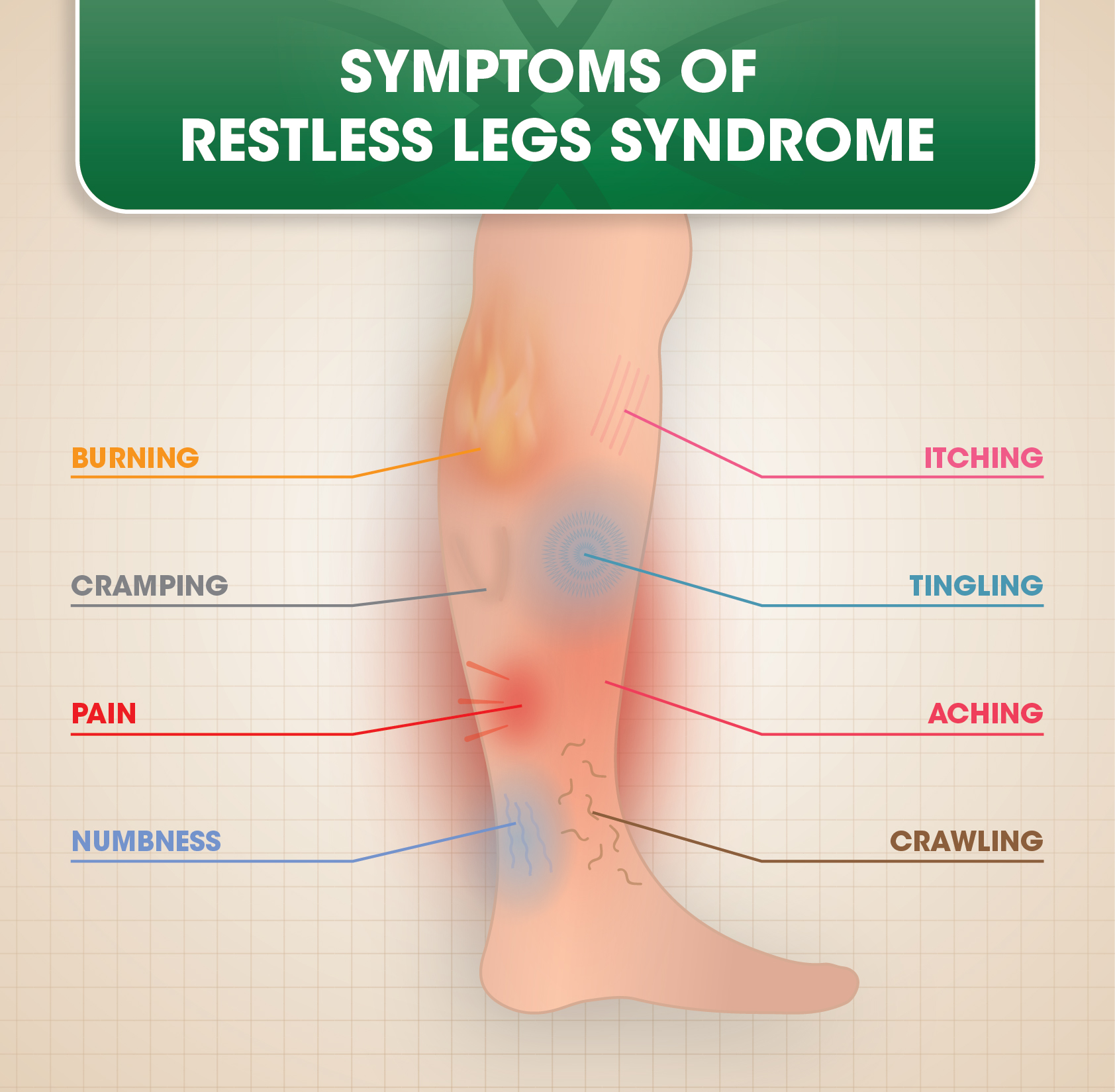
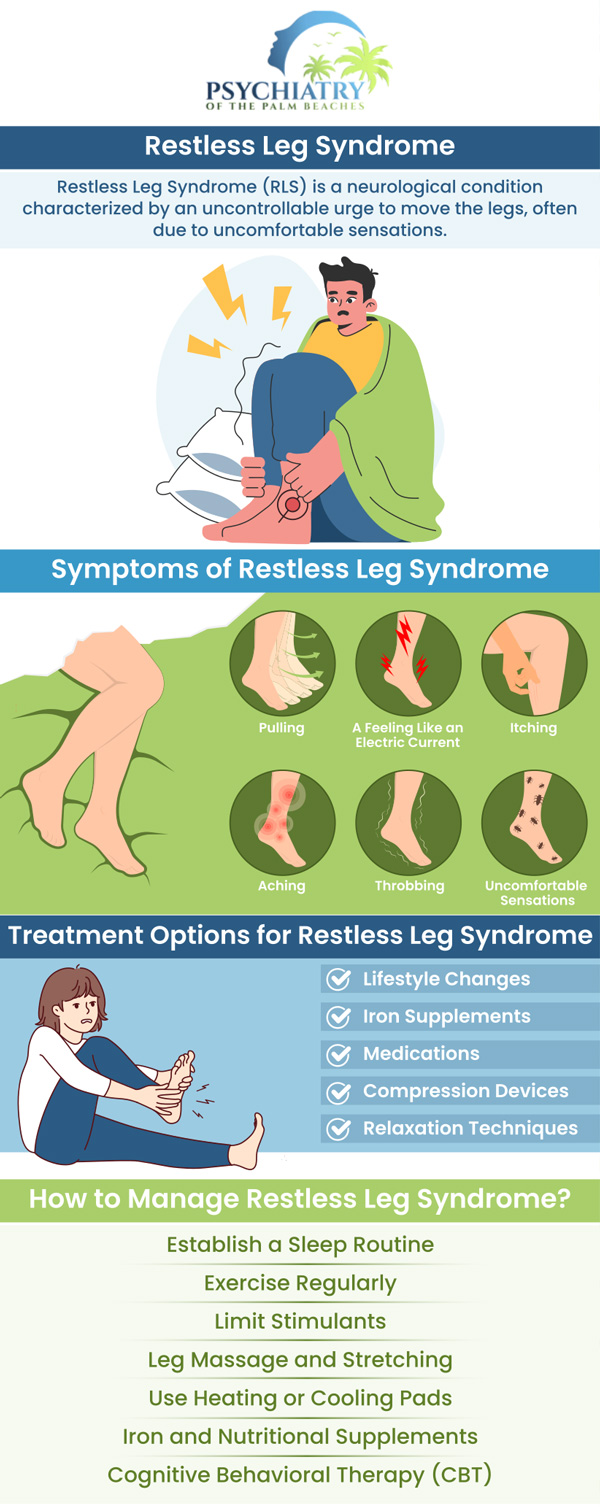
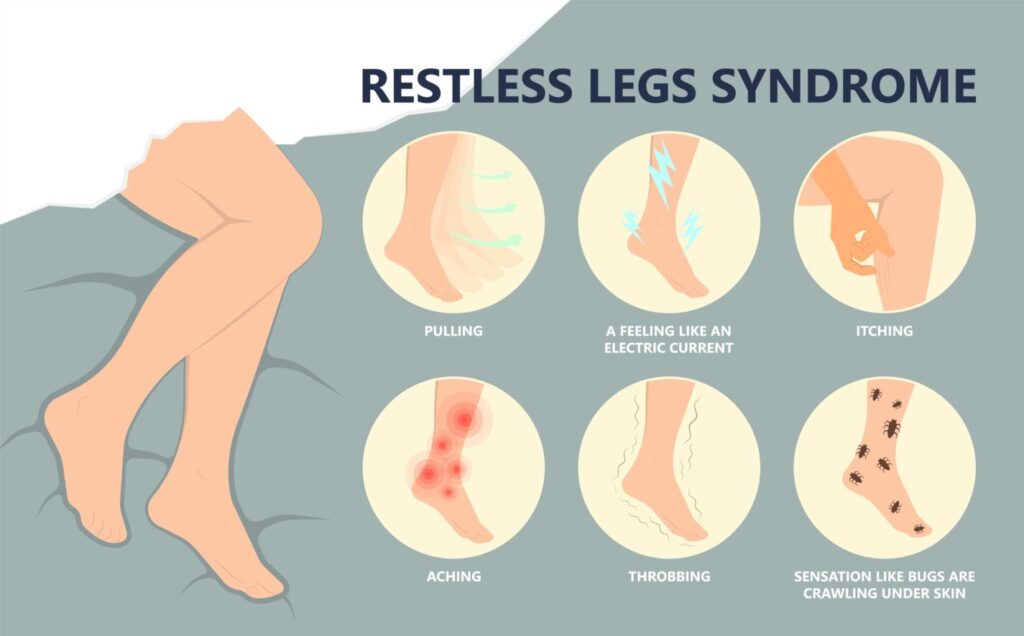
Restless Leg Syndrome (RLS), also known as Willis-Ekbom disease, is a common neurological disorder characterized by an irresistible urge to move the legs, typically accompanied by uncomfortable sensations. These sensations are often described as creeping, crawling, itching, throbbing, or aching, and they predominantly occur at rest, particularly in the evening or at night, disrupting sleep and significantly impacting quality of life. While its exact cause remains elusive, research points to a complex interplay of genetic factors, neurotransmitter imbalances, particularly involving dopamine, and potential links to iron deficiency. The diagnostic process for RLS has traditionally relied on subjective patient reporting and clinical observation. However, in an era of rapid technological advancement, the landscape of understanding and managing RLS is evolving, offering new avenues for diagnosis, monitoring, and potentially even therapeutic interventions. This article delves into the technological advancements and applications that are shedding light on this often-misunderstood condition.
Understanding the Technological Frontier in RLS Diagnostics
The subjective nature of RLS symptoms has historically presented a challenge for objective diagnosis. Patients often struggle to articulate the precise sensations, and the intermittent nature of the symptoms can make them difficult to capture during a clinical visit. Technology is beginning to bridge this gap, offering more objective and quantifiable ways to assess RLS.
Wearable Sensors and Biosignal Monitoring
The proliferation of wearable technology has opened up unprecedented opportunities for continuous, real-world data collection. For RLS, this translates into the potential for monitoring leg movements and associated physiological signals that might correlate with the syndrome.
Movement Tracking and Actigraphy
Actigraphy, a non-invasive method that uses a wrist-worn device to record motor activity, has long been used in sleep research. In the context of RLS, more sophisticated actigraphs or even smartwatches equipped with accelerometers and gyroscopes can provide detailed data on leg movements throughout the day and night. These devices can quantify the frequency, duration, and intensity of limb movements, offering a more objective measure than patient recall. Algorithms can be developed to specifically identify patterns indicative of RLS, such as periodic limb movements during sleep (PLMS) or the characteristic leg jerks associated with RLS. This data can be invaluable for clinicians in confirming a diagnosis, assessing symptom severity, and tracking the effectiveness of treatments.
Electromyography (EMG) and Muscle Activity
While more invasive than actigraphy, portable EMG sensors could potentially be integrated into wearable devices or used in home monitoring setups. EMG measures the electrical activity produced by skeletal muscles. For RLS, EMG could capture the subtle, involuntary muscle contractions that often accompany the urge to move. By analyzing the patterns of muscle activation, clinicians could gain deeper insights into the physiological underpinnings of the RLS sensations. Advanced signal processing techniques could differentiate RLS-related muscle activity from normal movements, providing a more precise diagnostic marker.
Physiological Data Integration: Heart Rate, Respiration, and Skin Conductance
RLS symptoms can sometimes be accompanied by physiological changes such as increased heart rate, changes in breathing patterns, or altered skin conductance due to autonomic nervous system activation. Wearable devices are increasingly capable of monitoring these parameters. By integrating data from multiple sensors – movement, heart rate, respiration, and potentially even electrodermal activity – a more comprehensive physiological profile can be generated. Machine learning algorithms can then be trained to identify specific combinations of these physiological signals that are highly predictive of RLS episodes, even when overt leg movements are minimal.
Digital Phenotyping and AI-Powered Analysis
The sheer volume of data generated by wearable sensors and other digital tools necessitates sophisticated analytical approaches. Artificial intelligence (AI) and machine learning (ML) are proving to be powerful allies in this endeavor.
Pattern Recognition and Predictive Modeling
AI algorithms excel at identifying complex patterns within large datasets that might be imperceptible to human observers. By training ML models on data from individuals diagnosed with RLS and healthy controls, researchers can develop algorithms that learn to recognize the unique digital signatures of the disorder. This can lead to predictive models that not only identify RLS but also forecast periods of symptom exacerbation, allowing for proactive management strategies. For instance, an AI model could learn that a combination of reduced activity, specific sleep stage transitions, and certain heart rate variability patterns precedes an RLS episode.
Natural Language Processing (NLP) for Symptom Description
While technology can measure objective data, understanding the subjective experience of RLS remains crucial. Natural Language Processing (NLP) can analyze patient-reported symptoms from online forums, electronic health records, or even voice recordings. By processing textual descriptions of sensations, triggers, and relief factors, NLP can extract valuable qualitative data. This can help refine diagnostic criteria, identify common symptom variations, and inform the development of more empathetic and effective communication tools between patients and healthcare providers. AI-powered chatbots could even be developed to guide patients through symptom reporting in a structured and comprehensive manner.
Personalized Risk Assessment and Early Detection
As more data becomes available, AI can be used to develop personalized risk assessment tools for RLS. By analyzing genetic predispositions, demographic information, and lifestyle factors alongside passively collected digital data, individuals at higher risk can be identified earlier. This could lead to earlier interventions, potentially mitigating the severity and long-term impact of the condition. Early detection is also crucial for ruling out other conditions that may mimic RLS symptoms.
Technological Innovations in RLS Management and Intervention
Beyond diagnosis, technology is also playing a significant role in the management and treatment of RLS, offering novel approaches to symptom relief and improved patient outcomes.
Digital Therapeutics and Behavioral Interventions
The concept of digital therapeutics (DTx) – evidence-based therapeutic interventions delivered via software to prevent, manage, or treat a medical disorder – is gaining traction for RLS.
Guided Relaxation and Mindfulness Apps
Many RLS symptoms are exacerbated by stress and anxiety, and are most bothersome when individuals are trying to relax. Apps offering guided meditation, mindfulness exercises, and progressive muscle relaxation techniques can empower patients to manage these psychological triggers. By providing accessible, on-demand tools, these applications can help individuals develop coping mechanisms and reduce the intensity of RLS sensations. Some apps could even be designed to integrate with wearable data, suggesting relaxation exercises when signs of increasing stress or restlessness are detected.
Cognitive Behavioral Therapy for Insomnia (CBT-I) Platforms
Given the significant sleep disruption caused by RLS, digital platforms delivering CBT-I are highly relevant. These platforms offer structured programs to address the behavioral and cognitive factors that contribute to insomnia, including those driven by RLS. By providing educational modules, sleep diaries, and personalized feedback, these digital tools can help individuals improve their sleep hygiene, reduce sleep-related anxiety, and ultimately achieve more restorative sleep despite their RLS symptoms.
Virtual Reality (VR) for Distraction and Sensory Modulation
Emerging applications of virtual reality technology offer a unique approach to symptom management. VR can create immersive environments that serve as a powerful distraction from the uncomfortable sensations of RLS. By engaging the user in a captivating virtual world, the focus can be shifted away from the legs, potentially reducing the urge to move. Furthermore, VR environments could be designed to incorporate sensory elements that might positively modulate the neuropathic sensations associated with RLS, offering a novel therapeutic avenue.
Smart Devices for Sleep Environment Optimization
The sleep environment plays a critical role in RLS symptom severity. Technology can assist in creating an optimal sleep setting.
Smart Lighting and Temperature Control
Many individuals with RLS find their symptoms worsen in dim, quiet environments. Smart lighting systems can be programmed to gradually increase light levels or emit specific wavelengths of light that may promote alertness and reduce the onset of RLS symptoms. Similarly, smart thermostats can maintain a consistent and comfortable room temperature, which can influence sleep quality and potentially alleviate some discomfort. These systems can be automated or controlled remotely via smartphone apps, offering convenience and personalized control.
Advanced Sleep Tracking and Environmental Monitoring
Beyond basic sleep tracking, sophisticated devices can monitor various environmental factors that might influence RLS, such as ambient noise levels, humidity, and even air quality. By correlating these environmental data points with recorded sleep quality and RLS symptom severity, individuals can identify and mitigate environmental triggers that exacerbate their condition.
The Future of RLS Technology: Integration and Personalization
The trajectory of technological development in the realm of RLS points towards greater integration, personalization, and accessibility.
The Rise of the Digital Health Ecosystem
The future of RLS management will likely involve a connected digital health ecosystem. Wearable sensors will continuously collect physiological and movement data, which will be analyzed by AI algorithms. This analysis will inform personalized recommendations delivered through digital therapeutic apps, smart home devices, and direct communication with healthcare providers. Electronic health records will be integrated, providing a holistic view of the patient’s condition and treatment response.
Telemedicine and Remote Monitoring
Telemedicine platforms are increasingly enabling remote consultations with specialists, which is particularly beneficial for individuals living in remote areas or those with mobility challenges. Coupled with wearable technology, these platforms can facilitate continuous remote monitoring of RLS symptoms and treatment efficacy. This allows for timely adjustments to treatment plans and proactive interventions, reducing the need for frequent in-person visits.
AI-Driven Drug Discovery and Treatment Optimization
While this article focuses on non-pharmacological technological interventions, AI is also revolutionizing drug discovery. AI algorithms can analyze vast biological datasets to identify potential therapeutic targets for RLS and even accelerate the development of new pharmaceutical treatments. Furthermore, AI can analyze individual patient data to predict their response to different medications, paving the way for highly personalized pharmacotherapy.
Ethical Considerations and Data Privacy
As technology becomes more deeply integrated into RLS management, it is imperative to address ethical considerations and data privacy. Robust security measures must be in place to protect sensitive health data collected by wearable devices and digital platforms. Transparency regarding data usage and clear consent mechanisms are essential to build trust between patients and technology providers. Ensuring equitable access to these technological advancements is also paramount to avoid exacerbating health disparities.
In conclusion, while Restless Leg Syndrome continues to present a complex neurological challenge, the rapid advancements in technology offer a beacon of hope. From sophisticated diagnostic tools and AI-powered analysis to innovative digital therapeutics and smart home integrations, technology is empowering individuals with RLS, providing them with greater understanding, more effective management strategies, and ultimately, the potential for improved sleep and a higher quality of life. The ongoing fusion of medical science and technological innovation promises to unlock further insights and solutions for this pervasive condition.
aViewFromTheCave is a participant in the Amazon Services LLC Associates Program, an affiliate advertising program designed to provide a means for sites to earn advertising fees by advertising and linking to Amazon.com. Amazon, the Amazon logo, AmazonSupply, and the AmazonSupply logo are trademarks of Amazon.com, Inc. or its affiliates. As an Amazon Associate we earn affiliate commissions from qualifying purchases.