
Acid reflux, a pervasive condition affecting millions globally, is characterized by the uncomfortable backflow of stomach acid into the esophagus. While chronic sufferers often navigate a landscape of dietary changes and long-term medication, the immediate, pressing need for rapid relief is a common and often urgent concern. This article delves into how technology, in its myriad forms, is emerging as a powerful ally in offering swift and effective solutions for the distressing symptoms of acid reflux. From smart devices and digital health platforms to innovative app-based interventions and AI-powered insights, we explore the cutting-edge technological advancements that are revolutionizing how individuals can find fast-acting relief.

The Digital Doctor’s Bag: Apps and Wearables for Immediate Symptom Management
The ubiquitous nature of smartphones and the increasing sophistication of wearable technology have opened up new avenues for managing acute health issues, including acid reflux. These digital tools offer not just information but also active intervention and monitoring capabilities, providing users with the means to address discomfort as it arises.
Smart Symptom Trackers and Diagnostic Aids
The first step in effectively managing any condition is understanding its triggers and patterns. Modern health apps have moved beyond simple logging to offer intelligent symptom tracking. By allowing users to meticulously record when reflux occurs, what they’ve eaten, their activity levels, and even their stress, these apps can identify personalized trigger foods and environmental factors with remarkable accuracy. Advanced algorithms then analyze this data, presenting users with actionable insights in near real-time. For instance, an app might notify a user that a particular meal combination is historically linked to their reflux episodes, prompting them to make immediate dietary adjustments before symptoms even begin.
Beyond tracking, some emerging technologies are beginning to incorporate more sophisticated diagnostic elements. While not a replacement for professional medical advice, certain smartphone accessories or integrated sensors in wearables are exploring the possibility of analyzing physiological data that could correlate with reflux events. This could include subtle changes in heart rate variability, respiratory patterns, or even acoustic analysis of digestive sounds. The goal is to provide users with an early warning system or a more objective understanding of their bodily signals, allowing for proactive intervention. This immediate feedback loop is crucial for fast relief, as it empowers individuals to act preemptively or respond decisively the moment discomfort signals arise.
Biofeedback and Relaxation Technologies
Stress and anxiety are well-documented exacerbators of acid reflux. Technologies that promote relaxation and stress reduction are therefore indirectly but powerfully instrumental in relieving reflux symptoms. Biofeedback devices, often integrated into wearable trackers or available as standalone gadgets, monitor physiological indicators of stress like heart rate, skin conductance, and muscle tension. Through guided exercises and visualizations delivered via companion apps, users learn to consciously control these responses. By learning to regulate their nervous system, individuals can mitigate the physiological cascade that often leads to or worsens reflux. For immediate relief, guided deep breathing exercises, progressive muscle relaxation, or mindfulness sessions readily available through numerous apps can significantly calm the body and mind, thereby reducing the likelihood or intensity of an acid reflux episode. The ability to access these tools instantly, from the palm of one’s hand or on their wrist, makes them invaluable for fast-acting relief in moments of acute discomfort.
AI-Powered Personalization: Tailoring Solutions for Rapid Results
Artificial intelligence is rapidly transforming healthcare, and its application in managing acid reflux is no exception. AI’s ability to process vast amounts of data and identify complex patterns allows for highly personalized and dynamic approaches to relief, moving beyond one-size-fits-all solutions.

Predictive Analytics for Trigger Identification and Prevention
One of the most significant contributions of AI to fast acid reflux relief lies in predictive analytics. By analyzing a user’s historical data (diet, activity, sleep, stress levels) in conjunction with broader epidemiological data and known reflux triggers, AI algorithms can forecast the probability of an upcoming reflux episode. This allows for proactive measures. For example, if an AI system identifies a strong correlation between consuming spicy food after 8 PM and subsequent reflux for a specific user, it can issue a timely alert, suggesting an alternative meal or a change in dining time. This predictive power is a game-changer for individuals who struggle with identifying subtle or complex trigger combinations, enabling them to avoid discomfort before it manifests. The speed of this intervention, often delivered as a notification minutes or hours before a likely episode, is what makes it so effective for achieving rapid, preventive relief.
Smart Dietary Recommendations and Nutritional Coaching
Personalized nutrition is a cornerstone of effective acid reflux management, and AI is revolutionizing its accessibility and precision. AI-powered dietary platforms can go beyond generic “avoid X” advice. They can learn an individual’s specific tolerances and sensitivities, considering not just food items but also portion sizes, preparation methods, and even the order in which foods are consumed. For instance, an AI could suggest a perfectly balanced meal plan that is not only nutritious but also specifically formulated to be low in reflux-inducing ingredients for that particular user, taking into account their known triggers and preferences.
Furthermore, AI can provide dynamic, real-time nutritional coaching. If a user is about to eat out, they can input their chosen restaurant or even a picture of the menu, and the AI can instantly recommend the safest and most reflux-friendly options. This immediate, personalized guidance empowers individuals to make better food choices on the go, a critical factor when seeking fast relief. This level of tailored advice, powered by machine learning, ensures that dietary interventions are not just theoretical but practically applicable in the moments they are most needed, leading to a faster onset of comfort.
Innovative Devices and Smart Home Integration for Proactive Comfort
Beyond software and apps, technological innovation is also manifesting in hardware and smart home devices, offering novel ways to create an environment conducive to reflux relief and to directly address the physical manifestations of the condition.
Smart Bedding and Sleep Posture Solutions
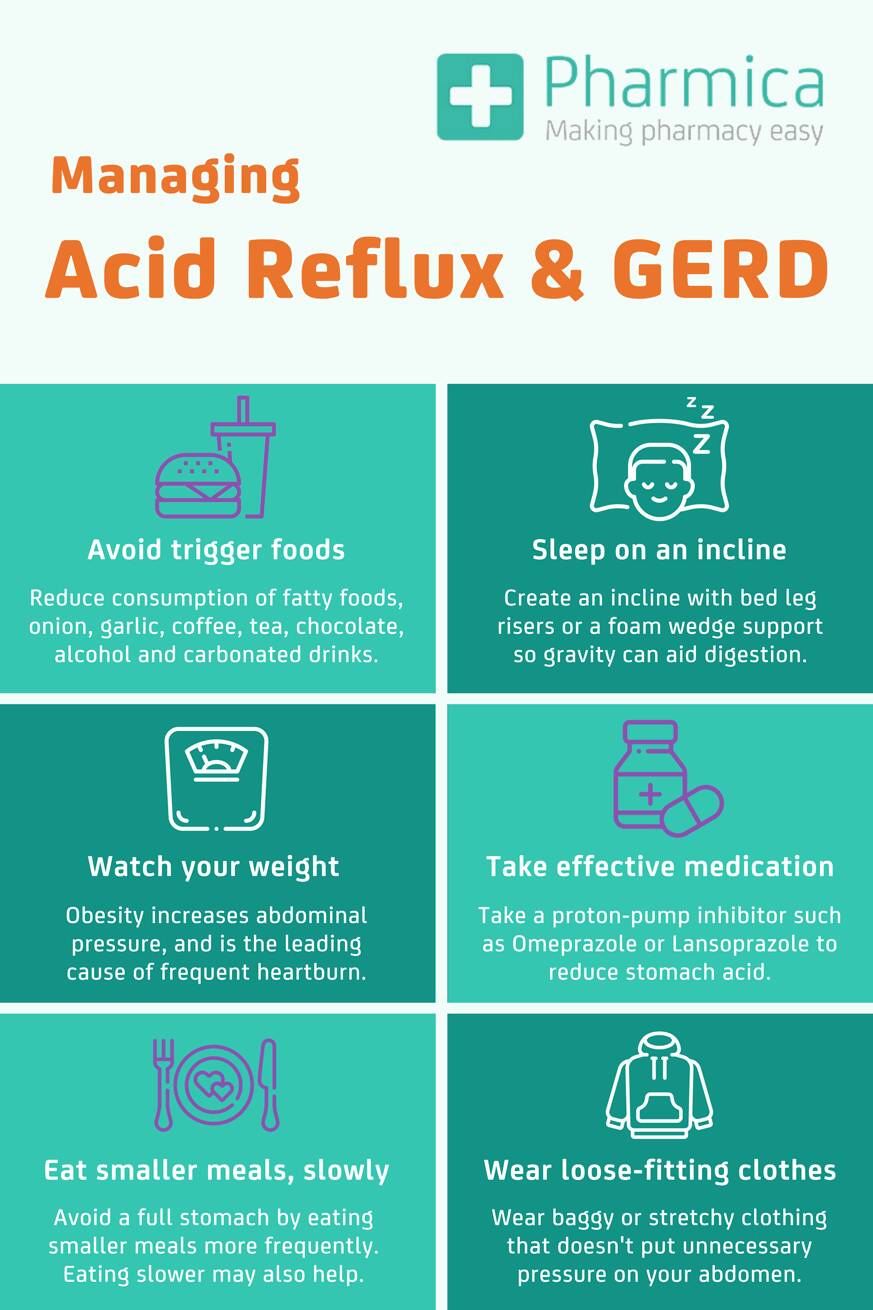
Sleep is often disrupted by acid reflux, with lying flat exacerbating the problem. Technology is stepping in to offer solutions that improve sleep posture without the need for cumbersome wedges. Smart adjustable bed bases are now sophisticated enough to allow for gradual, personalized elevation of the head and upper body. These can be programmed via an app to automatically adjust to an optimal anti-reflux position at bedtime or even at scheduled intervals throughout the night. Some advanced systems can even integrate with sleep tracking data to dynamically adjust the bed’s incline based on detected sleep disturbances potentially related to reflux. This proactive technological intervention ensures a more comfortable and less interrupted sleep, directly contributing to faster relief from nighttime acid reflux symptoms.
Connected Health Devices for Immediate Intervention
The realm of connected health devices is continuously expanding, offering new possibilities for rapid intervention. For example, while still in developmental stages, concepts for wearable devices that can administer targeted cooling or vibrations to the esophagus to soothe irritation are being explored. More immediately accessible are smart medication dispensers that can remind users to take their prescribed antacids or H2 blockers at the optimal time, ensuring they are available when needed. The integration of these devices into a connected ecosystem, where they can communicate with each other and with the user’s smartphone, creates a responsive system designed to address reflux symptoms as they arise. The goal is to provide immediate, targeted relief through innovative hardware, making the management of acid reflux more efficient and less dependent on manual interventions.
In conclusion, the quest for fast relief from acid reflux is increasingly finding its answers in the dynamic world of technology. From intelligent apps and wearable devices that track and predict symptoms to AI algorithms that personalize dietary advice and smart home solutions that optimize sleep posture, technology is empowering individuals with unprecedented tools for rapid and effective management of this common condition. By embracing these innovations, sufferers can move beyond passive waiting for relief to actively engaging with cutting-edge solutions that promise a quicker return to comfort.
aViewFromTheCave is a participant in the Amazon Services LLC Associates Program, an affiliate advertising program designed to provide a means for sites to earn advertising fees by advertising and linking to Amazon.com. Amazon, the Amazon logo, AmazonSupply, and the AmazonSupply logo are trademarks of Amazon.com, Inc. or its affiliates. As an Amazon Associate we earn affiliate commissions from qualifying purchases.