
The Fifth Amendment to the United States Constitution stands as a cornerstone of individual liberty, offering critical safeguards against governmental overreach. While its clauses are often invoked in criminal proceedings, its implications extend far beyond the courtroom, directly influencing financial dealings, business operations, and personal wealth management. Understanding these protections is not merely an academic exercise; it is essential for navigating the complexities of modern commerce and safeguarding one’s financial interests. This amendment ensures fundamental rights that, if understood and leveraged, can prevent financial ruin and foster secure economic growth.
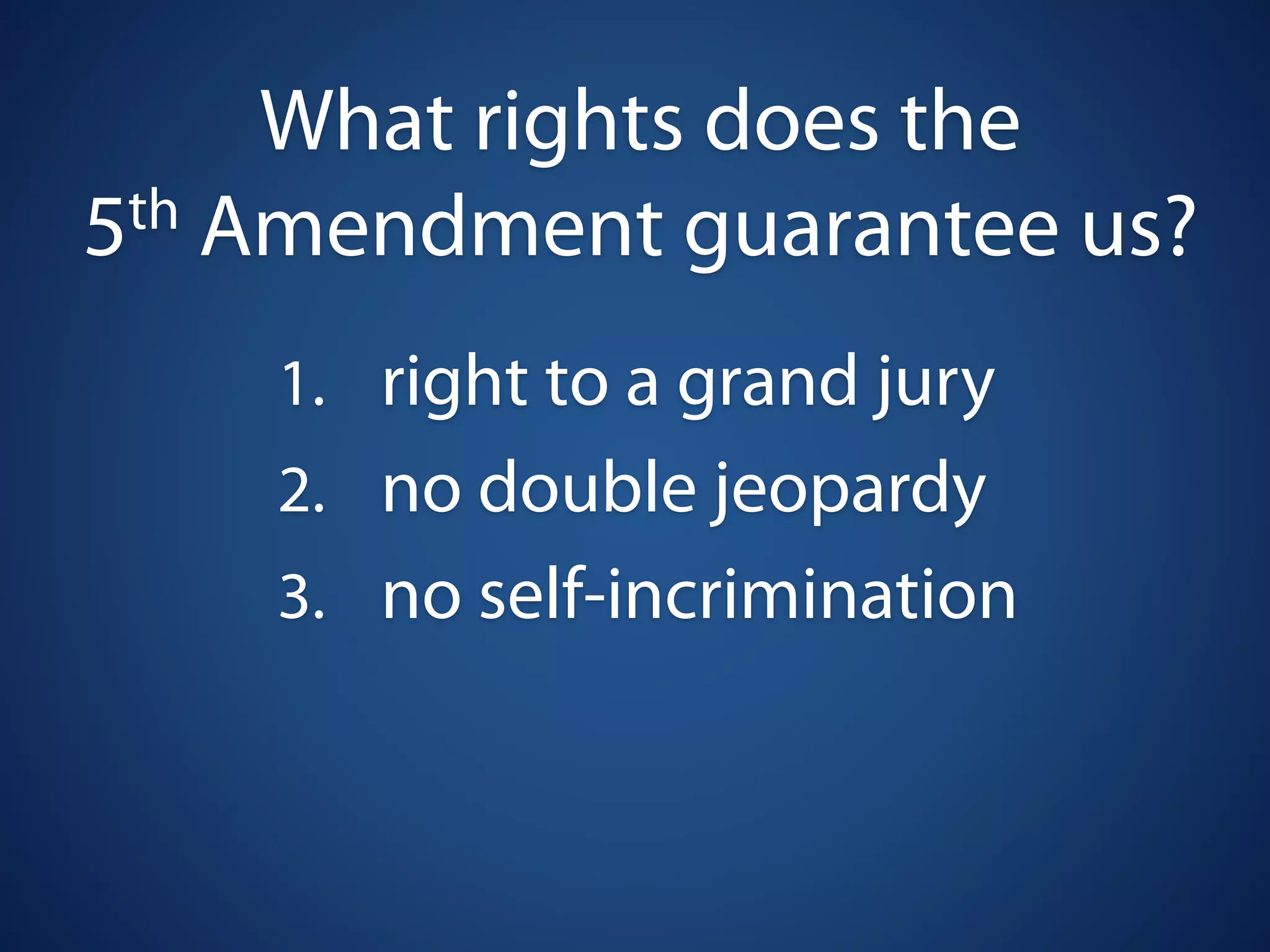
The Fifth Amendment is famously concise, yet its impact is profound. It comprises several distinct clauses, each addressing a vital aspect of due process and individual freedoms. These include the right to a grand jury indictment, protection against double jeopardy, the privilege against self-incrimination (often referred to as “pleading the fifth”), the right to due process of law, and the guarantee that private property shall not be taken for public use without just compensation (eminent domain). While each of these has independent significance, their collective effect creates a robust framework for protecting citizens, including their financial well-being, from arbitrary governmental actions.

Protection Against Unjust Financial Deprivation: The Takings Clause
One of the most direct financial implications of the Fifth Amendment lies within its Takings Clause: “nor shall private property be taken for public use, without just compensation.” This clause, also known as the eminent domain provision, empowers the government to acquire private property for public projects, such as building roads, schools, or infrastructure. However, this power is not absolute. The government must demonstrate a legitimate “public use” and, crucially, provide “just compensation” to the property owner.
Defining “Public Use” in Modern Contexts
Historically, “public use” was straightforwardly interpreted to mean direct use by the public. However, the interpretation has evolved over time. Landmark cases, such as Kelo v. City of New London (2005), expanded the definition to include economic development, even if the property is transferred to private developers who promise to create jobs or increase tax revenue. This broader interpretation has been a source of significant debate and concern within the business and investment communities, as it can potentially lead to the seizure of profitable enterprises or valuable real estate for private profit under the guise of public benefit. Understanding this evolving definition is crucial for real estate investors, developers, and businesses that own significant physical assets.
The Mandate of “Just Compensation”
The promise of “just compensation” is the financial bedrock of the Takings Clause. This is not simply the market value of the property at the time of the taking. It is intended to make the property owner whole, accounting for all elements of value that an owner might reasonably expect. This can include not only the market value but also severance damages (if only part of a property is taken, diminishing the value of the remaining portion), relocation expenses, lost profits (in some business contexts), and other demonstrable financial losses directly attributable to the taking. For businesses, this aspect of compensation is vital, as a forced relocation or asset seizure can disrupt operations, incur significant moving costs, and lead to a loss of goodwill and future revenue. Navigating the determination of “just compensation” often involves complex appraisals, negotiations, and potentially legal challenges, highlighting the need for professional financial and legal advice when faced with eminent domain proceedings.
Safeguarding Financial and Business Dealings: The Privilege Against Self-Incrimination
The Fifth Amendment’s most famous protection is the right against self-incrimination: “nor shall be compelled in any criminal case to be a witness against himself.” This clause, often summarized as “pleading the fifth,” is a powerful shield against forced confessions and compelled testimony that could lead to criminal prosecution and, consequently, severe financial penalties, asset forfeiture, or business closure.
Application in Civil and Regulatory Investigations
While its roots are in criminal law, the privilege against self-incrimination extends into civil and regulatory arenas, with significant financial ramifications. For instance, during financial investigations by agencies like the Securities and Exchange Commission (SEC) or the Internal Revenue Service (IRS), individuals and corporations may be compelled to provide testimony or produce documents. If this information could reasonably be used against them in a subsequent criminal proceeding, they can invoke the Fifth Amendment. This protection is critical for business owners, executives, and individuals involved in complex financial transactions, as it prevents them from being forced to self-report activities that might be construed as fraud, insider trading, or tax evasion.
Strategic Implications for Business Compliance and Risk Management
In the realm of business finance and compliance, understanding when and how to invoke the Fifth Amendment is a sophisticated risk management strategy. Companies facing internal investigations or external regulatory scrutiny must carefully balance the need for transparency with the imperative to protect themselves from potentially damaging disclosures. This often involves consulting with legal counsel to determine if providing certain information could expose individuals or the entity to criminal liability. The strategic use of the privilege can buy time for internal investigations, allow for the development of a strong legal defense, and potentially mitigate severe financial penalties that could arise from unadvisedly sharing incriminating evidence. It underscores the importance of robust internal controls and ethical practices, but also provides a crucial safeguard when those practices are questioned.
Ensuring Fair Play: Due Process and the Right to a Grand Jury Indictment
The Fifth Amendment also enshrines the right to due process of law and the requirement of a grand jury indictment for “capital, or otherwise infamous crime.” These protections, while seemingly procedural, have substantial financial implications by ensuring fairness and preventing arbitrary deprivation of liberty and property.
The Financial Impact of Due Process
The Due Process Clause mandates that the government act fairly and follow established legal procedures before depriving any person of “life, liberty, or property.” In the context of money and business, this means that governmental actions that could lead to financial penalties, asset seizure, or the revocation of licenses necessary for operating a business must adhere to strict procedural safeguards. This includes providing notice of the charges, an opportunity to be heard, and the right to a fair hearing. Without due process, individuals and businesses could face ruinous financial consequences based on flawed or biased proceedings. For example, the revocation of a professional license or a business permit without due process can halt income streams and lead to insolvency.

The Grand Jury’s Role in Financial Crimes
The right to a grand jury indictment serves as a critical check on prosecutorial power, particularly in cases involving complex financial crimes. Before a person can be formally charged with a serious federal offense, a grand jury, composed of ordinary citizens, must review the evidence presented by the prosecutor and determine if there is probable cause to believe a crime has been committed. This process helps to filter out weak or unsubstantiated cases, preventing individuals and businesses from facing the immense financial and reputational costs of a full trial based on insufficient evidence. For businesses suspected of financial wrongdoing, the grand jury process can be a crucial point at which potential charges are dismissed, thereby avoiding the devastating financial fallout of a protracted legal battle and potential conviction.
In conclusion, the protections guaranteed by the Fifth Amendment are far-reaching and profoundly impact financial security and business operations. From safeguarding property against uncompensated government seizure and protecting individuals from compelled self-incrimination in financial matters, to ensuring fair procedures in all governmental actions affecting wealth and livelihood, these constitutional rights form an indispensable bulwark against arbitrary power. Understanding and judiciously utilizing these protections is not just a matter of legal awareness; it is a vital component of sound financial planning, robust business strategy, and the preservation of individual economic freedom in the United States.
aViewFromTheCave is a participant in the Amazon Services LLC Associates Program, an affiliate advertising program designed to provide a means for sites to earn advertising fees by advertising and linking to Amazon.com. Amazon, the Amazon logo, AmazonSupply, and the AmazonSupply logo are trademarks of Amazon.com, Inc. or its affiliates. As an Amazon Associate we earn affiliate commissions from qualifying purchases.