
The imposition of tariffs by any nation, particularly those with significant global manufacturing capabilities like China, inevitably sends ripples throughout the global economy. For businesses and consumers alike, understanding which products are susceptible to these tariffs is crucial for strategic planning, cost management, and informed purchasing decisions. While the specific targets of tariffs can shift based on geopolitical considerations and trade negotiations, a consistent pattern emerges regarding the types of goods most frequently impacted. This analysis delves into the broad categories of products that are historically and likely to be affected by China tariffs, focusing on the financial implications for businesses and consumers.
The Broad Spectrum of Affected Goods
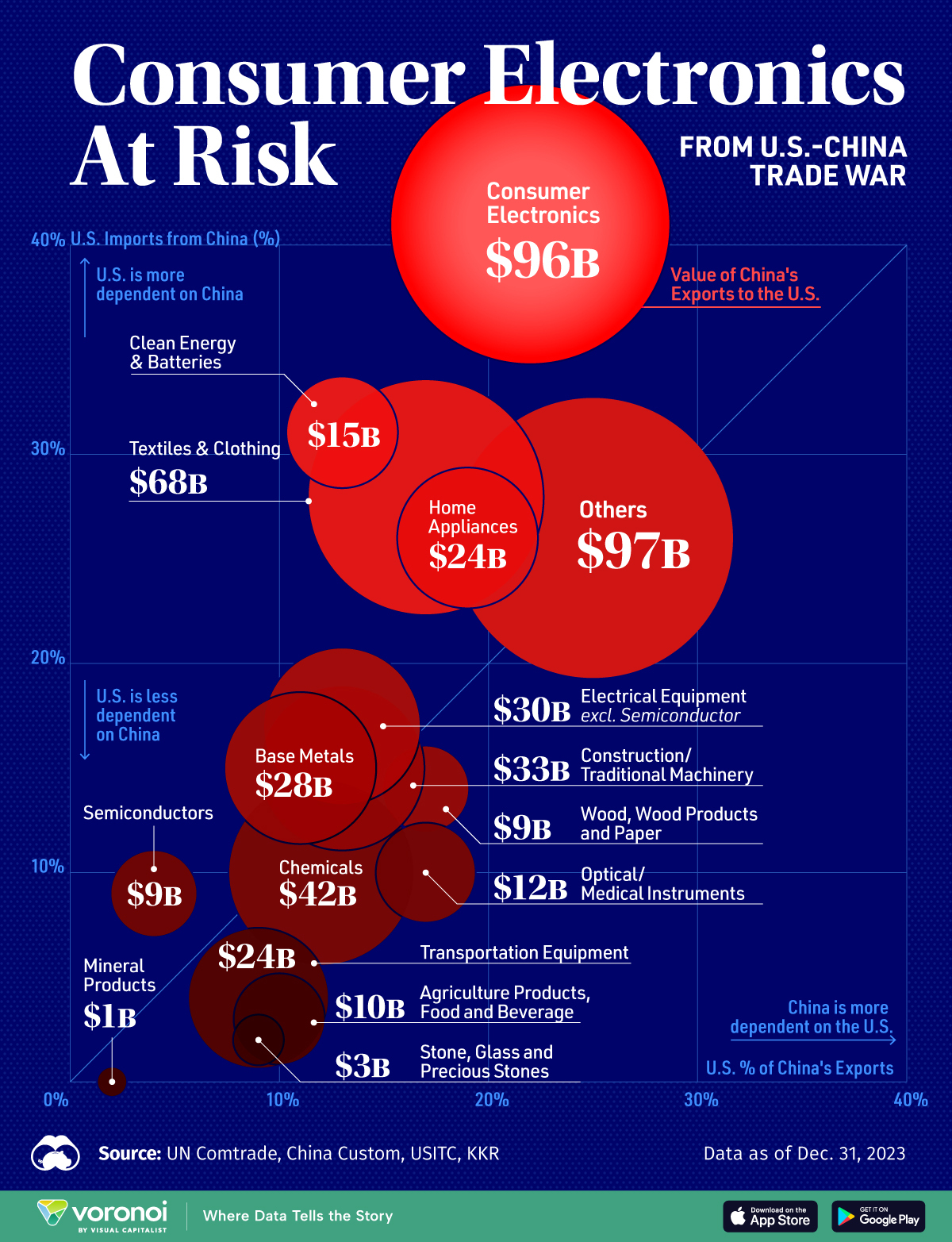
Tariffs are rarely applied in a vacuum; they are often strategic tools used to address trade imbalances, protect domestic industries, or exert political pressure. Consequently, the products affected by China tariffs span a vast array of sectors, from consumer electronics and industrial machinery to agricultural goods and raw materials. The impact is multifaceted, influencing production costs, retail prices, supply chain stability, and ultimately, consumer spending power.
Consumer Electronics: A Historically Vulnerable Sector
The consumer electronics industry has been a frequent target in trade disputes involving China due to the country’s dominant role in manufacturing many of these devices. From smartphones and laptops to televisions and gaming consoles, a significant portion of the world’s electronic goods are assembled or have components manufactured in China.
Smartphones and Personal Computing Devices
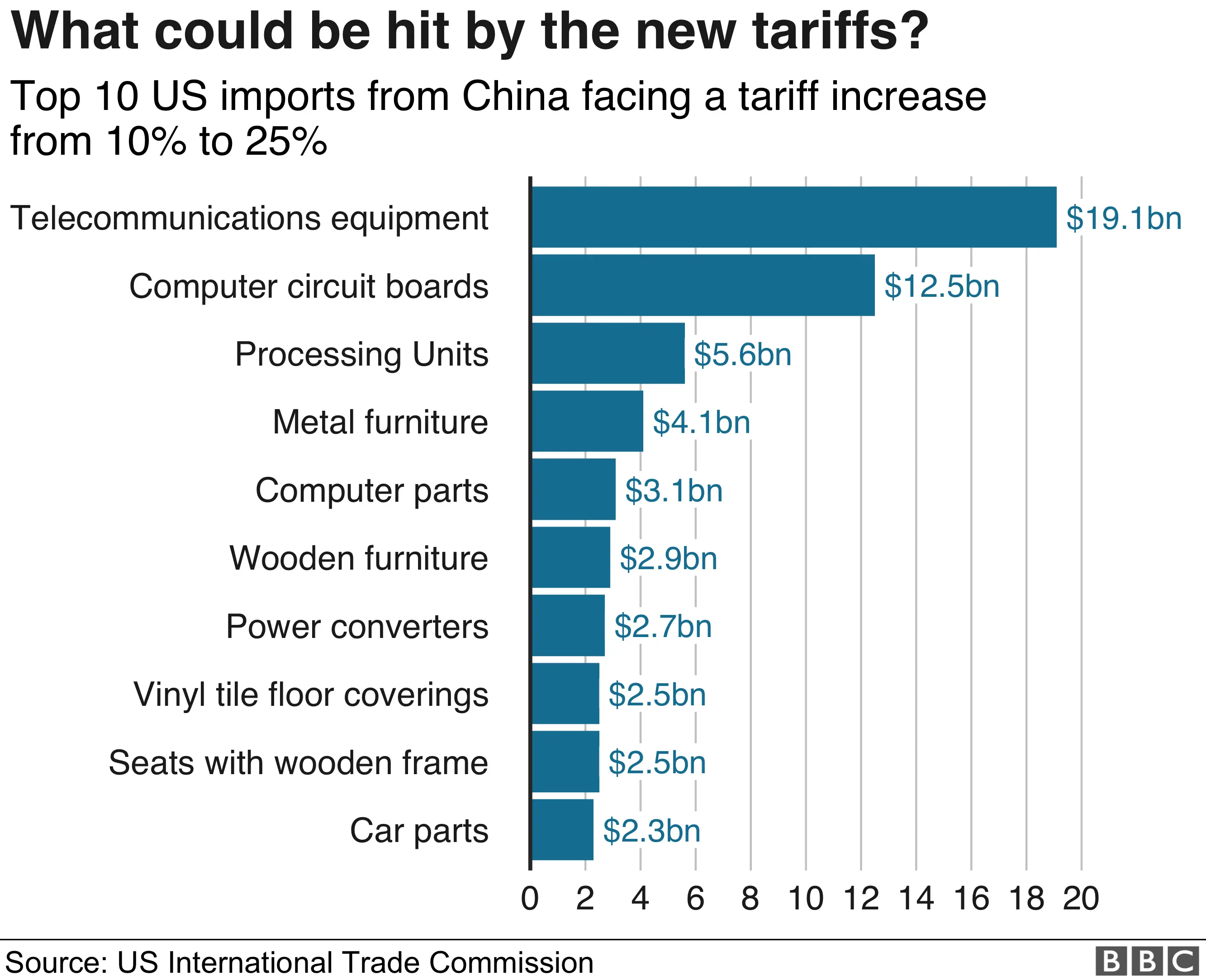
When tariffs are placed on components or finished goods in this category, it can lead to a direct increase in the cost of producing these essential devices. This cost can be absorbed by manufacturers, passed on to retailers, or ultimately borne by consumers through higher retail prices. For consumers, this might mean delaying upgrades, opting for less expensive models, or facing a general increase in the cost of staying connected and productive. Businesses relying heavily on these devices for operations will also feel the pinch, potentially impacting their IT budgets and investment in new technology.
Home Appliances and Entertainment Systems
Beyond personal devices, a wide range of home appliances, from refrigerators and washing machines to smart home devices and home theater systems, also face potential tariff impacts. The complexity of their supply chains, often involving numerous components sourced from different regions within China, makes them particularly susceptible. Increased costs in this area can influence consumer purchasing habits, with individuals potentially deferring non-essential upgrades or seeking out alternatives manufactured in countries not subject to the tariffs.
Industrial Goods and Manufacturing Inputs: The Backbone of Production
Tariffs on industrial goods and manufacturing inputs have a profound and often cascading effect. These are not typically the final products consumers purchase directly, but rather the raw materials, machinery, and intermediate components that form the foundation of countless manufacturing processes across the globe.
Machinery and Equipment
China is a significant producer of various types of industrial machinery, from factory automation equipment to specialized tools. Tariffs on these items can significantly increase the cost for businesses looking to invest in new production capabilities or upgrade existing facilities. This can stifle domestic manufacturing growth, reduce competitiveness, and potentially lead to job losses in sectors that rely on imported machinery. Businesses may be forced to seek more expensive alternatives from other countries or delay crucial investments, impacting long-term productivity.
Raw Materials and Components
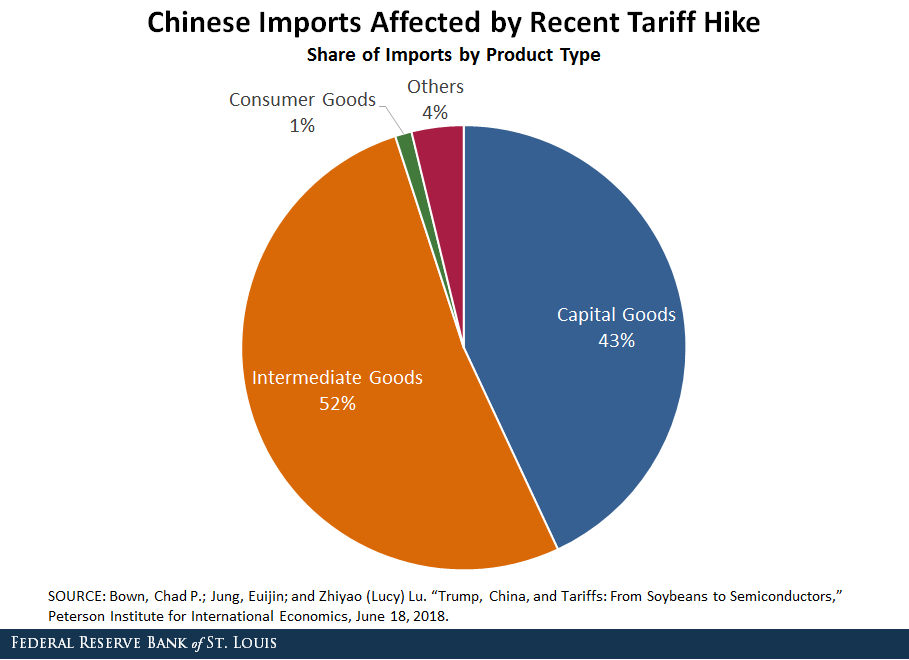
The impact of tariffs extends to the very building blocks of production: raw materials and intermediate components. This can include metals, plastics, chemicals, and specialized parts that are integral to the manufacturing of a vast array of products. An increase in the cost of these inputs will invariably be passed down the supply chain, affecting the final price of everything from automobiles and furniture to clothing and construction materials. For businesses, this necessitates a re-evaluation of sourcing strategies, potentially leading to the exploration of new suppliers or even reshoring production to mitigate tariff-related cost increases.
Agricultural Products and Foodstuffs: Impacting Daily Necessities
While often overlooked in discussions about technology or manufacturing, agricultural products and foodstuffs are also frequently subject to tariffs. These can be retaliatory measures or part of broader trade negotiations, directly impacting the cost and availability of food items.
Imported Produce and Processed Foods
Tariffs on fruits, vegetables, grains, and processed food items imported from China can lead to higher prices for consumers. This is particularly impactful in regions that rely on China for specific agricultural commodities. Beyond direct price increases, there can also be implications for variety and availability as importers may seek alternative sources or reduce the volume of goods brought into the country.
Food Processing Inputs
Furthermore, tariffs can affect the raw materials used in the food processing industry, such as specific spices, additives, or packaging materials that are sourced from China. This can increase the cost of producing a wide range of consumer food products, further contributing to inflationary pressures on grocery bills.
The Financial Ramifications for Businesses
The imposition of tariffs on goods originating from or destined for China has significant financial implications for businesses operating in a globalized marketplace. These effects can range from immediate cost increases to long-term strategic reconfigurations.
Increased Cost of Goods Sold (COGS)
The most direct financial impact of tariffs is an increase in the Cost of Goods Sold (COGS). When tariffs are levied on imported components or finished products, businesses that rely on these items will see their procurement costs rise. For manufacturers, this means paying more for the raw materials and parts needed to produce their goods. For retailers, it means paying more to acquire inventory for sale.
Absorbing Costs vs. Passing Them On
Businesses face a critical decision: absorb the increased costs, which will reduce profit margins, or pass them on to consumers in the form of higher prices. The decision often depends on the company’s market position, competitive landscape, and the price sensitivity of its customer base. In highly competitive markets, absorbing costs might be necessary to maintain market share, even at the expense of profitability. Conversely, in markets with less price elasticity, businesses may opt to pass the full or partial cost increase onto consumers.
Impact on Profit Margins
Regardless of whether costs are absorbed or passed on, tariffs have a tangible impact on profit margins. If costs are absorbed, profit margins shrink, potentially impacting a company’s ability to invest in research and development, marketing, or expansion. If costs are passed on, sales volume might decrease, which can also lead to lower overall profits. This financial pressure can be particularly acute for small and medium-sized enterprises (SMEs) with less financial flexibility.
Supply Chain Disruptions and Diversification
Tariffs often act as a catalyst for businesses to re-evaluate and diversify their supply chains. The reliance on a single country, especially one subject to unpredictable trade policies, becomes a significant risk.
The Strategic Imperative of Diversification
The threat of tariffs incentivizes businesses to identify and cultivate alternative suppliers in different geographic regions. This diversification strategy aims to mitigate the risk of future tariff impositions and to build a more resilient supply chain that is less vulnerable to geopolitical events. However, establishing new supply chains can be a complex and costly process, involving vetting new suppliers, negotiating contracts, and potentially retooling production processes.
Exploring Alternative Sourcing Locations
Companies are increasingly looking beyond China for manufacturing and sourcing. Countries in Southeast Asia, Eastern Europe, Mexico, and even reshoring production back to domestic markets are becoming more attractive options. The decision of where to source from will depend on factors such as labor costs, infrastructure, regulatory environments, and the availability of skilled labor, in addition to the avoidance of tariffs.
The Consumer Perspective: Higher Prices and Limited Choices
Ultimately, the financial impacts of China tariffs often trickle down to the end consumer, affecting their purchasing power and the variety of goods available.
Increased Retail Prices
As discussed, businesses often pass on the increased costs associated with tariffs to consumers. This means that a wide range of products, from electronics and apparel to home goods and toys, can become more expensive. For consumers, this translates into a reduced purchasing power, meaning they can buy less with the same amount of money.
Inflationary Pressures
When tariffs affect a broad spectrum of goods, they can contribute to broader inflationary pressures within an economy. This can erode the real value of savings and make it more challenging for households to manage their budgets, particularly for lower and middle-income families who spend a larger proportion of their income on essential goods.
Reduced Product Variety and Availability
Beyond price increases, tariffs can also lead to a reduction in the variety and availability of products. If it becomes too expensive or logistically challenging to import certain goods due to tariffs, businesses may decide to discontinue offering those items altogether. This can limit consumer choice and force individuals to settle for less preferred alternatives.
Shift in Consumer Demand
In response to higher prices and limited options, consumer demand may shift. Consumers might opt for domestically produced goods, seek out cheaper alternatives from other countries, or simply delay purchases of non-essential items. This can have a significant impact on the sales performance of businesses that were heavily reliant on the Chinese market for their product offerings.
The Search for Value: Smart Shopping Strategies
Navigating a market influenced by tariffs requires consumers to be more strategic in their purchasing decisions.
Comparing Prices Across Retailers and Countries
With increased price volatility, it becomes more important than ever for consumers to compare prices across different retailers and, where feasible, explore options from different countries. Online marketplaces and price comparison websites can be valuable tools in this regard.
Considering Alternatives and Durability
Consumers might also consider alternative brands or products that are less affected by tariffs. Furthermore, the increased cost of some items may prompt a greater focus on product durability and longevity, encouraging consumers to invest in higher-quality, longer-lasting goods rather than opting for cheaper, disposable alternatives. This shift can, in the long run, lead to more sustainable consumption patterns.
In conclusion, the question of “what products will be affected by China tariffs” is a complex one with far-reaching implications. While the specific list of affected goods can evolve, the impact on consumer electronics, industrial goods, and agricultural products is consistently significant. For businesses, tariffs necessitate careful financial planning, strategic supply chain management, and a proactive approach to diversification. For consumers, the consequences manifest in higher prices, potentially reduced variety, and a greater need for informed and value-conscious purchasing decisions. Understanding these dynamics is paramount for navigating the ever-shifting landscape of global trade and its tangible effects on our daily lives and economic well-being.
aViewFromTheCave is a participant in the Amazon Services LLC Associates Program, an affiliate advertising program designed to provide a means for sites to earn advertising fees by advertising and linking to Amazon.com. Amazon, the Amazon logo, AmazonSupply, and the AmazonSupply logo are trademarks of Amazon.com, Inc. or its affiliates. As an Amazon Associate we earn affiliate commissions from qualifying purchases.