
The night sky, a canvas of infinite wonder, has captivated humanity for millennia. For centuries, our understanding of the cosmos was limited to what the naked eye could discern. Today, however, a universe of celestial information is accessible, thanks to the rapid advancements in technology. This article delves into the intersection of stargazing and technology, exploring the best tools, apps, and digital resources available to help you identify and understand the planets visible in our night sky. Whether you’re a seasoned amateur astronomer or a curious beginner, the digital age has made observing the planets more accessible and engaging than ever before.
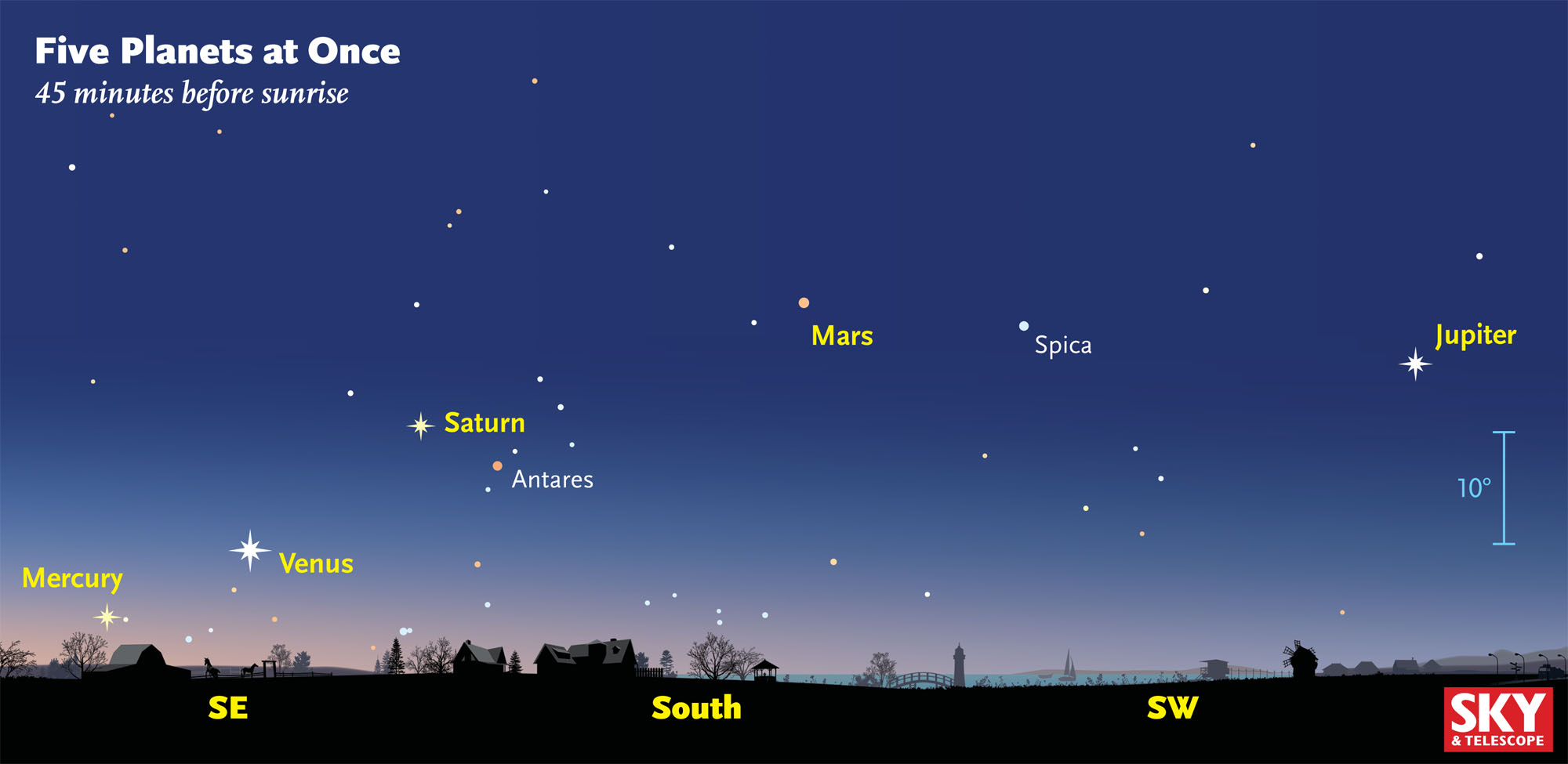
The Modern Celestial Navigator: Leveraging Technology for Planetary Discovery
Gone are the days of relying solely on star charts and printed guides. Modern technology offers a dynamic and interactive approach to planetary observation, transforming your smartphone or tablet into a powerful astronomical tool. From augmented reality displays to real-time tracking data, these innovations empower you to identify celestial bodies with unprecedented ease.
Augmented Reality Sky Mapping: Your Digital Orrery
Augmented reality (AR) applications have revolutionized how we interact with the night sky. By utilizing your device’s camera and GPS, these apps overlay a digital representation of the cosmos onto your real-world view. Simply point your phone towards the sky, and the app will identify constellations, stars, and most importantly for our purpose, the visible planets.
Popular AR Astronomy Apps and Their Capabilities
Several highly-rated AR astronomy apps are readily available for both iOS and Android platforms. These applications typically offer a wealth of features beyond basic planet identification.
-
SkyView® Lite/SkyView®: This user-friendly app is a perennial favorite for its intuitive interface and impressive accuracy. It allows you to point your device at any part of the sky and instantly see the names of stars, planets, satellites, and constellations. You can even follow the International Space Station (ISS) as it passes overhead. Its AR mode is particularly effective for distinguishing planets from brighter stars due to their distinct, steady light and often labeled iconography.
-
Star Walk 2: Known for its visually stunning interface and rich educational content, Star Walk 2 provides a more immersive experience. Beyond planet identification, it offers detailed information about each celestial body, including its history, mythology, and scientific data. The AR functionality is seamless, making it easy to locate planets like Jupiter, Saturn, Mars, and Venus. It also includes beautiful 3D models and animations.
-
SkySafari: While offering a free version, the paid tiers of Sky Safari unlock an unparalleled depth of astronomical data. It’s favored by serious amateur astronomers for its extensive catalog and sophisticated viewing options. Its AR capabilities are robust, allowing for precise planet tracking and providing detailed orbital information. The ability to simulate past and future sky positions is invaluable for planning observation sessions.
These AR apps are invaluable for beginners because they democratize astronomy. You don’t need to memorize complex star charts; the app does the heavy lifting, guiding your gaze and providing instant information. The interactive nature also makes learning engaging, transforming a passive observation into an active discovery.
Mobile Planetarium Software: Detailed Information at Your Fingertips
Beyond AR, dedicated mobile planetarium applications offer a comprehensive database of celestial objects and advanced simulation capabilities. These apps act as digital encyclopedias of the night sky, allowing you to explore the solar system and beyond from the comfort of your home.
Exploring the Solar System with Digital Planetarium Tools
These applications are more than just identification guides; they are powerful educational platforms. They provide detailed information on planetary characteristics, orbital paths, and visibility predictions, crucial for understanding why and when certain planets are visible.
-
Stellarium Mobile: A port of the popular desktop planetarium software, Stellarium Mobile offers a realistic 3D simulation of the night sky. It’s renowned for its accuracy and extensive database. You can set your location and time to see exactly what the sky looks like, then pan, zoom, and identify planets. The ability to fast-forward time allows you to see when planets will rise and set, and when they will be at their highest point in the sky (their culmination).
-
Moonglow (for Moon and Planet tracking): While its name suggests a focus on the Moon, Moonglow is an excellent tool for tracking planets as well. It provides detailed information on the phases of the Moon and the positions of major planets. Its strength lies in its clear presentation of ephemerides – tables of planetary positions – making it easy to plan observations and understand celestial mechanics.
-
SkyView® (again, for its catalog): While known for AR, SkyView® also excels as a mobile planetarium. Its comprehensive catalog allows users to tap on any planet and get detailed information, including its current position, distance from Earth, and interesting facts. This depth of information is crucial for understanding the planetary phenomena you’re observing.
The advantage of these tools is the contextual information they provide. Knowing a planet’s distance, size, and orbital period enriches the viewing experience, turning a simple sighting into an educational journey.
Planning Your Planetary Observation Session: Data-Driven Insights
Simply knowing which planets are visible is only half the battle. To truly maximize your stargazing experience, you need to understand when and where to look. Technology provides us with the data and tools to plan these observations effectively.
Utilizing Celestial Event Calendars and Tracking Apps
The visibility of planets is governed by their orbits and their positions relative to Earth and the Sun. Certain times of the year offer better viewing opportunities for specific planets. Digital calendars and specialized tracking apps help you stay informed about these optimal viewing windows.

Staying Ahead of the Curve: Visibility Predictions and Opposition Dates
Understanding key astronomical terms and events is crucial for effective planning. Technologies have made tracking these accessible.
-
Conjunctions: When two celestial bodies appear close together in the sky from our perspective. While not always indicating peak visibility, conjunctions can make it easier to spot dimmer objects by using brighter ones as guides. Apps often highlight upcoming conjunctions.
-
Oppositions (for outer planets): This occurs when a planet is on the opposite side of Earth from the Sun. For planets like Mars, Jupiter, and Saturn, opposition represents their closest approach to Earth and therefore their brightest and largest appearance in telescopes. Observing apps and websites will often prominently feature these dates, signaling prime viewing opportunities.
-
Elongation (for inner planets): For Mercury and Venus, which orbit closer to the Sun than Earth, “elongation” is the key term. This refers to the angular separation between the planet and the Sun as seen from Earth. The greatest elongation marks the times when these planets are furthest from the Sun in the sky, making them visible for longer periods after sunset or before sunrise.
Dedicated astronomy websites and apps often provide personalized visibility forecasts based on your location. These forecasts consider factors like atmospheric conditions, the planet’s altitude above the horizon, and its brightness. Websites like Heavens-Above.com and Sky & Telescope’s interactive sky charts are invaluable resources for detailed, location-specific predictions.
The Role of Telescopes and Accessories: Enhancing Your View
While naked-eye observation is rewarding, technology also plays a significant role in enhancing the viewing experience through advanced optics and digital accessories.
Smart Telescopes and Smartphone Adapters
The evolution of telescopes has been significantly influenced by technology. “Smart telescopes” often incorporate GPS and computer control, allowing them to automatically locate and track celestial objects, including planets.
-
GoTo Mounts: These computerized telescope mounts automatically point the telescope to a selected object. Once you’ve aligned your telescope using an app or its onboard computer, you can simply select a planet from your app’s database, and the mount will slew the telescope to that precise location. This dramatically reduces the frustration of manually searching for faint objects.
-
Smartphone Digiscoping Adapters: For those who already own a telescope, smartphone adapters are a game-changer. These simple, affordable devices allow you to attach your smartphone to the eyepiece of your telescope. You can then use your phone’s camera to capture images and videos of the planets you observe. This “digiscoping” capability turns your phone into a powerful astrophotography tool, allowing you to share your discoveries with others and document your stargazing journey. Many astronomy apps even offer astrophotography modes designed to work with these adapters, optimizing settings for celestial photography.
Beyond the Naked Eye: Unveiling the Details of Planetary Worlds
While Venus, Mars, Jupiter, and Saturn are often visible to the naked eye, technological tools allow us to go deeper, observing the details that make each planet unique.
Identifying and Observing the Planets
Let’s briefly touch upon the planets most commonly visible and what you can expect to see with the aid of technology.
-
Venus: Often called the “Morning Star” or “Evening Star,” Venus is the brightest planet in our sky. Its visibility is primarily limited to periods shortly after sunset or before sunrise due to its close orbit to the Sun. Through a telescope, even a small one, you can observe its phases, similar to those of the Moon, as it moves around the Sun. AR apps will clearly label it due to its brilliance.
-
Mars: The “Red Planet” is known for its distinct reddish hue. Its visibility varies significantly due to its elliptical orbit. During its closest approaches to Earth (oppositions), it can be a spectacular sight. With a moderate telescope, you can begin to discern surface features like dark markings and polar ice caps. Tracking apps will highlight when Mars is in a favorable position for observation.
-
Jupiter: The largest planet in our solar system, Jupiter is a marvel to behold. Even with a small telescope, you can typically see its four largest moons (Io, Europa, Ganymede, and Callisto) as tiny dots of light flanking the planet. With larger apertures, you can resolve Jupiter’s prominent cloud bands, and sometimes even the Great Red Spot, a colossal storm that has raged for centuries. AR and planetarium apps will easily identify it and often show its moons in real-time.
-
Saturn: Famous for its breathtaking rings, Saturn is a perennial favorite among amateur astronomers. While the rings are visible through most small telescopes, their distinctness and detail improve with larger apertures. Observing Saturn through a good telescope is an unforgettable experience, showcasing the planet’s majestic beauty. Apps will confirm its presence and location, and with a telescope, you can witness its iconic feature.
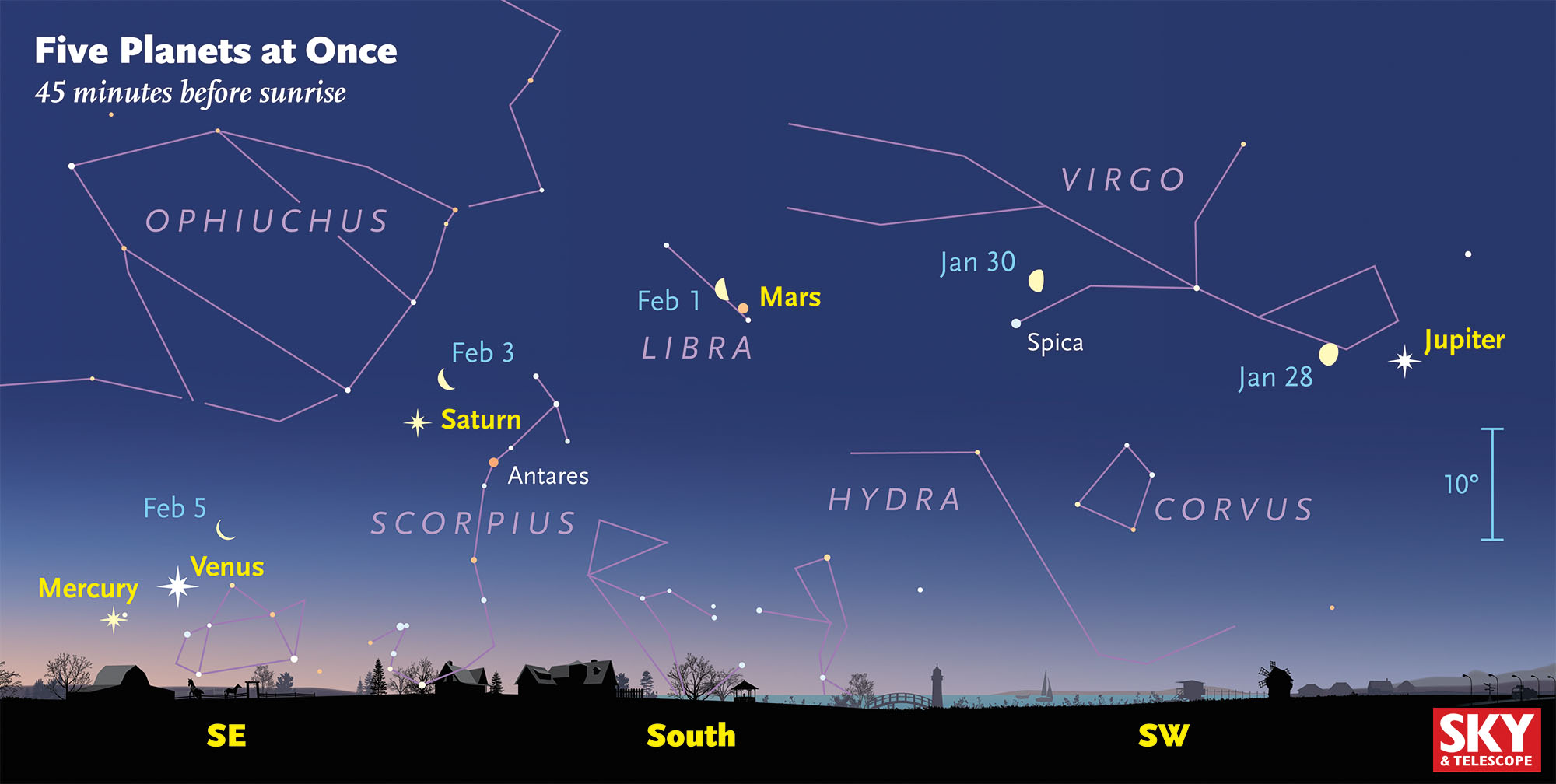
Technological Aids for Observing Fainter Planets
While Mercury can be challenging to spot due to its proximity to the Sun, and Uranus and Neptune are typically only visible through telescopes, technology has made these more accessible.
-
Mercury: Due to its orbit, Mercury is only visible for short periods around sunrise and sunset. Finding it requires precise timing and a clear, unobstructed view of the eastern or western horizon. Specialized apps that can predict its position and visibility during these fleeting moments are invaluable.
-
Uranus and Neptune: These ice giants are generally too faint to be seen with the naked eye, appearing as faint, star-like points in even modest telescopes. However, planetarium software and sky charting tools can pinpoint their exact locations, allowing you to find them with a telescope once you know where to look. They are often seen as subtle, greenish or bluish discs through larger instruments.
In conclusion, the question of “what planets can you see at night” is no longer a matter of just looking up. It’s an invitation to explore a technologically enhanced universe. From the intuitive guidance of AR apps to the detailed simulations of planetarium software, and the enhancing capabilities of modern telescopes and accessories, the digital age has transformed stargazing into an accessible, educational, and deeply rewarding pursuit. By embracing these technological tools, you can unlock the wonders of our solar system and embark on your own personal journey of cosmic discovery, night after celestial night.
aViewFromTheCave is a participant in the Amazon Services LLC Associates Program, an affiliate advertising program designed to provide a means for sites to earn advertising fees by advertising and linking to Amazon.com. Amazon, the Amazon logo, AmazonSupply, and the AmazonSupply logo are trademarks of Amazon.com, Inc. or its affiliates. As an Amazon Associate we earn affiliate commissions from qualifying purchases.