
The question of “what percentage of the population voted” is fundamental to understanding the health and engagement of a democracy. While seemingly straightforward, the answer is nuanced, influenced by how “the population” is defined and the methodologies used for tracking participation. In the 21st century, technology has begun to reshape how we access information about voter turnout, offering new tools for analysis and engagement, and presenting unique challenges. This article delves into the intricacies of voter turnout, examining the factors that influence it and exploring the burgeoning role of technology in its measurement and potential enhancement.
The Shifting Landscape of Voter Turnout: More Than Just a Number
Voter turnout is more than a statistical figure; it’s a reflection of civic engagement, political efficacy, and the perceived representativeness of the democratic process. Historically, turnout rates have fluctuated significantly, influenced by a complex interplay of socio-economic factors, electoral systems, and the political climate.
Defining “The Population”: Who is Included in the Count?
The first crucial step in understanding voter turnout is to define who we are counting. The “population” eligible to vote is not synonymous with the total population of a country or region.
Eligibility Criteria and Voter Registration
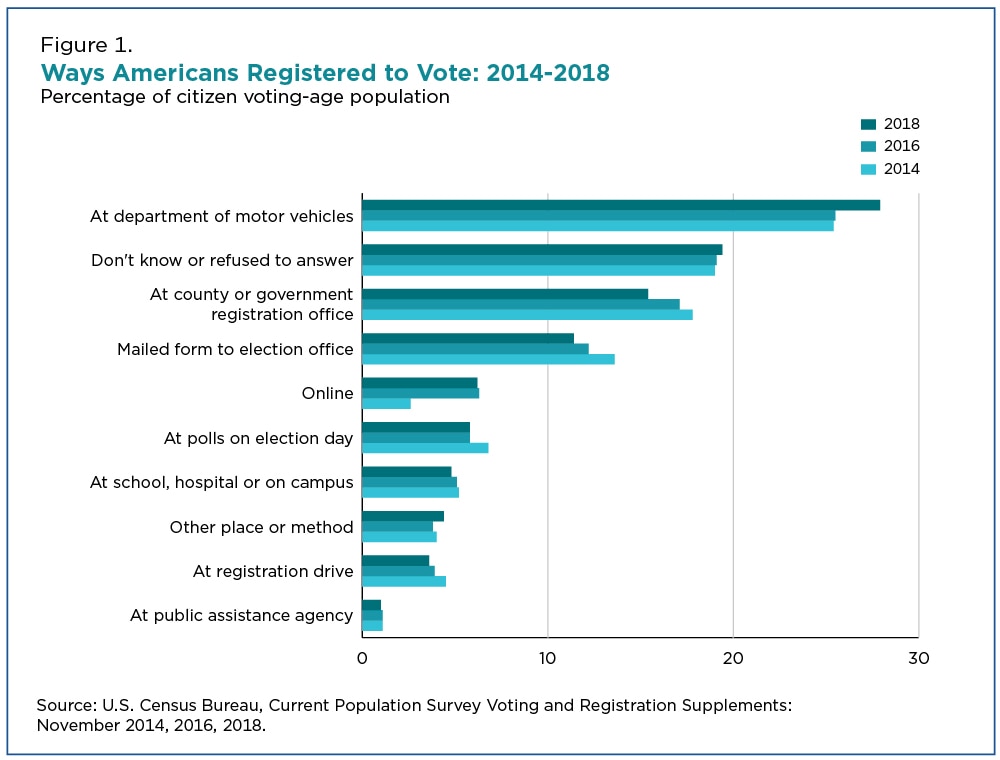
Eligibility criteria, such as age, citizenship, and residency, immediately narrow the pool of potential voters. Furthermore, in many democracies, voter registration is a prerequisite for casting a ballot. This process itself can be a significant hurdle, impacting turnout rates. Different registration systems – such as automatic registration, same-day registration, or more restrictive deadlines – can have a substantial effect on the percentage of eligible citizens who are actually registered and, consequently, who can vote. The digital age has seen efforts to streamline registration through online portals, but accessibility and digital literacy remain critical considerations.
Voter-Eligible Population (VEP) vs. Voting-Age Population (VAP)
Researchers and analysts often employ two primary metrics to calculate turnout:
- Voting-Age Population (VAP): This is the total number of individuals aged 18 and over residing in a given jurisdiction. It’s a broader measure, including those who may not be eligible to vote due to citizenship status or other legal restrictions. While simple to calculate, VAP often presents a more conservative, lower turnout percentage.
- Voter-Eligible Population (VEP): This metric attempts to exclude individuals who are ineligible to vote, such as non-citizens, convicted felons (depending on jurisdiction), and those who have not met residency requirements. VEP provides a more accurate picture of the proportion of those legally permitted to vote who actually cast a ballot. Calculating VEP can be more complex, often requiring detailed demographic data and knowledge of specific eligibility laws.
The choice between VEP and VAP significantly alters the perceived turnout rate, making it essential to understand which metric is being used when discussing statistics. Technological advancements in data aggregation and analysis are improving the accuracy of VEP calculations, allowing for more precise insights into electoral participation.
Factors Influencing Turnout: A Multifaceted Equation
Numerous factors contribute to why a certain percentage of the eligible population votes. These can be broadly categorized into individual, structural, and political influences.
Socio-economic and Demographic Factors
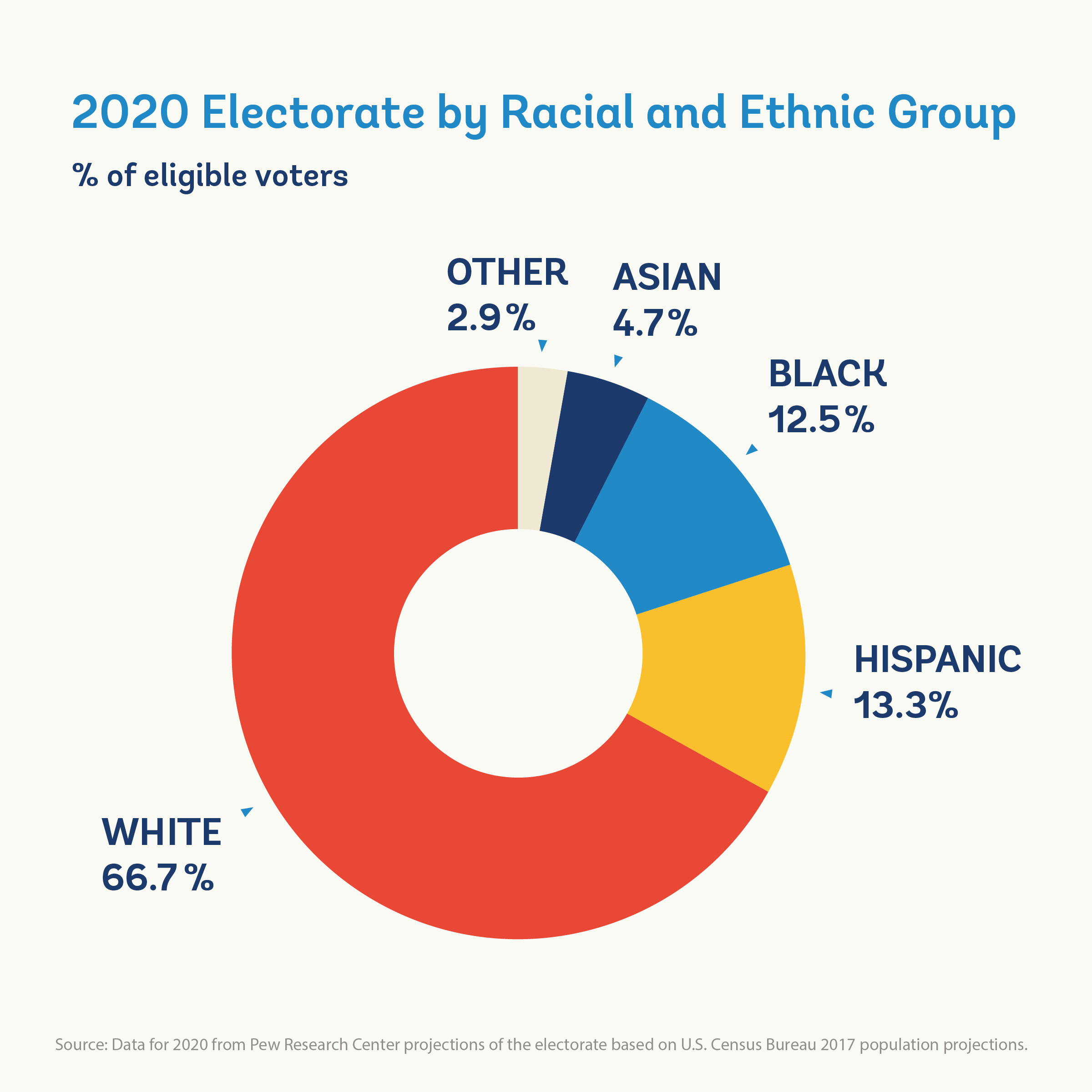
Education, income, age, and race are consistently identified as significant correlates of voter turnout. Individuals with higher levels of education and income tend to vote at higher rates. Older citizens generally participate more than younger ones. While racial disparities in turnout have historically been pronounced, ongoing efforts to address systemic barriers are continually reshaping these patterns. Technology, through targeted information campaigns and the removal of some logistical barriers, can play a role in mitigating some of these disparities.
Electoral System Design and Voting Logistics
The structure of an election itself can influence turnout. Factors such as the competitiveness of the race, the perceived importance of the election, and the ease of voting are all critical. Jurisdictions with more accessible polling locations, longer early voting periods, and robust vote-by-mail options often see higher turnout. The introduction of online voter registration, mobile voting applications (though still nascent and facing security concerns), and digital tools for finding polling places are all technological innovations aimed at simplifying the voting process.
Political Context and Mobilization Efforts
The political climate, the perceived stakes of an election, and the effectiveness of political campaigns in mobilizing voters are powerful drivers of turnout. When voters feel that an election will have a significant impact on their lives, or when political parties and advocacy groups successfully engage them, participation tends to increase. Digital platforms have become indispensable tools for mobilization, enabling campaigns to reach voters directly with tailored messages, organize volunteers, and disseminate information about registration deadlines and polling locations.
Technology’s Impact on Voter Turnout: Measurement, Access, and Engagement
The digital revolution has profoundly impacted nearly every aspect of society, and electoral participation is no exception. Technology offers new avenues for measuring turnout, facilitating access to voting, and fostering civic engagement, but also introduces new challenges.
Enhanced Data Collection and Analysis
The aggregation and analysis of voter data have been dramatically enhanced by technological capabilities.
Digital Voter Rolls and Real-Time Tracking
Modern election administration relies heavily on digital voter registration databases. These systems allow for more efficient management of voter rolls, easier updates, and a more accurate count of registered voters. In some jurisdictions, technology facilitates near real-time tracking of absentee ballot requests and returns, providing valuable data for election officials and researchers to understand turnout trends as they happen. This level of granular data was unimaginable in the pre-digital era.
Data Analytics for Predicting and Understanding Turnout
Sophisticated data analytics and machine learning algorithms are increasingly being used to predict voter turnout. By analyzing historical voting patterns, demographic data, and even social media sentiment, analysts can identify potential trends and target resources to areas where turnout might be lower. This allows campaigns and election officials to design more effective outreach strategies and identify potential logistical bottlenecks.
Improving Voter Access and Convenience
Technology is at the forefront of efforts to make voting more accessible and convenient for a broader segment of the population.
Online Voter Registration and Information Portals
The advent of online voter registration systems has been a significant step towards simplifying a historically paper-based process. Many governments and civic organizations now provide comprehensive online portals that offer information on registration deadlines, polling place locations, candidate information, and voting instructions. These digital resources reduce the need for in-person visits or mail-in forms, making it easier for busy citizens to engage with the electoral process.
The Potential (and Perils) of Digital Voting
The concept of digital voting, including online voting and ballot casting via mobile devices, represents the most radical technological transformation of the voting process. Proponents argue that it could dramatically increase turnout by removing geographical barriers and offering unparalleled convenience. However, significant concerns remain regarding cybersecurity, the potential for fraud, the digital divide (ensuring access for those without reliable internet or devices), and the verifiability of votes. While some limited trials have occurred, widespread adoption of digital voting faces substantial technological and societal hurdles.
The Role of Digital Platforms in Civic Engagement
Beyond the act of casting a ballot, technology plays a crucial role in fostering broader civic engagement that can, in turn, influence voter turnout.
Social Media and Political Discourse
Social media platforms have become ubiquitous spaces for political discussion, information dissemination, and community organizing. They allow for rapid spread of news, enable citizens to directly engage with political figures and organizations, and serve as powerful tools for organizing get-out-the-vote (GOTV) efforts. However, these platforms also present challenges related to misinformation, disinformation, and the creation of echo chambers, which can polarize the electorate and potentially depress engagement among certain groups.
Digital Tools for Campaign Mobilization and GOTV
Political campaigns have heavily invested in digital tools for voter outreach and mobilization. Sophisticated software allows for micro-targeting of voters with personalized messages, efficient volunteer coordination through mobile apps, and real-time tracking of campaign outreach efforts. These digital strategies aim to ensure that registered voters turn out on election day by providing reminders, logistical information, and reinforcing the importance of their participation.
Challenges and the Path Forward: Ensuring Inclusive and Secure Turnout
While technology offers immense potential for improving voter turnout and making electoral processes more efficient, several challenges must be addressed to ensure that these advancements benefit all citizens and maintain the integrity of democratic elections.
Bridging the Digital Divide and Ensuring Equitable Access
A fundamental challenge is the “digital divide.” Not everyone has equal access to reliable internet service, smartphones, or the digital literacy skills required to navigate online registration systems or digital voting platforms. If technological solutions are implemented without addressing these disparities, they risk further disenfranchising already marginalized communities. Efforts to expand broadband access, provide digital literacy training, and offer non-digital alternatives are crucial for ensuring truly inclusive participation.
Cybersecurity and the Integrity of the Vote
The increasing reliance on digital systems for voter registration, tabulation, and potentially voting itself raises significant cybersecurity concerns. Protecting these systems from hacking, manipulation, and interference is paramount to maintaining public trust in the electoral process. Robust security protocols, transparent auditing mechanisms, and ongoing vigilance are essential. The debate around the security of mail-in ballots and the potential vulnerabilities of online voting platforms highlights the need for careful consideration and rigorous testing of any technology introduced into the electoral infrastructure.
Combating Misinformation and Disinformation
The speed and reach of digital platforms make them fertile ground for the spread of misinformation and disinformation, which can deliberately confuse voters, suppress turnout, or sow distrust in the electoral process. Developing effective strategies to identify, flag, and counter false narratives while upholding freedom of speech is a complex and ongoing challenge. Media literacy education and promoting reliable sources of information are critical components of a healthy digital civic space.

The Future of Voter Turnout: A Hybrid Approach
Ultimately, the question of “what percentage of the population voted” will continue to be influenced by a dynamic interplay of societal, political, and technological factors. The future of voter turnout likely lies in a hybrid approach – leveraging the efficiency and reach of technology while safeguarding against its potential pitfalls. This means exploring innovative digital tools for registration and information access, strengthening cybersecurity measures, and investing in programs that promote digital inclusion and media literacy. The goal must be to ensure that every eligible citizen has the opportunity and the confidence to participate in their democracy, regardless of their technological proficiency or access. By thoughtfully integrating technology, we can strive for higher, more equitable voter turnout and a more robust democratic future.
aViewFromTheCave is a participant in the Amazon Services LLC Associates Program, an affiliate advertising program designed to provide a means for sites to earn advertising fees by advertising and linking to Amazon.com. Amazon, the Amazon logo, AmazonSupply, and the AmazonSupply logo are trademarks of Amazon.com, Inc. or its affiliates. As an Amazon Associate we earn affiliate commissions from qualifying purchases.