
The ubiquity of smartphones has transformed how we communicate, work, and interact with the world. Among the vast array of devices available, Apple’s iPhone has carved out a significant and enduring presence in the American market. Understanding the penetration of iPhones among the U.S. population offers valuable insights into consumer preferences, market dynamics, and the broader technological landscape. This exploration delves into the current statistics, historical trends, and influencing factors behind iPhone ownership in America, situating it within the broader context of the tech industry.
The Shifting Landscape of Smartphone Ownership
The smartphone market is a dynamic arena, constantly shaped by innovation, consumer demand, and evolving economic conditions. While precise, real-time figures can fluctuate, research and industry analyses consistently paint a picture of robust iPhone adoption in the United States. This section will explore the current state of iPhone ownership and how it compares to the overall smartphone market.
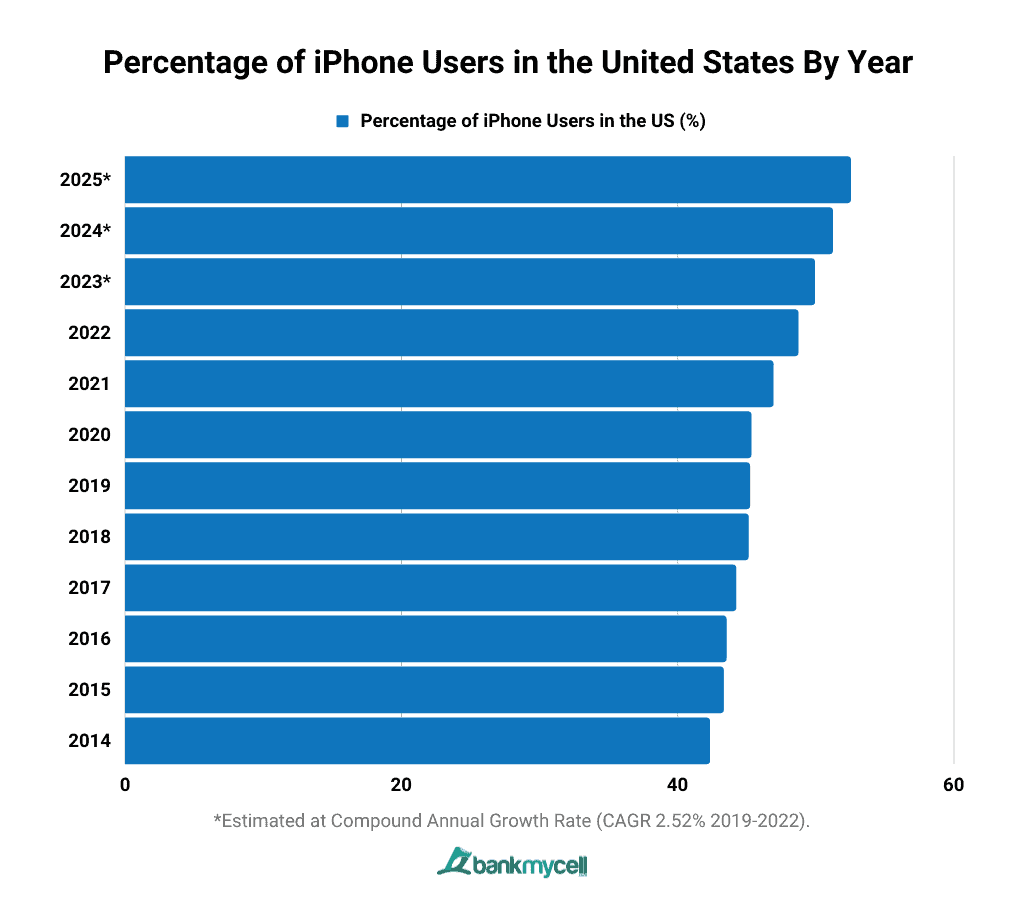
Current iPhone Penetration in the U.S.
Recent reports from various reputable market research firms and technology news outlets consistently place iPhone ownership among Americans at a substantial level. While exact percentages can vary depending on the methodology and the specific timeframe of the survey, it is widely acknowledged that iPhones represent a significant portion of the U.S. smartphone user base. Figures often hover in the mid-to-high 40s or even into the low 50s, indicating that nearly half or more of American smartphone users opt for an Apple device.
This dominance isn’t a static snapshot; it’s the result of sustained appeal and a consistent strategy from Apple. The iPhone’s design, user experience, ecosystem integration, and perceived brand value have all contributed to its enduring popularity. Moreover, the consistent release of new models, often at premium price points, has cultivated a loyal customer base that frequently upgrades, further solidifying its market share.
The U.S. Smartphone Market: A Broader Perspective
To fully appreciate the significance of iPhone ownership, it’s crucial to consider it within the context of the entire U.S. smartphone market. Android devices, manufactured by a variety of companies including Samsung, Google, and others, collectively hold a substantial portion of the remaining market share. The competition between iOS (Apple’s operating system) and Android is one of the defining narratives of the mobile technology era.
While Android offers a wider range of device options across various price points, catering to a broader spectrum of consumers, the iPhone has managed to maintain its strong foothold, particularly among higher-income demographics and those who prioritize a seamlessly integrated ecosystem. The choice between iOS and Android often boils down to personal preference, brand loyalty, existing device ownership, and specific feature requirements. However, the data clearly indicates that a considerable segment of the American population has gravitated towards the iPhone as their primary mobile computing device.
Factors Driving iPhone Adoption and Loyalty
The sustained popularity of the iPhone isn’t accidental. A confluence of strategic decisions by Apple, coupled with consumer behavior and technological advancements, has fostered a highly loyal customer base and a dominant market position in the U.S. This section will examine the key drivers behind this phenomenon.
The Power of the Apple Ecosystem
Perhaps the most significant factor contributing to iPhone loyalty is the strength and integration of the Apple ecosystem. Owning an iPhone is often the gateway to a suite of interconnected Apple products and services, including Apple Watch, AirPods, iPads, Macs, and services like iCloud, Apple Music, and Apple TV+. These devices and services are designed to work seamlessly together, creating a user experience that is both intuitive and convenient.
For instance, features like Handoff allow users to start a task on one Apple device and finish it on another. AirDrop facilitates easy file sharing between devices, and iCloud synchronizes data across the entire ecosystem. This interconnectedness creates a powerful lock-in effect, making it challenging and less desirable for users to switch to a different platform once they are deeply integrated into the Apple world. The convenience and efficiency gained from this seamless integration are highly valued by many consumers, especially those who already own multiple Apple products.
Brand Perception and User Experience

Apple has masterfully cultivated a brand image associated with premium quality, innovation, and sophisticated design. The iPhone, in particular, has become a symbol of status and technological advancement for many. This perception is reinforced through Apple’s meticulous attention to detail in product design, build quality, and the intuitive nature of its iOS operating system.
The user interface of iOS is widely praised for its simplicity, ease of use, and consistent design language. This user-friendly approach makes it accessible to a broad range of users, from tech novices to seasoned enthusiasts. Furthermore, Apple’s strong commitment to privacy and security is another key differentiator that resonates with many consumers, especially in an era of increasing concerns about data protection. The perceived reliability and longevity of iPhones also contribute to their appeal, often leading to higher resale values compared to competing devices.
Product Innovation and Iteration
Apple’s consistent track record of introducing innovative features and refining existing ones with each new iPhone release plays a crucial role in maintaining customer interest and encouraging upgrades. While critics may argue about the pace of revolutionary changes, Apple’s iterative approach consistently introduces meaningful improvements in areas such as camera technology, processing power, battery life, and display quality.
The iPhone’s camera system, for example, is often cited as a leading feature, producing high-quality photos and videos that rival professional equipment. Advances in computational photography and video recording capabilities continue to push the boundaries of what is possible with a smartphone. Furthermore, Apple’s investment in silicon development, with its custom-designed A-series and now M-series chips, ensures that iPhones offer industry-leading performance, enabling smooth multitasking, demanding gaming, and advanced AI functionalities. This relentless pursuit of technological excellence, coupled with strategic marketing, keeps the iPhone at the forefront of consumer desire.
Beyond the Numbers: The Significance of iPhone Ownership
Understanding the percentage of Americans who own iPhones transcends mere statistical curiosity. It provides critical insights into consumer behavior, market dynamics, and the future trajectory of the technology industry. This section will delve into the broader implications of high iPhone penetration.
Economic and Consumer Behavior Indicators
The high percentage of iPhone ownership in the U.S. serves as a significant indicator of consumer spending power and preferences. iPhones are premium-priced devices, and their widespread adoption suggests a segment of the American population with disposable income willing to invest in high-end technology. This can inform businesses about target demographics, marketing strategies, and product development.
Furthermore, the consistent upgrade cycles of iPhone users contribute to a robust secondary market for smartphones, influencing the resale value of older devices and the purchasing decisions of budget-conscious consumers. The demand for iPhones also impacts the broader tech retail landscape, influencing inventory management, sales strategies, and the competitive positioning of other smartphone manufacturers and accessory providers. The economic ripple effects extend beyond direct sales, influencing app development, accessory manufacturing, and repair services.
Influence on the Broader Tech Landscape
The dominance of the iPhone and its associated iOS ecosystem has a profound influence on the entire technology landscape. Developers prioritize building apps and services for iOS due to its substantial and engaged user base. This often leads to new features and applications being available on iOS before or exclusively on the platform.
Moreover, the design and user experience paradigms established by Apple often set industry standards, influencing the development of competing operating systems and hardware. The emphasis on user privacy and security, which Apple champions, has also put pressure on other tech companies to adopt more robust data protection measures. The constant innovation within the iPhone line-up pushes other manufacturers to innovate and compete, ultimately benefiting consumers with a wider array of advanced mobile technologies. The iPhone’s trajectory often dictates the pace of innovation and the direction of trends in the mobile technology sector.
Future Outlook and Market Evolution
Looking ahead, the percentage of Americans with iPhones is likely to remain strong, although continuous evolution in the market is inevitable. Factors such as the increasing affordability of capable Android devices, the emergence of new smartphone form factors, and the evolving needs of consumers will continue to shape the competitive landscape.
However, Apple’s established ecosystem, strong brand loyalty, and continued investment in research and development position it well for sustained success. The company’s ability to integrate new technologies, such as augmented reality and artificial intelligence, into its devices will be critical in maintaining its market share. The ongoing competition with Android manufacturers will continue to drive innovation, potentially leading to new pricing strategies and feature sets that appeal to a broader range of consumers. Ultimately, the ongoing narrative of iPhone ownership in America is a testament to Apple’s strategic acumen and its deep understanding of consumer desires within the dynamic world of technology.
aViewFromTheCave is a participant in the Amazon Services LLC Associates Program, an affiliate advertising program designed to provide a means for sites to earn advertising fees by advertising and linking to Amazon.com. Amazon, the Amazon logo, AmazonSupply, and the AmazonSupply logo are trademarks of Amazon.com, Inc. or its affiliates. As an Amazon Associate we earn affiliate commissions from qualifying purchases.