
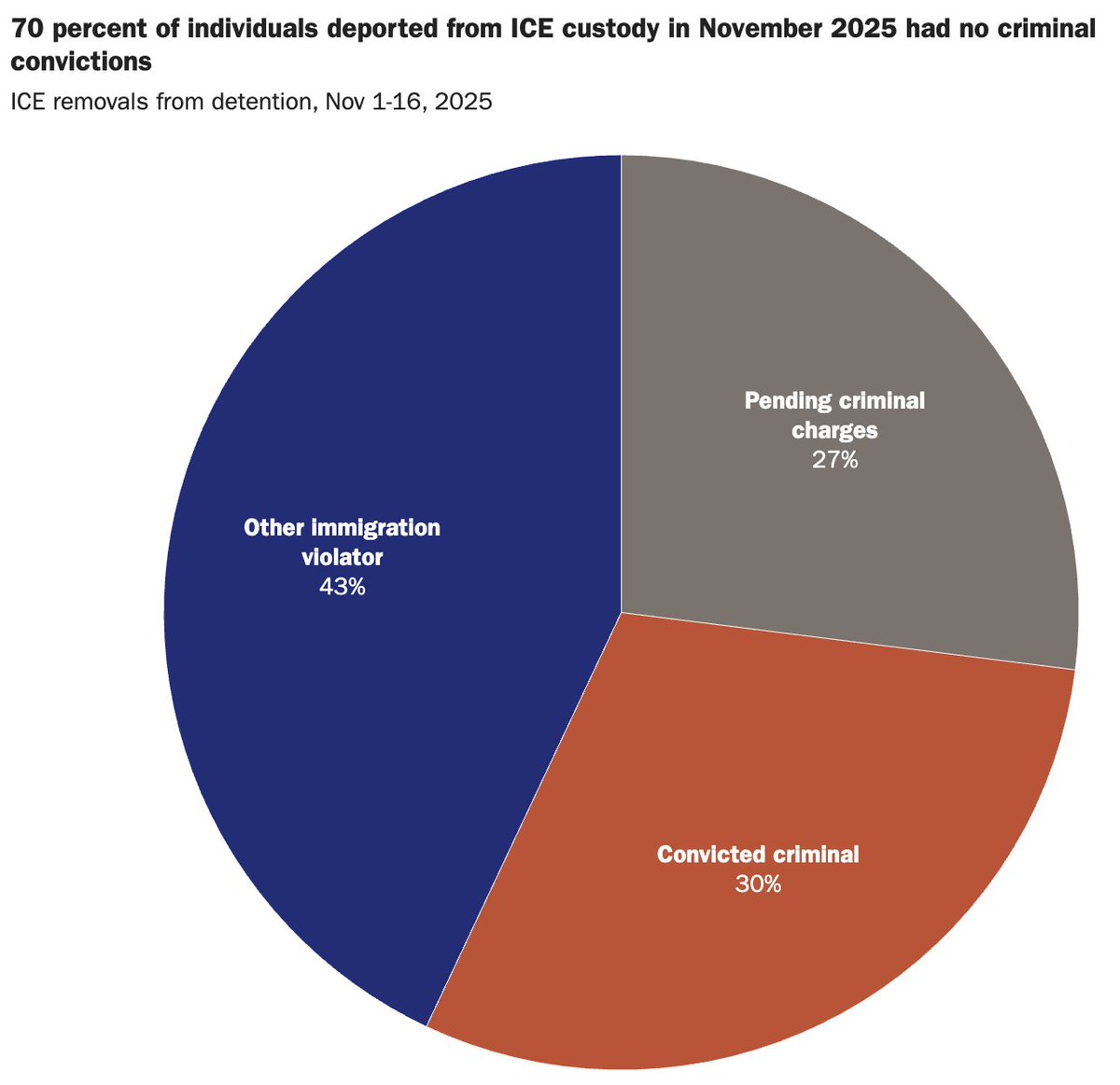
The question of what percentage of individuals facing deportation are classified as criminals is a recurring point of discussion, often fueling debates about immigration policy, national security, and resource allocation. While a precise, universally agreed-upon percentage can be elusive due to variations in data collection, reporting methodologies, and legal definitions across jurisdictions, exploring this question through a financial and economic lens reveals significant insights into the monetary implications of deportation, the economic contributions of immigrant populations, and the costs associated with enforcement.
This analysis will delve into the financial dimensions of deportation, examining the economic impact of criminal versus non-criminal deportations, the costs borne by taxpayers, and the potential economic benefits foregone when individuals are removed from the workforce. Understanding these financial underpinnings is crucial for informed policy decisions and a more pragmatic approach to immigration and enforcement.
The Financial Case for Differentiating Deportation Categories
When discussing deportation, a critical financial distinction emerges between individuals who have committed serious crimes and those who have violated civil immigration laws. This distinction is not merely semantic; it carries substantial financial weight in terms of enforcement priorities, resource allocation, and the overall economic impact on both the deporting nation and the individuals themselves.
Cost-Benefit Analysis of Enforcement Priorities
The prioritization of deportations based on criminal history involves a complex cost-benefit calculation, even if not always explicitly stated in financial terms. Law enforcement and immigration agencies are often tasked with optimizing limited resources. This means directing funds towards apprehending and removing individuals deemed a higher risk to public safety.
Diverting Resources: Criminal vs. Non-Criminal Apprehensions
The apprehension and removal of individuals with criminal convictions typically involve more intricate legal processes, including coordination with criminal justice systems, longer detention periods, and potentially more extensive investigations. These activities are inherently more resource-intensive. Funds allocated to these efforts could, hypothetically, be used for other priorities, such as border security, processing asylum claims, or addressing other forms of immigration enforcement.
Conversely, the apprehension and removal of individuals with no criminal history, often based solely on civil immigration violations, might appear simpler from a logistical standpoint. However, a significant portion of the immigration enforcement budget is dedicated to these civil violations. The financial question then becomes: what is the return on investment for expending significant resources on individuals who pose no criminal threat? The economic cost of detaining and removing individuals who are otherwise contributing to the economy through labor and consumption must be weighed against the perceived benefit of enforcing civil immigration statutes. This involves considering lost tax revenue, decreased consumer spending, and the potential for these individuals to fill labor shortages in key sectors.
Economic Contributions of Immigrant Populations
Before delving deeper into the costs of deportation, it’s essential to acknowledge the substantial economic contributions of immigrant populations as a whole. Immigrants, regardless of their immigration status, are often significant contributors to the economy through labor, entrepreneurship, and consumption.
Labor Force Participation and Tax Revenue
Immigrants fill essential roles in various sectors of the economy, from agriculture and construction to healthcare and technology. They contribute to the labor force, increasing productivity and filling jobs that native-born workers may not be able or willing to do. Furthermore, immigrants, including those with precarious legal status, pay taxes. They contribute to payroll taxes (Social Security and Medicare), sales taxes, and, in many cases, income taxes. These contributions help fund public services, including the very systems that carry out deportation.
Entrepreneurship and Innovation
Immigrants have a higher rate of entrepreneurship than native-born populations in many countries. They start businesses, create jobs, and drive innovation, adding significant value to the economy. The removal of such individuals, regardless of their criminal status, represents a loss of this entrepreneurial potential and the economic activity it generates. From a purely financial standpoint, the economic dynamism fostered by immigrant entrepreneurs is a valuable asset.
The Financial Burden of Deportation Enforcement
The process of identifying, apprehending, detaining, and ultimately deporting individuals is a costly endeavor for any government. Understanding the financial outlay associated with these operations provides a crucial perspective on the economic realities of immigration enforcement.
Direct Costs of Immigration Enforcement
The direct financial costs associated with immigration enforcement are staggering. These costs encompass a wide range of activities and infrastructure.
Border Security and Surveillance Technologies
Significant portions of national budgets are allocated to border security, including the deployment of personnel, the use of advanced surveillance technologies such as drones, sensors, and facial recognition systems, and the construction and maintenance of physical barriers. The ongoing investment in these technologies, while aimed at controlling unauthorized entries, represents a substantial financial commitment.
Detention Facilities and Operations
The detention of individuals awaiting deportation is a major cost driver. This includes the construction and maintenance of detention centers, the salaries of detention staff, food, medical care, and security. For-profit private prison companies often play a significant role in immigration detention, creating a financial incentive structure around detainee numbers. The per-day cost of detaining an individual can be considerable, and when multiplied by the vast numbers of individuals processed annually, the financial burden becomes immense.
Legal Proceedings and Transportation
The legal processes involved in deportation proceedings, including immigration court hearings, legal representation (for those who qualify or can afford it), and administrative processes, also incur significant costs. Furthermore, the logistical expenses of transporting individuals from detention facilities to their home countries, often involving air travel and escorts, add to the overall financial burden.
Indirect Costs and Economic Opportunities Lost
Beyond the direct budgetary outlays, the indirect costs of deportation, particularly those related to lost economic potential, are equally significant, though often harder to quantify.
Lost Labor and Productivity
When individuals are deported, the economy loses their labor and their potential to contribute to productivity. This can have a ripple effect, particularly in sectors heavily reliant on immigrant labor. Businesses may face labor shortages, leading to increased labor costs or reduced output. The loss of skilled workers or entrepreneurs can also hinder economic growth.
Reduced Consumer Spending and Tax Contributions
Deported individuals, when employed, contribute to the economy through their spending on goods and services. They also contribute to tax revenues through income, sales, and payroll taxes. Their removal from the country means a reduction in overall consumer demand and a loss of tax revenue that could otherwise fund public services or reduce budget deficits. This loss of economic activity represents a foregone opportunity for national prosperity.
Impact on Families and Communities
While not purely financial, the social and emotional costs of deportation, particularly when families are separated, can have long-term economic consequences. The loss of a wage earner can plunge families into poverty, requiring increased reliance on social support systems. The disruption to communities can also have unforeseen economic repercussions.
The Financial Implications of Criminality in Deportation Data
The categorization of deportees as “criminals” is a key element in understanding the financial dynamics of immigration enforcement. While data can vary, the general trend suggests that a significant portion of deportations are not for serious criminal offenses but for civil immigration violations. This has profound financial implications.
Defining “Criminal” in Deportation Statistics
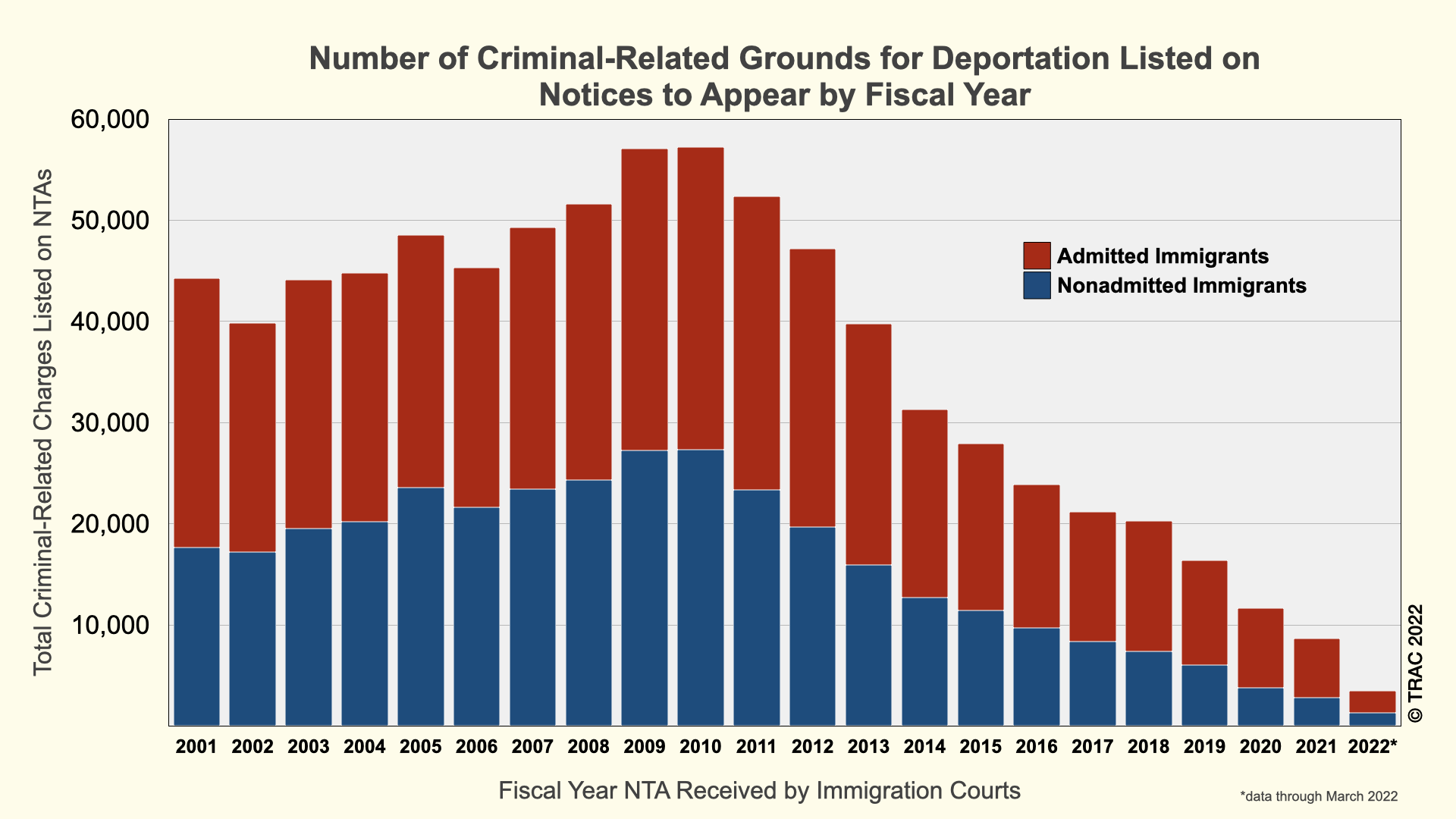
It is crucial to understand how “criminal” is defined within deportation statistics. Often, this classification includes a broad spectrum of offenses, ranging from minor infractions to serious felonies. This broad definition can sometimes obscure the nuances of individual cases and their actual impact on public safety.
Misdemeanors vs. Felonies: A Financial Divide
A significant portion of individuals deported for criminal offenses may have committed misdemeanors or low-level felonies, rather than violent crimes or serious offenses. The financial resources expended to deport an individual for a minor infraction may be disproportionately high compared to the perceived threat they pose.
The cost of apprehending, detaining, and deporting someone for a minor offense must be weighed against the potential for that individual to contribute economically if allowed to remain and regularize their status. The financial debate then shifts to whether the allocation of resources for such deportations is the most economically sound strategy.
The Economic Case for Focusing Enforcement
From a purely financial perspective, an argument can be made for prioritizing the deportation of individuals who pose a genuine threat to public safety and have committed serious crimes. This approach could potentially streamline enforcement and allocate resources more effectively.
Optimizing Resource Allocation for Public Safety
If enforcement resources are concentrated on individuals with a history of serious criminal activity, law enforcement agencies can focus their efforts on those who truly pose a risk. This could lead to a more efficient use of taxpayer money, as the complex legal and logistical challenges associated with deporting serious offenders are often intertwined with the criminal justice system itself.
Potential for Economic Gains from Reduced Civil Deportations
By potentially reducing the resources dedicated to deporting individuals solely for civil immigration violations, governments could reallocate these funds or reduce overall enforcement expenditures. The economic argument here suggests that the lost productivity, tax revenue, and entrepreneurial potential from deporting non-criminal immigrants may outweigh the costs and benefits of their removal. This could lead to a net economic gain by allowing more individuals to contribute legally to the economy.

Conclusion: Re-evaluating Deportation Through a Financial Lens
The question of “what percent of people deported are criminals” is not just a matter of statistics; it is deeply intertwined with financial considerations that shape policy, resource allocation, and economic outcomes. While definitive percentages can fluctuate, the analysis consistently points towards the substantial financial implications of deportation, regardless of an individual’s criminal history.
The direct costs of enforcement – border security, detention, legal processes, and transportation – represent a significant drain on public funds. When these direct costs are juxtaposed with the indirect costs of lost labor, reduced consumer spending, foregone tax revenue, and diminished entrepreneurial activity, the economic argument for a more nuanced approach to immigration enforcement becomes compelling.
A critical examination of deportation policies through a financial lens encourages a re-evaluation of priorities. Focusing enforcement on individuals who pose a demonstrable threat to public safety, while potentially exploring pathways for non-criminal immigrants to contribute legally to the economy, could represent a more fiscally responsible and economically beneficial strategy. Ultimately, understanding the monetary realities of deportation is not just about accounting for expenditures; it is about recognizing the economic potential that is either realized or lost based on the decisions made regarding immigration and enforcement.
aViewFromTheCave is a participant in the Amazon Services LLC Associates Program, an affiliate advertising program designed to provide a means for sites to earn advertising fees by advertising and linking to Amazon.com. Amazon, the Amazon logo, AmazonSupply, and the AmazonSupply logo are trademarks of Amazon.com, Inc. or its affiliates. As an Amazon Associate we earn affiliate commissions from qualifying purchases.