
The intricate dance between wakefulness and slumber is one of the most fundamental biological processes governing our existence. It dictates our productivity, our mood, our cognitive function, and our overall health. For millennia, humanity has been captivated by the mystery of sleep, and modern science has begun to unravel the complex neural machinery that orchestrates our daily cycles of rest and activity. At the heart of this finely tuned system lies a fascinating network of brain structures, each playing a crucial role in dictating when we feel drowsy and when we feel alert. Understanding these components is akin to deciphering the operating system of our own biology, offering profound insights into optimizing our daily performance and well-being.
The Master Regulators: Key Brain Structures Orchestrating Sleep and Wakefulness
The control of the sleep-wake cycle isn’t vested in a single, isolated brain region. Instead, it’s a distributed system, a collaborative effort between several key areas that constantly communicate and influence each other. These structures act as the command centers, receiving and processing signals about internal biological clocks and external environmental cues to regulate our transitions between wakefulness and sleep.
The Suprachiasmatic Nucleus (SCN): The Body’s Internal Clock
Perhaps the most pivotal component in controlling our sleep-wake cycle is the Suprachiasmatic Nucleus (SCN). Nestled within the hypothalamus, a small but incredibly influential region of the brain located just above the optic chiasm (where the optic nerves cross), the SCN is the primary pacemaker for our circadian rhythms. Circadian rhythms are biological processes that oscillate roughly on a 24-hour cycle, and the SCN is responsible for generating and maintaining these internal rhythms, including the sleep-wake cycle, hormone release, body temperature, and even appetite.
The SCN receives direct input from the retina of the eyes via the retinohypothalamic tract. This connection is crucial because light, particularly sunlight, is the most powerful environmental cue that synchronizes our internal clock with the external day-night cycle. Even in complete darkness, the SCN continues to generate a rhythmic output, but exposure to light helps to “reset” and fine-tune this internal clock, ensuring it remains aligned with the Earth’s rotation.
The SCN operates through a complex molecular mechanism involving the rhythmic expression of certain genes and their protein products. These “clock genes” turn each other on and off in a cyclical manner, creating an intrinsic oscillation that drives the SCN’s rhythmic activity. This continuous, self-sustaining rhythm is then communicated to other parts of the brain and body, influencing various physiological processes. When it’s time to wake up, the SCN signals to promote wakefulness; when it’s time to sleep, it signals to facilitate sleep onset.
The Brainstem: The Gatekeepers of Arousal
The brainstem, a stalk-like structure connecting the cerebrum and cerebellum to the spinal cord, plays a critical role in regulating arousal and wakefulness. Several nuclei within the brainstem, particularly in the pons and medulla, are involved in promoting alertness and maintaining consciousness. These areas contain neurotransmitter systems that are essential for keeping us awake and responsive to our environment.
One of the most significant brainstem components is the Reticular Activating System (RAS). The RAS is a network of neurons that extends throughout the brainstem and projects to the thalamus, hypothalamus, and cerebral cortex. The RAS is crucial for filtering sensory information and promoting a state of general arousal. When the RAS is active, we are awake and attentive. When its activity is suppressed, we are more likely to fall asleep.
Key neurotransmitters released by brainstem nuclei, such as norepinephrine, serotonin, and dopamine, are crucial for promoting wakefulness. These neurotransmitters act on various brain regions to increase alertness, improve focus, and facilitate cognitive processing. Disruptions in these neurotransmitter systems can significantly impact our ability to stay awake or fall asleep. For instance, certain medications that target these neurotransmitters are used to treat sleep disorders like narcolepsy.
The Hypothalamus: The Integration Hub
While the SCN is a specific nucleus within the hypothalamus, the hypothalamus as a whole acts as a crucial integration hub for regulating both sleep and wakefulness. It receives signals from the SCN about the time of day and from other brain regions about our physiological state, such as hunger, thirst, and body temperature. The hypothalamus then integrates this information to make decisions about initiating and maintaining sleep or wakefulness.
Within the hypothalamus, several key areas are involved:
- The Ventrolateral Preoptic Nucleus (VLPO): This region is considered a major “sleep-promoting” center. Neurons in the VLPO inhibit arousal-promoting areas in the brainstem and hypothalamus. When the VLPO becomes active, it actively suppresses wakefulness, leading to sleep onset and maintenance. This inhibitory action is thought to be mediated by neurotransmitters like gamma-aminobutyric acid (GABA).
- The Lateral Hypothalamus: This area contains neurons that produce hypocretin (also known as orexin), a neuropeptide that plays a vital role in promoting wakefulness and stabilizing our sleep-wake cycle. Hypocretin neurons project to various arousal-promoting areas, including the brainstem and cerebral cortex, helping to keep us alert. The degeneration of hypocretin-producing neurons is the primary cause of narcolepsy, a disorder characterized by excessive daytime sleepiness and sudden sleep attacks.
- The Tuberomammillary Nucleus (TMN): Located in the posterior hypothalamus, the TMN is a major source of histamine, a neurotransmitter that promotes wakefulness. Histamine neurons are highly active during wakefulness and are suppressed during sleep. Medications that block histamine receptors, like antihistamines, can cause drowsiness, illustrating the role of this nucleus in maintaining alertness.
The Thalamus and Cerebral Cortex: The Experience of Consciousness
While the brainstem and hypothalamus are primarily involved in regulating the state of being awake or asleep, the thalamus and cerebral cortex are where the experience of consciousness resides. The thalamus acts as a relay station for sensory information, routing signals to the cerebral cortex for processing. During wakefulness, the thalamus actively transmits sensory information to the cortex, allowing us to perceive and interact with our environment.
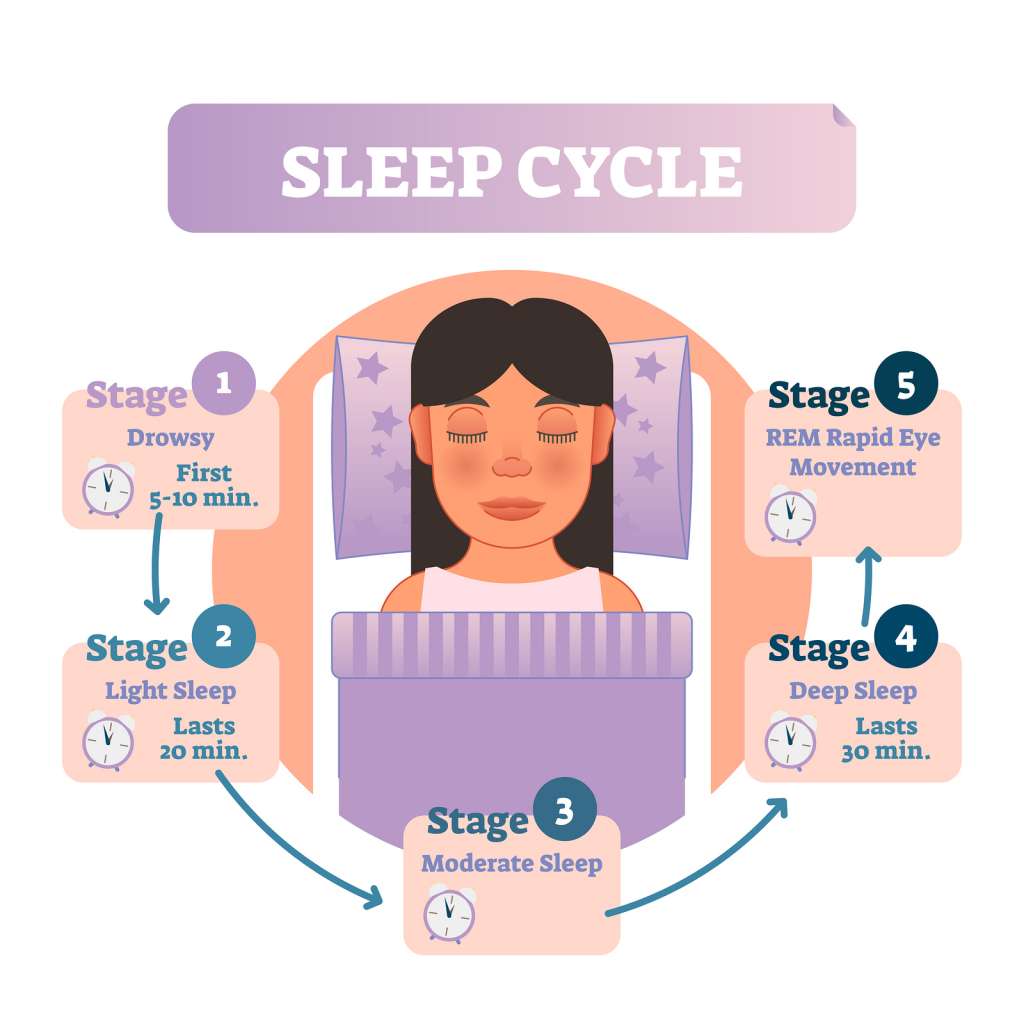
During sleep, the thalamus undergoes significant changes in its electrical activity. In non-rapid eye movement (NREM) sleep, the thalamus enters a state of rhythmic, synchronized firing, which effectively blocks the flow of sensory information to the cortex. This is why we are less responsive to external stimuli during NREM sleep. In rapid eye movement (REM) sleep, the thalamus’s activity becomes more desynchronized, allowing for the vivid dreaming that characterizes this stage of sleep. The cerebral cortex, the outer layer of the brain responsible for higher-level cognitive functions, is actively involved in both wakefulness and the complex processes of dreaming during REM sleep.
The Neural Networks: How These Structures Interact
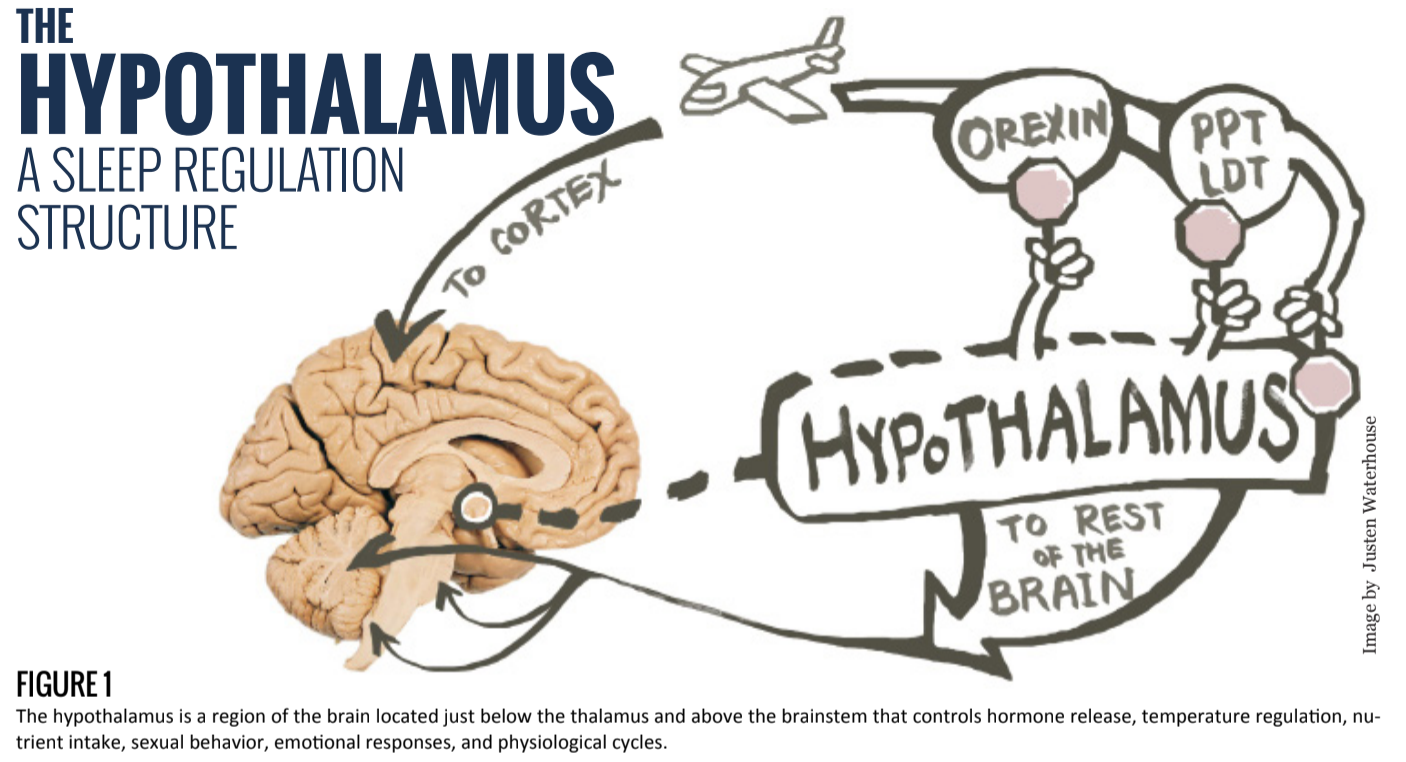
The intricate coordination of sleep and wakefulness relies on the dynamic interplay between these brain structures. It’s not a simple on-off switch but a complex feedback loop governed by reciprocal inhibition and excitation.
Mutual Inhibition: The Flip-Flop Switch Model
A prominent model for understanding sleep-wake regulation is the “flip-flop switch” model. This model posits that arousal-promoting systems and sleep-promoting systems are mutually inhibitory. For example, the arousal-promoting neurons in the brainstem and hypothalamus, which use neurotransmitters like hypocretin and histamine, inhibit the sleep-promoting VLPO. Conversely, the VLPO inhibits these arousal systems.
This reciprocal inhibition creates a bistable system, meaning it tends to reside in one of two states: either fully awake or fully asleep. When arousal systems are dominant, they keep the VLPO suppressed, and wakefulness is maintained. When the VLPO becomes sufficiently active, it inhibits the arousal systems, allowing sleep to take over. This “flip-flop” mechanism ensures that we transition relatively quickly between states of sleep and wakefulness, preventing prolonged periods of grogginess or intermediate states.
The SCN plays a crucial role in tipping the scales of this flip-flop switch. Throughout the day, as the SCN signals for wakefulness, the arousal systems are activated. As the SCN signals for sleep later in the day, the inhibitory influence of the VLPO begins to overcome the arousal systems, leading to the flip from wakefulness to sleep.
The Role of Neurotransmitters: The Chemical Messengers of Sleep and Wakefulness
Neurotransmitters are the chemical messengers that carry signals between neurons, and they are fundamental to the regulation of the sleep-wake cycle. Different neurotransmitters are associated with different states.
-
Wake-Promoting Neurotransmitters:
- Acetylcholine: Plays a role in REM sleep and also contributes to cortical activation during wakefulness.
- Dopamine: Associated with motivation, reward, and alertness.
- Histamine: Primarily produced in the TMN of the hypothalamus, it strongly promotes wakefulness.
- Norepinephrine: Released from the locus coeruleus in the brainstem, it increases alertness and attention.
- Orexin/Hypocretin: Produced in the lateral hypothalamus, it stabilizes wakefulness and prevents inappropriate transitions to sleep.
- Serotonin: While complex, serotonin generally promotes wakefulness and also plays a role in modulating REM sleep.
-
Sleep-Promoting Neurotransmitters:
- GABA (Gamma-aminobutyric acid): The primary inhibitory neurotransmitter in the brain. The VLPO uses GABA to inhibit arousal centers, thereby promoting sleep. Adenosine, a byproduct of cellular energy consumption, also acts to promote sleep by indirectly increasing GABAergic activity in sleep-promoting areas.
The balance and interaction of these neurotransmitters are critical. For instance, medications that target these systems are widely used to treat sleep disorders. Stimulants work by increasing the activity of wake-promoting neurotransmitters, while sedatives and hypnotics often enhance the effects of GABA.
Beyond the Core: Factors Influencing the Sleep-Wake Cycle
While the core neural structures are responsible for the fundamental control of the sleep-wake cycle, numerous other factors can influence and modulate this process, essentially acting as external inputs or internal influences on the brain’s master regulators.
Light Exposure: The External Zeitgeber
As mentioned, light is the most potent external cue, or “zeitgeber” (from the German word for “time giver”), that synchronizes our internal circadian clock. Exposure to light, especially natural sunlight, signals to the SCN that it is daytime, promoting wakefulness and suppressing melatonin production. Conversely, darkness signals to the SCN that it is nighttime, allowing for the release of melatonin, a hormone that promotes sleepiness.
The timing and intensity of light exposure are crucial. Exposure to bright light in the morning helps to set our internal clock for the day, while exposure to light in the evening, particularly blue light emitted from electronic devices, can disrupt melatonin production and delay sleep onset. This is a significant factor contributing to modern sleep problems, as our increasingly indoor lifestyles and screen-heavy habits can desynchronize us from natural light cues.
Sleep Homeostasis: The Growing Need for Sleep
In addition to the circadian drive for wakefulness, there is a process known as sleep homeostasis, which is essentially the body’s accumulating need for sleep. The longer we are awake, the greater the homeostatic pressure to sleep builds up. This pressure is thought to be mediated, in part, by the accumulation of adenosine in the brain, a byproduct of cellular energy metabolism. Adenosine has inhibitory effects on wake-promoting neurons and promotes sleep-promoting neurons. As adenosine levels rise during prolonged wakefulness, they contribute to feelings of sleepiness and promote the transition to sleep. Once we sleep, adenosine levels are cleared, reducing the homeostatic pressure.

Other Influences: Hormones, Age, and Lifestyle
A myriad of other factors can influence the sleep-wake cycle. Hormones play a significant role; for example, cortisol levels naturally rise in the morning to promote wakefulness and decline throughout the day. Melatonin, as discussed, is crucial for sleep onset.
Age is another significant factor. Infants and children have different sleep-wake patterns than adults, and sleep architecture changes throughout the lifespan, with older adults often experiencing more fragmented sleep. Lifestyle choices, including diet, exercise, stress levels, and the use of stimulants or depressants, can also profoundly impact our ability to fall asleep, stay asleep, and maintain healthy wakefulness.
Understanding the intricate network of brain structures and the factors that influence them provides a powerful framework for appreciating the complexity of our sleep-wake cycle. This knowledge is not merely academic; it has direct implications for how we can optimize our sleep, enhance our cognitive performance, and improve our overall health and well-being in a technologically advanced world that often demands round-the-clock engagement. By respecting our biological “operating system” and aligning our lifestyles with its natural rhythms, we can harness the full potential of our own internal clockwork.
aViewFromTheCave is a participant in the Amazon Services LLC Associates Program, an affiliate advertising program designed to provide a means for sites to earn advertising fees by advertising and linking to Amazon.com. Amazon, the Amazon logo, AmazonSupply, and the AmazonSupply logo are trademarks of Amazon.com, Inc. or its affiliates. As an Amazon Associate we earn affiliate commissions from qualifying purchases.