
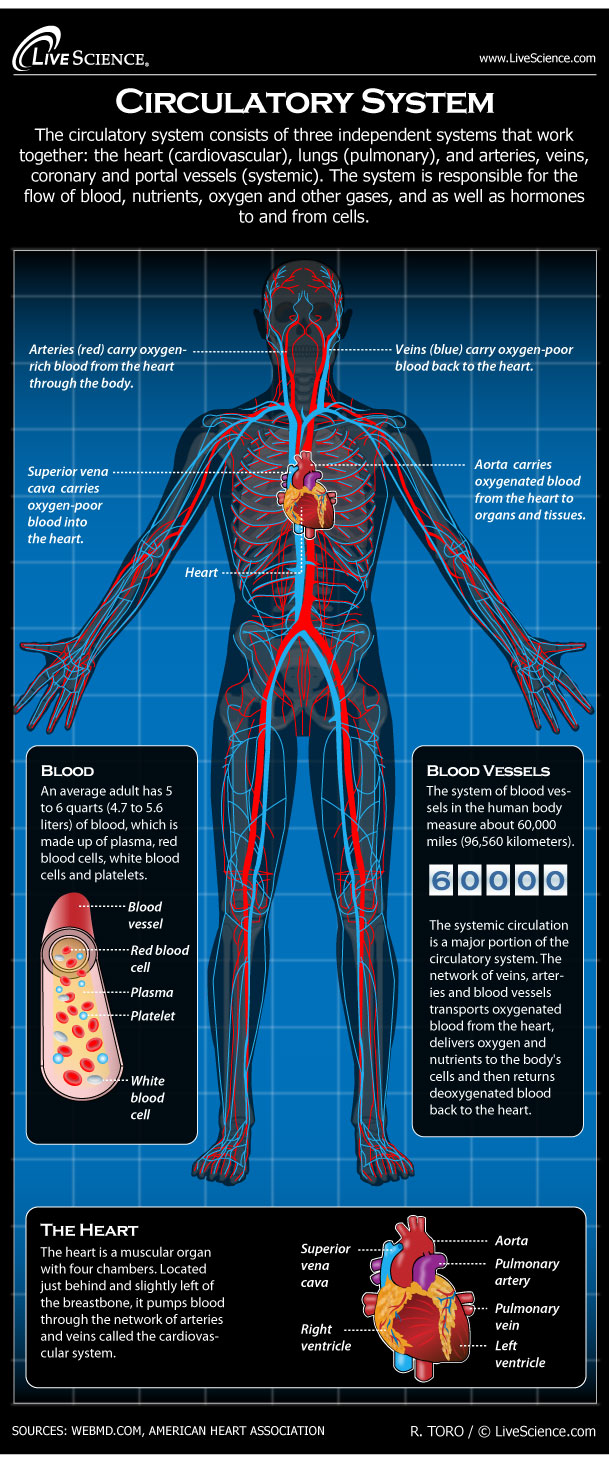
The question “What organ is the circulatory system?” is a deceptively simple one, often posed by those first encountering the intricate machinery of the human body. While a single, monolithic organ doesn’t encompass the entire circulatory system, understanding its true nature requires a deeper dive into the complex interplay of specialized components. The circulatory system is not a singular entity but rather a sophisticated network, a biological marvel of interconnected structures that collectively fulfill the vital functions of transporting oxygen, nutrients, hormones, and waste products throughout the body. To truly grasp what the circulatory system is, we must first recognize its constituent parts and their coordinated roles. This exploration will reveal that the circulatory system is a distributed yet unified organelle, with the heart as its indispensable central pump, supported by a vast vascular infrastructure and a crucial fluid medium.

The Heart: The Unwavering Engine
At the core of the circulatory system lies the heart, a muscular organ that functions as the primary pump, driving the relentless flow of blood. Its rhythmic contractions propel blood through the body’s intricate network of vessels, ensuring that every cell receives the essential elements for survival and function. The heart’s remarkable endurance and precision are testament to its specialized structure and the intricate electrical and mechanical processes that govern its operation.
Anatomy and Physiology of the Cardiac Muscle
The heart, a four-chambered organ, is composed of specialized cardiac muscle tissue called myocardium. This tissue is uniquely designed for continuous, involuntary contraction. The four chambers – two atria (upper chambers) and two ventricles (lower chambers) – work in a coordinated sequence. The atria receive deoxygenated blood from the body and oxygenated blood from the lungs, respectively, and then pump it into the ventricles. The ventricles, in turn, are responsible for ejecting blood to the lungs and the rest of the body. The valves of the heart, including the mitral, tricuspid, aortic, and pulmonary valves, act as one-way gates, ensuring that blood flows in the correct direction and preventing backflow.
The Electrical Conduction System: The Heart’s Pacemaker
The heart’s remarkable ability to beat autonomously is orchestrated by a sophisticated electrical conduction system. This system comprises specialized cells that generate and transmit electrical impulses, dictating the timing and force of each heartbeat. The sinoatrial (SA) node, often referred to as the heart’s natural pacemaker, initiates the electrical signal. This signal then travels through the atria, causing them to contract, and reaches the atrioventricular (AV) node. The AV node briefly delays the impulse before transmitting it to the ventricles via the bundle of His and Purkinje fibers, ensuring that the atria have emptied their contents before the ventricles contract. This precise electrical choreography is crucial for maintaining an efficient cardiac output and sustaining life.
The Vascular Network: The Body’s Internal Highways
While the heart is the driving force, it is the intricate network of blood vessels that forms the “roadways” through which blood travels. This vascular system is a marvel of biological engineering, comprising arteries, veins, and capillaries, each with distinct structures and functions designed for optimal transport and exchange.
Arteries and Arterioles: Delivering Oxygenated Blood

Arteries are robust, elastic vessels responsible for carrying oxygenated blood away from the heart to the rest of the body. Their thick, muscular walls enable them to withstand the high pressure generated by the heart’s contractions. As arteries branch into smaller vessels, they become arterioles. These smaller arteries play a crucial role in regulating blood flow to specific tissues and organs by constricting or dilating in response to the body’s demands. This fine-tuning of blood distribution ensures that vital organs receive adequate oxygen and nutrients, especially during periods of increased activity.
Veins and Venules: Returning Blood to the Heart
Veins are the vessels that carry deoxygenated blood back to the heart from the body’s tissues. Compared to arteries, veins have thinner, less muscular walls, as the blood pressure within them is significantly lower. Many veins, particularly in the limbs, are equipped with valves that prevent the backward flow of blood, aiding its return to the heart against gravity. Venules are the smallest veins, collecting blood from the capillaries before merging into larger veins. The efficient return of blood is vital for maintaining blood volume and ensuring the continuous oxygenation of blood in the lungs.
Capillaries: The Sites of Exchange
The true magic of the circulatory system unfolds within the capillaries, the smallest and most numerous blood vessels. These microscopic tubes have extremely thin walls, often just a single cell thick, creating an ideal environment for the exchange of gases, nutrients, and waste products between the blood and the body’s tissues. Oxygen and nutrients pass from the blood into the cells, while carbon dioxide and metabolic waste products move from the cells into the blood. This continuous diffusion process is fundamental to cellular respiration and the maintenance of homeostasis throughout the organism.
Blood: The Vital Fluid Medium
No discussion of the circulatory system is complete without acknowledging its lifeblood – the blood itself. Blood is not merely a passive fluid but a complex tissue composed of various cells suspended in a liquid matrix called plasma. It is the primary transport vehicle, carrying everything from oxygen and nutrients to hormones and immune cells.
Plasma: The Liquid Matrix
Plasma, which constitutes about 55% of blood volume, is primarily composed of water, but it also contains dissolved proteins, glucose, mineral ions, hormones, carbon dioxide, and platelets. These dissolved components play critical roles in various bodily functions, including maintaining osmotic pressure, transporting substances, and initiating the clotting process. The composition of plasma is tightly regulated, reflecting the overall physiological state of the body.
Blood Cells: The Functional Components
The cellular components of blood are essential for its diverse functions. Red blood cells (erythrocytes) are responsible for carrying oxygen from the lungs to the tissues and carbon dioxide from the tissues to the lungs, thanks to the presence of hemoglobin. White blood cells (leukocytes) are the body’s primary defense against infection and disease, comprising a variety of types that target pathogens and foreign substances. Platelets (thrombocytes) are small cell fragments crucial for blood clotting, preventing excessive bleeding after injury.
In conclusion, the circulatory system is not a single organ but a complex, integrated system with the heart as its central engine and the vascular network as its extensive plumbing. Blood, the vital fluid, acts as the transport medium, enabling the continuous delivery of essential substances and the removal of waste products. Understanding the intricate workings of these interconnected components allows us to appreciate the profound biological engineering that sustains life.
aViewFromTheCave is a participant in the Amazon Services LLC Associates Program, an affiliate advertising program designed to provide a means for sites to earn advertising fees by advertising and linking to Amazon.com. Amazon, the Amazon logo, AmazonSupply, and the AmazonSupply logo are trademarks of Amazon.com, Inc. or its affiliates. As an Amazon Associate we earn affiliate commissions from qualifying purchases.