
The question of which organ alcohol affects the most is a critical one, underpinning a vast array of health concerns and underscoring the pervasive impact of alcohol consumption on the human body. While it’s tempting to pinpoint a single organ as the sole or primary target, the reality is far more complex. Alcohol is a systemic toxin, meaning it circulates throughout the bloodstream and interacts with virtually every organ system. However, research and clinical observations consistently point to a few key players that bear the brunt of alcohol’s damaging effects, with the liver frequently emerging as the organ most profoundly and visibly impacted.
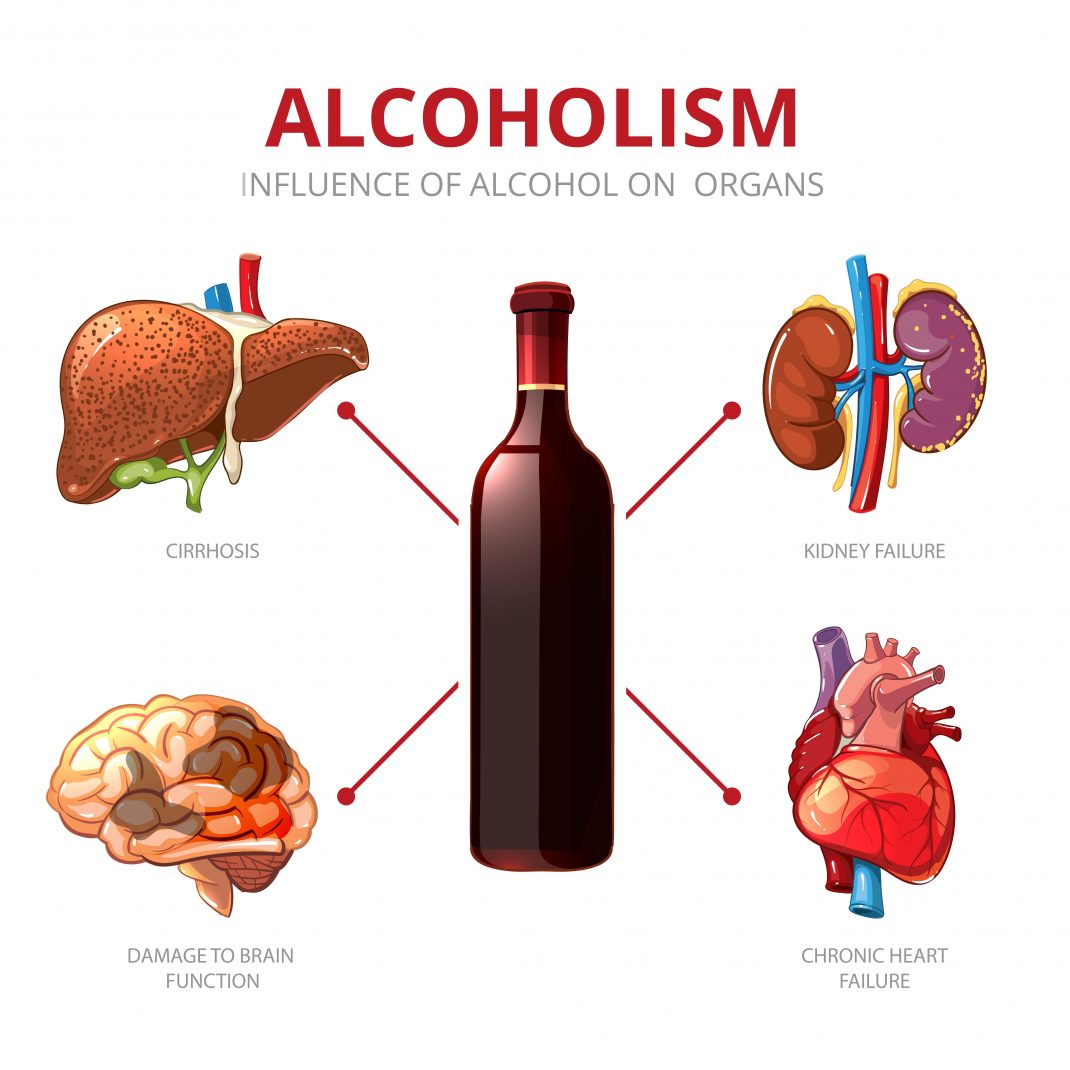
The Liver: The Primary Metabolizer and Victim
The liver’s central role in processing alcohol makes it exceptionally vulnerable to its toxic effects. When alcohol enters the body, the liver is the primary site of its metabolism. This intricate process, while essential for detoxification, places an immense burden on liver cells. Over time, this constant workload can lead to a cascade of damage, manifesting in several distinct and progressively severe conditions.
Alcoholic Fatty Liver Disease (Steatosis)
The earliest and often reversible stage of alcohol-induced liver disease is alcoholic fatty liver disease, also known as steatosis. This condition occurs when fat accumulates in the liver cells because alcohol metabolism interferes with the liver’s ability to break down fats. For individuals who consume alcohol heavily and consistently, their liver can become engorged with fat. While this stage may not present with significant symptoms, it is a crucial warning sign. If alcohol consumption ceases, the fat buildup can often be reversed, allowing the liver to return to a healthier state. However, continued drinking will only exacerbate the problem, paving the way for more serious complications.
Alcoholic Hepatitis
If drinking persists, alcoholic fatty liver disease can progress to alcoholic hepatitis. This is a more serious inflammatory condition characterized by liver cell damage and inflammation. Unlike steatosis, alcoholic hepatitis can present with noticeable symptoms such as jaundice (yellowing of the skin and eyes), abdominal pain and tenderness, nausea, vomiting, loss of appetite, and fever. In severe cases, alcoholic hepatitis can be life-threatening, leading to acute liver failure and requiring immediate medical intervention. The inflammation damages liver cells, impairing their ability to function and further hindering the liver’s detoxification processes.
Alcoholic Cirrhosis
The most advanced and irreversible stage of alcohol-induced liver damage is alcoholic cirrhosis. This condition involves extensive scarring (fibrosis) of the liver tissue, which replaces healthy liver cells. As scar tissue builds up, it disrupts the normal structure of the liver and impairs its blood flow and its ability to perform vital functions. Cirrhosis can lead to a host of severe complications, including portal hypertension (increased pressure in the veins that carry blood from the digestive organs to the liver), ascites (fluid accumulation in the abdomen), hepatic encephalopathy (brain dysfunction due to the buildup of toxins in the blood), and an increased risk of developing liver cancer. At this stage, liver function is severely compromised, and a liver transplant may be the only option for survival.
The Brain: A Complex Network Under Siege
While the liver bears the brunt of alcohol metabolism, the brain is arguably the organ that experiences the most immediate and wide-ranging functional impairment. Alcohol is a central nervous system depressant, and its effects on the brain are profound, impacting cognition, mood, behavior, and motor skills.
Neurotransmitter Disruption
Alcohol directly affects the delicate balance of neurotransmitters in the brain. It enhances the activity of gamma-aminobutyric acid (GABA), an inhibitory neurotransmitter, which leads to feelings of relaxation and reduced anxiety but also impairs coordination and judgment. Simultaneously, it inhibits the action of glutamate, an excitatory neurotransmitter, further contributing to slowed cognitive processes. This disruption of the brain’s chemical messengers is responsible for many of the acute effects of alcohol, such as slurred speech, impaired memory, and difficulty concentrating.
Long-Term Neurological Damage
Chronic and heavy alcohol consumption can lead to significant long-term neurological damage. This can include a reduction in brain volume, particularly in the frontal lobes, which are responsible for executive functions like decision-making, problem-solving, and impulse control. Conditions such as Wernicke-Korsakoff syndrome, a severe neurological disorder characterized by confusion, memory loss, and coordination problems, are often linked to chronic alcohol abuse, typically due to thiamine (vitamin B1) deficiency, which is common in alcoholics. Alcohol-induced dementia is also a recognized consequence of prolonged heavy drinking, leading to progressive cognitive decline.
Mental Health Impacts
The relationship between alcohol and mental health is a complex and often vicious cycle. While some may use alcohol to self-medicate symptoms of depression or anxiety, chronic alcohol use can actually exacerbate these conditions and even lead to the development of new mental health disorders. Alcohol abuse is strongly correlated with increased rates of depression, anxiety disorders, and an elevated risk of suicide. Withdrawal from alcohol can also trigger severe psychological symptoms, including tremors, hallucinations, and paranoia.
The Cardiovascular System: A Silent Threat
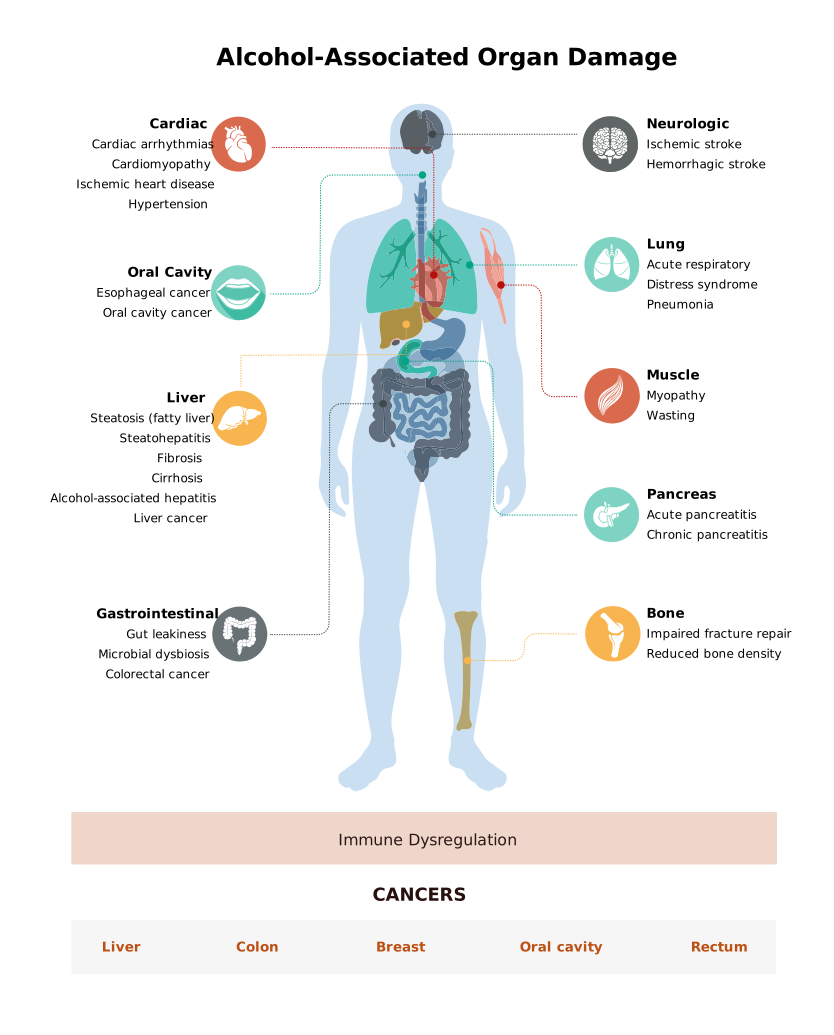
The heart and blood vessels are also significantly impacted by alcohol consumption, with effects ranging from mild alterations to severe, life-threatening conditions. The extent of the damage often depends on the pattern and amount of alcohol consumed.
Hypertension (High Blood Pressure)
Regular, heavy alcohol intake is a well-established risk factor for hypertension. Alcohol can cause blood vessels to constrict, leading to an increase in blood pressure. Over time, this chronic elevation of blood pressure places a strain on the heart and can damage blood vessels throughout the body, increasing the risk of heart attack, stroke, and kidney disease. Even moderate amounts of alcohol, consumed regularly, have been linked to increased blood pressure.
Cardiomyopathy
Alcoholic cardiomyopathy is a condition where chronic heavy drinking weakens and thins the heart muscle, leading to an enlarged heart and impaired pumping function. This can result in heart failure, a chronic condition where the heart cannot pump blood effectively to meet the body’s needs. Symptoms can include shortness of breath, fatigue, swelling in the legs and feet, and irregular heartbeat.
Arrhythmias
Alcohol can disrupt the heart’s electrical system, leading to irregular heartbeats, known as arrhythmias. One common example is “holiday heart syndrome,” where individuals who binge drink, particularly during holidays or celebratory periods, can experience atrial fibrillation, a rapid and irregular heartbeat. While this can sometimes resolve on its own after the alcohol is out of the system, repeated episodes can increase the risk of stroke and other cardiovascular complications.
Other Affected Organs
While the liver, brain, and cardiovascular system are primary targets, alcohol’s detrimental effects extend to numerous other organs, highlighting its systemic toxicity.
The Pancreas
Alcohol is a leading cause of pancreatitis, which is inflammation of the pancreas. This can occur acutely, causing severe abdominal pain, nausea, and vomiting, or chronically, leading to persistent pain, digestive problems, and diabetes. The pancreas plays a vital role in producing digestive enzymes and hormones like insulin, and its impairment can have widespread health consequences.
The Digestive System
Alcohol irritates the lining of the digestive tract, from the esophagus to the intestines. This can lead to gastritis (inflammation of the stomach lining), ulcers, and increased risk of bleeding. In the intestines, alcohol can interfere with nutrient absorption, leading to deficiencies in essential vitamins and minerals. Chronic alcohol abuse is also linked to an increased risk of certain gastrointestinal cancers, including esophageal, stomach, and colorectal cancers.
The Kidneys
While the kidneys’ primary role is to filter waste from the blood, alcohol can interfere with their function. Alcohol is a diuretic, meaning it increases urine production, which can lead to dehydration and electrolyte imbalances. Chronic alcohol abuse can also contribute to high blood pressure, a major risk factor for kidney disease. In severe cases, alcohol poisoning can overwhelm the kidneys’ ability to function, leading to acute kidney failure.
The Immune System
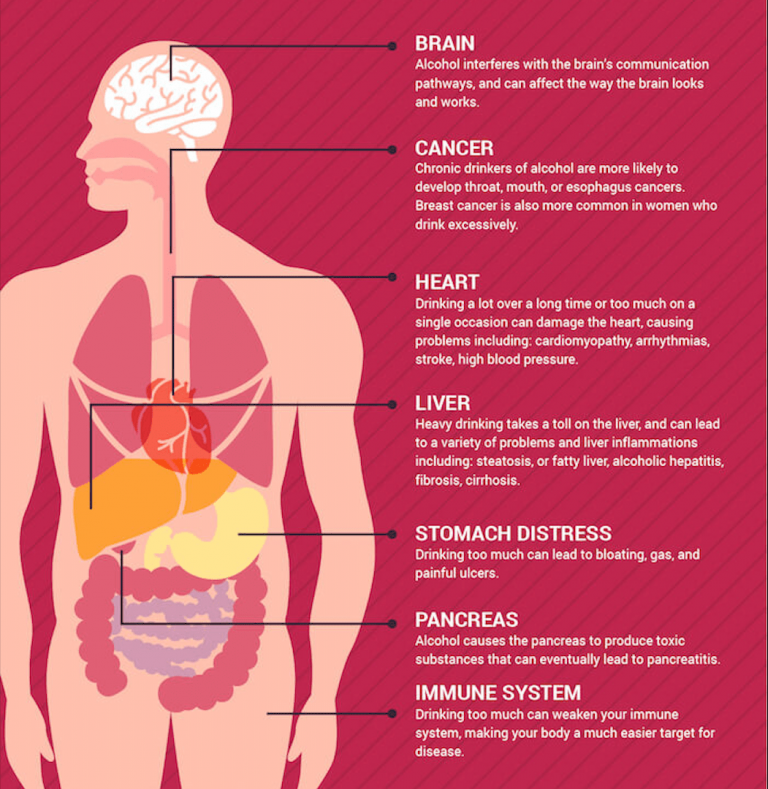
Alcohol consumption weakens the immune system, making individuals more susceptible to infections. It can impair the function of white blood cells, which are crucial for fighting off pathogens. This increased vulnerability can lead to a higher incidence of pneumonia, tuberculosis, and other infectious diseases, particularly in individuals who are already immunocompromised.
In conclusion, while the liver is often cited as the organ most severely affected by alcohol due to its metabolic burden, the reality is that alcohol is a potent neurotoxin and cardiovascular disruptor, with far-reaching consequences for nearly every organ system. Understanding the multifaceted impact of alcohol is crucial for promoting informed health decisions and mitigating the devastating effects of alcohol-related diseases.
aViewFromTheCave is a participant in the Amazon Services LLC Associates Program, an affiliate advertising program designed to provide a means for sites to earn advertising fees by advertising and linking to Amazon.com. Amazon, the Amazon logo, AmazonSupply, and the AmazonSupply logo are trademarks of Amazon.com, Inc. or its affiliates. As an Amazon Associate we earn affiliate commissions from qualifying purchases.