
The morning after a night of indulgence can often feel like a personal reckoning, with symptoms ranging from a pounding headache and nausea to profound fatigue and cognitive fog. While traditional remedies have long been debated, the rapid advancements in technology are now offering new avenues for understanding, mitigating, and potentially even preventing the unpleasant aftermath of excessive alcohol consumption. This exploration delves into the burgeoning intersection of technology and hangover relief, examining how digital tools, smart devices, and AI are beginning to offer innovative solutions for those seeking to reclaim their mornings.
The Science Behind the Suffering: Leveraging Data for Understanding
Understanding the physiological processes that lead to a hangover is the first step towards technological intervention. Alcohol’s impact on the body is multifaceted, affecting hydration levels, neurotransmitters, sleep architecture, and the production of acetaldehyde, a toxic byproduct of ethanol metabolism. Modern technology allows for a far more granular and personalized approach to understanding these effects.
Wearable Sensors and Physiological Monitoring
The proliferation of wearable technology, such as smartwatches and fitness trackers, has opened a new frontier in personal health monitoring. These devices, equipped with a sophisticated array of sensors, can track crucial physiological parameters that are directly impacted by alcohol consumption and its subsequent hangover.
- Sleep Tracking and Analysis: Alcohol significantly disrupts sleep quality, leading to fragmented sleep and reduced REM cycles. Advanced sleep tracking algorithms in wearables can now provide detailed insights into sleep stages, duration, and disturbances. By analyzing pre- and post-alcohol sleep patterns, individuals can gain a data-driven understanding of how alcohol affects their restorative sleep. This data can inform decisions about future consumption or highlight the need for sleep optimization strategies. Some platforms even offer personalized sleep scores and recommendations based on this data.
- Hydration Monitoring: Dehydration is a significant contributor to hangover symptoms, particularly headaches and fatigue. While current wearables don’t directly measure hydration levels in real-time with perfect accuracy, they can track metrics like heart rate variability and activity levels, which are indirectly influenced by hydration status. Future iterations of wearable technology are expected to incorporate more direct hydration sensing capabilities, potentially through non-invasive methods. In the interim, users can correlate their wearable data with self-reported fluid intake to identify patterns.
- Heart Rate Variability (HRV) and Stress Levels: HRV, the variation in time between heartbeats, is a sensitive indicator of the autonomic nervous system’s balance and the body’s stress response. Alcohol consumption and the subsequent hangover can significantly impact HRV, often leading to a decrease. Wearable devices that track HRV can provide objective data on the physiological toll of alcohol. A consistently lower HRV on the day after drinking can serve as a clear signal of the body’s need for recovery, prompting users to prioritize rest and rehydration.
- Activity and Energy Levels: Smartwatches also monitor daily activity levels and can estimate energy expenditure. Observing a sharp decline in activity or perceived energy levels following alcohol consumption, as reflected in the device’s data, can underscore the systemic impact of a hangover. This objective feedback can motivate individuals to adjust their plans and prioritize recovery rather than pushing through the day.
Biomarker Analysis and Early Detection Tools
Beyond continuous monitoring, technology is also enabling more precise analysis of biomarkers associated with alcohol consumption and its effects. While widespread consumer-grade diagnostic tools for hangovers are still emerging, the underlying technology is rapidly advancing.
- Breathalyzers and Alcohol Concentration Tracking: While primarily used for legal and safety purposes, personal breathalyzers have become more sophisticated and accessible. Some apps can integrate with these devices to log blood alcohol content (BAC) levels throughout an evening, providing a clear correlation between peak BAC and the severity of subsequent hangover symptoms. This data can be invaluable for understanding personal tolerance and the impact of consumption rate.
- Salivary and Sweat-Based Biosensors: Research is ongoing into developing non-invasive biosensors that can detect alcohol metabolites or other stress-related compounds in saliva or sweat. If successfully commercialized, these could offer real-time or near real-time feedback on the body’s processing of alcohol and the onset of hangover-related physiological changes, potentially allowing for proactive intervention.
- AI-Powered Health Assessments: By integrating data from wearables, self-reported symptoms, and potentially even smart scales or sleep monitors, AI algorithms can begin to identify individual patterns and predict hangover severity. These systems could offer personalized recommendations for hydration, nutrient intake, or rest, moving beyond generic advice to tailored recovery strategies.
Digital Platforms and Personalized Recovery Strategies
The accessibility and user-friendliness of digital platforms, from mobile applications to online communities, are making advanced recovery strategies more attainable for the average consumer. These tools leverage data, algorithms, and behavioral science to offer structured approaches to managing hangover symptoms.
Smart Hydration and Nutrient Replenishment Apps
Proper hydration and electrolyte balance are critical for hangover recovery. Technology is simplifying the process of managing these needs.
- Personalized Hydration Trackers: Beyond basic water intake logs, advanced hydration apps can calculate personalized daily water needs based on factors like activity level, climate, and even physiological data from wearables. When integrated with alcohol consumption logging, these apps can provide specific reminders and targets for rehydration post-drinking, taking into account the diuretic effect of alcohol.
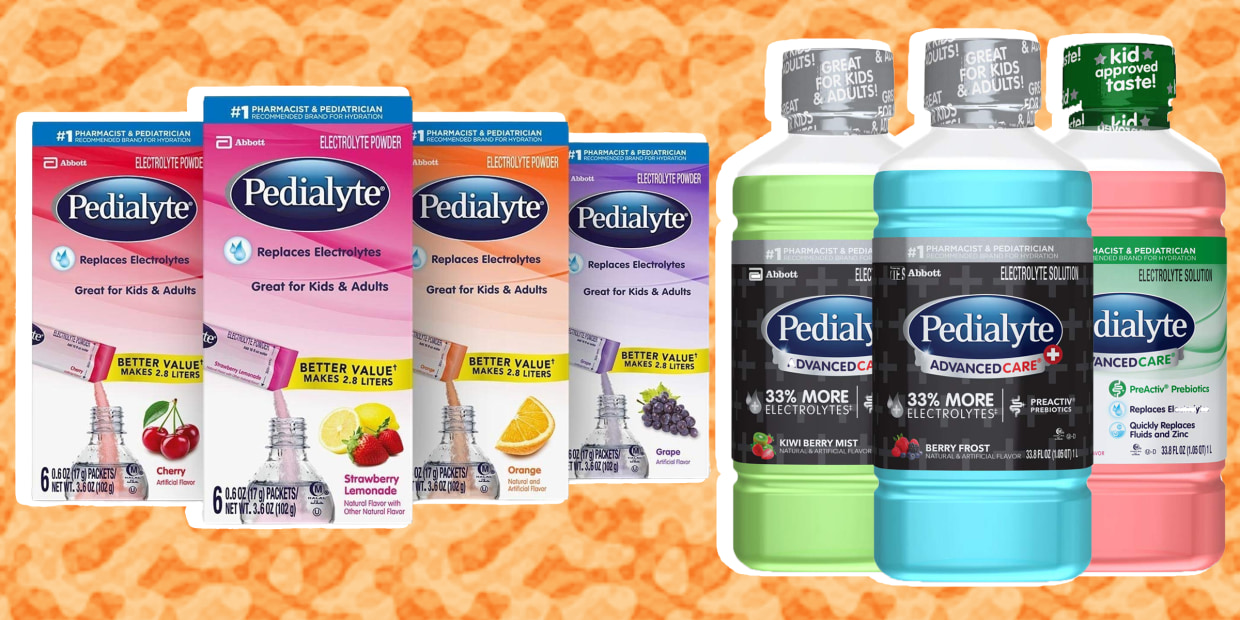
- Electrolyte and Nutrient Calculators: Hangover symptoms are often exacerbated by the depletion of essential electrolytes (like sodium, potassium, and magnesium) and vitamins (particularly B vitamins). Applications can help users track their intake and suggest foods or electrolyte-rich beverages to replenish these lost nutrients. Some apps are even beginning to integrate with smart refrigerators or grocery delivery services to streamline the procurement of these recovery-focused items.
- AI-Driven Meal and Supplement Recommendations: Future applications are likely to incorporate AI to analyze an individual’s specific hangover symptoms and recommend personalized nutritional interventions. This could involve suggesting specific meals rich in certain nutrients known to aid recovery or recommending particular supplements based on a user’s profile and reported symptoms.
Cognitive Support and Mental Wellness Tools
Beyond the physical discomfort, hangovers often bring mental fog, reduced concentration, and irritability. Technological solutions are emerging to address these cognitive and emotional aspects.
- Mindfulness and Meditation Apps: Hangovers can amplify feelings of anxiety and irritability. Mindfulness and meditation applications, such as Headspace or Calm, offer guided sessions specifically designed for stress reduction, focus improvement, and mood regulation. Using these tools in the morning can help to calm a racing mind and improve mental clarity.
- Cognitive Training Games and Apps: While not a direct cure, some brain-training apps and games can offer a gentle way to re-engage cognitive functions that may be sluggish due to a hangover. These activities can provide a sense of accomplishment and help to sharpen focus in a low-stakes environment.
- Digital Journaling and Mood Tracking: For individuals who experience significant mood fluctuations or irritability with hangovers, digital journaling apps can be a valuable tool. Regularly logging mood, energy levels, and perceived cognitive function can help identify triggers and track the effectiveness of recovery strategies over time. Some platforms use AI to analyze sentiment within journal entries, offering insights into emotional patterns.
Gadgets and Innovations on the Horizon
The rapid pace of technological innovation means that what seems like science fiction today could be a commonplace hangover relief tool tomorrow. Several exciting areas of development hold promise for the future.
Smart Patches and Wearable Delivery Systems
The concept of delivering relief directly to the body through wearable technology is gaining traction.
- Transdermal Patches for Nutrient Delivery: Imagine a patch you apply to your skin that slowly releases rehydrating electrolytes, vitamins, or even natural anti-inflammatory compounds throughout the day. Research into smart transdermal delivery systems is exploring the potential for precisely controlled release of beneficial substances. While not yet mainstream for hangover relief, this technology could offer a convenient and sustained approach to recovery.
- Smart Patches for Symptom Monitoring and Relief: Future iterations of wearable patches could combine passive symptom monitoring with active relief mechanisms. For instance, a patch might detect elevated stress hormones and simultaneously release a calming agent, or monitor hydration levels and signal the need for increased fluid intake.
AI-Powered Diagnostic and Predictive Health Platforms
The ultimate goal is to move from reactive recovery to proactive prevention and highly personalized, data-driven intervention.
- AI-Driven Hangover Predictors: By analyzing a vast array of data points – including past drinking habits, dietary intake, sleep patterns, genetic predispositions (if integrated with genomic data), and even weather – sophisticated AI algorithms could eventually predict an individual’s likelihood and severity of a hangover before it even begins. This would allow for preemptive measures to be taken.
- Personalized Hangover “Recovery Kits” Orchestrated by AI: Imagine an AI assistant that, based on your predicted hangover profile, could intelligently order specific recovery supplements, suggest a nutrient-rich meal from a local restaurant, or even schedule a short nap, all optimized for your unique physiology and the specific symptoms you are likely to experience.
- Advanced Biomarker Analysis Devices: While still in developmental stages, compact, non-invasive devices capable of analyzing a wider range of blood, sweat, or saliva biomarkers associated with alcohol metabolism and its systemic effects could become available. These could offer a more precise understanding of what your body needs for optimal recovery.
Conclusion: Embracing Technology for a Better Morning After
The days of blindly reaching for generic remedies might be numbered as technology continues to offer more sophisticated, personalized, and data-driven solutions for hangover management. From wearable sensors that provide objective insights into our body’s responses to alcohol, to intelligent applications that guide us through optimal hydration and nutrient replenishment, the tech landscape is rapidly evolving to address this common human experience.
While these technological advancements are not a license to overindulge, they do offer a promising toolkit for those who choose to partake. By leveraging the power of data and smart devices, individuals can gain a deeper understanding of their personal physiology, make more informed decisions about their alcohol consumption, and, most importantly, navigate the morning after with greater comfort and efficiency. As technology continues to mature, we can anticipate even more innovative solutions that aim to mitigate the suffering and help us reclaim our mornings, one smart recovery strategy at a time.
aViewFromTheCave is a participant in the Amazon Services LLC Associates Program, an affiliate advertising program designed to provide a means for sites to earn advertising fees by advertising and linking to Amazon.com. Amazon, the Amazon logo, AmazonSupply, and the AmazonSupply logo are trademarks of Amazon.com, Inc. or its affiliates. As an Amazon Associate we earn affiliate commissions from qualifying purchases.