
The landscape of Attention-Deficit/Hyperactivity Disorder (ADHD) treatment is continuously evolving, and technology is playing an increasingly significant role in how we understand, manage, and administer medications for this complex neurological condition. While the core pharmacological interventions remain central, the integration of tech tools offers novel approaches to diagnosis, personalized treatment, monitoring, and ultimately, improving patient outcomes. This article delves into the medications used for ADHD, framed within the context of technological advancements that are reshaping the therapeutic journey.
The Pharmacological Pillars of ADHD Management: Stimulants and Non-Stimulants
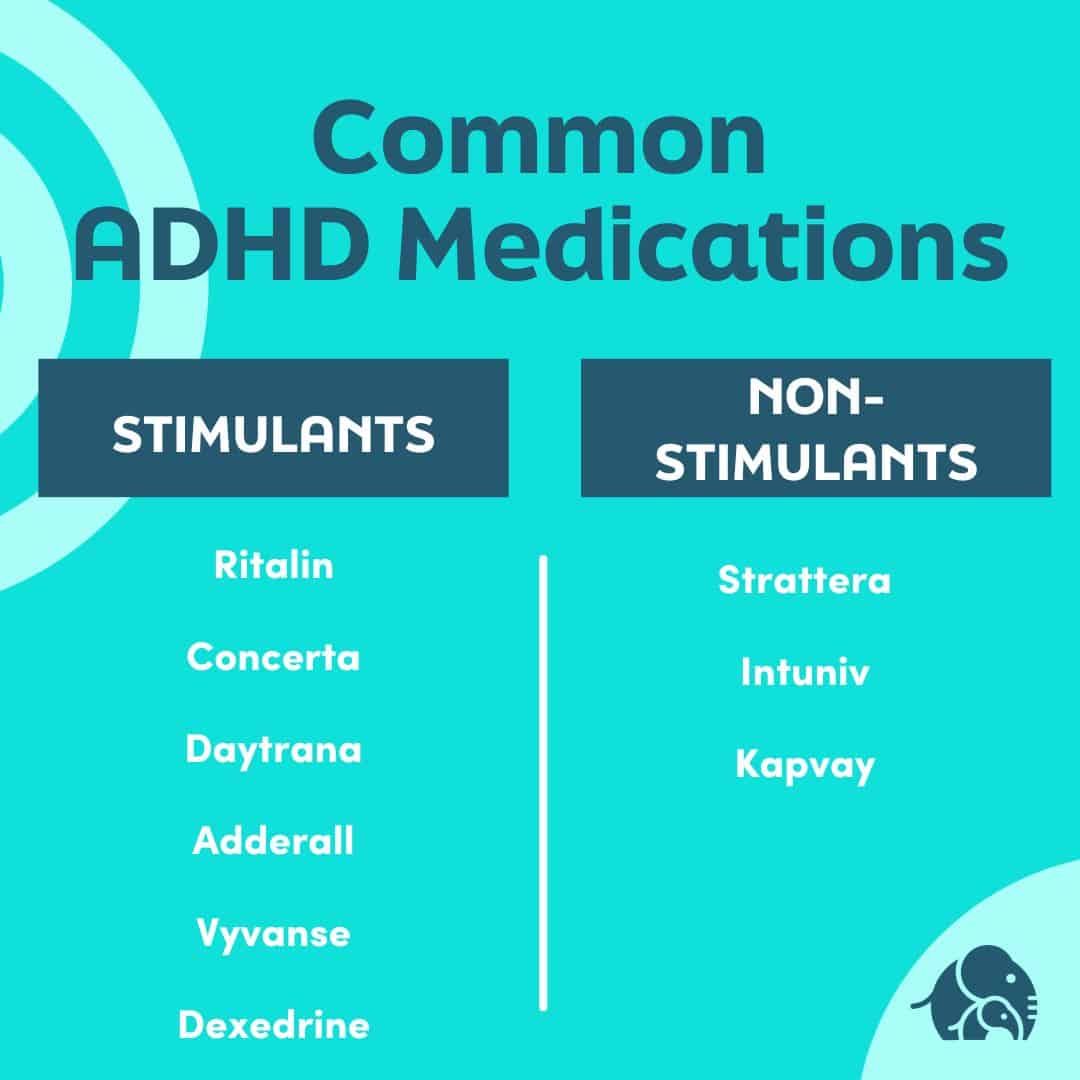
At the heart of ADHD medication lies a two-pronged approach: stimulant medications and non-stimulant medications. Both classes aim to target neurotransmitter imbalances in the brain, primarily dopamine and norepinephrine, which are believed to be central to ADHD’s core symptoms of inattention, hyperactivity, and impulsivity. Understanding these foundational treatments is crucial before exploring how technology enhances their application.

Stimulant Medications: The Workhorses of ADHD Treatment
Stimulant medications are generally considered the first-line treatment for ADHD due to their high efficacy rates. They work by increasing the availability of dopamine and norepinephrine in the brain, which can improve focus, attention, and impulse control.
Methylphenidate-Based Medications
Methylphenidate is a widely prescribed stimulant. Its mechanism involves blocking the reuptake of dopamine and norepinephrine, thereby increasing their levels in the synaptic cleft. This class includes a variety of formulations designed for different durations of action:
- Short-acting: These medications typically take effect within 30-60 minutes and last for 3-5 hours. They are often used for specific situations requiring focused attention, such as during school or work hours. Examples include Ritalin and Concerta (in its immediate-release form).
- Intermediate-acting: These formulations provide a longer duration of effect than short-acting options, usually lasting 6-8 hours.
- Long-acting: These advanced formulations are designed to release medication gradually over 10-12 hours, providing sustained symptom control throughout the day with a single dose. This often translates to improved adherence and a more stable mood. Examples include Concerta (extended-release), Metadate CD, and Daytrana (a transdermal patch).
Amphetamine-Based Medications
Amphetamines work similarly to methylphenidate by increasing dopamine and norepinephrine levels, but they achieve this through a slightly different mechanism. They not only block reuptake but also promote the release of these neurotransmitters. Amphetamines are also available in various formulations:
- Mixed Amphetamine Salts: This category includes medications that combine different types of amphetamine salts. Examples include Adderall and Adderall XR (extended-release).
- Lisdexamfetamine: This is a prodrug, meaning it is converted into its active form (dextroamphetamine) in the body. This design can lead to a smoother onset and longer duration of action, potentially reducing the risk of abuse and diversion. Vyvanse is the primary example.
- Dextroamphetamine: Pure dextroamphetamine is also available in various formulations, including immediate-release and extended-release options.
Non-Stimulant Medications: Alternatives and Augmentations
For individuals who do not respond well to stimulants, experience intolerable side effects, or have co-occurring conditions that make stimulants less suitable, non-stimulant medications offer valuable alternatives. These medications generally have a slower onset of action and may be used as standalone treatments or in conjunction with stimulants.
Atomoxetine
Atomoxetine is a selective norepinephrine reuptake inhibitor (SNRI). Unlike stimulants, it does not directly affect dopamine levels and does not have abuse potential. Its effects build up over several weeks, making it important for consistent daily use. It is particularly useful for individuals who also experience anxiety.
Alpha-2 Adrenergic Agonists
This class of medications, which includes guanfacine and clonidine, was originally developed to treat high blood pressure. However, they have proven effective in managing certain ADHD symptoms, particularly hyperactivity, impulsivity, and sleep disturbances. They work by affecting norepinephrine pathways in the prefrontal cortex, which is involved in executive functions. These are often used as adjunctive treatments alongside stimulants or as an alternative for specific symptom profiles.
Antidepressants (Off-Label Use)
In some cases, certain antidepressants, particularly bupropion (Wellbutrin), may be prescribed off-label for ADHD. Bupropion is a norepinephrine and dopamine reuptake inhibitor and can be beneficial for individuals with co-occurring depression or seasonal affective disorder. However, its use for ADHD is less common than the primary stimulant and non-stimulant options.
Leveraging Technology for Enhanced Medication Management and Efficacy
The integration of technology is revolutionizing how ADHD medications are prescribed, monitored, and how patients engage with their treatment. Digital tools offer personalized approaches, improve adherence, and provide valuable data for optimizing therapeutic strategies.
AI and Data Analytics in Diagnostics and Personalized Treatment
Artificial intelligence (AI) and sophisticated data analytics are beginning to transform the diagnostic process and pave the way for truly personalized medication regimens.
AI-Powered Diagnostic Tools
While not directly prescribing medication, AI is showing promise in improving the accuracy and efficiency of ADHD diagnosis. Algorithms can analyze vast datasets, including behavioral patterns observed through digital interactions, eye-tracking data, and even voice analysis, to identify potential indicators of ADHD. This can assist clinicians in making more informed diagnostic decisions, leading to earlier and more appropriate medication initiation.
Predictive Analytics for Medication Response
By analyzing a patient’s genetic profile, medical history, and lifestyle factors, predictive analytics, powered by AI, can help clinicians anticipate which medications are most likely to be effective and well-tolerated. This moves away from a trial-and-error approach and toward a more targeted and efficient treatment selection process. For example, certain genetic markers might indicate a higher likelihood of response or adverse effects to specific stimulant classes.
Personalized Dosing and Titration Platforms
Technology can facilitate dynamic adjustments to medication dosages. Digital platforms can collect real-time data on symptom severity, side effects, and daily functioning through patient-reported outcomes and wearable sensors. AI algorithms can then analyze this data to recommend precise adjustments to dosage or timing, ensuring that the medication levels are optimized for individual needs throughout the day. This is particularly valuable for long-acting formulations where fine-tuning can significantly impact efficacy and tolerability.
Digital Health Platforms and Telehealth for Medication Access and Support
The expansion of digital health platforms and telehealth services has dramatically improved access to care and support for individuals managing ADHD, including their medication regimens.
Telehealth Consultations for Prescription and Monitoring
Telehealth allows individuals to consult with psychiatrists and clinicians remotely, making it easier to obtain initial prescriptions, receive follow-up care, and discuss medication adjustments. This is especially beneficial for those in rural areas or with mobility challenges. Secure online portals can facilitate prescription refills and communication with healthcare providers.
Medication Adherence Apps and Smart Pillboxes
Adherence to medication is a critical factor in treatment success. Mobile applications and smart pillboxes are designed to help individuals remember to take their medication at the prescribed times. These tools can send reminders, track doses taken, and even alert caregivers if doses are missed. Some advanced apps integrate with wearable devices to correlate medication intake with symptom changes or activity levels, providing a holistic view of treatment engagement.
Digital Symptom Trackers and Journals
Beyond simple reminders, sophisticated digital symptom trackers allow patients to log their experiences in detail. This can include rating their focus, impulsivity, mood, and any side effects experienced. This granular data, when shared with clinicians, provides invaluable insights into the medication’s effectiveness and helps identify patterns that might not be apparent during brief in-person appointments. These digital journals can form the basis for more informed discussions about medication efficacy and potential modifications.
Wearable Technology and Biosensors for Objective Data Collection
Wearable devices and biosensors are emerging as powerful tools for collecting objective data that can inform ADHD medication management.
Activity Trackers and Sleep Monitoring
Wearable devices can continuously monitor physical activity levels and sleep patterns. For individuals with ADHD, hyperactivity can manifest as restlessness, and sleep disturbances are common. By tracking these metrics, clinicians can gain objective insights into the impact of medication on these symptoms. For example, a reduction in fidgeting or an improvement in sleep quality could indicate successful treatment.
Physiological Signal Monitoring
Emerging technologies are exploring the monitoring of physiological signals like heart rate variability, electrodermal activity, and even EEG patterns through non-invasive means. While still in the research and development phase for widespread clinical application, these sensors have the potential to provide real-time objective data on the brain’s response to medication, offering a deeper understanding of its physiological effects and allowing for even more precise treatment adjustments.
Gamified Neurofeedback and Cognitive Training Apps
While not directly medication, gamified apps that incorporate neurofeedback or cognitive training principles can complement medication by targeting specific cognitive skills. Some of these platforms can integrate with or provide data to inform medication adjustments. For instance, improvements in executive function tasks within a gamified environment might indicate that the current medication regimen is supporting optimal brain function.
The Future of ADHD Medication: A Tech-Augmented Horizon
The journey of ADHD medication management is increasingly intertwined with technological innovation. As we move forward, the synergy between pharmacological interventions and cutting-edge tech promises more personalized, effective, and accessible treatments.
Precision Medicine and Pharmacogenomics
The application of pharmacogenomics, the study of how genes affect a person’s response to drugs, is a significant area of growth. By analyzing an individual’s genetic makeup, clinicians can predict how they will metabolize and respond to specific ADHD medications, minimizing trial-and-error and reducing the risk of adverse effects. AI algorithms are crucial for interpreting the complex genomic data and translating it into actionable clinical recommendations.
Advanced Wearables and Real-Time Data Integration
The next generation of wearable technology will likely offer more sophisticated monitoring capabilities, potentially capturing subtle physiological changes that correlate with medication efficacy or side effects. Seamless integration of this data into electronic health records and personalized treatment platforms will empower clinicians with a continuous, comprehensive view of the patient’s response, enabling proactive adjustments to medication.
Virtual and Augmented Reality for Therapeutic Interventions
While still nascent, virtual and augmented reality (VR/AR) hold potential for innovative ADHD therapies. VR environments could be used to simulate real-world scenarios where attention and impulse control are challenged, allowing for in-vivo assessment of medication effectiveness in practical contexts. AR could overlay helpful cues or organizational prompts in a user’s environment, further supporting the benefits of medication.

Ethical Considerations and Data Security
As technology plays a larger role, ethical considerations regarding data privacy, algorithmic bias, and equitable access to these advanced tools become paramount. Ensuring that AI-driven insights are unbiased and that all individuals, regardless of socioeconomic status, can benefit from tech-augmented ADHD treatment is a crucial aspect of this evolving landscape. Robust data security protocols are essential to protect sensitive personal and health information.
In conclusion, the medications used for ADHD, primarily stimulants and non-stimulants, form the bedrock of treatment. However, the future of ADHD care is undeniably digital. By embracing AI, data analytics, digital health platforms, and advanced wearable technology, we are on the cusp of a new era of precision medicine that will optimize medication efficacy, improve patient adherence, and ultimately, enhance the quality of life for individuals living with ADHD. The ongoing integration of these technological advancements offers a powerful and promising path forward.
aViewFromTheCave is a participant in the Amazon Services LLC Associates Program, an affiliate advertising program designed to provide a means for sites to earn advertising fees by advertising and linking to Amazon.com. Amazon, the Amazon logo, AmazonSupply, and the AmazonSupply logo are trademarks of Amazon.com, Inc. or its affiliates. As an Amazon Associate we earn affiliate commissions from qualifying purchases.