
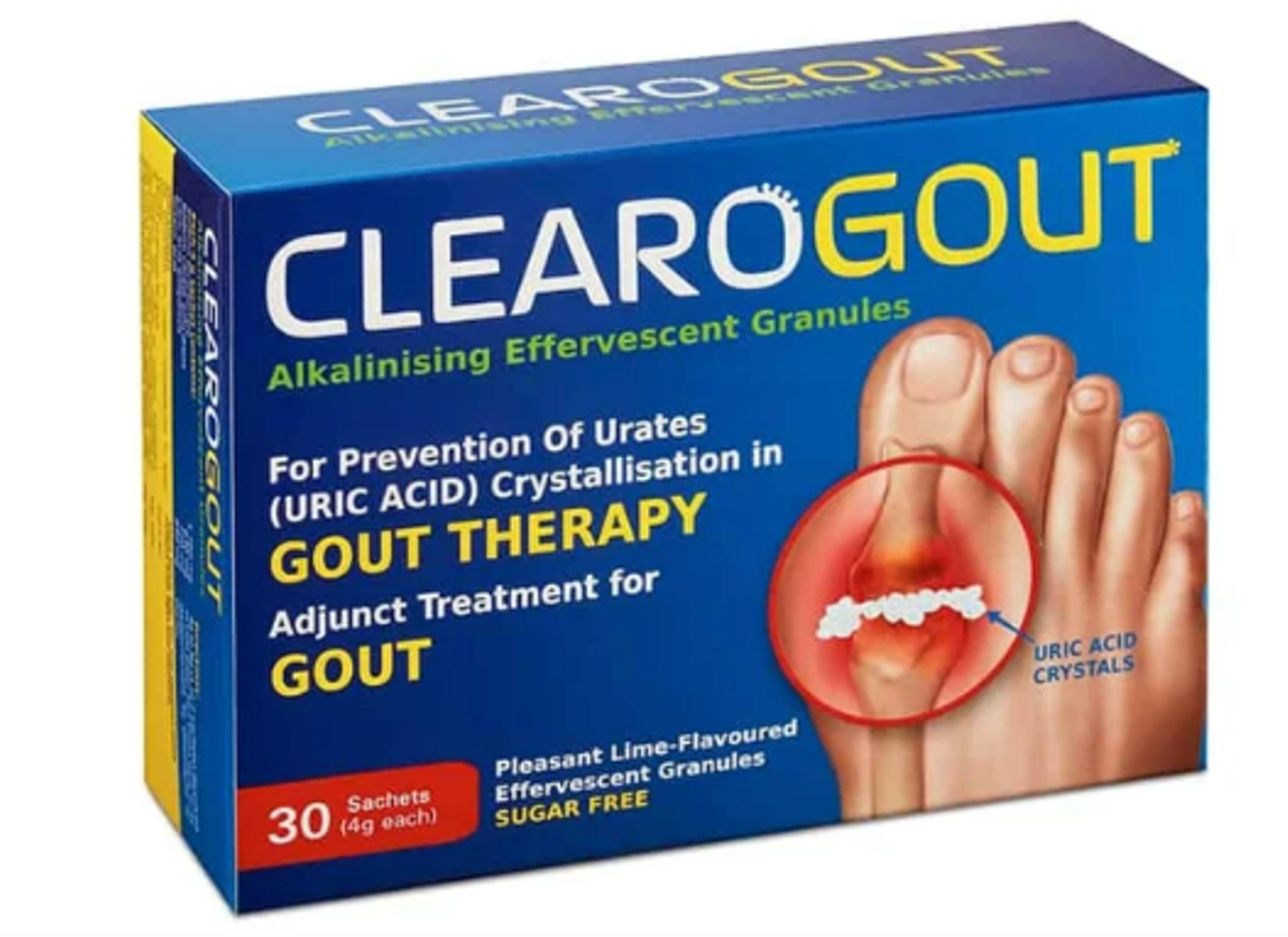
Gout, a painful inflammatory arthritis, is characterized by sudden and severe attacks of pain, swelling, redness, and tenderness in one or more joints, most often in the big toe. These attacks, known as flares, are caused by the buildup of uric acid crystals in the joints. Uric acid is a waste product produced by the body when it breaks down purines, compounds found naturally in the body and in certain foods. When the body produces too much uric acid or the kidneys don’t excrete enough, hyperuricemia results, leading to crystal formation and gout.
Managing gout effectively involves two primary strategies: treating acute attacks and preventing future flares by lowering uric acid levels. The selection of medication is tailored to these goals and individualized based on the patient’s health status, the frequency and severity of attacks, and the presence of other medical conditions. This article will explore the various medications available for gout, focusing on their mechanisms of action, appropriate usage, and the evolving landscape of gout management.
Understanding Gout and Its Treatment Goals
Before delving into specific medications, it’s crucial to understand the underlying pathology of gout and the overarching objectives of treatment. Gout is a metabolic disorder that can have significant impacts on an individual’s quality of life if not managed properly.
The Pathophysiology of Gout
Gout arises from a complex interplay of factors leading to hyperuricemia. This elevated level of uric acid in the blood can stem from either overproduction or underexcretion of uric acid.
Uric Acid Production and Excretion
Our bodies naturally produce uric acid as a byproduct of purine metabolism. Purines are essential components of DNA and RNA, and they are also found in various foods, including red meat, organ meats, certain seafood (like anchovies and sardines), and alcoholic beverages, particularly beer. While the body has mechanisms to regulate uric acid levels, these can become dysregulated.
Genetic predisposition plays a significant role, but lifestyle factors such as diet, obesity, alcohol consumption, and certain medications (like diuretics and aspirin) can exacerbate hyperuricemia. The kidneys are primarily responsible for filtering and excreting uric acid from the bloodstream. However, if the kidneys are impaired or if the body is producing an excessive amount of uric acid, it can accumulate in the blood.
Crystal Formation and Inflammation
When uric acid levels in the blood consistently exceed the saturation point, urate crystals (monosodium urate or MSU crystals) can form. These needle-like crystals deposit in the joints and surrounding tissues, triggering an intense inflammatory response. This immune system reaction is what causes the characteristic symptoms of a gout attack: sudden, severe pain, redness, warmth, swelling, and stiffness in the affected joint. The big toe is the most commonly affected site, but gout can also affect the ankles, knees, elbows, wrists, and fingers.
The Dual Pillars of Gout Management
Effective gout management hinges on addressing both the acute pain and inflammation of a gout flare and the underlying metabolic issue of hyperuricemia to prevent future attacks.
Treating Acute Gout Flares
The immediate goal during a gout attack is to alleviate the severe pain and reduce inflammation as quickly as possible. This allows the individual to regain mobility and comfort. Medications used for this purpose are typically anti-inflammatory and analgesic.
Lowering Uric Acid Levels (Chronic Management)
Once acute flares are under control, the long-term focus shifts to reducing the body’s uric acid levels to prevent further crystal formation and deposition. This is achieved through urate-lowering therapy (ULT), which aims to bring uric acid levels down to a target range, typically below 6 mg/dL, and sometimes even lower for individuals with tophi (visible deposits of urate crystals). Chronic management is essential to prevent joint damage, kidney stones, and other complications associated with gout.
Medications for Acute Gout Flares
When a gout attack strikes, prompt treatment is key to managing the excruciating pain and inflammation. Several classes of medications are highly effective in providing rapid relief. The choice of medication often depends on the individual’s overall health, other medical conditions they may have, and the severity of the attack.
Nonsteroidal Anti-Inflammatory Drugs (NSAIDs)
NSAIDs are often the first-line treatment for acute gout flares due to their potent anti-inflammatory and pain-relieving properties. They work by inhibiting the production of prostaglandins, which are chemicals in the body that contribute to inflammation and pain.
Common NSAIDs Used for Gout
- Indomethacin (Indocin): This is a potent NSAID that has been a traditional choice for gout flares. However, due to its potential side effects, it is not always the preferred option, especially for individuals with kidney problems or gastrointestinal issues.
- Naproxen (Naprosyn, Aleve): A widely available and often well-tolerated NSAID that can be effective in reducing gout symptoms. It is available both by prescription and over-the-counter in lower doses.
- Ibuprofen (Advil, Motrin): Another common NSAID that can be used for milder gout flares. Higher prescription doses are often needed for significant relief.
- Celecoxib (Celebrex): This is a COX-2 selective inhibitor, a type of NSAID that may have a lower risk of gastrointestinal side effects compared to traditional NSAIDs, though it still carries risks.
Precautions and Side Effects of NSAIDs
While effective, NSAIDs are not without risks. Common side effects include stomach upset, heartburn, nausea, and in more serious cases, gastrointestinal bleeding, ulcers, and kidney damage. They can also increase the risk of cardiovascular events like heart attack and stroke, particularly with long-term use or in individuals with pre-existing heart conditions. Therefore, NSAIDs should be used cautiously in patients with a history of ulcers, kidney disease, heart failure, or those taking blood thinners.
Colchicine (Colcrys)
Colchicine is a medication derived from the autumn crocus plant and has been used to treat gout for centuries. It works by interfering with the inflammatory process initiated by the urate crystals. It inhibits the migration of white blood cells to the site of inflammation and reduces the release of inflammatory mediators.
Dosing and Effectiveness
Colchicine is most effective when taken at the very onset of a gout attack, ideally within the first 12-24 hours. The dosage regimen has been refined over time to minimize side effects. Low-dose colchicine regimens are now more common and are generally as effective as higher doses with fewer adverse effects.
Potential Side Effects of Colchicine
Gastrointestinal side effects, such as nausea, vomiting, and diarrhea, are the most common adverse effects of colchicine. These symptoms are often dose-dependent. Bone marrow suppression, which can lead to reduced blood cell counts, is a rarer but more serious potential side effect, especially with long-term or high-dose use. Careful monitoring is necessary, particularly in individuals with kidney or liver impairment.
Corticosteroids
Corticosteroids are powerful anti-inflammatory medications that can be administered orally, by injection directly into the affected joint (intra-articular), or intravenously. They are particularly useful for individuals who cannot tolerate NSAIDs or colchicine, or for severe, refractory gout attacks.
Types and Administration of Corticosteroids
- Oral Corticosteroids: Prednisone is a commonly prescribed oral corticosteroid. It is typically given for a short duration (a few days to a week) to quickly reduce inflammation.
- Intra-articular Corticosteroids: If a single joint is severely affected, injecting a corticosteroid directly into that joint can provide rapid and localized relief with minimal systemic side effects. This is often done in a doctor’s office.
- Intravenous Corticosteroids: In severe, widespread attacks or when oral administration is not feasible, corticosteroids can be given intravenously.
Considerations for Corticosteroid Use
While highly effective for acute symptom relief, corticosteroids can have side effects, especially with prolonged or repeated use. These can include increased blood sugar levels (particularly concerning for diabetics), mood changes, fluid retention, and increased susceptibility to infections. Short-term use for gout flares generally carries a lower risk of significant long-term side effects.
Medications for Chronic Gout Management (Urate-Lowering Therapy – ULT)
While treating acute flares provides symptomatic relief, the cornerstone of long-term gout management is lowering uric acid levels to prevent future attacks and complications. Urate-lowering therapy (ULT) is crucial for individuals with frequent flares, joint damage, tophi, or kidney stones.
Xanthine Oxidase Inhibitors (XOIs)
XOIs are the most commonly prescribed class of medications for lowering uric acid levels. They work by reducing the body’s production of uric acid.
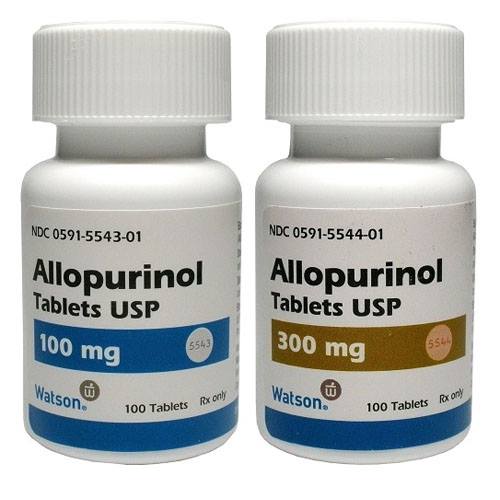
Allopurinol (Zyloprim)
Allopurinol is a well-established and widely used XOI. It inhibits xanthine oxidase, the enzyme responsible for the final two steps in uric acid production.
- Mechanism of Action: By blocking xanthine oxidase, allopurinol decreases the conversion of hypoxanthine and xanthine into uric acid, thereby lowering serum uric acid levels.
- Dosing and Titration: Treatment usually starts with a low dose and is gradually increased based on serum uric acid levels until the target is reached. It is important to initiate allopurinol at a low dose and titrate slowly, especially in patients with kidney impairment, to minimize the risk of adverse reactions.
- Potential Side Effects: While generally well-tolerated, allopurinol can cause skin rash, which can occasionally be severe (e.g., Stevens-Johnson syndrome or toxic epidermal necrolysis). Patients should be advised to discontinue the medication immediately and seek medical attention if a rash develops. Other side effects include gastrointestinal upset and, rarely, liver dysfunction. Regular monitoring of uric acid levels and kidney function is important.
Febuxostat (Uloric)
Febuxostat is another XOI that works by the same mechanism as allopurinol, inhibiting xanthine oxidase. It offers an alternative for patients who cannot tolerate allopurinol or for whom allopurinol is not sufficiently effective.
- Advantages and Disadvantages: Febuxostat may be associated with a higher risk of cardiovascular events compared to allopurinol, particularly in patients with pre-existing cardiovascular disease. Therefore, its use should be carefully considered in such individuals. It is often prescribed when allopurinol is contraindicated or ineffective.
- Monitoring: Similar to allopurinol, regular monitoring of uric acid levels is necessary to ensure therapeutic targets are met and to guide dosage adjustments.
Uricosuric Agents
Uricosuric agents work by increasing the excretion of uric acid by the kidneys, rather than reducing its production. They are typically used when XOIs are not effective, are not tolerated, or in combination with XOIs for difficult-to-manage cases.
Probenecid
Probenecid is a classic uricosuric agent. It works by inhibiting the reabsorption of uric acid in the renal tubules, leading to increased uric acid excretion in the urine.
- Indications and Contraindications: Probenecid is most effective in individuals who overexcrete uric acid rather than underexcrete it. It is generally not recommended for patients with a history of kidney stones, as increased uric acid excretion can worsen stone formation. Adequate hydration and alkalinization of the urine may be recommended when using probenecid.
- Drug Interactions: Probenecid can interact with other medications, affecting their elimination and effectiveness. It is important to inform your doctor about all medications you are taking.
Lesinurad (Zurampic)
Lesinurad is a newer uricosuric agent that is typically used in combination with a xanthine oxidase inhibitor (like allopurinol or febuxostat) for patients whose uric acid levels remain elevated despite maximal doses of XOI therapy.
- Combination Therapy: Its mechanism complements XOIs by further increasing uric acid excretion.
- Safety Profile: Lesinurad is associated with a risk of kidney problems, and its use requires regular monitoring of kidney function. It should not be used as monotherapy.
Pegloticase (Krystexxa)
Pegloticase is a recombinant uricase enzyme that breaks down uric acid into allantoin, a substance that is readily excreted by the kidneys. It is an intravenous medication used for severe, refractory chronic gout, particularly in patients with tophaceous gout who have not responded to other therapies.
- Mechanism and Administration: As a potent uricase, pegloticase can rapidly and significantly lower uric acid levels. It is administered intravenously, usually every two weeks.
- Indications and Precautions: Due to its potent effect and potential for allergic reactions (including anaphylaxis), pegloticase is reserved for severe cases. Patients are often pre-medicated with corticosteroids and antihistamines to reduce the risk of infusion-related reactions. Close monitoring for hypersensitivity reactions is crucial.
Future Directions and Personalized Gout Management
The landscape of gout management is continually evolving, with ongoing research focusing on understanding the genetic and molecular underpinnings of the disease to develop more targeted and personalized treatment strategies.
Emerging Therapies and Research
Scientists are exploring novel targets for gout treatment, including drugs that modulate the innate immune response to urate crystals or enhance uric acid clearance through different pathways. Advances in understanding the gut microbiome’s role in uric acid metabolism may also lead to new therapeutic interventions.
The Importance of Patient Education and Lifestyle Modifications
While medications are vital, patient education and proactive lifestyle changes remain cornerstones of successful gout management. Understanding triggers for flares, maintaining a healthy weight, adopting a balanced diet low in purine-rich foods, staying adequately hydrated, and limiting alcohol intake can significantly complement pharmacological treatment and improve overall outcomes.

Personalized Medicine in Gout Treatment
The future of gout treatment likely involves a more personalized approach, where treatment decisions are guided by an individual’s genetic profile, disease severity, comorbidities, and response to therapy. This will allow for more effective and safer management of this chronic and often debilitating condition. By combining pharmacotherapy with lifestyle modifications and embracing advancements in medical research, individuals with gout can achieve better control over their condition and improve their quality of life.
aViewFromTheCave is a participant in the Amazon Services LLC Associates Program, an affiliate advertising program designed to provide a means for sites to earn advertising fees by advertising and linking to Amazon.com. Amazon, the Amazon logo, AmazonSupply, and the AmazonSupply logo are trademarks of Amazon.com, Inc. or its affiliates. As an Amazon Associate we earn affiliate commissions from qualifying purchases.