
Navigating the grocery aisles with a focus on heart health, particularly cholesterol management, can seem like a complex undertaking. Beyond the immediate nutritional considerations, understanding which meats align with a cholesterol-conscious diet is also a matter of smart personal finance. The choices we make about our protein sources directly influence our grocery bills, our long-term health, and, by extension, our financial future. This article will explore the financially prudent aspects of selecting meats that can support healthy cholesterol levels, focusing on value, accessibility, and the potential long-term economic benefits of dietary choices.
The Financial Impact of Cholesterol and Dietary Choices
High cholesterol is a significant public health concern with profound financial implications. It’s a leading risk factor for heart disease, the number one killer worldwide. The direct medical costs associated with managing heart disease – including doctor visits, medications, hospitalizations, and procedures like angioplasty and bypass surgery – are substantial. Beyond direct healthcare expenditures, the indirect costs are also considerable, encompassing lost productivity, reduced earning potential, and decreased quality of life.
Understanding the Economic Burden of Heart Disease
The statistics are stark. Heart disease costs the United States alone hundreds of billions of dollars annually in direct and indirect costs. This economic burden is not just a societal issue; it directly impacts individuals through higher insurance premiums, out-of-pocket medical expenses, and the potential for financial strain during treatment and recovery. For individuals managing chronic conditions like high cholesterol and its sequelae, the financial planning becomes an integral part of their overall well-being strategy.
How Dietary Choices Influence Healthcare Spending
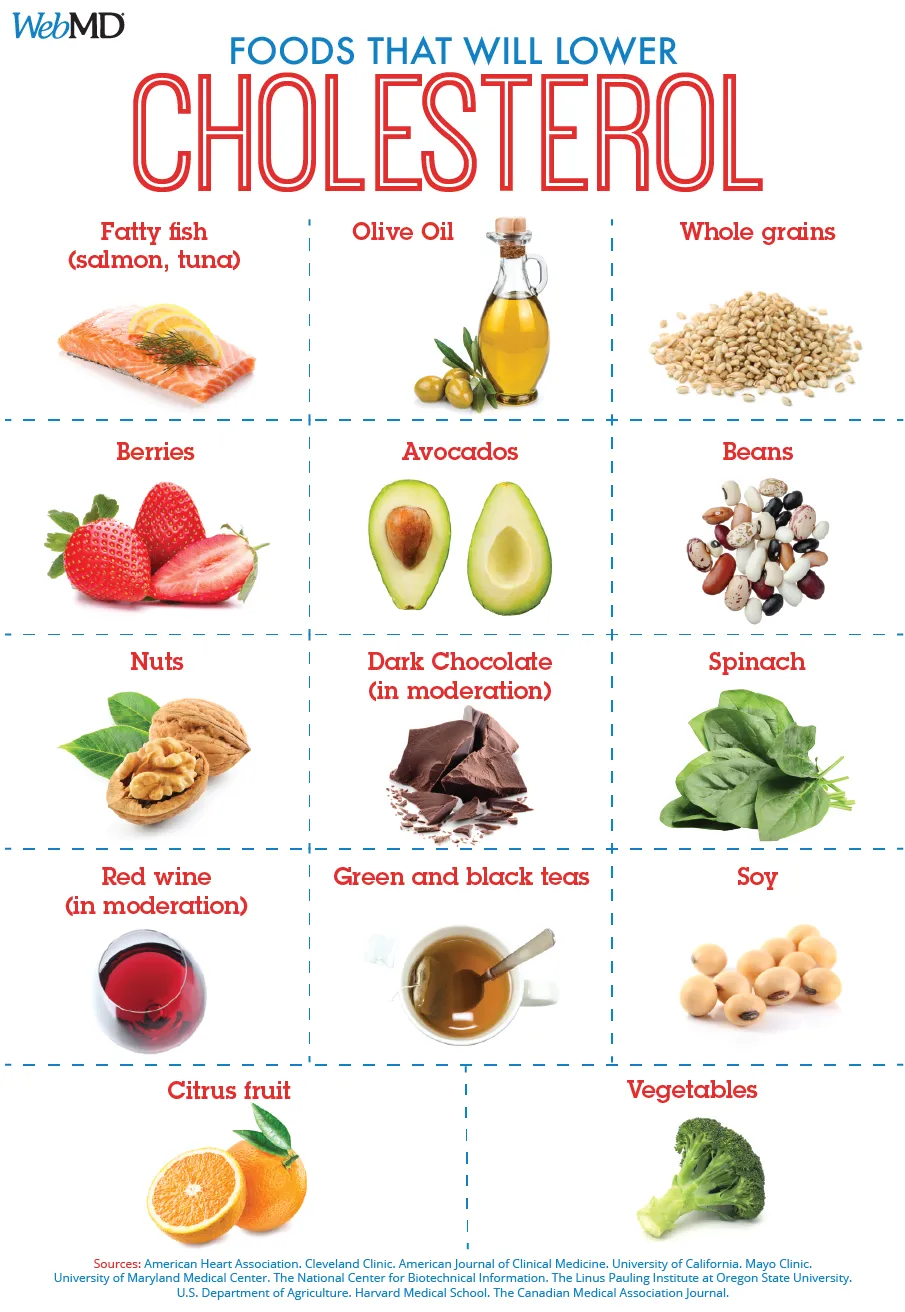
Your dietary habits are one of the most potent levers you have to influence your long-term health and, consequently, your healthcare spending. By proactively choosing foods that support healthy cholesterol levels, you can potentially reduce your risk of developing heart disease and other related conditions. This means fewer doctor visits, a reduced need for expensive medications (such as statins), and a lower likelihood of requiring costly interventions. From a financial perspective, investing a little more time and potentially a modest amount more in nutrient-dense, heart-friendly foods now can yield significant savings down the line. It’s a form of preventative financial planning where your grocery basket becomes your financial advisor.
Financially Smart Meat Selections for Cholesterol Management
When considering which meats are “good” for cholesterol from a financial standpoint, we’re looking at options that offer lean protein, healthy fats, and are generally accessible without breaking the bank. The key lies in understanding the different cuts, preparation methods, and where to source these meats for the best value.
Lean Poultry: The Budget-Friendly Powerhouse
Chicken and turkey, particularly the breast meat, are excellent sources of lean protein and are typically more affordable than red meats. When purchased in bulk or on sale, they offer exceptional value for their nutritional benefits.
- Chicken Breast: Skinless chicken breast is famously lean, low in saturated fat, and a versatile ingredient. When bought in larger family packs or as frozen options, the per-pound cost can be very competitive. Comparing prices across different supermarkets and considering store brands can reveal further savings. Beyond the breast, consider thighs and drumsticks – they are often cheaper and can be made healthier by removing the skin before or after cooking. The fat content is higher than breast meat but still manageable for a cholesterol-conscious diet when prepared properly.
- Turkey: Similar to chicken, turkey breast is a very lean option. Ground turkey, when chosen with a higher lean-to-fat ratio (e.g., 93% lean or higher), is a great substitute for ground beef in many dishes, offering a similar texture and often a lower price point. Whole turkeys during holiday seasons can be a remarkably cost-effective way to stock up on lean protein for multiple meals.
Fish and Seafood: Nutrient-Rich Investments
While some types of fish and seafood can be more expensive, incorporating them into your diet a few times a week can be a worthwhile financial investment in your long-term health. The omega-3 fatty acid content in fatty fish is particularly beneficial for heart health, and these nutrients can indirectly save you money by reducing your risk of cardiovascular disease.
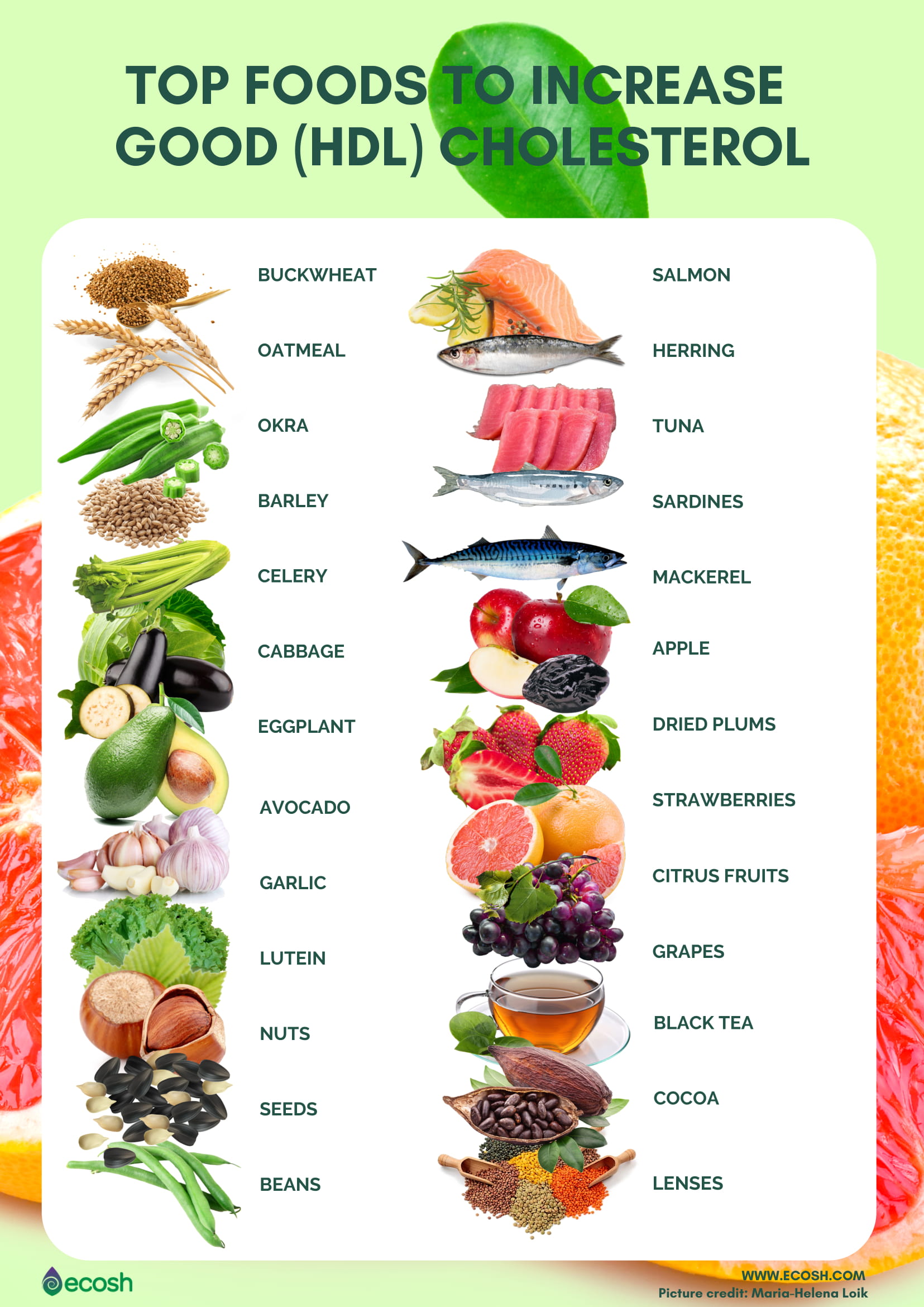
- Sustainably Sourced and Affordable Options: Not all fish are created equal in terms of price and availability. Look for varieties that are farmed sustainably or are abundant in your region. Canned tuna (packed in water, not oil), sardines, and mackerel are often the most budget-friendly options and are excellent sources of omega-3s. These can be used in salads, sandwiches, or pasta dishes.
- Frozen vs. Fresh: Frozen fish and seafood can often be significantly cheaper than fresh, especially for varieties that are not locally abundant. The nutritional quality is typically well-preserved in freezing, making them a smart choice for budget-conscious shoppers.
Lean Cuts of Red Meat: Strategic Choices
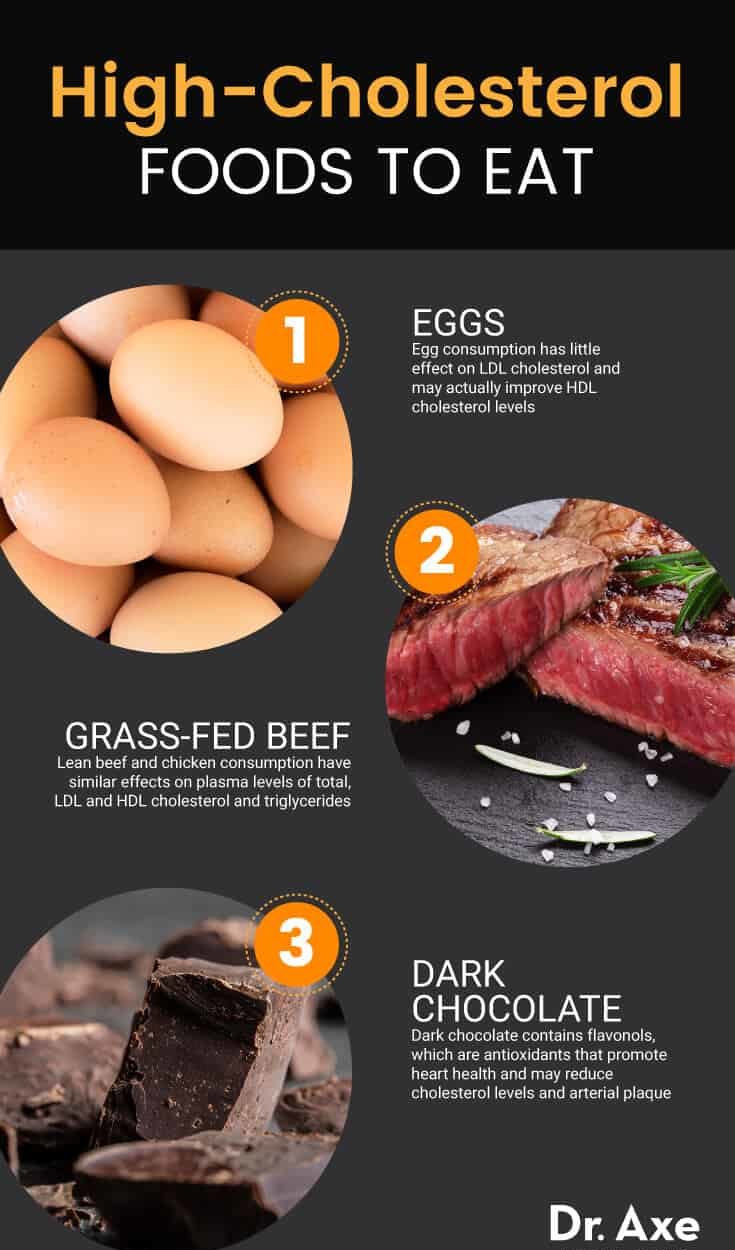
While red meat has often been demonized for its saturated fat content, certain lean cuts can be incorporated into a cholesterol-conscious diet in moderation, especially when chosen wisely and purchased strategically.
- Pork Tenderloin and Loin Chops: These cuts of pork are surprisingly lean, rivaling chicken breast in their low-fat profile. They are often available at competitive prices, especially when on sale. Opting for these over fattier cuts of pork can be a financially sound decision for heart health.
- Beef Sirloin and Round: Cuts like top sirloin, bottom sirloin, and various round steaks are leaner options within the beef category. While they might be slightly more expensive than poultry or some fish, their leanness makes them a more responsible choice for those monitoring cholesterol. Buying larger roasts and slicing them yourself can often be more economical than purchasing pre-cut steaks. Focus on consuming these in smaller portions and as part of a balanced meal.
Preparation and Purchasing Strategies for Maximum Value
Beyond selecting the right types of meat, how you prepare them and how you approach your grocery shopping can significantly impact both your health outcomes and your wallet. Smart strategies ensure you’re getting the most nutritional bang for your buck while minimizing unhealthy fats and excess costs.
Minimizing Unhealthy Fats Through Preparation
The way meat is cooked plays a crucial role in its final fat content and its impact on cholesterol. Opting for healthier cooking methods can transform a potentially less favorable cut into a heart-healthy option.
- Grilling, Baking, and Broiling: These methods allow fat to drip away from the meat, reducing overall fat consumption. They are also efficient and often require less added fat compared to frying.
- Trimming Visible Fat and Removing Skin: Always take the time to trim any visible fat from cuts of meat before cooking. For poultry, removing the skin is essential as it contains a high concentration of saturated fat. This simple step can dramatically improve the health profile of your meal.
- Sautéing and Stir-Frying with Healthy Oils: When sautéing or stir-frying, use small amounts of heart-healthy oils like olive oil or canola oil. These oils are rich in monounsaturated and polyunsaturated fats, which are beneficial for cholesterol levels.
Smart Shopping Habits for Cost-Effectiveness
Becoming a savvy shopper is fundamental to making healthy eating affordable. It requires a bit of planning and awareness of market dynamics.
- Buy in Bulk When Possible: For non-perishable or easily freezable items like chicken breasts or larger roasts, buying in bulk during sales can offer significant savings per pound. Ensure you have adequate freezer space to store these purchases.
- Utilize Sales and Coupons: Keep an eye on weekly grocery flyers and digital coupons. Planning your meals around what’s on sale is a time-tested strategy for reducing your grocery bill while still eating well.
- Compare Unit Prices: Always check the unit price (price per ounce or pound) on the shelf tag. This is the most accurate way to compare the value of different sizes and brands of the same product.
- Consider Store Brands: Many store brands offer comparable quality to national brands at a lower price point, particularly for staples like chicken, turkey, and frozen fish.
- Explore Different Retailers: Don’t be afraid to shop at discount grocers or ethnic markets, which can sometimes offer better prices on certain cuts of meat or seafood.
The Long-Term Financial Benefits of a Cholesterol-Conscious Diet
Investing in a diet that supports healthy cholesterol levels is an investment in your future. The positive impact extends far beyond the grocery receipt, offering tangible financial advantages over the long term.
Reduced Healthcare Costs and Insurance Premiums
As previously discussed, the direct link between lifestyle choices and chronic disease management is undeniable. By actively managing your cholesterol through diet, you are mitigating your risk of developing serious cardiovascular issues. This translates directly into fewer doctor’s visits, less reliance on prescription medications (which can be a significant recurring expense), and a reduced likelihood of facing costly medical emergencies. Furthermore, many health insurance providers are recognizing the value of preventative health. Maintaining a healthy lifestyle can, in some cases, lead to lower insurance premiums or better coverage options.
Enhanced Productivity and Earning Potential
When you feel good, you perform better. A healthy body, free from the debilitating effects of chronic diseases, allows for greater energy, focus, and stamina. This enhanced physical and mental well-being can translate directly into increased productivity in your professional life. For individuals who are self-employed or run their own businesses, consistent good health means more days working, more clients served, and ultimately, higher earning potential. Conversely, poor health due to lifestyle-related diseases can lead to missed workdays, reduced capacity, and a potential decrease in income.
Increased Savings and Financial Freedom
Ultimately, reducing healthcare expenditures and maintaining earning capacity frees up financial resources. Money that would otherwise be spent on medical bills, treatments, and related expenses can be redirected towards savings, investments, or other financial goals. This allows for greater financial security, the ability to weather unexpected financial storms, and the pursuit of personal aspirations like early retirement, home ownership, or travel. Viewing a cholesterol-conscious diet not as a restriction but as a strategic financial planning tool can reframe its perceived cost and highlight its immense long-term value. By making smart, informed choices about the meats you consume, you are actively contributing to both your physical vitality and your financial prosperity.
aViewFromTheCave is a participant in the Amazon Services LLC Associates Program, an affiliate advertising program designed to provide a means for sites to earn advertising fees by advertising and linking to Amazon.com. Amazon, the Amazon logo, AmazonSupply, and the AmazonSupply logo are trademarks of Amazon.com, Inc. or its affiliates. As an Amazon Associate we earn affiliate commissions from qualifying purchases.