
The rhythmic beat of our hearts is a fundamental indicator of our physical and emotional state. While a steady pulse is often associated with calm and good health, there are numerous occasions when our heart rate accelerates, beating faster to meet the demands of our bodies and minds. Understanding what prompts this physiological response can provide valuable insights into our health, fitness, and even our interaction with the technological world that increasingly surrounds us. This article delves into the technological drivers that can influence your heart rate, exploring the gadgets, apps, and digital environments that might be subtly or significantly speeding up your pulse.
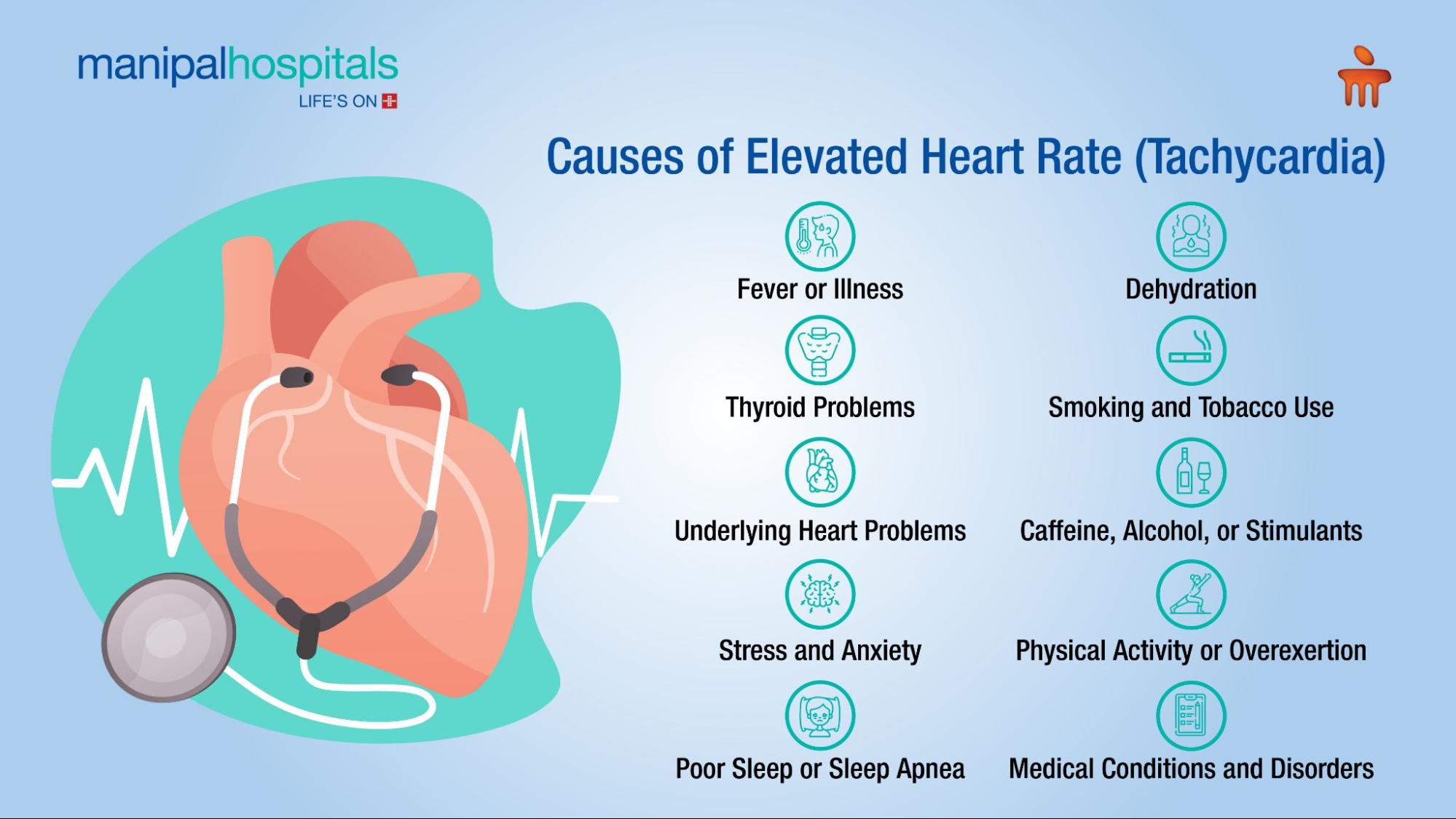
The Influence of Wearable Technology on Heart Rate Monitoring
Wearable technology has revolutionized how we track and understand our physiological data. Devices like smartwatches and fitness trackers are no longer mere timekeepers; they are sophisticated personal health monitors, capable of continuously measuring our heart rate. This constant stream of data provides unprecedented opportunities to observe how various aspects of our lives, particularly our engagement with technology, impact our cardiovascular system.
Smartwatches and Fitness Trackers: Continuous Cardiovascular Insights
The core functionality of many modern wearables is their ability to perform continuous heart rate monitoring. Using optical sensors that detect changes in blood flow through your wrist, these devices can accurately track your pulse in real-time. This data is invaluable for understanding your resting heart rate, your heart rate during exercise, and importantly for this discussion, your heart rate in response to digital stimuli.
- Real-time Data Visualization: The immediate feedback provided by a smartwatch or fitness tracker can itself be a stimulus. Seeing your heart rate climb during a particularly engaging online game, an intense social media scroll, or even while navigating complex digital interfaces can create a feedback loop. This awareness can prompt further physiological responses, creating a dynamic interplay between the technology and your body. For instance, noticing your heart rate spike while reading a suspenseful article online might trigger a mild stress response, further increasing your heart rate.
- Activity Tracking and Motivation: Wearables are designed to encourage physical activity. Features like step counters, activity reminders, and personalized workout plans aim to get you moving. While physical exertion is a primary and healthy driver of a fast heart rate, the motivational prompts and competitive leaderboards embedded within these apps can also introduce a psychological element. The desire to achieve a goal or outperform others, facilitated by the wearable’s data and gamified elements, can lead to an elevated heart rate even outside of strenuous exercise.
- Sleep and Recovery Analysis: Beyond tracking active periods, many wearables also monitor sleep patterns and recovery. By analyzing heart rate variability during sleep, these devices can offer insights into how well your body is recovering from daily stresses, including those potentially induced by excessive screen time or the cognitive load of digital interactions. A consistently high resting heart rate during sleep, as flagged by a wearable, might indicate that your digital habits are contributing to a state of overstimulation.
Heart Rate Alerts and Health Notifications
A crucial feature of advanced wearables is their ability to set custom heart rate alerts. Users can be notified if their heart rate goes above or below a certain threshold, or if it remains elevated for an extended period while at rest. This feature, while designed to safeguard health, can also directly influence heart rate through the very act of receiving the notification.
- The Psychological Impact of Alerts: Receiving a notification that your heart rate is unusually high can trigger anxiety. This anxiety, a classic stressor, can then paradoxically increase your heart rate further. The alert, intended to be helpful, can thus become a self-fulfilling prophecy. This is particularly relevant when the alert is triggered by a technology-induced situation, such as prolonged focus on a complex task or engaging with emotionally charged digital content.
- Proactive Health Management Tools: Despite the potential for anxiety, these alerts are powerful tools for proactive health management. By drawing attention to deviations from normal heart rate patterns, they encourage users to investigate potential causes, which may include excessive screen time, poor sleep hygiene influenced by late-night digital use, or even the physiological impact of constant connectivity.
The Digital Environment: Screens, Notifications, and Cognitive Load
The digital world we inhabit is a constant source of sensory input and cognitive engagement. From the glowing screens of our devices to the incessant stream of notifications, our brains are perpetually processing information, and this mental exertion can have a tangible effect on our heart rate.
Screen Brightness, Blue Light, and Visual Stimulation
The visual nature of digital devices plays a significant role in how they impact our physiology. The light emitted by screens, particularly the blue light spectrum, can influence our circadian rhythms and cognitive alertness, both of which can indirectly affect heart rate.
- Blue Light and Circadian Disruption: Exposure to blue light, especially in the hours leading up to bedtime, can suppress melatonin production, making it harder to fall asleep. Poor sleep quality and disrupted sleep cycles are known to affect heart rate regulation, often leading to an elevated resting heart rate. The prolonged engagement with screens that emit this light, whether for work, entertainment, or social interaction, directly contributes to this disruption.
- Visual Processing and Cognitive Effort: The act of visually processing information on a screen, especially dynamic content like videos, games, or rapidly updating information feeds, requires significant cognitive effort. The brain’s constant need to interpret and react to these visual stimuli can lead to a heightened state of alertness, which in turn can increase heart rate. Imagine the difference between reading a physical book and watching a fast-paced action movie on a screen; the latter demands more immediate and intense visual processing, leading to a greater physiological response.
The Notification Ecosystem: Constant Interruption and Engagement
Notifications are the lifeblood of many digital platforms, designed to keep us engaged and informed. However, this constant stream of alerts can create a state of perpetual readiness and interruption, subtly but surely impacting our heart rate.
- Dopamine Hits and Reward Cycles: Many notifications are designed to trigger a mild dopamine release, creating a sense of anticipation and reward. The ping of a new message, the like on a social media post, or the update on a game can create a mini reward cycle that keeps us checking our devices. This constant seeking of small rewards can lead to a low-level state of arousal, contributing to an elevated heart rate throughout the day.
- Cognitive Load and Context Switching: Each notification, even if brief, requires a cognitive switch. We have to process the information, decide whether it requires immediate attention, and then potentially shift our focus. This constant context switching, particularly when it occurs frequently, adds to our overall cognitive load. A brain that is constantly being pulled in different directions experiences a subtle but persistent stress, which can manifest as an increased heart rate. Think about trying to concentrate on a complex task while being interrupted by a notification every few minutes – the mental effort and ensuing frustration can certainly quicken your pulse.
- FOMO (Fear of Missing Out) and Social Pressure: Social media notifications, in particular, can tap into our inherent social needs and our fear of missing out. The urgency implied by some notifications, such as urgent messages or trending topics, can create a sense of pressure to respond and stay connected. This underlying social anxiety, fueled by digital interactions, can contribute to a persistently elevated heart rate.
Online Gaming and Immersive Digital Experiences
Online gaming, in particular, represents a potent confluence of technological factors that can significantly elevate heart rate. The combination of intense visual stimulation, rapid decision-making, social interaction, and the competitive nature of many games creates an environment perfectly engineered to quicken the pulse.
The Physiological Demands of Gaming
Modern video games are not just passive entertainment; they are complex, interactive experiences that engage our cognitive, emotional, and even motor systems. This multifaceted engagement translates directly into physiological responses.
- Cognitive Processing and Decision-Making: Many games require players to process vast amounts of information rapidly, make split-second decisions, and strategize under pressure. This intense cognitive demand triggers the sympathetic nervous system, leading to the release of adrenaline and an increase in heart rate, blood pressure, and respiration. Think of the rapid-fire decisions required in a first-person shooter or the intricate resource management in a real-time strategy game.
- Visual and Auditory Stimulation: The high-fidelity graphics, fast-paced action, and immersive soundscapes of modern games are designed to capture and hold our attention. This constant sensory input can be highly stimulating, keeping our brains in a state of heightened awareness. The visual cues, the sudden explosions, the urgent music – all contribute to an overall state of arousal that directly impacts heart rate.
- Emotional Engagement and Competition: Games often evoke strong emotions, from excitement and elation to frustration and anxiety. The competitive nature of many online multiplayer games can be particularly intense, as players strive for victory against human opponents. The stakes, however artificial, feel real, and the thrill of competition or the disappointment of defeat can lead to significant fluctuations in heart rate. The adrenaline rush associated with a close match or a hard-fought victory is a direct physiological response.
Social Interaction and Collaboration in Digital Worlds
Beyond individual gameplay, the social dynamics of online gaming can also influence heart rate. Playing with friends, coordinating strategies, or even engaging in banter with other players can add another layer of complexity to the experience.
- Teamwork and Communication: In cooperative games, players must communicate effectively, coordinate actions, and rely on each other for success. This requires active listening, quick responses, and often a heightened sense of shared purpose. The urgency of coordinating a critical move or the excitement of a successful team play can elevate heart rate.
- Competitive Dynamics and Performance Pressure: Playing against or alongside other people introduces a social comparison element. The desire to perform well, avoid letting teammates down, or outmaneuver opponents can create a significant psychological pressure that directly influences heart rate. The anticipation of an opponent’s move or the tension of a closely contested objective can all contribute to a faster heartbeat.
Conclusion: Navigating the Technological Landscape for Heart Health
The technological landscape, while offering unparalleled convenience and engagement, presents a unique set of factors that can influence our heart rate. From the constant data streams provided by wearables to the immersive experiences of online gaming and the relentless barrage of notifications, our digital interactions are inextricably linked to our physiological well-being.
Understanding these connections is the first step towards managing them. Wearable technology, while potentially a source of anxiety through alerts, also provides the essential tools to monitor and understand these impacts. By paying attention to the data, users can identify patterns, such as elevated resting heart rates correlated with late-night screen use or increased heart rate during prolonged gaming sessions. This awareness empowers individuals to make informed choices about their digital habits.
The cognitive load and emotional engagement demanded by digital content, particularly immersive games and social media, are significant drivers of increased heart rate. Recognizing that the “stress” of a challenging game or the anxiety of a social media interaction is a genuine physiological response allows for more mindful consumption. This might involve setting time limits for gaming, consciously taking breaks from screens, or cultivating a more balanced approach to online social engagement.
Ultimately, the goal is not to shun technology but to integrate it into our lives in a way that supports our health. By becoming more attuned to how our technology use affects our heart rate, we can adopt strategies to mitigate negative impacts and harness the benefits of these powerful tools responsibly. This includes prioritizing sleep hygiene, incorporating physical activity to counterbalance sedentary screen time, and cultivating moments of digital mindfulness. As technology continues to evolve, so too will its influence on our bodies, making ongoing awareness and adaptation crucial for maintaining a healthy heart in an increasingly connected world.
aViewFromTheCave is a participant in the Amazon Services LLC Associates Program, an affiliate advertising program designed to provide a means for sites to earn advertising fees by advertising and linking to Amazon.com. Amazon, the Amazon logo, AmazonSupply, and the AmazonSupply logo are trademarks of Amazon.com, Inc. or its affiliates. As an Amazon Associate we earn affiliate commissions from qualifying purchases.