
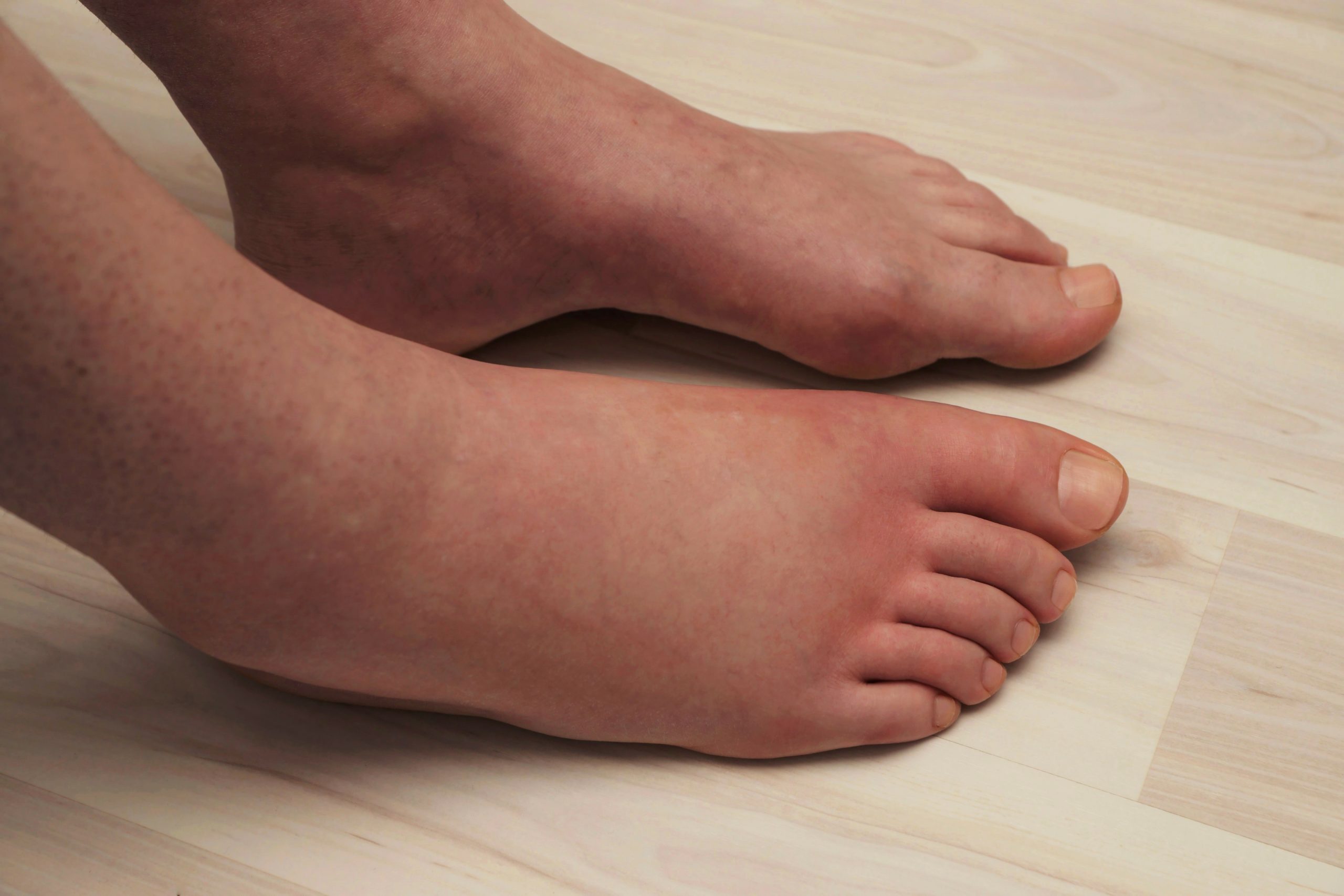
Foot and ankle swelling, medically known as edema, is a common physical manifestation that can range from a minor inconvenience to a significant indicator of underlying health issues. While conventional medical advice often focuses on lifestyle modifications and pharmaceutical interventions, the rapidly evolving landscape of technology offers novel avenues for understanding, monitoring, and even managing this persistent problem. From sophisticated wearable sensors to AI-powered diagnostic tools, the tech sector is increasingly contributing to our ability to unravel the complexities behind swollen extremities. This article delves into the technological insights and solutions that shed light on why your feet and ankles might be exhibiting this common symptom.

The Role of Wearable Technology in Swelling Detection and Monitoring
Wearable devices, once primarily associated with fitness tracking, are now venturing into more sophisticated health monitoring capabilities. For conditions like edema, these devices offer a non-invasive and continuous method of data collection, providing invaluable insights that were previously difficult to obtain.
Smart Insoles and Foot Pressure Sensors
The direct interaction of your feet with the ground presents a unique opportunity for data capture. Smart insoles, embedded with an array of miniature sensors, can provide real-time data on pressure distribution, gait analysis, and even subtle changes in foot volume. These sensors, often employing piezoelectric or capacitive technologies, can detect localized pressure points that might indicate fluid accumulation.
Pressure Mapping and Gait Analysis: By analyzing the pressure maps generated by smart insoles, individuals and their healthcare providers can identify patterns associated with swelling. For instance, uneven pressure distribution could suggest that one foot is bearing more weight due to inflammation or fluid buildup, impacting normal gait mechanics. Over time, this data can reveal trends that correlate with specific activities or times of day, offering clues about the triggers for swelling.
Subtle Volume Changes: Advanced insoles can be calibrated to detect minute changes in foot volume. These changes, often imperceptible to the naked eye, can be early indicators of fluid retention. By tracking these subtle shifts, individuals can preemptively address potential swelling issues before they become more pronounced and uncomfortable.
Advanced Biometric Smartwatches and Fitness Trackers
Beyond basic step counting and heart rate monitoring, modern smartwatches are equipped with a suite of sensors capable of tracking a wider range of physiological parameters. While direct measurement of foot edema is not their primary function, these devices can collect data that indirectly points to contributing factors or consequences of swelling.
Heart Rate Variability (HRV) and Cardiovascular Health: Poor circulation and cardiovascular strain are significant contributors to edema. Smartwatches can monitor HRV, a metric that reflects the balance of the autonomic nervous system and can be an indicator of overall cardiovascular health. Deviations in HRV could suggest an underlying issue affecting fluid regulation.
Activity Levels and Sedentary Behavior: Prolonged sitting or standing, common contributors to swelling, can be precisely tracked by smartwatches. By analyzing periods of inactivity, these devices can alert users to the need for movement and exercise, which are crucial for improving circulation and reducing fluid buildup.
Sleep Quality and Fluid Regulation: Sleep disruptions and poor sleep quality can negatively impact the body’s hormonal balance, affecting fluid regulation. Smartwatches that track sleep stages, duration, and disturbances can provide insights into how sleep patterns might be contributing to swelling. For example, certain sleep apnea devices, sometimes integrated or communicated with by smartwatches, can also offer data relevant to fluid balance.
AI and Machine Learning in Edema Prediction and Diagnosis
The vast amounts of data collected by wearable devices and other health-monitoring technologies are the fertile ground for artificial intelligence (AI) and machine learning (ML) algorithms. These advanced computational tools are transforming how we understand, predict, and potentially diagnose the causes of foot and ankle swelling.
Predictive Analytics for Edema Risk
AI algorithms can analyze diverse datasets, including physiological readings from wearables, personal health history, and even environmental factors, to predict an individual’s risk of developing or experiencing increased foot and ankle swelling.
Pattern Recognition in Physiological Data: ML models can identify complex patterns in continuous data streams from sensors that may not be apparent through manual observation. For example, a combination of subtle changes in heart rate, activity levels, and even skin temperature might signal an impending swelling episode days in advance.
Integration with Electronic Health Records (EHRs): When securely integrated with EHRs, AI can cross-reference wearable data with existing medical diagnoses, medications, and lifestyle information. This holistic approach allows for more accurate risk assessment, identifying individuals who may be more susceptible to swelling due to pre-existing conditions like heart disease, kidney issues, or venous insufficiency.
AI-Powered Diagnostic Support Tools

While AI is not yet a replacement for medical professionals, it is emerging as a powerful support tool for diagnosis. In the context of foot and ankle swelling, AI can assist in identifying potential underlying causes by analyzing symptoms and correlating them with known medical conditions.
Symptom Analysis and Differential Diagnosis: AI-powered chatbots or diagnostic platforms can guide individuals through a series of questions about their swelling, including its onset, location, associated symptoms (pain, redness, skin changes), and contributing factors. The AI can then generate a list of potential causes, prompting users to seek appropriate medical attention.
Image Analysis for Swelling Severity: Emerging technologies are exploring the use of AI to analyze images of swollen feet and ankles. By comparing these images against a vast database of medical imagery, AI could potentially assess the severity of swelling, track its progression, and even identify visual markers indicative of specific conditions. This could be particularly useful for remote patient monitoring.
Technological Interventions and Management Strategies
Beyond monitoring and diagnosis, technology is also playing a role in developing innovative ways to manage and alleviate foot and ankle swelling. These interventions range from smart therapeutic devices to digital platforms for personalized treatment plans.
Smart Compression Garments and Devices
Compression therapy is a cornerstone of managing edema, and technology is making these garments more intelligent and effective.
App-Controlled Compression: Smart compression socks, sleeves, and even pneumatic compression devices are increasingly being integrated with mobile applications. These apps allow users to customize compression levels, set treatment schedules, and track the effectiveness of their therapy. For instance, a user might receive an alert to don their compression socks at a time of day when they typically experience the most swelling.
Biometric Feedback Integration: Future iterations of smart compression garments may incorporate biometric sensors to dynamically adjust compression based on real-time physiological feedback. If the device detects increased fluid accumulation, it could automatically increase the compression level to aid in fluid drainage.
Digital Therapeutics and Telehealth Solutions
The broader digital health ecosystem offers platforms for personalized management and remote care, which are invaluable for individuals dealing with chronic swelling.
Personalized Exercise and Rehabilitation Platforms: Mobile applications and online platforms can provide tailored exercise programs designed to improve circulation and strengthen muscles in the feet and ankles. These platforms often incorporate video demonstrations, progress tracking, and motivational tools to encourage adherence.
Telehealth for Consultations and Monitoring: Telehealth services, facilitated by secure video conferencing and data sharing, allow individuals to consult with healthcare professionals remotely. This is particularly beneficial for those who experience significant swelling that makes travel difficult. Remote monitoring through connected devices ensures that healthcare providers can track a patient’s condition without frequent in-person visits.
Nutritional and Hydration Tracking Apps
While not directly a “tech device” in the hardware sense, sophisticated apps that track dietary intake and hydration play a crucial role in managing conditions that contribute to swelling. Fluid balance is paramount, and apps can help individuals understand how their food and drink choices impact their edema.
Electrolyte Balance and Fluid Intake Monitoring: Certain apps can help users monitor their electrolyte intake, particularly sodium, which can significantly influence fluid retention. They can also provide reminders for adequate water consumption, crucial for flushing out excess fluids.
Personalized Dietary Recommendations: By analyzing user-inputted dietary data, AI-powered nutrition apps can offer personalized recommendations to reduce sodium intake and promote a balanced diet that supports healthy fluid regulation.
The Future of Tech in Tackling Foot and Ankle Swelling
The convergence of advanced sensors, sophisticated AI, and interconnected digital health platforms promises a future where foot and ankle swelling is not just managed but proactively prevented and precisely understood. The ongoing innovation in wearable technology, particularly in the development of more sensitive and multi-functional biosensors, will enable earlier detection of subtle physiological changes. AI algorithms will become even more adept at discerning complex patterns within individual data, leading to highly personalized predictive models and diagnostic insights.
Furthermore, the integration of these technologies into a seamless digital health ecosystem will empower individuals with greater control over their health. Imagine a scenario where your smart insoles detect early signs of fluid buildup, your smartwatch monitors your cardiovascular response, and your AI-powered health assistant proactively suggests dietary adjustments and a personalized exercise routine – all coordinated to prevent significant swelling. The continuous feedback loop between individuals, their data, and their healthcare providers, facilitated by these technological advancements, will undoubtedly revolutionize the approach to managing foot and ankle edema, leading to improved quality of life and better health outcomes.
aViewFromTheCave is a participant in the Amazon Services LLC Associates Program, an affiliate advertising program designed to provide a means for sites to earn advertising fees by advertising and linking to Amazon.com. Amazon, the Amazon logo, AmazonSupply, and the AmazonSupply logo are trademarks of Amazon.com, Inc. or its affiliates. As an Amazon Associate we earn affiliate commissions from qualifying purchases.