
The involuntary expulsion of stomach contents, commonly known as vomiting, is a complex physiological process. While its biological underpinnings are well-studied, the role technology plays in understanding, diagnosing, and even potentially influencing this response is a burgeoning area of scientific inquiry. This article will explore the intersection of technology and emesis, delving into how advancements in data analysis, sensor technology, and computational modeling are revolutionizing our comprehension of what makes us vomit.
The Neurological Symphony: Decoding the Vomiting Reflex with Advanced Sensors
The intricate dance of neurons and neurotransmitters that culminates in vomiting is a marvel of biological engineering. Traditionally, understanding this reflex involved invasive procedures and limited real-time data. However, the advent of sophisticated biosensors and wearable technology has opened new frontiers in observing and analyzing these neural signals.
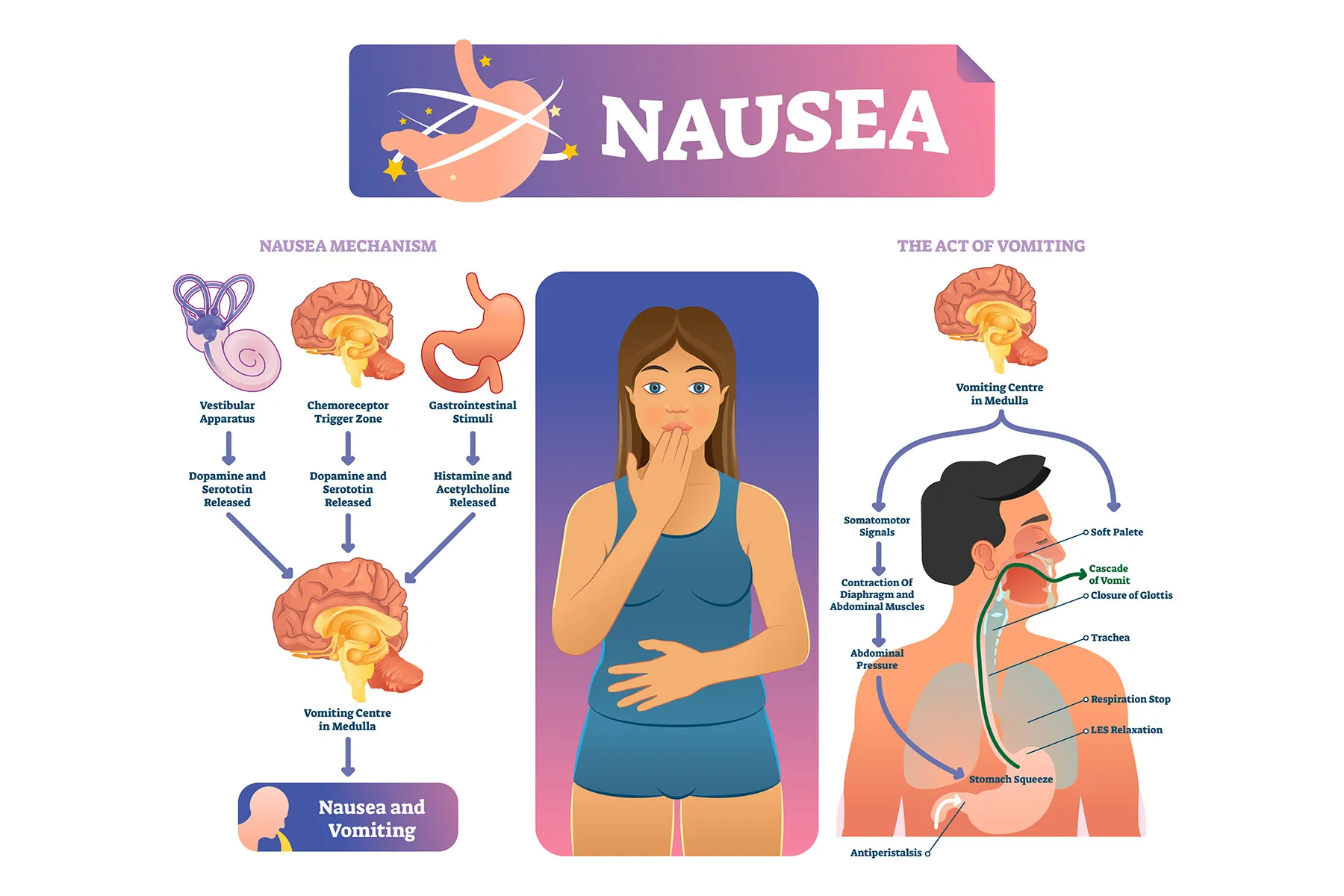
Real-time Neural Activity Monitoring
The vomiting reflex is initiated by signals originating from various parts of the body, including the gastrointestinal tract, the vestibular system, and the chemoreceptor trigger zone (CTZ) in the brainstem. Historically, pinpointing the precise origin and sequence of these signals during an episode of nausea and vomiting has been challenging. Now, advancements in electrophysiology and neuroimaging are providing unprecedented clarity.
High-density electroencephalography (EEG) systems, once confined to laboratory settings, are becoming more portable and capable of capturing brain activity with greater spatial and temporal resolution. When integrated with electrointestinography (EIG), which measures the electrical activity of the gut, researchers can create a more comprehensive picture of the interconnected neural pathways involved. Imagine a patient experiencing motion sickness. Wearable EEG caps can record brain wave patterns associated with dizziness and nausea, while EIG sensors, perhaps embedded in a comfortable abdominal band, can detect altered gut motility or spasticity that precedes vomiting. This simultaneous data capture allows for a more nuanced understanding of how sensory input (from the vestibular system) translates into specific neural commands that trigger the emetic response.
Furthermore, magnetoencephalography (MEG), which measures the magnetic fields produced by electrical currents in the brain, offers another powerful tool. While still largely a clinical tool, miniaturization and improved signal processing are bringing MEG closer to applications where detailed mapping of neural network activation during nausea is crucial. This technology can help differentiate between various triggers by identifying unique neural signatures associated with, for example, chemotherapy-induced nausea versus food poisoning.
Wearable Biosensors for Physiological Signatures
Beyond direct neural monitoring, a plethora of physiological parameters change during the lead-up to vomiting. These include heart rate, blood pressure, respiratory rate, skin conductance, and even body temperature. Smartwatches and fitness trackers, which have become ubiquitous, are evolving beyond simple activity monitoring to incorporate more advanced biosensing capabilities.
Photoplethysmography (PPG) sensors, commonly found in smartwatches, can accurately track heart rate variability (HRV). Changes in HRV can be indicative of stress responses and autonomic nervous system dysregulation, both of which are strongly linked to nausea. Similarly, galvanic skin response (GSR) sensors, also found in some wearables, measure changes in sweat gland activity, reflecting emotional and physiological arousal that often accompanies nausea.
The integration of these sensors into everyday devices allows for continuous, passive monitoring of individuals in their natural environments. This is particularly valuable for understanding triggers that might be difficult to replicate in a clinical setting, such as specific dietary intolerances or environmental toxins. For instance, a person prone to migraines with aura, which can include nausea, could wear a smartwatch that logs their physiological data alongside their dietary intake and environmental exposures, creating a rich dataset to identify patterns and potential triggers that contribute to their vomiting episodes.
Computational Modeling and AI for Predictive Analytics
The sheer volume of data generated by these advanced sensors necessitates powerful analytical tools. Artificial intelligence (AI) and machine learning (ML) algorithms are proving indispensable in sifting through this complex information to identify subtle patterns and predict the onset of vomiting.
Researchers are developing AI models that can be trained on vast datasets of physiological and neural data. These models can learn to recognize the early warning signs of nausea and vomiting, often before an individual is consciously aware of feeling unwell. For example, an AI system could be trained on data from patients undergoing chemotherapy. By analyzing the subtle shifts in heart rate, respiratory patterns, and EEG signals in the hours preceding vomiting, the AI could learn to predict an impending episode with a high degree of accuracy. This predictive capability has profound implications for patient care, allowing for timely administration of antiemetic medications, thereby improving quality of life and treatment adherence.
Furthermore, computational models of the vomiting reflex itself are being developed. These models use principles from systems biology and computational neuroscience to simulate the complex interactions within the neural circuits that control emesis. By feeding real-world sensor data into these simulations, researchers can gain a deeper understanding of the causal relationships between different physiological changes and the initiation of vomiting. This could lead to the development of targeted interventions aimed at disrupting specific pathways within the reflex arc.
Trigger Identification: Leveraging Tech for Environmental and Chemical Analysis
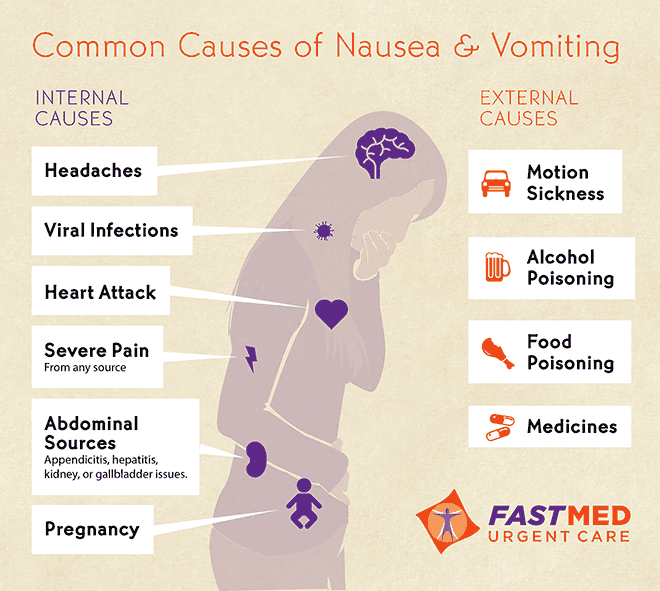
While internal biological factors play a significant role, external elements are frequent culprits behind vomiting. Technology is now empowering us to identify these external triggers with greater precision, ranging from microscopic environmental contaminants to complex chemical compositions of ingested substances.
Environmental Monitoring and Exposure Tracking
The air we breathe, the water we drink, and the surfaces we touch can harbor pathogens and toxins that induce vomiting. Advanced environmental sensors are becoming more sophisticated and accessible, allowing for real-time monitoring of air and water quality.
Portable air quality monitors can detect a range of pollutants, including volatile organic compounds (VOCs) and particulate matter, which can irritate the respiratory tract and trigger nausea. Similarly, water quality testing kits are evolving from basic chemical analysis to include rapid detection of microbial contaminants like E. coli. While often used for public health, personal versions of these technologies could empower individuals to proactively assess their immediate environment for potential emetic triggers.
For those with sensory sensitivities or specific allergies, technologies that can identify airborne allergens or irritants can be invaluable. Imagine a person with severe olfactory hypersensitivity. A portable device that analyzes air composition and flags specific compounds known to induce nausea could help them avoid triggering environments.
Food and Chemical Analysis for Safety and Sensitivity

A significant portion of vomiting episodes stems from ingesting contaminated food or substances that the body rejects. Innovations in food safety technology are playing a crucial role in preventing foodborne illnesses and understanding individual sensitivities.
Spectroscopic analysis techniques, such as Near-Infrared (NIR) spectroscopy, can be integrated into portable devices for rapid, non-destructive analysis of food composition. This technology can detect spoilage indicators, such as changes in sugar or water content, or even identify the presence of certain toxins. While still largely in research and industrial applications, the miniaturization of such devices could eventually allow consumers to scan their food for potential contaminants before consumption.
Beyond immediate toxins, personalized health tracking devices and apps are assisting individuals in identifying food sensitivities that lead to delayed or immediate adverse reactions, including vomiting. By logging food intake and subsequent symptoms, users can work with AI-powered apps to identify patterns that might not be immediately obvious. These apps can then suggest further diagnostic steps, such as elimination diets guided by technological feedback, or even prompt users to seek professional medical advice for specific allergen testing.
Furthermore, advanced molecular diagnostic tools, though still primarily in clinical settings, are enabling more precise identification of the specific pathogens or toxins responsible for food poisoning. This information can then be used to inform public health advisories and prevent wider outbreaks.
Digital Toxin Databases and Information Retrieval
The sheer volume of chemicals and compounds that can induce vomiting is immense. Digital databases and AI-powered information retrieval systems are becoming critical resources for understanding these potential triggers.
Online toxicology databases compile information on the effects of various substances on the human body. When a person experiences unexplained vomiting, technology can assist in quickly searching these databases to identify potential culprits based on known exposures. For example, if a child has ingested an unknown pill, a parent could use a smartphone app linked to a toxicology database to scan the pill’s appearance or input its known chemical characteristics to receive immediate information about its potential toxicity and recommended course of action.
The development of AI-driven chatbots and virtual assistants trained on medical and chemical literature is also emerging. These tools can provide instant, accessible information about potential emetic triggers based on user-provided symptoms and circumstances, guiding them towards appropriate actions or professional help.
Therapeutic Interventions: Tech-Assisted Strategies for Relief and Prevention
While understanding the triggers of vomiting is crucial, technology is also advancing therapeutic strategies to manage and prevent this often debilitating symptom. From advanced drug delivery systems to biofeedback mechanisms, tech is offering new avenues for relief.
Precision Drug Delivery and Smart Medications
Antiemetic medications are the cornerstone of managing nausea and vomiting. However, their effectiveness can be limited by factors such as slow absorption, inconsistent dosing, and side effects. Technological advancements in drug delivery are addressing these challenges.
Implantable drug delivery systems, once primarily used for chronic conditions, are being explored for targeted and sustained release of antiemetic agents. These devices can be programmed to deliver precise doses of medication at optimal times, ensuring consistent relief and minimizing fluctuations in drug levels that can lead to breakthrough nausea. For patients undergoing treatments known to cause severe vomiting, such as chemotherapy or radiation therapy, these smart systems offer a significant improvement in managing side effects.
Furthermore, nanotechnology is paving the way for targeted drug delivery. Nanoparticles can be engineered to encapsulate antiemetic drugs and deliver them directly to specific receptors in the brain or gut that are involved in the vomiting reflex. This targeted approach can enhance efficacy while reducing systemic side effects, offering a more personalized and efficient therapeutic solution.
Biofeedback and Neuromodulation for Symptom Management
The intimate connection between the mind and body is well-established, and technology is providing new ways to harness this connection for symptom management. Biofeedback and neuromodulation techniques are emerging as promising avenues for controlling the vomiting reflex.
Biofeedback devices allow individuals to monitor and gain conscious control over physiological processes that were previously considered involuntary. For example, a person experiencing anticipatory nausea (nausea before a triggering event, like chemotherapy) could use biofeedback to learn to regulate their heart rate, breathing, and muscle tension. By receiving real-time feedback on these physiological parameters, they can develop coping mechanisms that help mitigate the onset or severity of nausea and vomiting.
Neuromodulation techniques, such as transcutaneous vagus nerve stimulation (tVNS), are also showing promise. The vagus nerve plays a critical role in the vomiting reflex. By applying gentle electrical stimulation to the vagus nerve through the skin, it’s possible to modulate its activity and reduce the urge to vomit. Wearable tVNS devices are becoming more sophisticated, allowing for personalized stimulation patterns tailored to an individual’s specific symptoms and triggers.
Virtual Reality (VR) and Augmented Reality (AR) for Distraction and Desensitization
In certain contexts, such as motion sickness or anxiety-induced nausea, virtual reality (VR) and augmented reality (AR) are proving to be surprisingly effective therapeutic tools. These immersive technologies offer novel approaches to distraction and desensitization.
For individuals prone to motion sickness, VR can be used to gradually expose them to simulated motion in a controlled environment. By progressively increasing the intensity of the simulated motion while providing visual and auditory cues that help the brain reconcile conflicting sensory information, individuals can learn to adapt and become desensitized to triggering stimuli. This is a form of virtual exposure therapy for emesis.
Similarly, AR can be used to overlay calming or distracting visual elements onto real-world environments that might otherwise induce anxiety and nausea. For instance, during a medical procedure that often elicits nausea, AR glasses could project serene landscapes or engaging games, diverting the patient’s attention and reducing their focus on the physical sensations of nausea.
In conclusion, the seemingly simple act of vomiting is a sophisticated biological response deeply intertwined with our environment, our internal states, and increasingly, with the technologies we develop to understand and manage it. From the intricate mapping of neural pathways using advanced biosensors to the predictive power of AI and the therapeutic potential of smart drug delivery and VR, technology is rapidly transforming our approach to the age-old problem of what makes us vomit. As these fields continue to advance, we can anticipate even more innovative solutions that will improve the quality of life for millions affected by nausea and emesis.
aViewFromTheCave is a participant in the Amazon Services LLC Associates Program, an affiliate advertising program designed to provide a means for sites to earn advertising fees by advertising and linking to Amazon.com. Amazon, the Amazon logo, AmazonSupply, and the AmazonSupply logo are trademarks of Amazon.com, Inc. or its affiliates. As an Amazon Associate we earn affiliate commissions from qualifying purchases.